Bristol Myers Squibb entered the quarter with modest expectations, but it delivered stronger-than-anticipated results thanks to rising sales from newer therapies, disciplined expense management, and several strategic developments that captured investor attention. Updates about artificial intelligence, upcoming product catalysts, and a major China licensing agreement all helped bolster confidence. Below are the primary reasons Bristol Myers Squibb outperformed market forecasts this quarter.
Eliquis Continued to Generate Substantial Revenue

Credit: Canva
Eliquis remained a core revenue driver, producing more than $4 billion in sales and surpassing analyst expectations. Prescription demand stayed robust across major markets, with new-prescription share rising above 75%. That continued stability is important because Eliquis has long been one of the company’s top-selling drugs, providing a reliable revenue foundation as newer therapies scale.
New Oncology and Cardio Therapies Gained Traction

Credit: Getty Images
Newer medicines such as Breyanzi and Camzyos helped offset pressure from older drugs facing generic competition. For several quarters the company had been working to replace revenue lost to patent expirations; this quarter that strategy appeared to gain substantial traction. Sales from the growth portfolio exceeded $6 billion and represented more than half of total revenue, signaling that the company’s investment in next-generation therapies is progressing.
Analysts’ Expectations Were Conservative

Credit: Canva
Part of the outperformance stemmed from cautious analyst estimates leading up to the report. After several quarters of mixed sentiment about drug pricing and slower growth, consensus forecasts were conservative. Analysts had estimated adjusted earnings around $1.42 per share, while the company delivered $1.58 per share, reflecting a notable upside versus expectations.
Cost-Savings Measures Began to Materialize

Credit: Getty Images
Bristol Myers’ efficiency program began showing measurable results in the quarter. Management reported achieving roughly half of its targeted $2 billion in cost reductions. Executives emphasized careful, targeted cuts designed to preserve operational strength rather than sweeping layoffs or disruptive moves—an approach that tends to reassure investors focused on sustainable margin improvement.
Artificial Intelligence Was Quantified

Credit: Getty Images
While references to artificial intelligence are increasingly common in industry reporting, Bristol Myers provided concrete expectations tied to AI. CEO Chris Boerner indicated AI tools could ultimately reduce clinical development timelines by roughly 30% and speed the identification of promising drug molecules. Those potential efficiencies contributed to investor enthusiasm around the company’s long-term research productivity.
Investors Focused on Upcoming Drug Catalysts

Credit: Canva
Market sentiment improved in part because investors were already looking ahead to late 2026 and beyond. Analysts highlighted several catalysts that could shape the company’s trajectory, including Milvexian studies targeting atrial fibrillation and continued progress with neuroscience candidate Cobenfy. These near-term milestones gave investors reasons to be optimistic about future growth prospects.
Opdivo’s Softness Was Managed
Credit: Threads
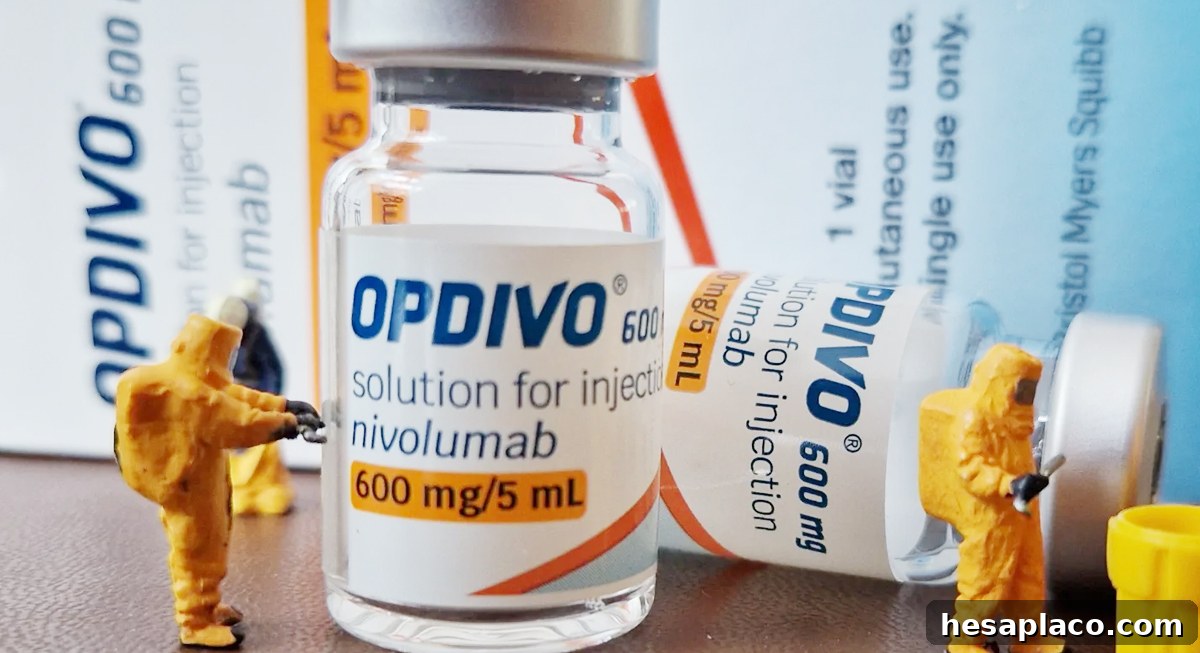
Opdivo sales underperformed analyst expectations and drew scrutiny, but management attributed part of the decline to wholesalers running down inventory. Because executives provided context and a plausible explanation for the slowdown, the miss did not derail the quarter’s overall narrative, and investors appeared willing to accept the reasoning for now.
A Major China Licensing Agreement Added Momentum

Credit: Pixabay
A multibillion-dollar licensing pact with Hengrui Pharma provided another boost to sentiment. The agreement, which could reach up to $15.2 billion in total value, expands Bristol Myers’ oncology presence in China and underscores the company’s strategy to pursue growth in large international markets where demand for cancer treatments is rising.
Institutional Buyers Returned

Credit: Getty Images
Several institutional investors increased their positions, which lent further credibility to the rebound. Fund managers often seek large pharmaceutical firms trading at reasonable valuations with dependable cash flow; after a period of pressure, Bristol Myers fit that profile and attracted renewed interest from institutional buyers.
Management Tone Was More Confident

Credit: Getty Images
The tone from company leadership mattered as well: executives sounded more assured compared with earlier quarters that were dominated by patent questions and slowing sales. Management reaffirmed full-year guidance and suggested results could trend toward the higher end of guidance, which further reassured investors and supported the stock’s positive reception this quarter.