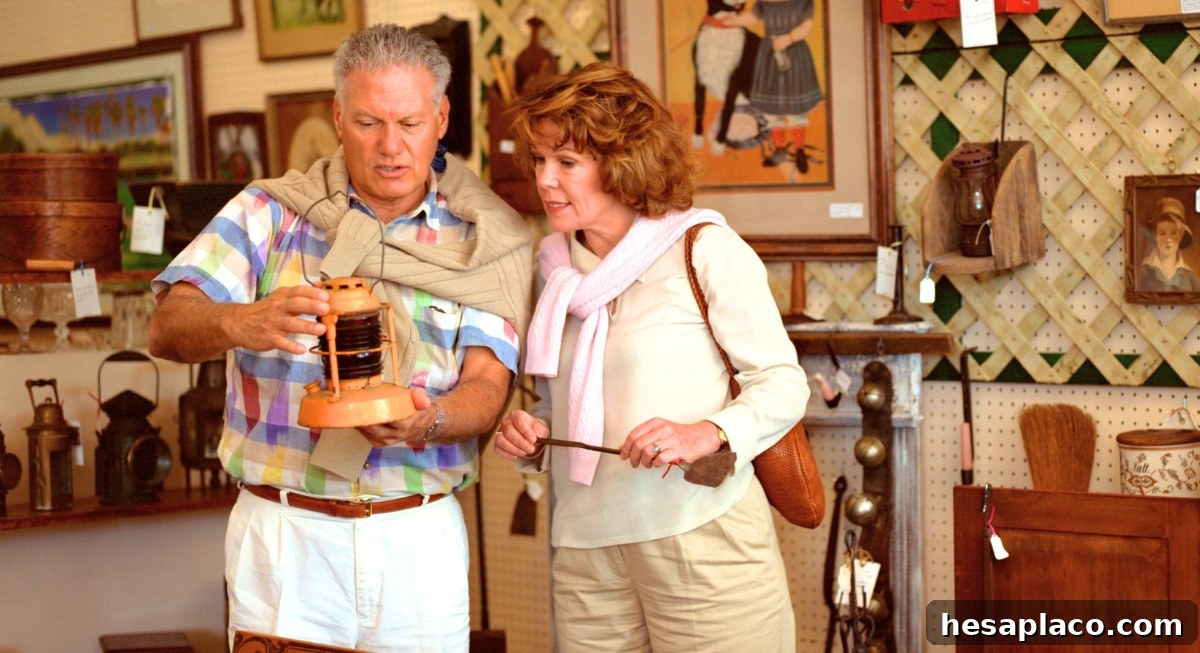
The antique market is attracting renewed attention and energy. Values are rising in several categories, a new generation of collectors is entering the field, and items that were overlooked a decade ago are now drawing interest. If you have a stash of old pieces and have wondered whether this is the moment to engage with the antiques world, the answer is increasingly yes. Below we outline the major trends reshaping the market and why they matter to collectors and sellers alike.
Auctions Are Now the Industry’s Centerpiece

Credit: Canva
Auction houses have become far more accessible and active. Where auctions were once local events, online bidding has opened them to national and international audiences. A buyer on the opposite side of the country can bid in real time against someone standing in the sale room. That broader participation means desirable pieces seldom remain inexpensive for long, and competition at auction is often the clearest indicator of current demand.
Younger Collectors Are Changing Tastes and Demand

Credit: pexels
The profile of buyers at shows and online platforms is shifting younger. These collectors are informed, value craftsmanship and provenance, and often prefer objects with a story or sustainable appeal. Their arrival is expanding demand for a wider range of categories and driving price growth in pieces that resonate with their tastes.
Porcelain and Tin Advertising Signs Are Gaining Value
Credit: pexels
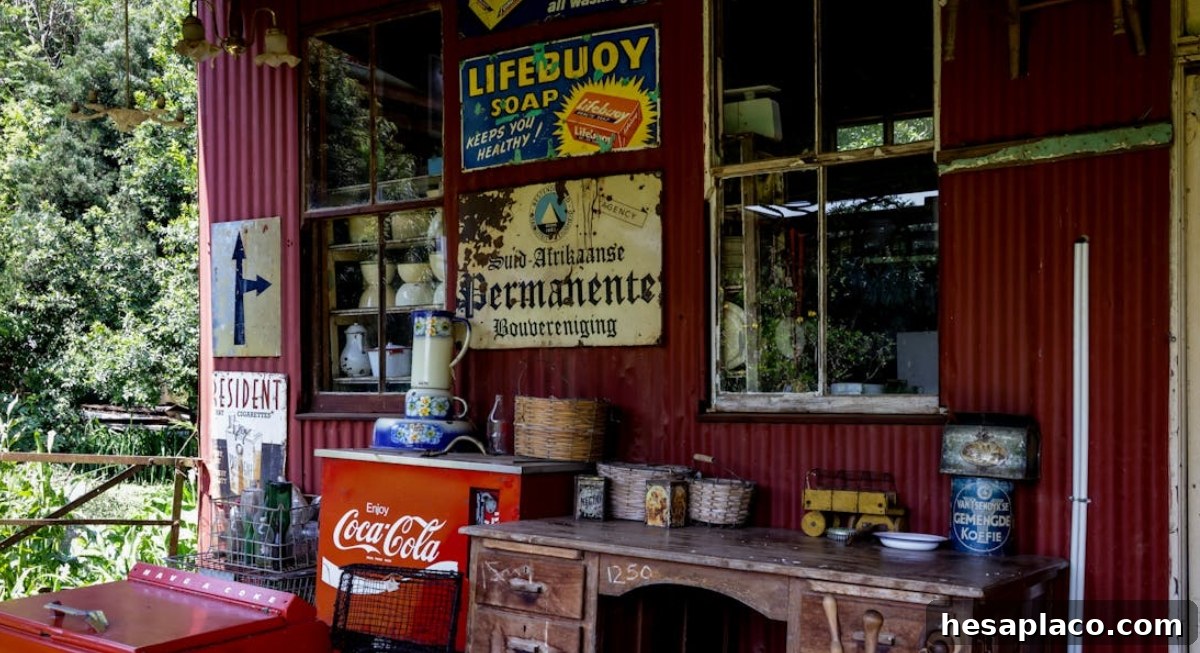
Advertising signs—especially porcelain and tin examples from regional or small-town businesses—are increasingly sought after. Rare signage from defunct local companies or regional oil brands can spark vigorous bidding. Auction records show wide price ranges, but scarcity and local nostalgia often push prices higher when competitive buyers are present.
Economic Pressure Is Pushing Buyers Toward Resale

Credit: Getty Images
Rising new-retail prices have steered many buyers to the resale market. Antique stores, consignment shops, and online secondary marketplaces are benefiting as shoppers seek more value for their money. Research and market surveys indicate buyers are paying closer attention to historical value and quality, selecting pieces that offer longevity and character over mass-produced alternatives.
Boxed Vintage Toys Command Premium Prices
Credit: Wikimedia Commons
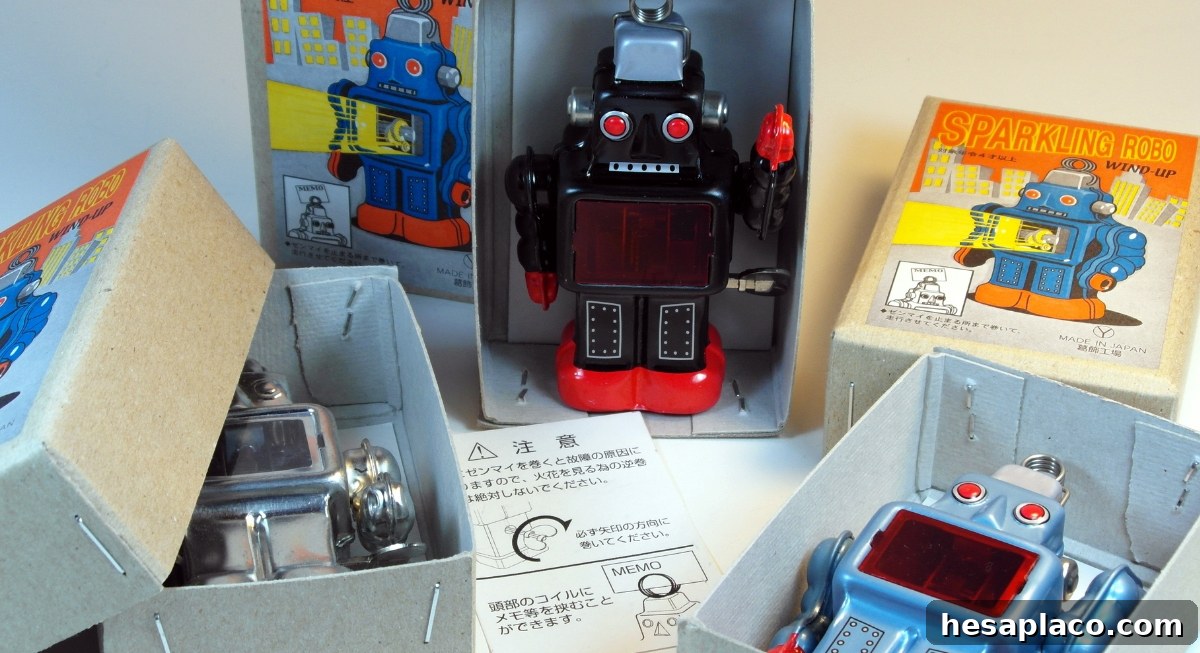
For vintage toy collectors, the original packaging frequently makes the difference in value. Loose toys can be interesting, but those preserved in their original boxes—complete with parts and documentation—often fetch substantial premiums at auction. As collectors who grew up with these items now have greater purchasing power, demand for well-preserved, boxed examples remains strong.
Niche and Commercial Objects Have Broader Appeal
Credit: Wikimedia Commons
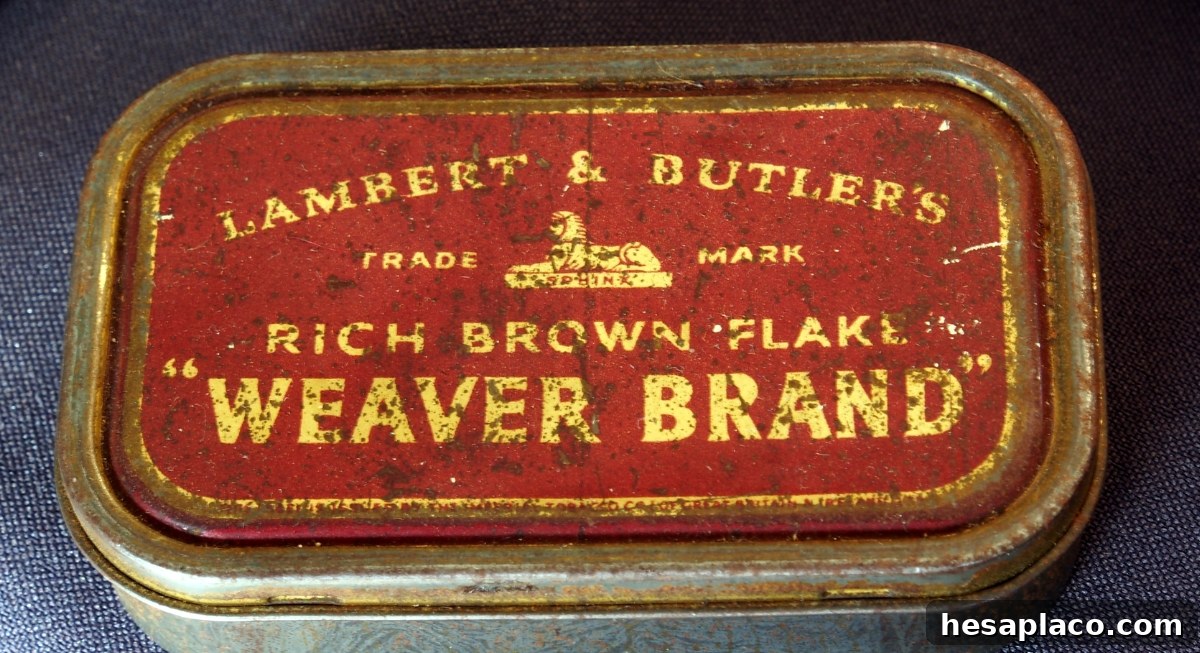
Items once traded mainly among dealers—like tobacco tins, countertop displays, and general store cabinets—are reaching new buyers. Restaurateurs, hoteliers, and boutique businesses often incorporate vintage commercial pieces into their interiors, creating additional demand streams. This crossover interest can elevate prices when nontraditional buyers compete with established collectors.
Mid-Century Modern Is Strong—but Selectively
Credit: Wikimedia Commons
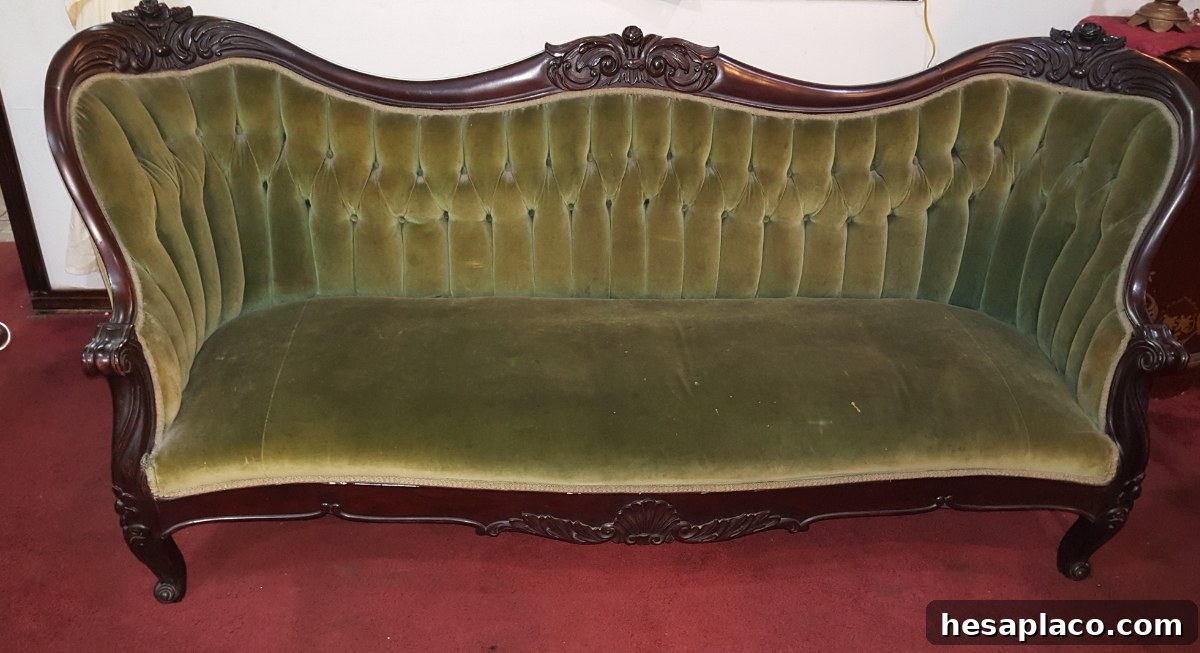
Mid-century modern retains its popularity, but the market has become more discerning. Pieces by recognized designers, accompanied by solid provenance and good condition, continue to command strong prices. Conversely, mass-produced or unattributed mid-century items are seeing softer demand, illustrating that maker, documentation, and condition now outweigh broad stylistic appeal alone.
Folk Art and One-Off Works Are Rising in Prominence
Credit: Wikimedia Commons
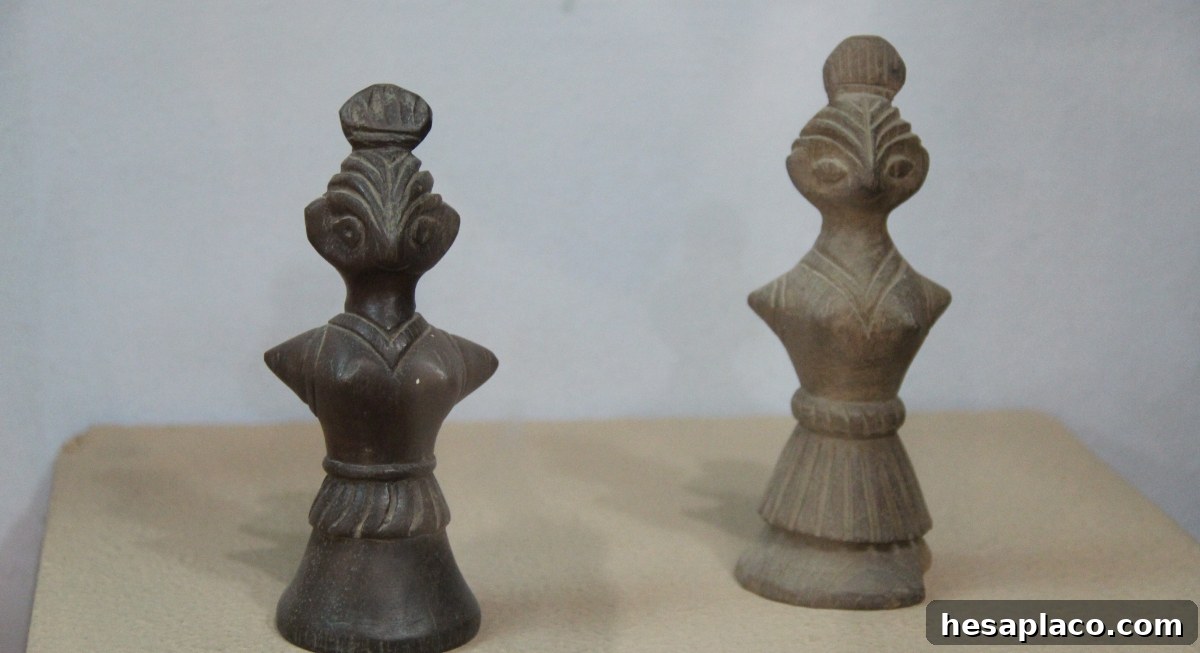
Self-taught art and unique folk pieces are attracting attention from collectors who appreciate distinctive, handmade objects. Social media plays a role in this visibility, allowing unusual or striking pieces to reach wide audiences quickly. Institutional interest and museum documentation of such works have also helped legitimize this category for a broader collector base.
Regional Historical Items Attract Motivated Bidders
Credit: pexels
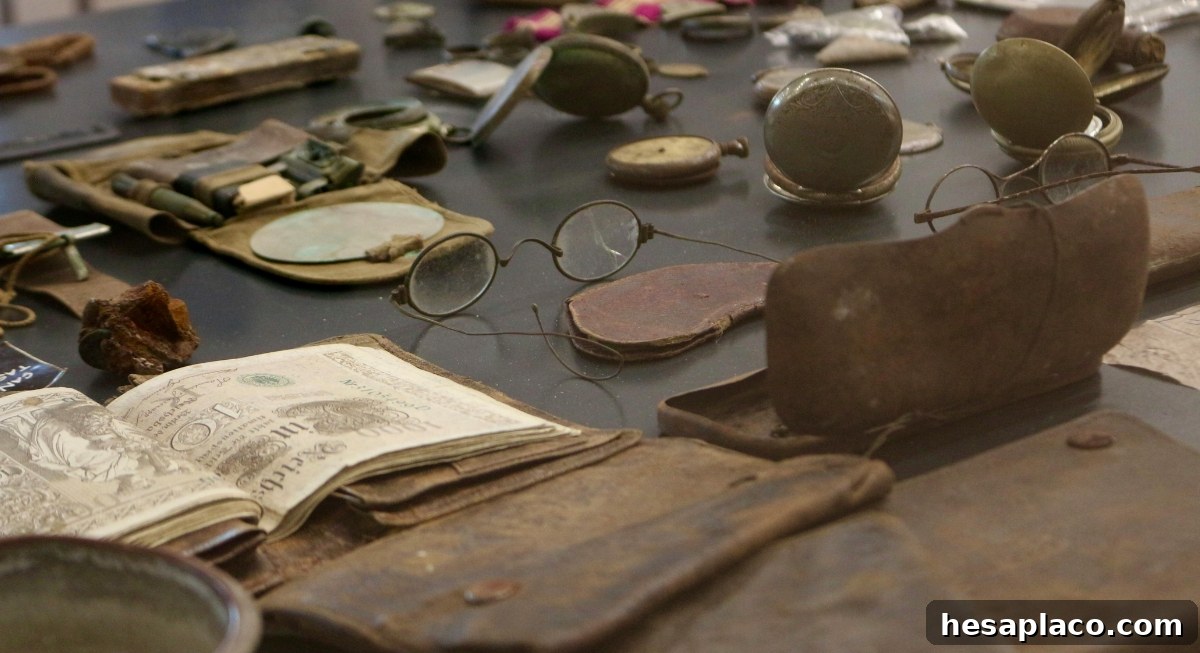
Local history items—such as signage from closed businesses, sports memorabilia from defunct teams, or ephemera tied to specific communities—can command passionate interest. Cities that have experienced industrial decline and later reinvestment often have collectors and institutions eager to preserve regional heritage. When multiple motivated buyers compete, these niche pieces can bring strong results.
Supply Is Shrinking While Interest Continues to Grow
Credit: Wikimedia Commons
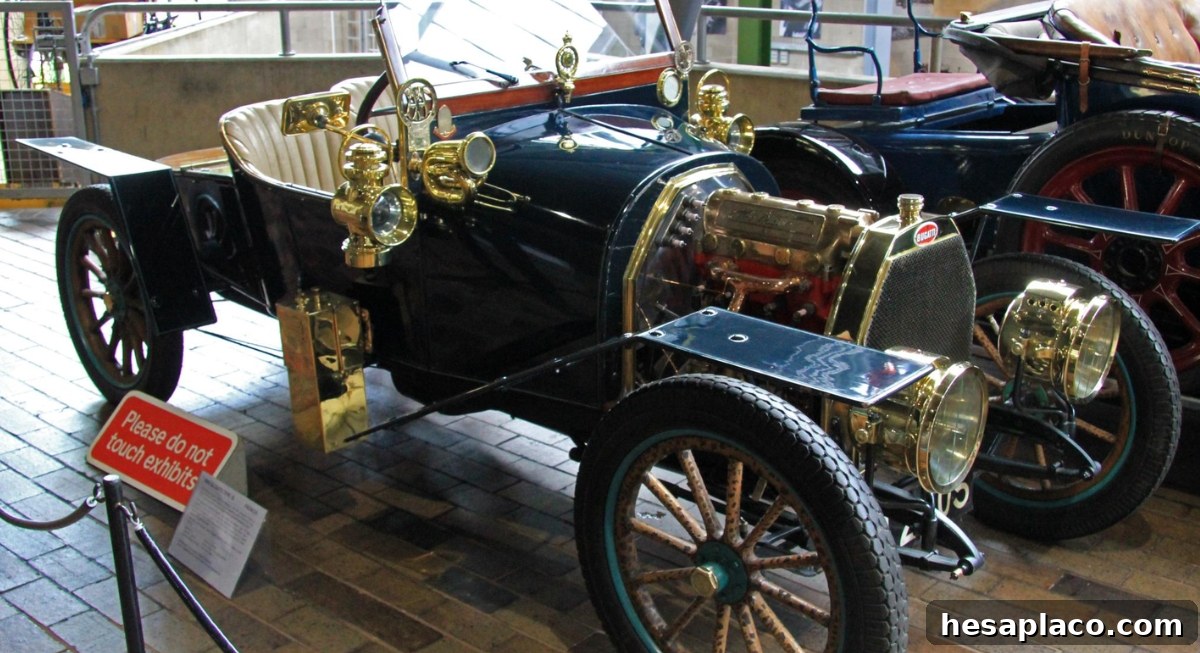
The number of genuinely surviving antiques naturally dwindles over time through institutional acquisitions, wear, and loss. At the same time, new collectors—particularly younger ones—are entering the market, expanding demand. That imbalance creates opportunity for sellers, though antiques remain less liquid than many other asset types and category values can shift. Treating a collection as worth attention and care is wise; treating it as a guaranteed investment requires caution and research.
Overall, the antiques landscape is evolving. Greater accessibility through auctions, shifting demographics of buyers, and new commercial uses for vintage items are all widening the market. For owners and potential sellers, staying informed about provenance, condition, and current buyer preferences will help maximize outcomes when you do decide to sell or exhibit pieces from your collection.