A work email may take only 30 seconds to write, but it can remain on record for years. Companies archive messages, and they can reappear during HR reviews or performance discussions. That is why precise wording matters more than most people realize. Clear, direct emails keep projects moving; vague or careless ones slow everyone down. Below are phrases that often make coworkers tense when they appear in an inbox—and how to avoid them.
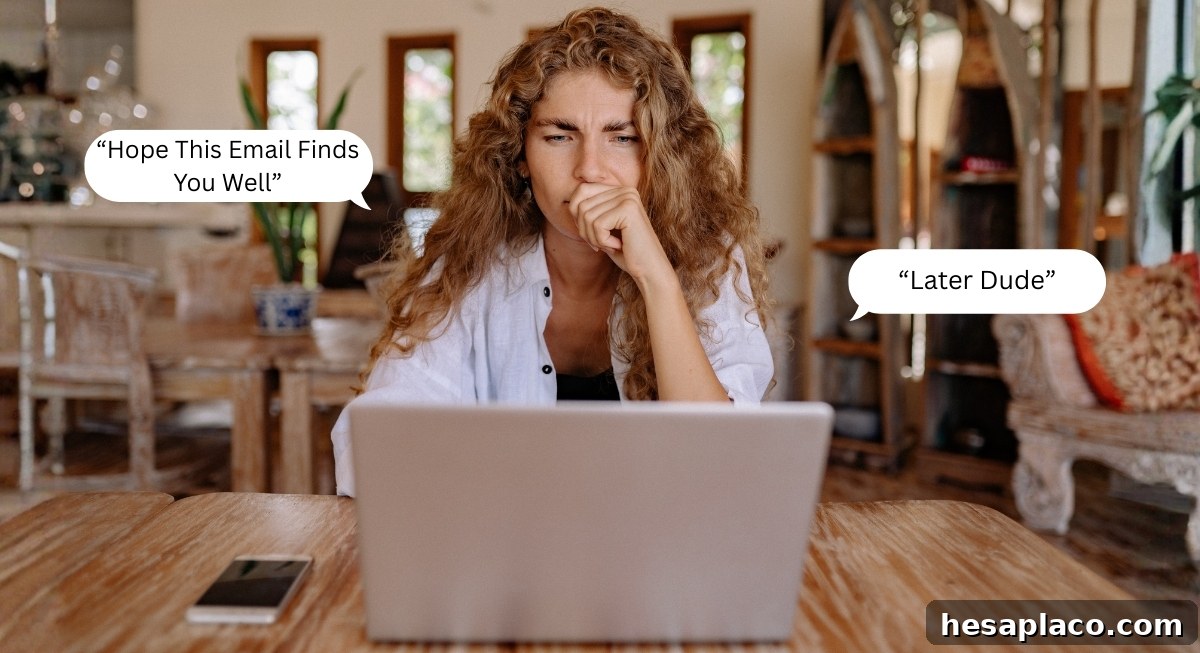
Hope This Email Finds You Well

Credit: Getty Images
People scan inboxes quickly, and generic openers are often skipped. When everyone uses the same polite phrase, it starts to feel automatic rather than thoughtful. Studies of workplace communication show messages get faster, more useful replies when you start by stating your purpose. Many teams now skip the small talk and move straight to the reason they are writing.
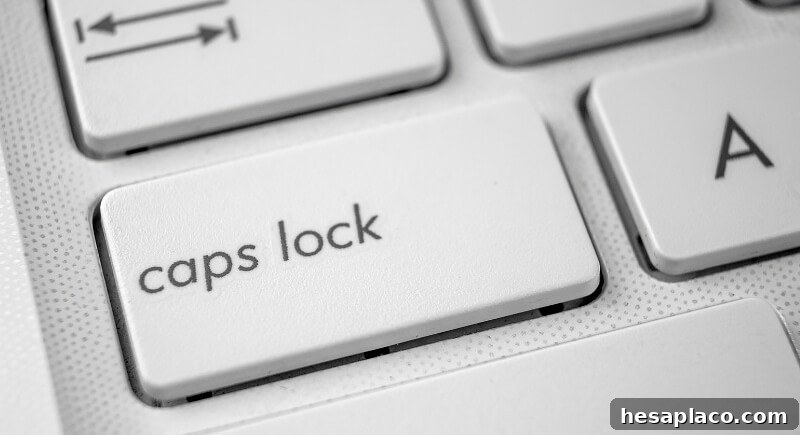
Anything In All Caps
Credit: Getty Images
Typing in all caps reads like shouting. Research on digital tone links uppercase text to perceived aggression, and heavy capitalization also slows reading. Some spam filters flag messages with excessive caps. In workplace etiquette, using caps is like bringing a megaphone into a meeting—unnecessary and distracting.
I Am So Mad

Credit: Getty Images
Angry emails seldom help. Once sent, they become part of the corporate record and can be referenced during disputes or reviews. Harsh language or insults tends to make the sender look impulsive rather than professional. If you feel angry, pause and step away before responding; a brief cooling-off period can prevent messages you might later regret.
I’d Like to Submit My Resume for Consideration

Credit: pexels
Using a company email account for job searches carries risks. Many employers monitor corporate accounts for security and compliance, and work email belongs to the company—so those messages are often archived long after departure. Career advisors recommend using a personal email address because losing access to a work account during resignation can cut off recruiter contact or freeze conversations.
Later Dude

Credit: pexels
Casual sign-offs can weaken your credibility. Many workplaces expect a professional tone in written communication, and global teams often prefer neutral English to avoid confusion. Slang or informal closings can be misread—without vocal cues, phrases meant to be friendly can come across as flippant or sarcastic.
Can You Just Make This Problem Go Away

Credit: Getty Images
Vague requests cause delays because recipients do not know what success looks like. Clear, specific tasks reduce mistakes and speed completion; ambiguous phrasing leads to follow-ups that multiply and waste time. Use direct instructions with measurable outcomes and deadlines so teams can act and avoid lengthy clarification threads.
You’re Fired

Credit: pexels
Delivering a termination notice by email can create legal and ethical problems. Employment best practices favor a face-to-face conversation or a live video call when possible. Cold termination emails can damage a company’s reputation and morale; employees who witness harsh dismissal methods may lose trust in leadership, increasing turnover and its associated costs.
Just Checking In

Credit: Canva
This seemingly harmless phrase often leaves recipients unsure what is needed. With crowded inboxes, vague follow-ups feel like noise. If you are waiting on something, state exactly what you need and include a clear deadline. Specific reminders get faster replies and avoid the long back-and-forth threads that waste time.
Please Advise
Credit: Getty Images
Many workers dislike this phrase because it sounds formal and distant. Communication research finds direct questions yield clearer, faster responses. Plain language helps international teams collaborate without misunderstanding. Framing a precise question or request improves the quality of replies and helps teams make decisions without unnecessary email back-and-forth.
Let’s Circle Back

Credit: Getty Images
Workers often find this phrase frustrating because it implies the issue will be revisited later—yet frequently nothing happens. Meeting overload reduces productivity, and research shows that scheduling concrete next steps improves accountability. Instead of a vague promise to “circle back,” propose a specific time, outcome, or calendar invite so decisions move forward rather than stall.