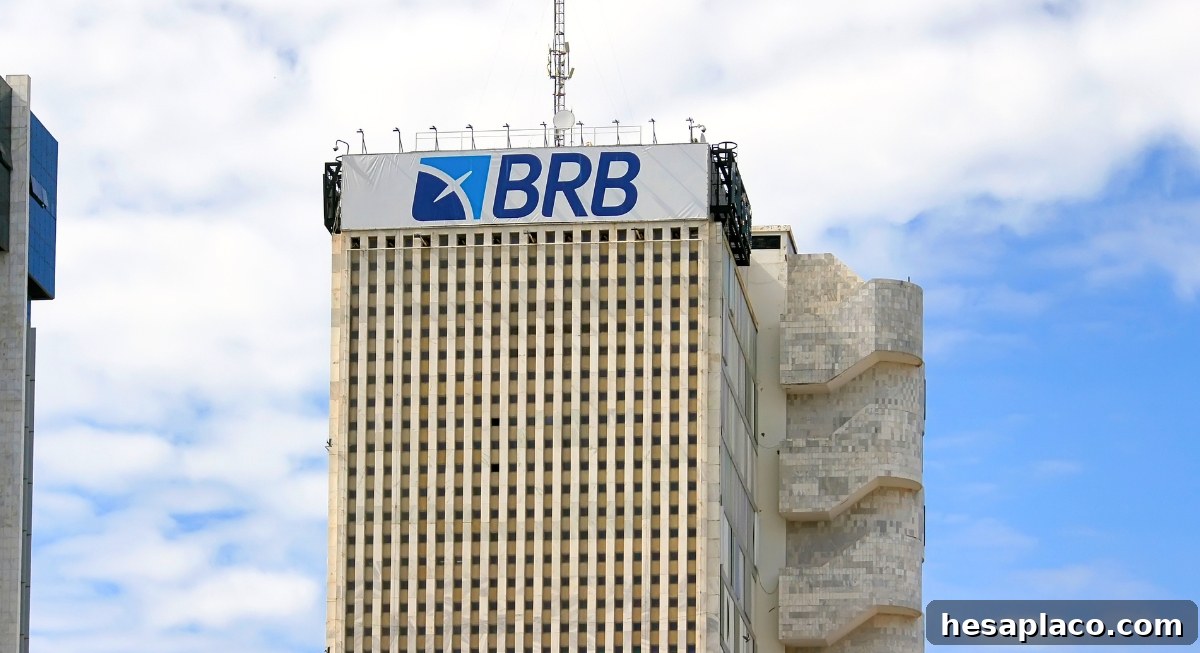
Brazil’s banking sector has focused intense scrutiny on Banco de Brasília (BRB) after a complex R$15 billion (about $2.9 billion) arrangement pulled the lender into the national spotlight. What started as a major restructuring and asset-transfer plan quickly became entangled with a struggling private bank, allegations of improper conduct, and heightened pressure from regulators and investors. Over recent weeks BRB has worked to stabilize its position while the broader financial market watches how the bank manages one of the year’s most significant banking episodes in Brazil.
The Fund Designed to Contain the Problem
Credit: Wikimedia Commons
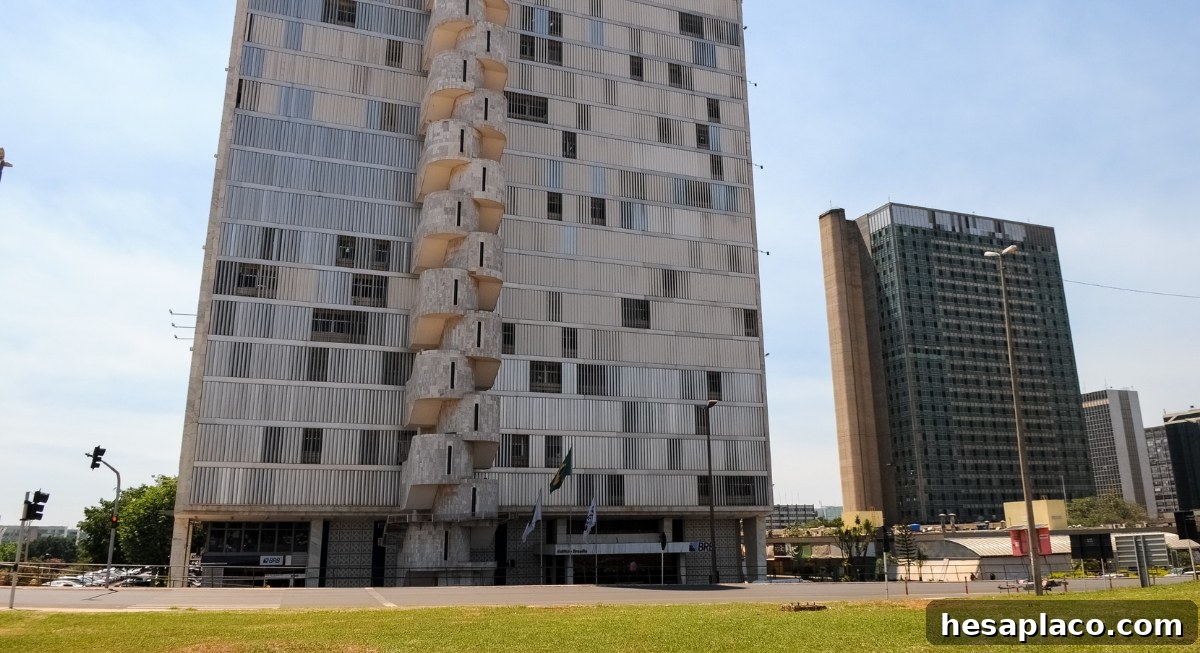
BRB and private equity firm Quadra Capital signed a memorandum of understanding to establish an investment vehicle that would hold assets related to transactions involving Banco Master. The portfolio carried a reference value near R$15 billion. Rather than leaving those assets on BRB’s balance sheet, the structure transferred them into a separate fund intended to manage, recover and monetize the holdings over time, isolating risk from the bank’s core operations.
A Cash Injection with Conditions

Credit: Getty Images
The proposed transaction included a significant immediate cash component that quickly drew analyst attention. BRB expected between R$3 billion and R$4 billion in direct payments up front, with the remaining value converted into subordinated instruments tied to the new fund. That arrangement gave Quadra a stake in the long-term recovery of the assets rather than offering a straightforward purchase, aligning incentives but also introducing execution risk tied to future recovery efforts.
Arrests Changed the Tone

Credit: pexels
The narrative shifted markedly when federal authorities arrested former BRB chief executive Paulo Henrique Costa. Investigators accused him of negotiating R$146 million in illicit payments tied to Banco Master-related transactions. The arrest came days before BRB was due to finalize significant internal restructuring plans, adding legal and reputational complexity to an already fragile process.
Banco Master’s Collapse Left Substantial Exposure

Credit: Facebook
Banco Master had already become a stress point for Brazil’s financial system before BRB became entangled. In late 2025 the central bank ordered Banco Master’s liquidation after uncovering severe regulatory breaches and financial instability, along with probes into allegedly fraudulent credit securities. That collapse created a tangle of disputed claims and impaired instruments that affected multiple counterparties.
Shareholders Approved Capital Support

Credit: Getty Images
Shortly after the Quadra memorandum surfaced, BRB’s shareholders approved a capital increase of up to R$8.8 billion. The infusion aimed to shore up the bank’s balance sheet and bolster liquidity while it managed exposures related to Banco Master. Market participants viewed the move as an attempt to reinforce confidence and provide a buffer against further shocks.
Quadra Capital Took on Material Risk

Credit: Canva
Quadra Capital emerged as a central player by agreeing to help form and manage the investment vehicle that would absorb troubled assets. Generally, firms are cautious about assuming portfolios subject to regulatory scrutiny and valuation uncertainty; Quadra’s willingness to proceed signaled a belief that there remains recoverable value in the underlying claims, while also exposing the firm to reputational and financial risk if recoveries disappoint.
Pension Fund Exposure Complicated the Fallout

Credit: Canva
The consequences of Banco Master’s collapse extended beyond banks and regulators. Rio de Janeiro’s pension fund Rioprevidencia reportedly held about R$970 million in Banco Master securities prior to the liquidation; subsequent court rulings and recovery efforts have sought to safeguard repayment to those investors. The involvement of a public pension vehicle heightened political sensitivity and increased scrutiny of recovery actions.
The Central Bank Reacted Promptly
Credit: Wikimedia Commons
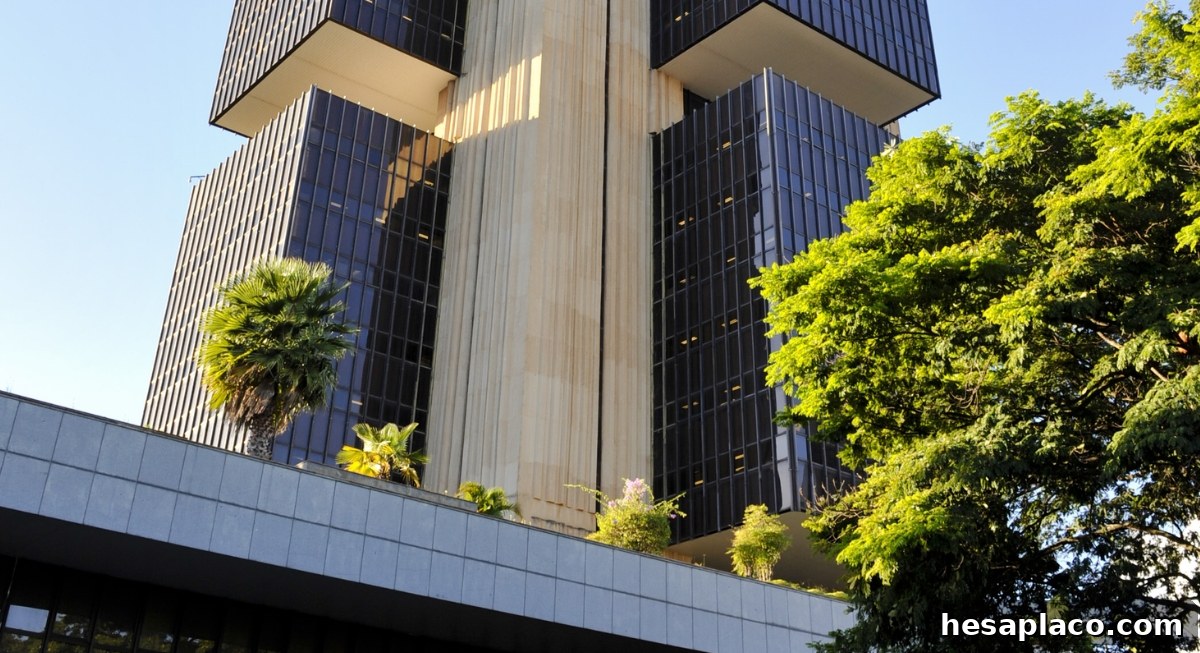
Brazil’s central bank acted swiftly, moving to suspend Banco Master’s operations and order liquidation after determining the institution posed systemic risk and failed to comply with regulatory requirements. Officials also suspended senior executives linked to the bank. The rapid intervention underscored regulators’ determination to limit contagion and protect the stability of the financial system.
BRB Sought a Public Reset
Credit: Wikimedia Commons
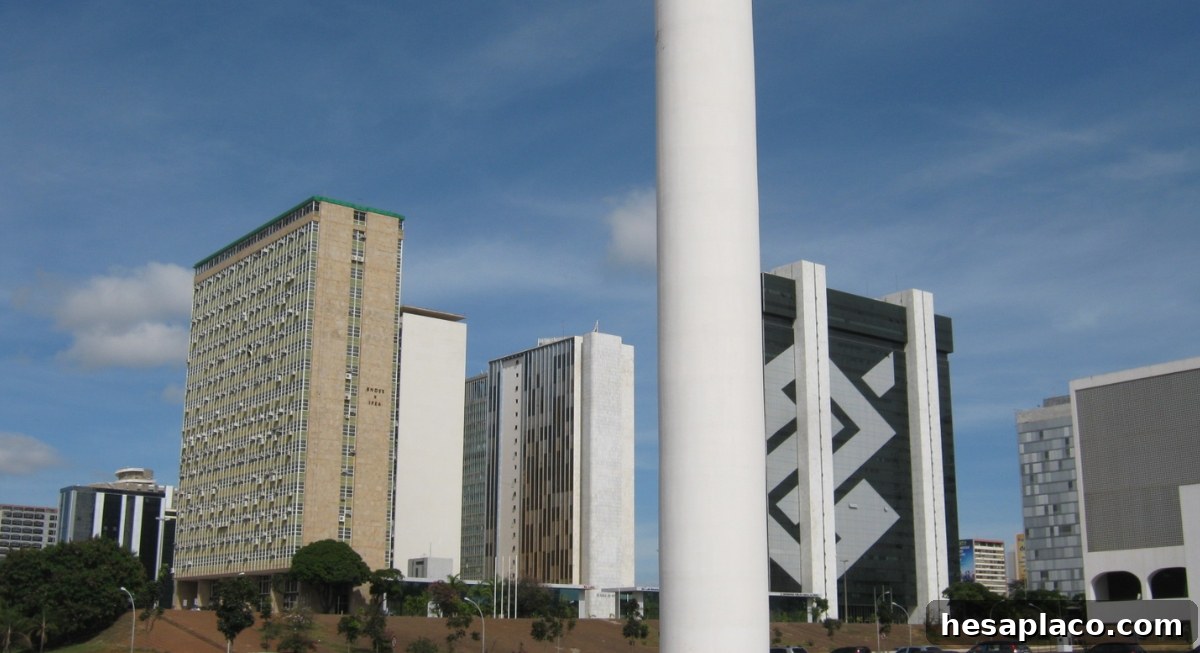
Beyond stabilizing capital metrics, the investment-fund plan aimed to restore public and investor confidence. By moving the disputed assets into a dedicated vehicle, BRB’s management could present a clearer balance-sheet story to shareholders, clients and regulators while focusing the bank’s core operations on regular banking activities rather than on contested legacy claims.
The Deal Depends on Conditions and Outcomes

Credit: Canva
From the start the agreement between BRB and Quadra Capital was framed as conditional rather than final. Completion hinges on terms set out in the memorandum, regulatory approvals and the outcome of ongoing investigations tied to the underlying assets. Analysts and market observers continue to monitor developments closely: in complex banking arrangements of this size, legal inquiries and valuation uncertainties often reshape proposed rescue plans before they reach conclusion.