
At 60, having room—both physical and mental—matters. You don’t have to embrace strict minimalism, but asking yourself “Is this still useful to me?” can help free up space and reduce stress. Below are items worth rethinking; decluttering them can make daily life easier, safer, and more enjoyable.
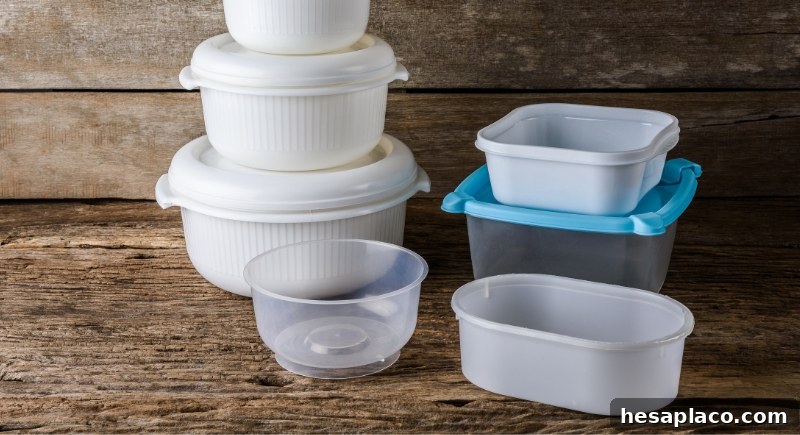
Old Tupperware With Missing Lids
Credit: Getty Images
We’ve all got that drawer of mismatched plastic containers—stained, warped, and missing lids. They take up space and rarely perform well. Recycle the damaged or lidless pieces and keep a small set of durable glass containers with tight-fitting lids. They’re safer, longer-lasting, and make storage simpler.
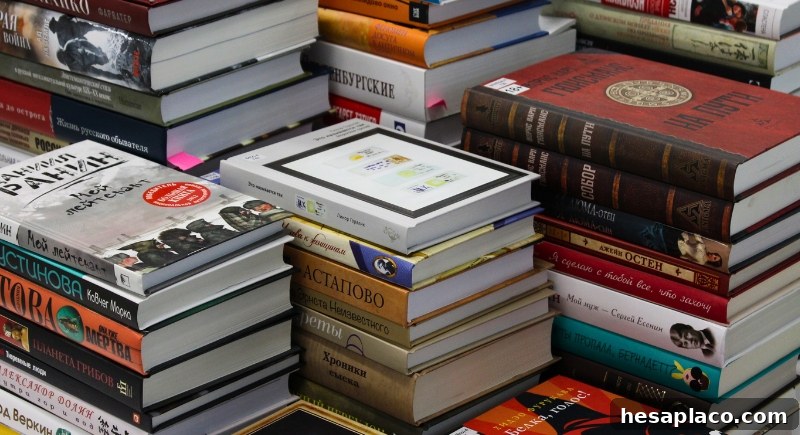
Books You’ll Never Read Again
Credit: pixabay
It’s fine to keep books that hold meaning, but many volumes just collect dust. If a book hasn’t been touched in years and you don’t foresee rereading it, consider donating or gifting it. Libraries, shelters, and second-hand shops appreciate quality reads and someone else may enjoy them.
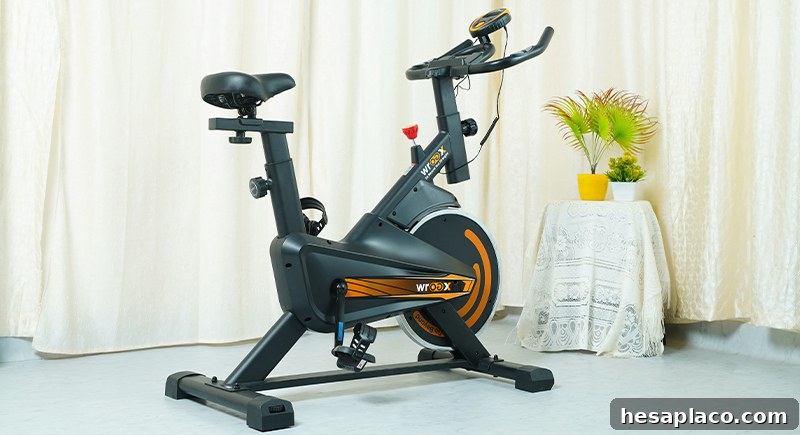
That Old Stationary Bike
Credit: unsplash
If the bike has become a clothes rack and hasn’t been used in years, it’s not serving its purpose. Sell, donate, or trade it for equipment or experiences you’ll actually use—group walks, a paddle for pickleball, or something else that keeps you active and social.
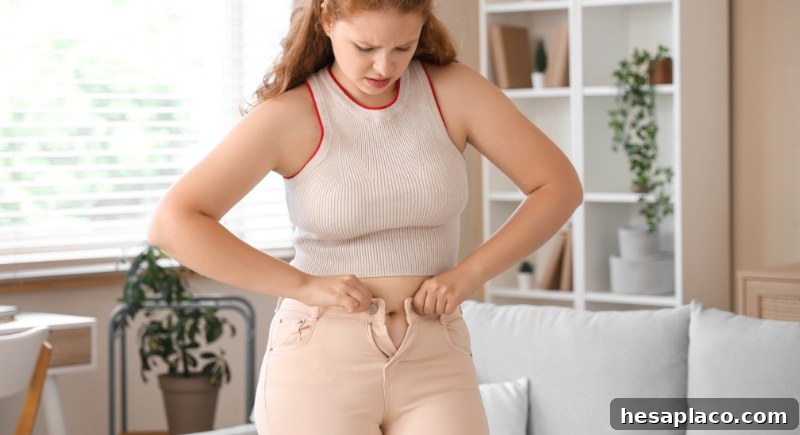
Clothes That Don’t Fit
Credit: pixelshot
Keep clothing that fits and feels good now, not items you’re saving for a different era. If a piece sits unworn because it no longer suits your lifestyle or size, donate it. Freeing space makes choosing outfits easier and reduces the guilt of unworn garments.
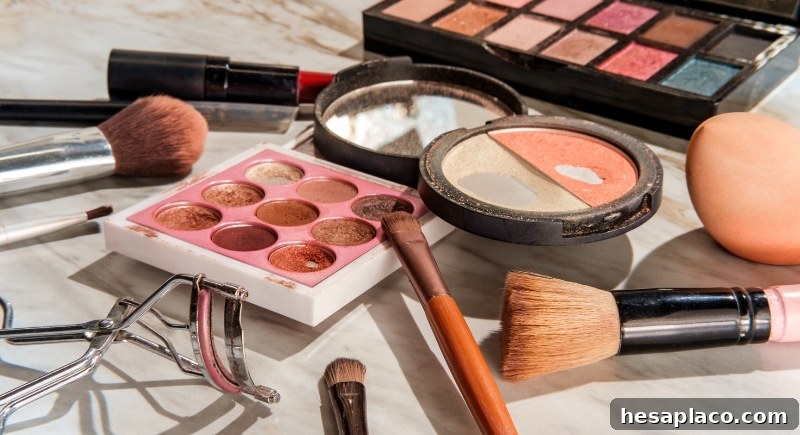
Old Makeup and Toiletries
Credit: Getty Images
Expired cosmetics and old skincare can irritate skin or cause infections. Toss mascara and liquid products past their safe dates and recycle empty containers. Replace essentials with a small, effective set of products that work for your skin now.
Instruction Manuals for Appliances You Don’t Own
Credit: Getty Images
Manuals from devices you sold or replaced years ago often end up in filing cabinets needlessly. Most instructions are available online now; keep only current manuals or scan the important ones and recycle the paper copies.
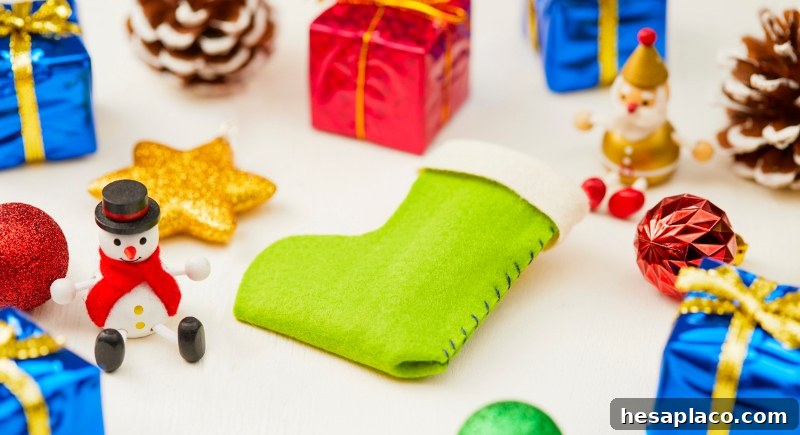
Holiday Decorations You Haven’t Used in Years
Credit: Canva
If you no longer put up an elaborate tree or go all-out with roof lights, it’s okay to let go of oversized or broken decorations. Donate usable items and recycle or discard broken strands and tinsel. Keeping only what you actually use saves attic and basement space.
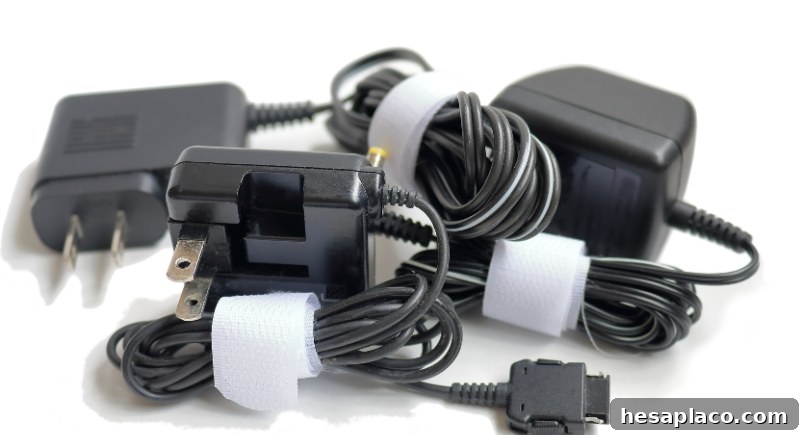
Outdated Tech Cables and Chargers
Credit: Getty Images
Old chargers and cables for devices you no longer own pile up fast. Keep only the cables you actually use—USB-C, Lightning, and maybe one HDMI—and recycle or dispose of others. A tidy drawer makes finding the right charger faster and less frustrating.
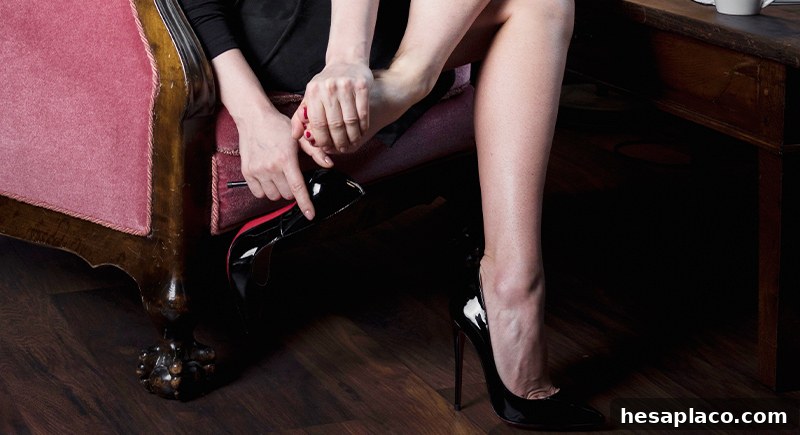
High Heels That Kill Your Feet
Credit: freepik
If high heels cause pain or limit activities, consider passing them on. Comfortable, supportive shoes are a better investment in long-term mobility and comfort. Keep a few dressier pairs you can actually wear without discomfort.
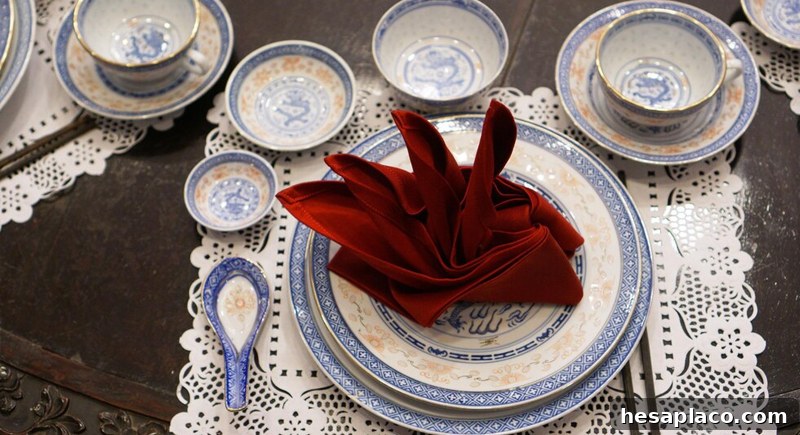
Wedding China You Never Use
Credit: freepik
Heirloom or formal china can be beautiful, but if it never sees the table, consider gifting it to someone who will use it or donating it to a charity sale. Let it live a fuller life rather than gathering dust in a box.
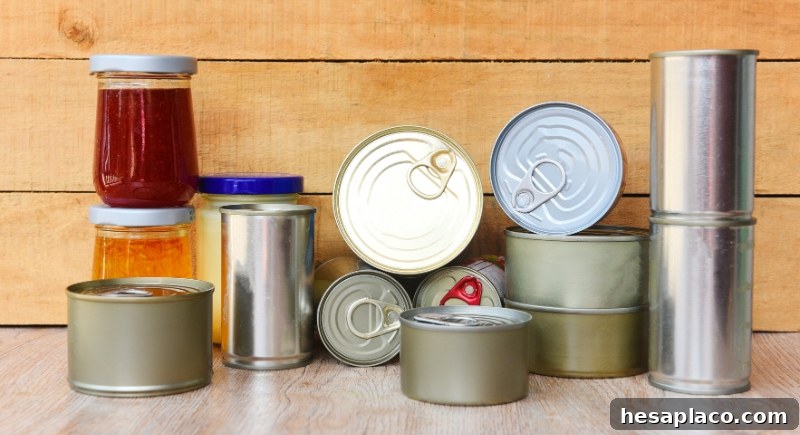
Expired Pantry Items
Credit: Canva
Check expiration dates and toss anything that’s past its prime. Old canned goods, condiments, and obscure specialty items tend to hang around, but expired food can be unsafe or simply unappetizing. Regularly clearing the pantry cuts waste and creates space for items you’ll actually eat.
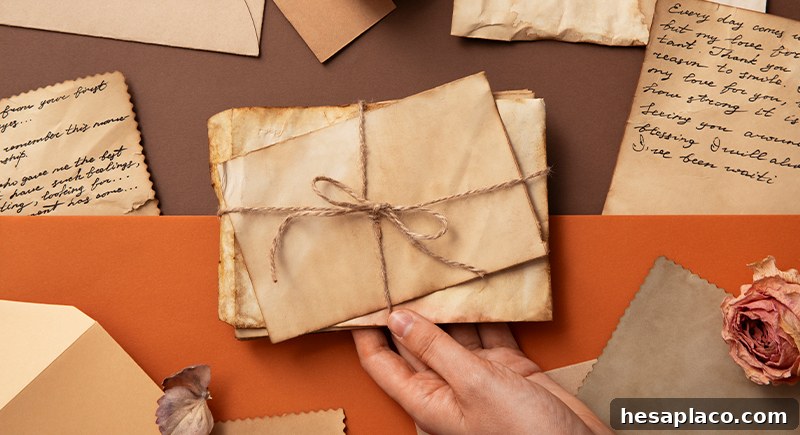
Greeting Cards From 30 Years Ago
Credit: freepik
Hold onto the cards that truly matter—handwritten notes, meaningful messages, and mementos. Most generic cards lose their emotional impact over time and can be recycled. Consider scanning sentimental messages before letting go if you want a digital keepsake.
Furniture You’re Always Avoiding
Credit: Getty Images
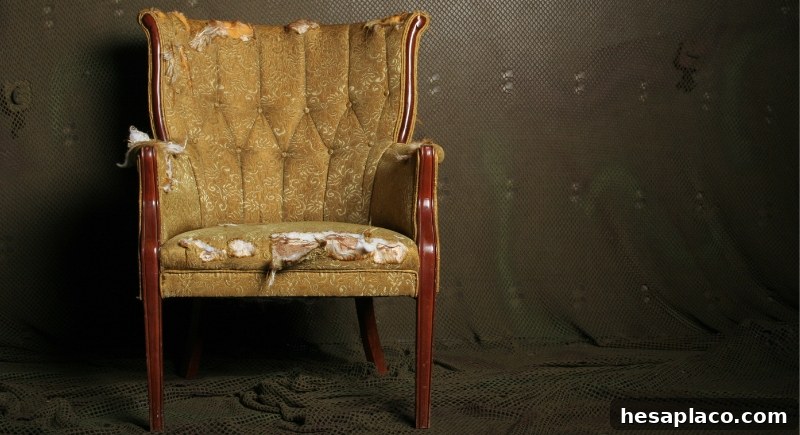
Any piece of furniture that no one uses or that makes a space awkward should be reassessed. If a loveseat is always empty or a table is perpetually wobbly, consider replacing it with something comfortable and functional or removing it to open up the room.
Ancient Cookbooks
Credit: Getty Images
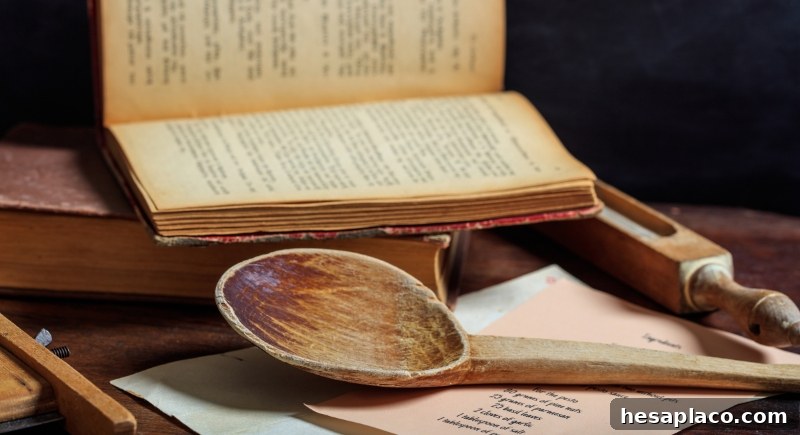
With nearly limitless recipes online, many older cookbooks sit unused. Keep a few favorites or those with sentimental value, and consider transferring go-to recipes to a binder or digital file. That keeps the kitchen tidy and your most-used recipes easy to find.
Souvenirs That Don’t Spark Anything
Credit: pexels
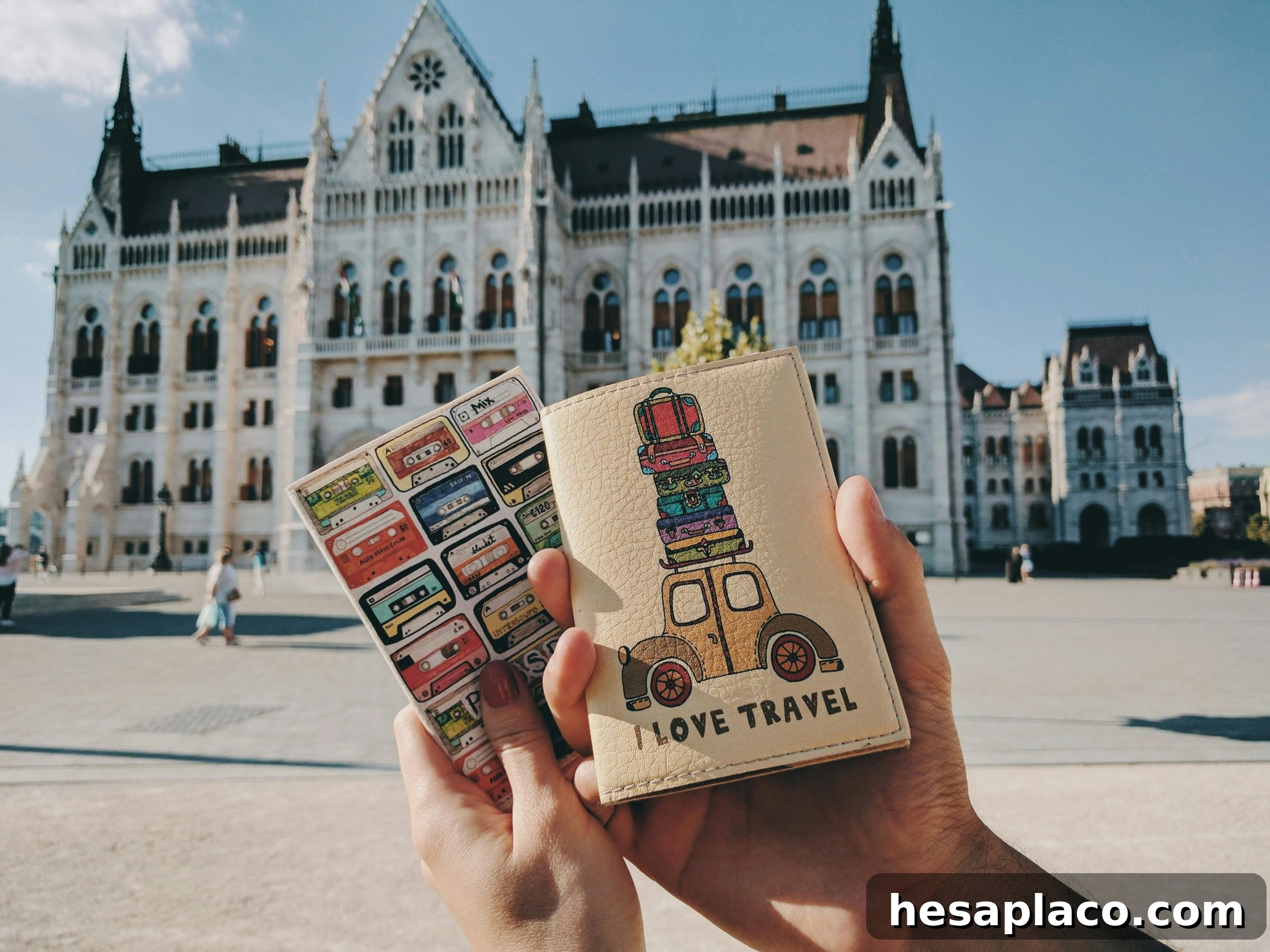
Keep the souvenirs that genuinely bring joy or meaningful memories. The rest—tiny trinkets, chipped mugs, or lonely fridge magnets that don’t make you smile—are just clutter. Letting them go frees shelf space and keeps your home filled only with objects that matter.
Fitness DVDs and VHS Tapes
Credit: pexels
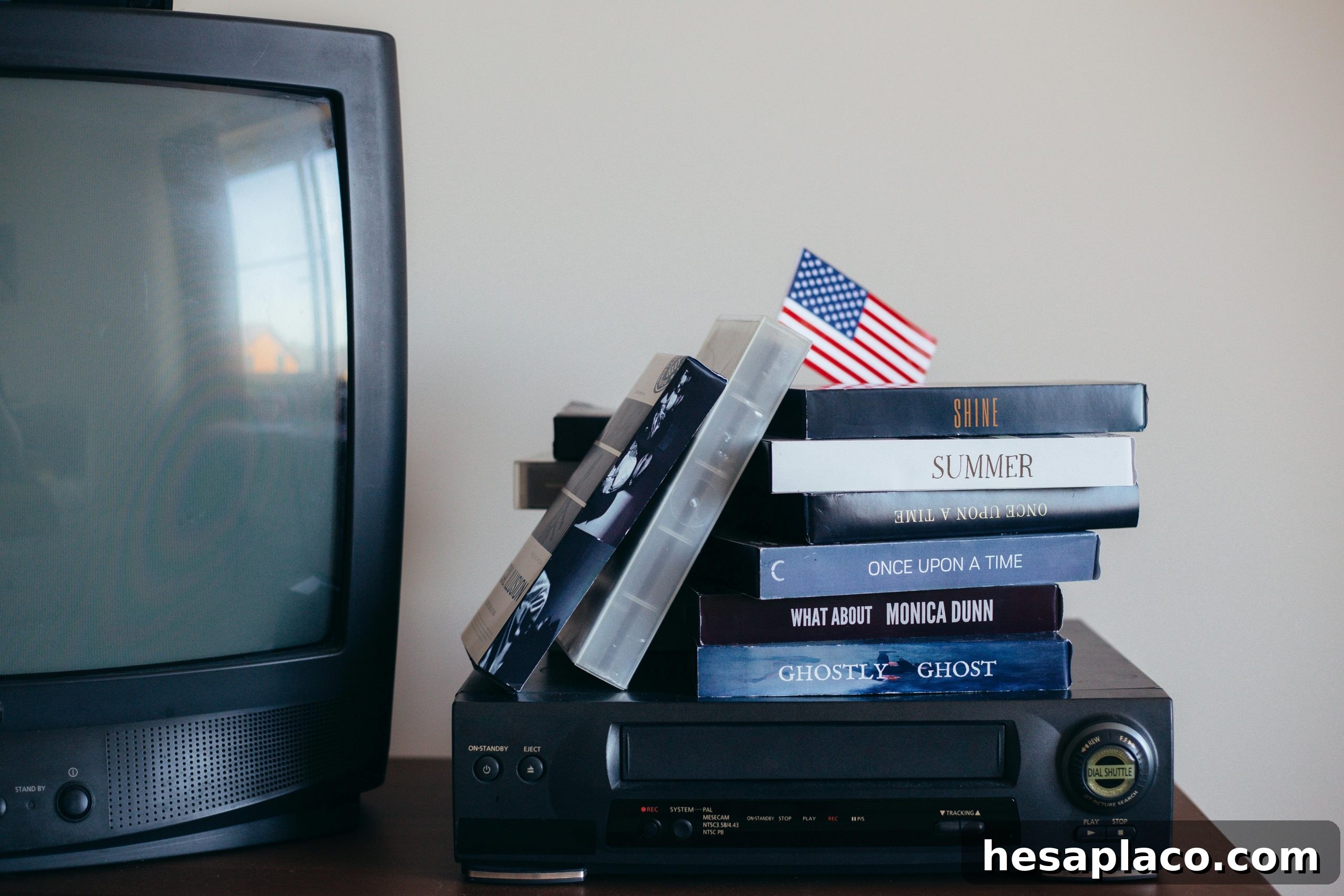
Most fitness content is now available online or through streaming services, so workout DVDs and VHS tapes are usually redundant. If you don’t have the player or never use them, donate or recycle these items so they stop taking up shelf or closet space.
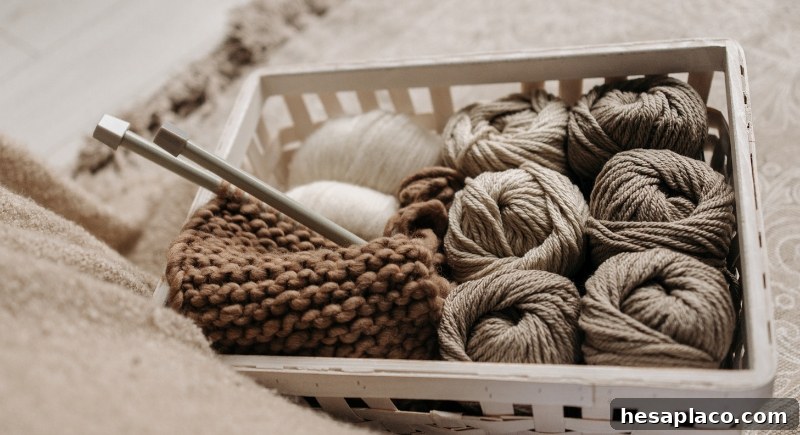
The “Someday” Craft Supplies
Credit: pexels
Supplies for hobbies you never started can become a source of guilt. If yarn, beads, or specialty tools have been untouched for years, consider passing them on to someone who will use them. Let hobbies be sources of joy, not future obligations.
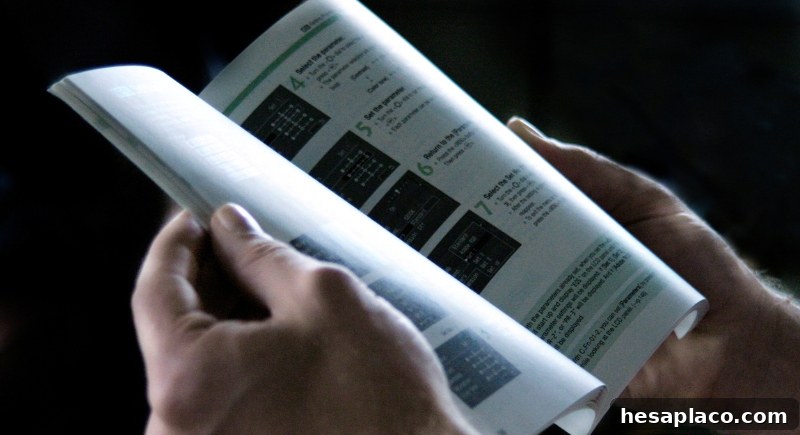
Manuals for Tech You No Longer Own
Credit: Getty Images
Instruction booklets for phones, cameras, and other electronics you no longer own often accumulate in drawers. Since most manuals can be retrieved online, recycling these old papers reduces clutter and makes it easier to find the documents you actually need.
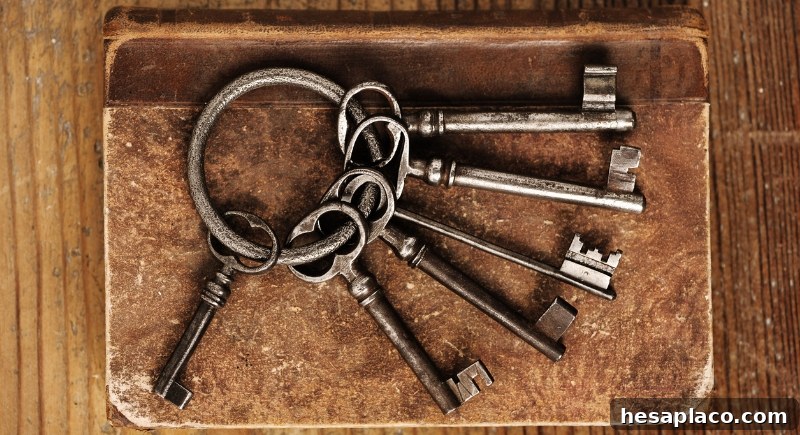
Old House Keys to Unknown Locks
Credit: Getty Images
Stray keys for houses, rentals, or lockers you can’t remember add confusion more than convenience. If a key’s purpose is unknown, it’s usually safe to let it go. A simplified keyring is easier to manage and less likely to create stress when you’re in a hurry.
Decluttering at any age can feel liberating. Focus on keeping what supports your current lifestyle, health, and happiness. Small, steady steps—donating, recycling, or gifting items—can transform your home into a calmer, more practical space that reflects who you are now.