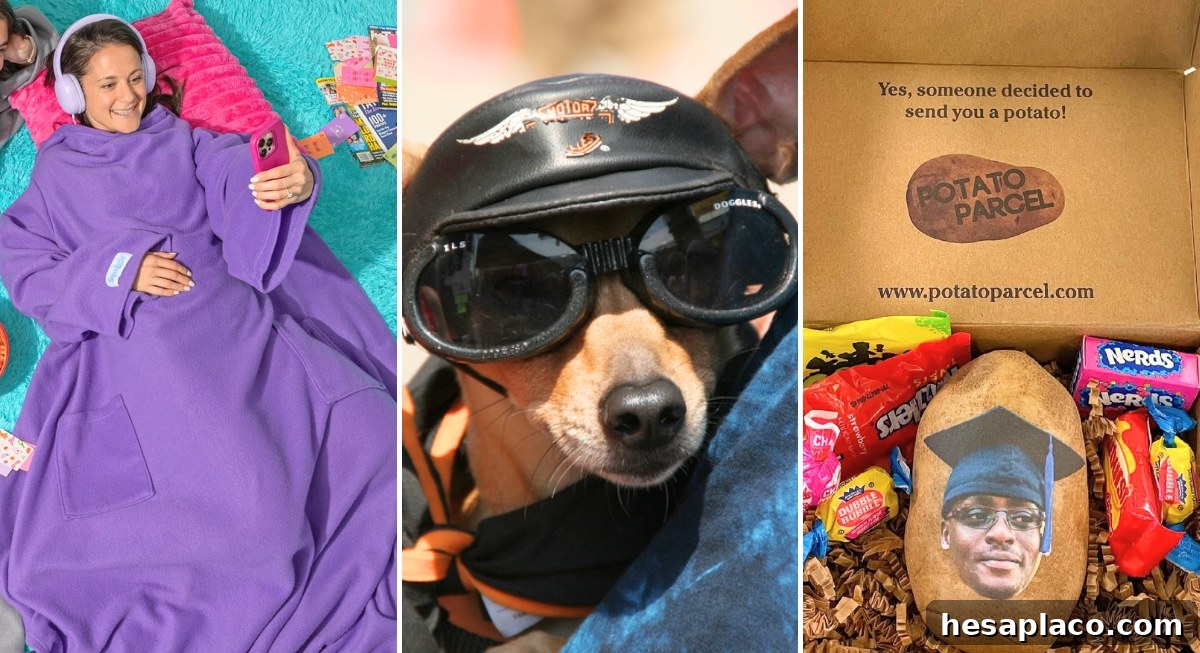
Most people assume successful businesses begin with meticulous planning and thoroughly researched concepts. Yet many fortunes grew from ideas that initially sounded absurd. Entrepreneurs have profited from selling pet rocks, mailing glitter to annoy foes, shipping potatoes with messages, and turning novelty pranks into lasting brands. These unusual success stories demonstrate that with the right timing, marketing, and a clear audience, even the strangest notion can become a profitable business.
The Pet Rock
Credit: ebay
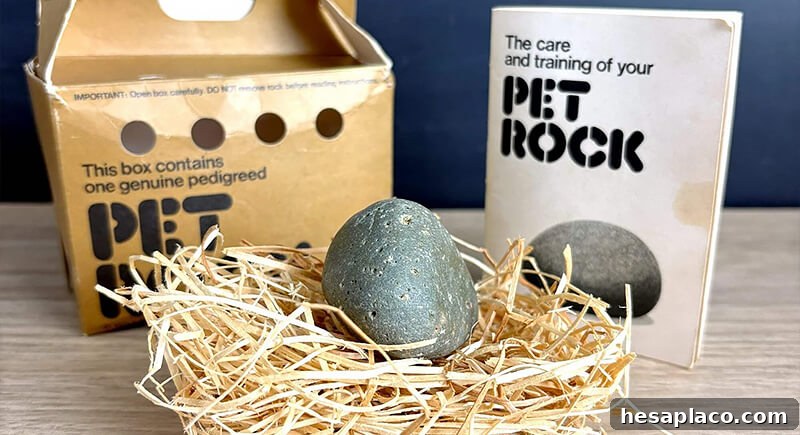
Gary Dahl conceived the Pet Rock after hearing friends grumble about the time and expense of owning traditional pets. He marketed an ordinary stone as the perfect low-maintenance companion: no feeding, no walking, no grooming. Each rock was packaged in a small cardboard crate with breathing holes and accompanied by a humorous training manual. The fad peaked in the 1970s and lasted only a few months, but it turned Dahl into a multi-millionaire. He sold more than 1.5 million units at about $3.95 apiece, proving novelty and clever packaging can be a powerful combination.
I Want to Draw a Cat for You
Credit: Youtube
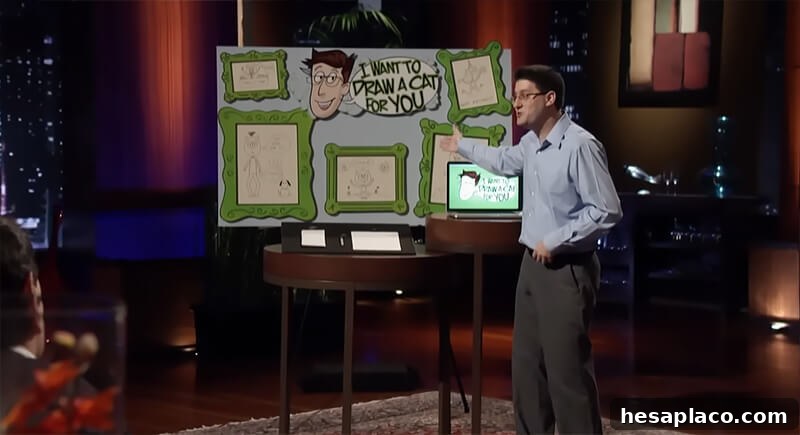
Steve Gadlin pitched a charmingly simple service on Shark Tank: he would draw a personalized cat portrait based on each customer’s description. The concept was inexpensive, shareable, and ideal for viral spread on social media. Investor Mark Cuban recognized its appeal and put up $25,000. Gadlin eventually drew more than 18,000 cats—depicting everything from cats playing instruments to cats floating through space—and generated over $200,000 in revenue. The project shows how personality and humor can turn a tiny, low-overhead idea into a reliable earner.
Ship Your Enemies Glitter
Credit: Getty Images
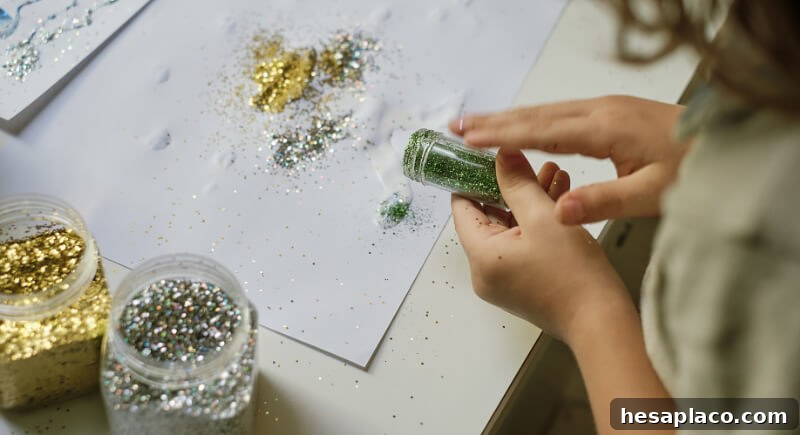
Mathew Carpenter built a website that offered to mail an anonymous envelope filled with glitter to anyone you wanted to prank. The idea resonated immediately, going viral and crashing the site due to overwhelming demand. Within a few days Carpenter sold the business for $85,000 after processing thousands of orders. The buyer continued to profit from the public’s appetite for harmless mischief, showing that even small inconveniences—packaged cleverly—can be big business online.
The Million Dollar Homepage
Credit: Wikipedia
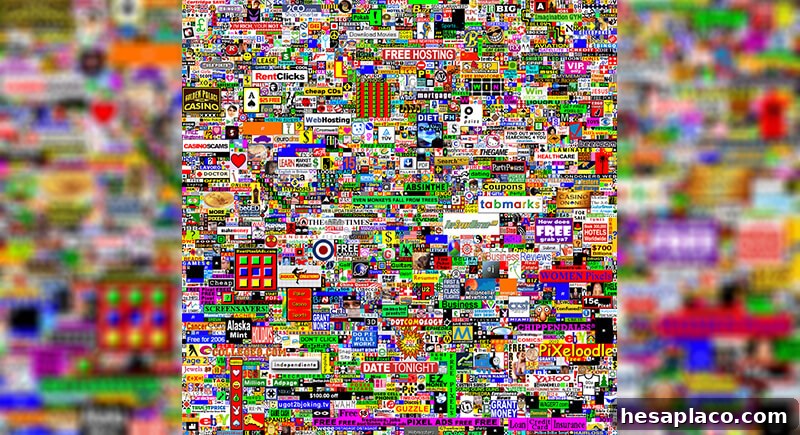
Alex Tew needed cash to pay for university, so he launched a website that was nothing more than a single 1000×1000 pixel grid. He sold each pixel block for $1 to advertisers who wanted their permanent spot on the page. The concept captured the imagination of the 2005 internet and became a quirky digital time capsule. As the remaining pixels became scarce, businesses rushed to buy space. By the time the last pixels were auctioned, Tew had earned just over $1 million from his straightforward idea.
Doggles
Credit: Wikipedia
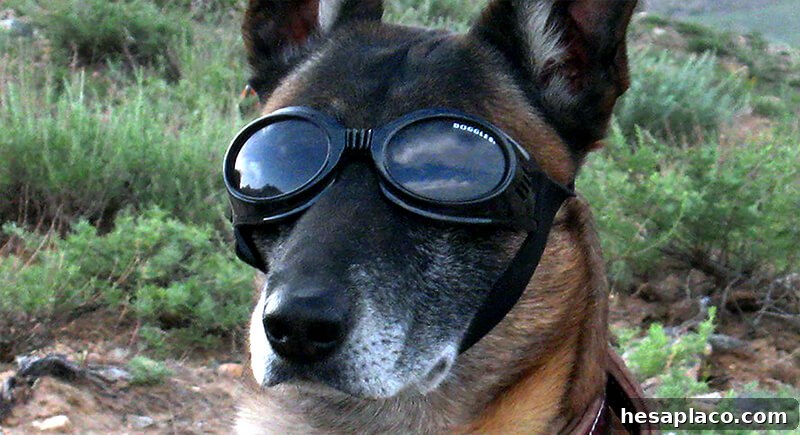
Roni Di Lullo noticed her border collie squinting against bright sunlight during motorcycle rides and created a pair of goggles tailored to a dog’s facial shape. What started as a pet novelty addressed a real need and grew into a broader market. The product eventually found serious applications: Doggles were adopted by the U.S. military for working dogs operating in desert environments. Today they are sold in pet stores globally and generate substantial annual revenue, demonstrating how practical design can turn novelty into necessity.
Potato Parcel

Credit: Facebook
Sending a handwritten note on a raw potato sounds absurd, but founders Alex Craig and later owner Riad Bekhit turned that silliness into a viral novelty called Potato Parcel. By showcasing the humor of receiving a spud in the mail on social media, the company captured widespread attention and sales. The business even appeared on Shark Tank and secured a deal with Kevin O’Leary. At its peak, Potato Parcel sold thousands of potatoes each month and surpassed $1 million in revenue, proving that a simple, well-promoted gag can be monetized effectively.
Santa Mail
Credit: pexels
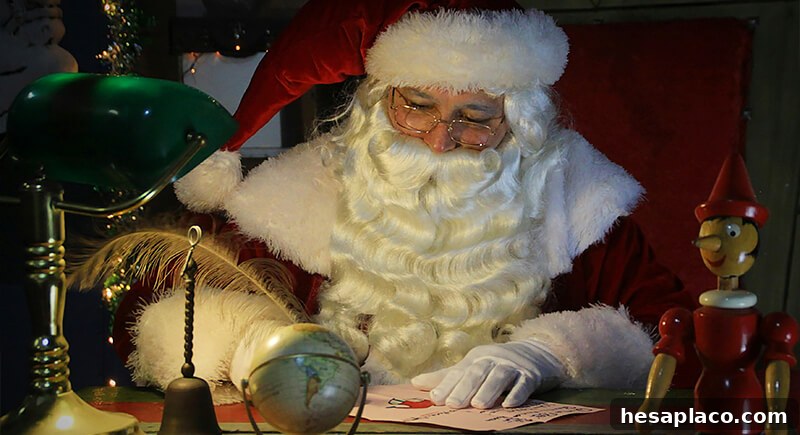
Byron Reese recognized that parents wanted to create a lasting holiday memory for their children. He established a service in North Pole, Alaska, that sends personalized letters from “Santa Claus,” complete with a North Pole postmark. For a modest fee, families receive an official-looking letter that enhances the magic of the season. Since launching in 2001, the service has mailed over 500,000 letters and developed into a steady business delivering consistent revenue year after year.
The Snuggie

Credit: Instagram
When the Snuggie was introduced—a blanket with sleeves—many dismissed it as a novelty. Clever infomercials, however, highlighted its convenience for staying warm while reading, watching TV, or using a remote. Those memorable ads and the product’s shareability helped it spread rapidly online. Since its debut in 2008, the Snuggie has sold more than 30 million units and generated over $500 million worldwide, illustrating how strong marketing can elevate an odd idea into a mass-market phenomenon.
Flowbee

Credit: Wikipedia
Terry Hunt invented a vacuum-cleaner attachment that allowed people to cut their hair at home without leaving a mess. Although the device looked odd on television, the Flowbee built a devoted customer base in the 1980s. Interest returned in 2020 when lockdowns temporarily closed barbershops, and the product experienced a resurgence. Even a few celebrities have mentioned using it. The Flowbee’s longevity shows how a practical, if unconventional, solution can endure through changing trends.
The Lucky Wishbone
Credit: Facebook
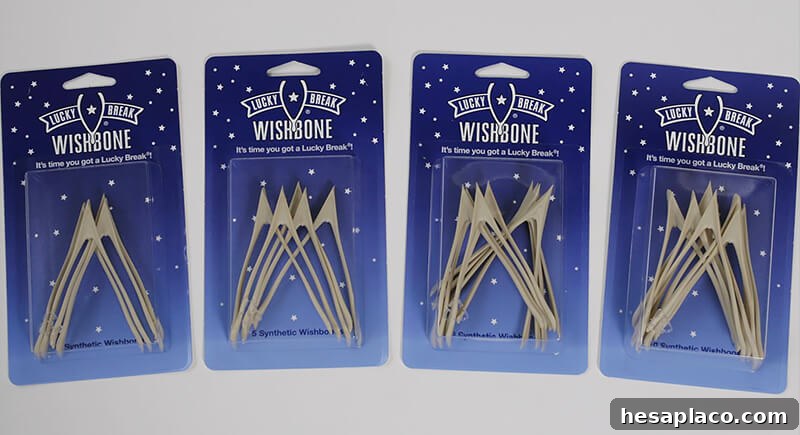
Ken Ahroni grew tired of waiting for Thanksgiving to enjoy the tradition of breaking a wishbone, so he created a plastic, snap-able wishbone designed to mimic the real thing. Many doubted people would pay for a synthetic poultry accessory, but the novelty found use beyond the holiday—at birthday parties, corporate events, and promotional gatherings. The product’s low production cost and novelty value helped it reach over $1 million in annual sales, demonstrating how a small, clever twist on an old tradition can become lucrative.
These stories share a few common threads: they solve a small problem or tap into humor, they’re easy to explain, and they’re highly shareable. Whether the idea is a pet rock, a postcard potato, or a blanket with sleeves, success often depends less on complexity and more on timing, presentation, and the ability to connect with an audience. Sometimes the most improbable concepts become the most memorable—and the most profitable.