IBM may not generate the same excitement as newer AI-focused firms, but investors repeatedly turn to it for one compelling reason: consistency. Over decades, IBM has built one of the market’s longest consecutive dividend-increase streaks, and it’s now coupling that steady income profile with an expanding push into artificial intelligence and hybrid cloud services. That combination has helped the company shake off its “legacy tech” label and return to conversations about sustainable, long-term growth.
A Dividend Record That Keeps Getting Longer
Credit: Wikimedia Commons
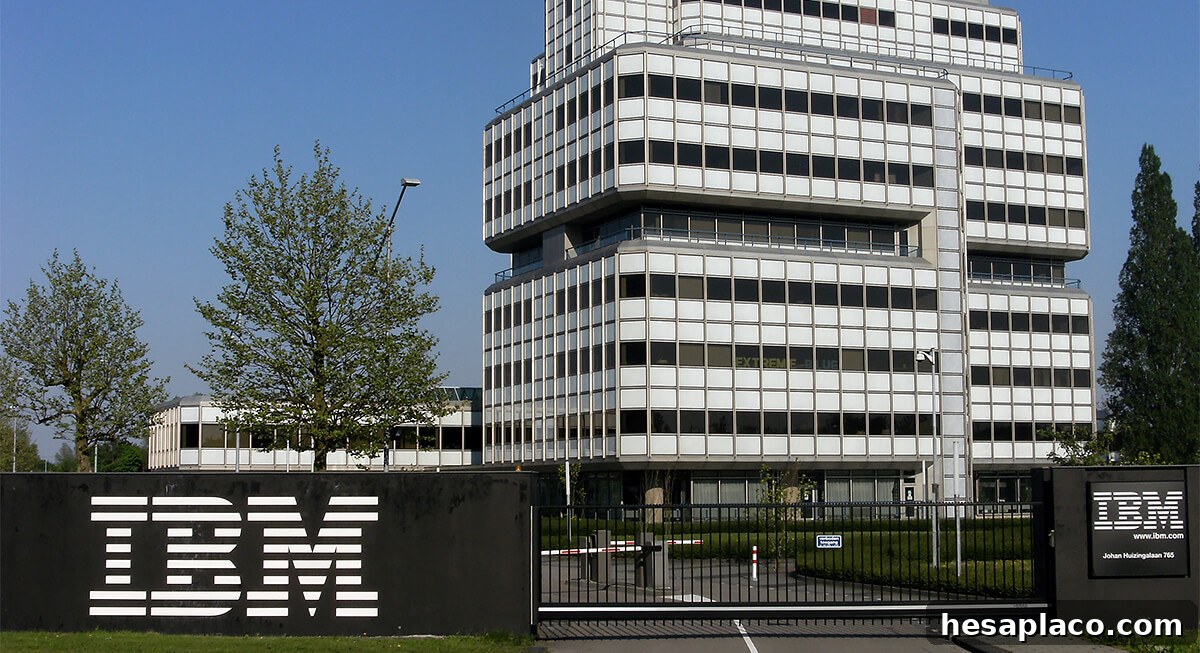
IBM appears poised for what would be its 27th consecutive annual dividend increase—an uncommon achievement in the technology sector. The percentage increase itself may be modest, but the continuity matters most to income-focused investors. Sustaining dividend growth through recessions, major industry shifts, and leadership changes is rare, and IBM has managed to do just that.
Free Cash Flow Keeps the Engine Running

Credit: PICRYL
While Wall Street often chases headline revenue growth, dividend investors prioritize free cash flow. IBM generated about $14.7 billion in free cash flow in 2025 and is forecasting higher figures for 2026. That level of cash generation supports shareholder returns while leaving room for strategic acquisitions and continued research and development.
Red Hat Changed IBM’s Reputation

Credit: Wikipedia
IBM’s $34 billion acquisition of Red Hat in 2019 was viewed skeptically at the time, but the purchase has become central to the company’s hybrid cloud strategy. Over the years Red Hat’s contributions have grown, and today it generates nearly $2 billion in quarterly revenue—underscoring how the deal helped reposition IBM toward cloud-native software and services.
Wall Street Suddenly Sounds More Optimistic

Credit: Wikimedia Commons
For years, analysts treated IBM as a tolerated stalwart rather than a growth darling. That sentiment is shifting. Some analysts now point to meaningful upside if IBM’s AI initiatives move beyond pilot projects into scalable deployments. A number of Wall Street voices have described IBM as both an AI survivor and an enabler, a notable change from the skepticism of just a few years ago.
Mainframes Refuse to Go Away
Credit: Wikimedia Commons
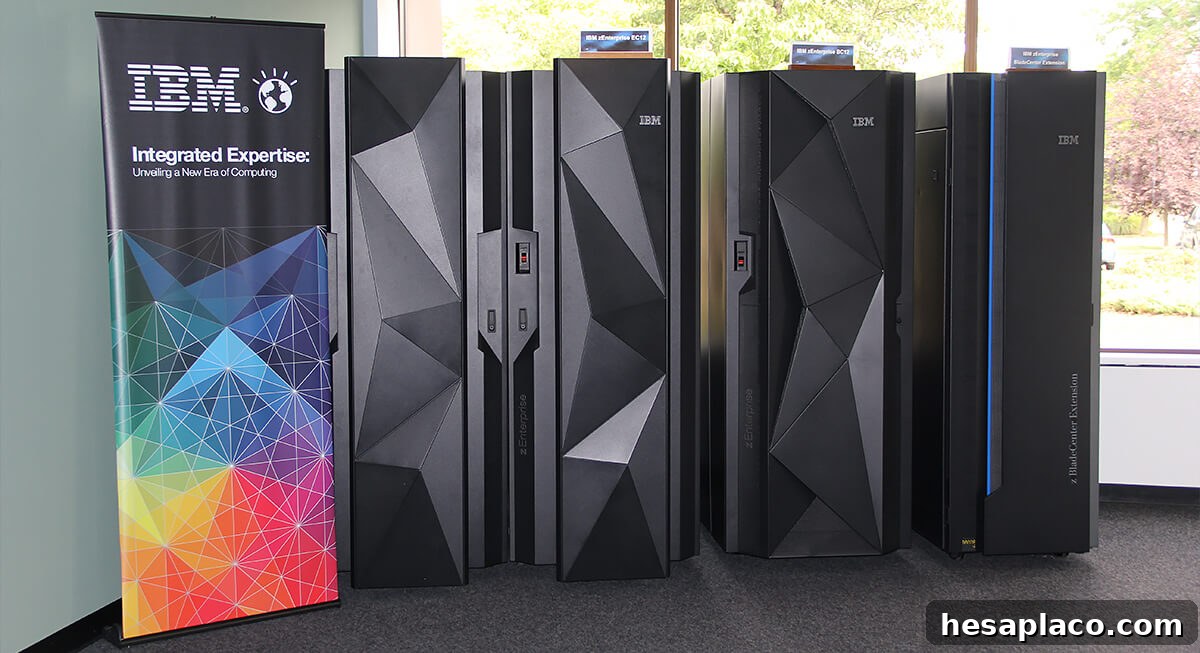
Despite perceptions that legacy systems are fading, large banks, governments, and payment networks continue to rely on IBM mainframes to handle massive transaction volumes. In fact, IBM reported a record year for mainframe activity in 2025. While mainframes aren’t glamorous, they deliver dependable, high-margin revenue—an anchor for the company’s overall financial health.
Software Revenue Keeps Growing

Credit: pexels
When Arvind Krishna became CEO in 2020, software made up roughly one-fifth of IBM’s revenue. By late 2025, software’s share had grown to nearly 45%. That shift away from a hardware-centric model toward recurring, software-driven revenue has strengthened confidence in IBM’s long-term stability and the durability of its dividend.
AI Hype Finally Works in IBM’s Favor

Credit: Wikimedia Commons
Earlier efforts like Watson were sometimes labeled overhyped experiments, but the current wave of AI demand looks different. Enterprises now seek robust, secure AI solutions that integrate with cybersecurity, automation, and cloud infrastructures—areas where IBM already has substantial expertise and established customer relationships.
IBM Still Plays Defense Better Than Most Tech Stocks
Credit: Wikimedia Commons
With stable enterprise customers, recurring contracts, and predictable cash flows, IBM’s business profile is calmer than many high-growth Silicon Valley peers. That steadiness attracts investors who prioritize income and risk mitigation. IBM shares may not surge overnight like a fast-scaling startup, but they also avoid the extreme volatility that often follows speculative tech names.
Debt Levels Look Far Less Scary Now

Credit: Reddit
The Red Hat acquisition temporarily raised concerns about elevated debt levels and strategic overreach. Since then, IBM has steadily reduced leverage and strengthened its balance sheet. Restoring financial flexibility has helped rebuild investor confidence, a reminder that delivering on long-term commitments can win back market patience.
The Dividend Fits IBM’s Entire Identity

Credit: Wikimedia Commons
For IBM, the dividend is more than a payout—it’s a defining part of the brand. The company is a member of the Dividend Aristocrats, recognized for many years of consecutive dividend increases. IBM may never match the meteoric returns of speculative AI startups, but its blend of dependable income, steady execution, and moderate growth continues to appeal to investors seeking reliable long-term exposure to enterprise technology.