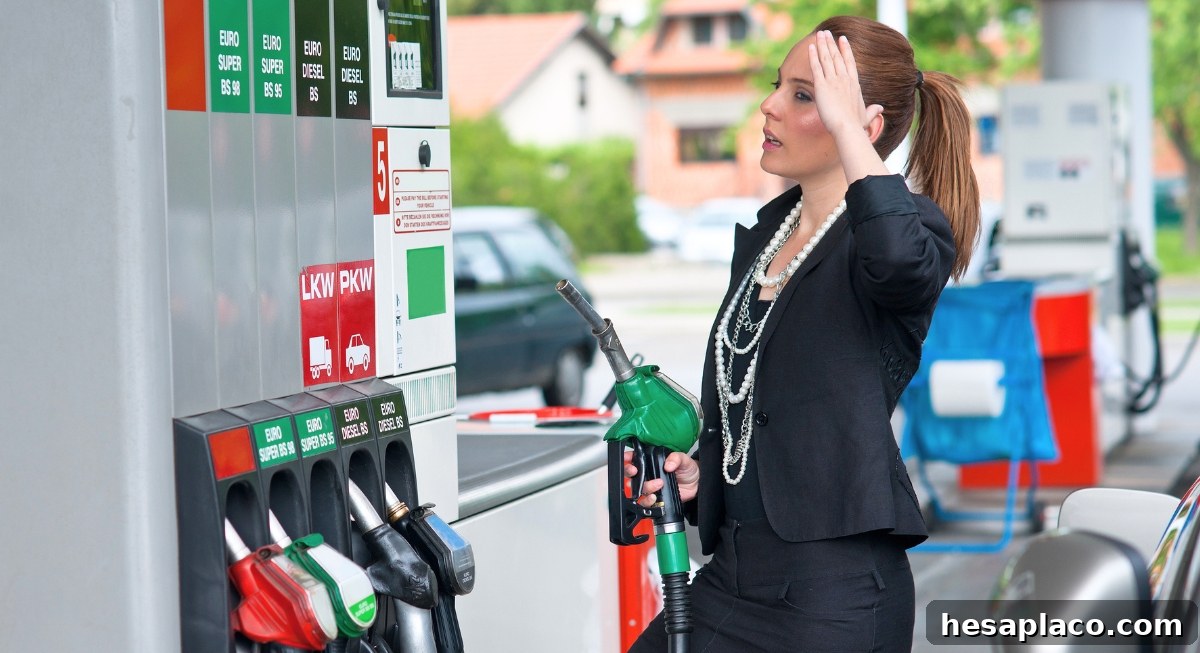
No matter how much you rely on public transport, there are still times when you need your own car—dropping kids at school, running last-minute errands, or picking up groceries. A personal vehicle makes those tasks easier, but one of the toughest parts of car ownership today is refilling the tank amid global economic uncertainty.
As of April 2026, the average global gasoline price is $1.49 per liter, according to GlobalPetrolPrices.com. That average masks large differences between countries. In some places, drivers pay far more every time they fill up; the countries below are currently among the most expensive for gasoline.
Hong Kong

Credit: Getty Images
Hong Kong drivers face the highest gasoline price in the world at $4.15 per liter. That equates to roughly $15.65 per gallon—nearly four times the U.S. national average of about $4.04 per gallon in April 2026, according to AAA. With no domestic oil production, all fuel is imported and subject to steep duties and taxes before it reaches the pump, which pushes retail prices dramatically higher.
Malawi
Credit: Wikimedia Commons
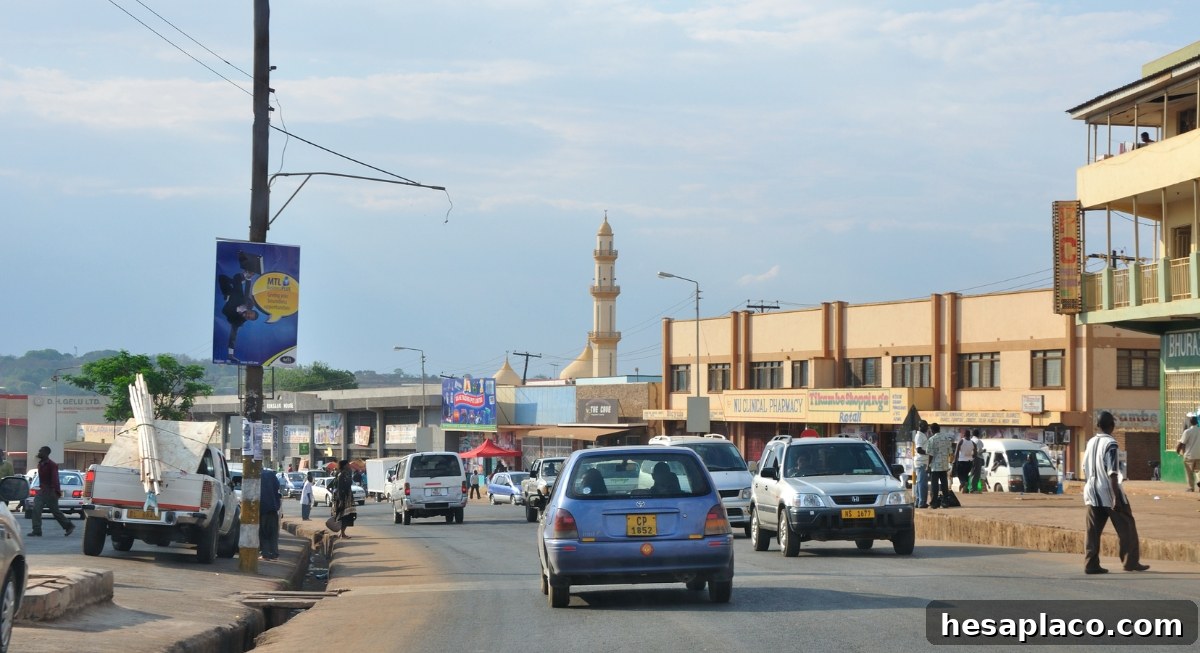
In Malawi, where average annual incomes are low, gasoline costs about $3.83 per liter. The landlocked country has no oil reserves, so every liter must be transported overland through neighboring nations, raising logistics costs. A 2023 devaluation of the Malawian currency also increased the price of fuel imports, further impacting pump prices for local drivers.
Israel
Credit: pexels
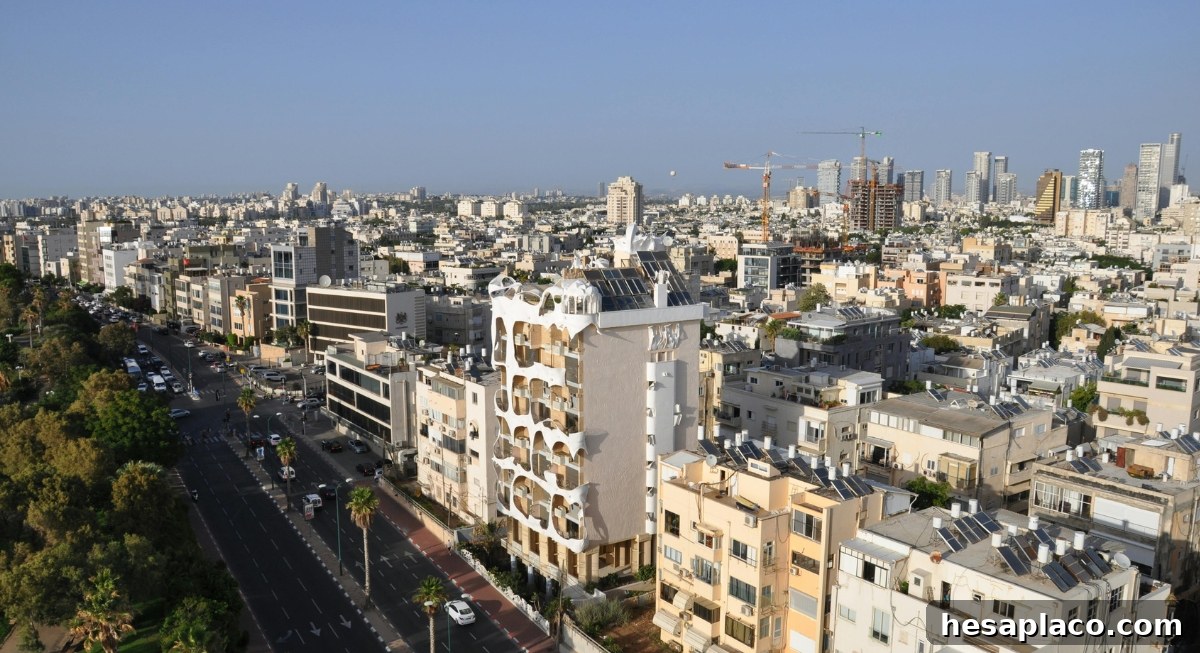
Gasoline in Israel costs about $2.81 per liter, in part because of significant excise taxes. High fuel prices have accelerated interest in electric vehicles—by 2024, EVs represented roughly 20 percent of new car sales—and in April 2026 the Ministry of Energy and Infrastructure encouraged further adoption of EVs to reduce dependence on costly fossil fuels.
Denmark
Credit: pexels
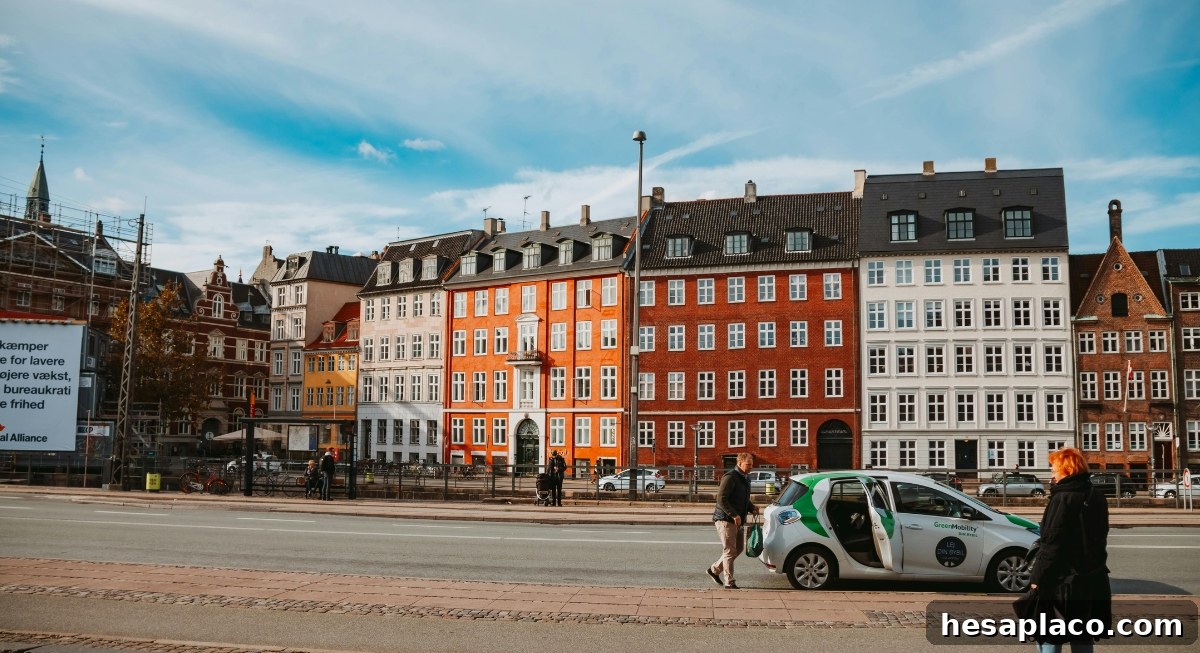
Denmark’s fuel taxes are among the highest in Europe, reflecting deliberate policy choices to reduce emissions. The country aims for a 70 percent cut in greenhouse gas emissions by 2030 compared with 1990 levels, and Copenhagen’s extensive cycling infrastructure demonstrates that shift. Danish drivers pay roughly $2.73 per liter at the pump.
Netherlands

Credit: pexels
The Netherlands charges about $2.68 per liter for gasoline. Despite hosting Europe’s largest port in Rotterdam and serving as a major refining and transit hub, domestic pump prices remain high. Export dynamics, taxes, and policy choices all influence final retail costs, which continue to be debated in public and political forums.
Germany
Credit: pexels
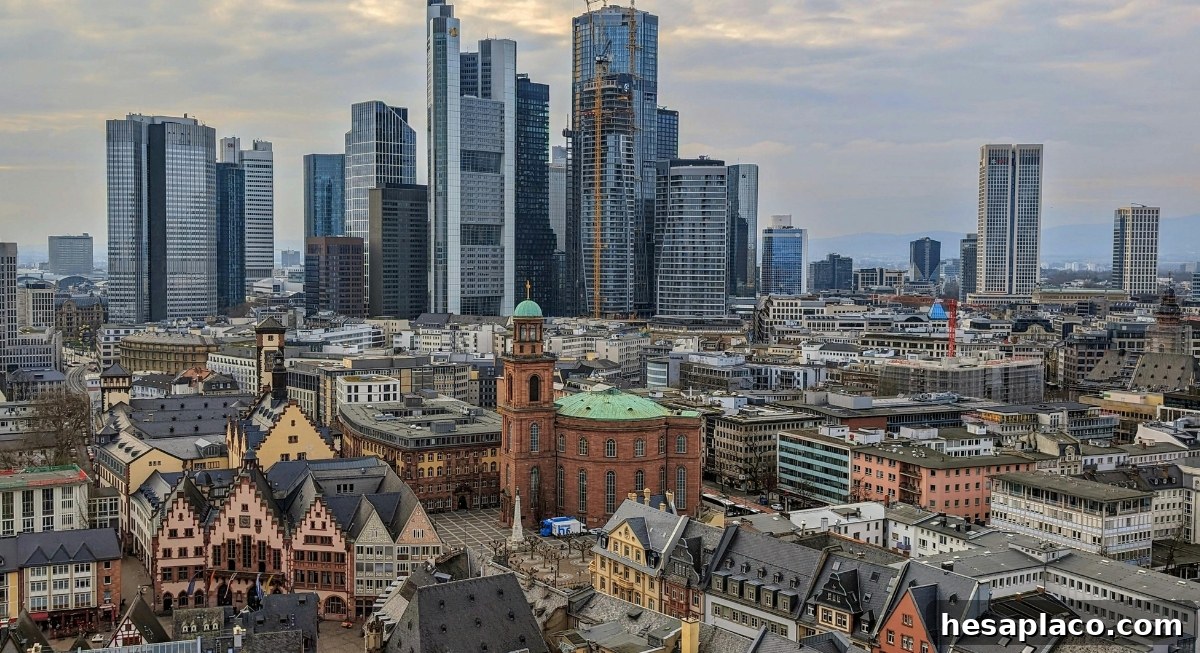
German drivers pay about $2.45 per liter. The country—home to major automakers such as BMW, Mercedes-Benz, Volkswagen, Porsche, and Audi—has also been reshaping its energy policy since 2022 to reduce dependence on Russian pipeline gas following the invasion of Ukraine. Recent changes in supply flows, including signals of reduced Kazakh oil deliveries to a key German refinery in 2026, have added complexity to the energy market.
Albania

Credit: Canva
Although Albania may not be the first country that comes to mind for high fuel costs, gasoline there runs about $2.44 per liter. Albania’s regulated fuel market and multiple taxes—including VAT, excise, and a carbon levy—contribute to retail prices that remain elevated despite occasional government price-setting interventions.
Singapore

Credit: Wikimedia Commons
Owning a car in Singapore is famously expensive. Prospective buyers must secure a Certificate of Entitlement before purchase—an auctioned permit that can exceed SGD 100,000 (about $78,000). With gasoline priced at roughly $2.41 per liter, the fuel cost is a smaller part of overall ownership expenses. Singapore’s policy intentionally makes private car use costly to limit congestion and emissions.
Switzerland

Credit: Getty Images
Switzerland, with one of the world’s most comprehensive rail networks, charges about $2.40 per liter for gasoline. A portion of the country’s mineral oil tax supports rail infrastructure through the Railway Infrastructure Fund, and national efforts to cut emissions have promoted cleaner transport options. Still, high fuel taxes and other costs keep prices at the pump elevated.
Greece

Credit: Getty Images
Outside major urban centers in Greece, many households depend on personal vehicles for daily life, making fuel an important recurring expense. After the sharp price rises during the 2022 energy crisis, the Greek government introduced relief measures that were later scaled back. Today, drivers in Greece pay about $2.39 per liter—substantially above the global average.