
Tariffs may sound like distant policy talk, but when the price of your groceries climbs or electronics become more expensive, the impact gets personal fast. These taxes on imported goods affect everyday life — from what you buy to how much you save. Here’s a practical, SEO-friendly guide to protecting your finances and keeping your budget steady when tariffs threaten to raise costs.
Stock Up Before Prices Rise

Credit: freepik
Imported staples like coffee, olive oil, and specialty pantry items are often the first to reflect new tariffs. Buying these essentials in bulk while prices are still low can shield your household budget from sudden spikes. Look for warehouse club deals, buy-one-get-one promotions, and seasonal sales to stock up without overspending.
Refinance Debt While Interest Rates Are Favorable

Credit: Getty Images
Tariff-driven inflation often pushes up interest rates. If you carry credit card balances or have adjustable-rate loans, consider refinancing into fixed-rate products while rates are still attractive. Locking in a lower rate can protect you from future increases and free up monthly cash for other priorities.
Build an Emergency Cash Buffer

Credit: Canva
Rising costs can lead to job cuts, especially in industries that depend on imports. An emergency fund separates financial stress from stability. Open a high-yield savings account and funnel spare cash into it—small, regular contributions such as $25 a week compound into a meaningful safety net over time.
Consider Long-Term Hedging with Precious Metals

Credit: freepik
Gold and other precious metals have historically acted as inflation hedges. For those concerned about stock market volatility or the impact of trade tensions on retirement accounts, allocating a portion of long-term savings to gold-backed options can offer diversification and potential stability.
Buy Used or Refurbished for Large Purchases
Credit: Canva
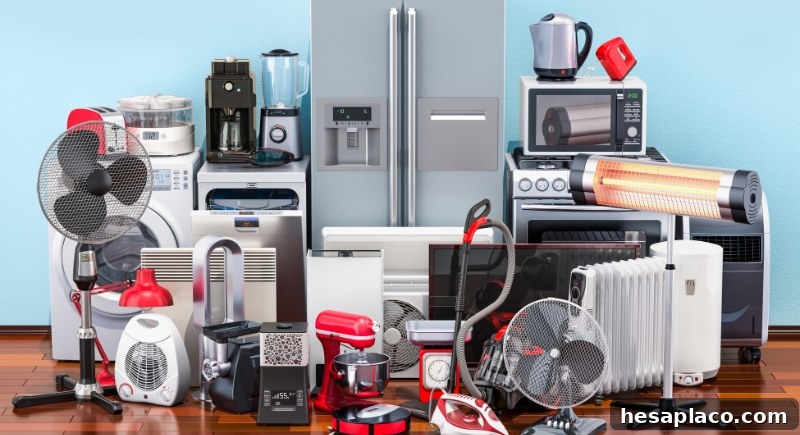
Furniture, appliances, and electronics often see the largest tariff-related price jumps. Buying secondhand or refurbished items can yield 20–40% savings while still delivering the functionality you need. Choosing well-maintained used goods lowers your exposure to sudden price increases.
Spot Shrinkflation by Checking Unit Prices

Credit: Getty Images
Shrinkflation—when product sizes shrink but prices stay the same—can hide real cost increases. Compare unit prices on groceries and household staples to ensure you’re getting true value. Keep a short list of frequently bought items and note their weights or volumes to detect gradual downsizing.
Start a Side Hustle to Increase Cash Flow

Credit: Getty Images
Extra income from gig work—dog walking, freelance design, selling handmade goods, or tutoring—can offset tariff-driven price rises. You don’t need a full second job; even an additional $100 a week can cushion grocery bills and other essentials.
Monitor Economic Announcements, Then Act

Credit: flickr
Tariffs are typically announced in advance of taking effect. Keep an eye on reliable economic news and industry updates so you can time purchases—such as electronics or other imported goods—before tariffs kick in. Early action helps you avoid avoidable price increases.
Negotiate Prices and Ask for Extras

Credit: Canva
When retailers worry that inventory will become more expensive, they may be willing to negotiate. Ask for discounts, bundle deals, or free add-ons when buying big-ticket items like cars, appliances, or furniture. Even modest concessions can save you a meaningful amount.
Maximize Cash Back and Rewards

Credit: Canva
Use cash-back and rewards credit cards strategically on purchases likely to be affected by tariffs, like groceries or gas. A 3–5% cash-back return reduces the net cost over time. Combining rewards with couponing and smart shopping habits boosts overall savings.
Compare Insurance and Recurring Bills

Credit: freepik
Recurring costs like insurance and subscriptions can quietly grow. Regularly compare quotes for car, renters, or homeowners insurance and review utility or streaming plans. Trimming $20–$30 a month from recurring bills can offset tariff-driven price increases without changing your lifestyle.
Delay Non-Urgent Big Purchases

Credit: pexels
If a major purchase like a refrigerator or car isn’t urgent, waiting 6–12 months can pay off. Prices may stabilize or fall as sellers and competitors adjust to new tariffs. Patience can give you leverage and better deals when the market settles.
Buy Local for Food When Possible

Credit: Canva
Imported produce, cheese, and seafood are especially vulnerable to tariffs. Buying locally sourced food from farmers’ markets or regional suppliers can often be cheaper and fresher, since local producers are less exposed to international trade disruptions.
Avoid Bank Fees and Keep More Cash

Credit: Getty Images
Monthly account fees, ATM charges, and overdraft penalties reduce your available cash. Switching to no-fee checking or higher-yield savings accounts helps protect your money and provides more flexibility for managing unexpected price increases.
Choose Durable, Repairable Goods

Credit: Getty Images
When prices for replacements climb, choosing durable items and repairable technology stretches your dollar farther. Opt for brands and models known for longevity and easy repairs to reduce the need for frequent, costly upgrades as tariffs push prices up.
Audit Subscriptions and Recurring Charges

Credit: iStockphoto
Small monthly subscriptions add up quickly. Review streaming services, memberships, and automatic renewals; cancel or pause what you rarely use. Cutting a few low-value recurring charges can free up funds to offset rising costs on essential items.