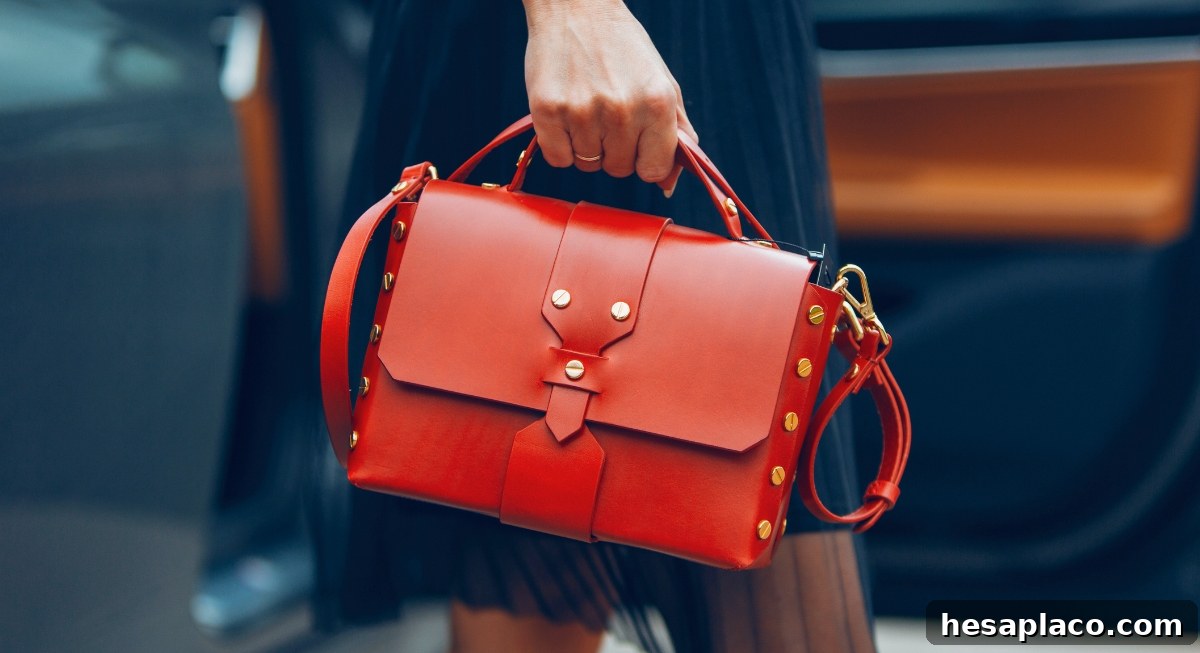
When people look at a luxury handbag, they often see more than an accessory — they see status. Logos, price tags, and the way these items are presented convey success and exclusivity. For many years, luxury handbags were treated as symbols of superior quality and meticulous craftsmanship, perceived as rewards earned through achievement rather than simply bought on impulse.
That perception is shifting. Shoppers increasingly ask how these products are made, where they come from, and what justifies their high prices. Greater transparency about global production networks and deliberate pricing strategies has prompted fresh scrutiny and a growing appetite for clearer information.
The “Made in Italy” Label and What It Really Means
“Made in Italy” has long been shorthand for traditional skills, high-quality materials, and European artisanal standards. In practice, however, the manufacturing process is often distributed across multiple countries. Early stages such as cutting, assembly, or component production may take place in facilities outside Europe. Final assembly or finishing touches performed in Italy or France can be enough to justify the label under current regulations.
That legal designation doesn’t always reflect where the bulk of labor or material work occurred. Consumers who assume the entire product was crafted in a single European atelier are sometimes surprised to learn how international and segmented modern production has become.
Handbags as Social Signals, Not Just Functional Items
For many owners, a handbag carries nonmaterial value: it marks a milestone, signifies financial progress, or signals membership in a social circle. These symbolic meanings influence buying decisions strongly; functionality can be secondary to the message the bag sends.
Because a handbag can represent identity or achievement, people are often reluctant to part with them. The emotional and social value attached to these objects contributes to their enduring appeal, even when practical limitations exist.
Pricing Reflects Positioning, Not Just Production Costs
Luxury prices often far outpace the costs of materials and labor. Brands raise retail prices to reflect not only the expense of making a bag but the investment in brand image, marketing campaigns, store environments, and aftercare services. These elements create an experience that some customers view as part of the purchase.
Price increases sometimes occur without noticeable changes to materials or design, which has led to consumer frustration. A handbag’s sticker price becomes a signal of brand hierarchy and desirability as much as a reflection of its physical construction.
The Wide Gap Between Cost and Retail Price
Industry reports and manufacturing analyses consistently show a large discrepancy between the basic costs of production and the retail price. Raw materials, factory labor, and shipping account for the baseline expense, but the final price includes substantial markups tied to positioning and profit margins. The resulting gap is a key reason shoppers question value and transparency.
Assembly Lines and Coordinated Production
The romantic image of a solitary artisan handcrafting every piece remains culturally resonant, but contemporary production is usually collaborative. Multiple specialists and teams divide tasks such as cutting, stitching, hardware attachment, and finishing. This coordinated approach enables higher output and consistent standards while still incorporating skilled work at individual stages.
Craftsmanship exists within these systems, yet it operates alongside industrial processes designed for scale and quality control rather than single-operator creation.
Design Often Prioritizes Aesthetics Over Practicality
Many high-end designs favor visual impact. Oversized logos, unusual closures, limited interior pockets, or rigid shapes can make a handbag striking but less convenient for everyday use. Straps may be decorative rather than ergonomic, and interior layouts sometimes hamper easy access to essentials.
Despite these trade-offs, demand persists because buyers prize the aesthetic statement. Practical shortcomings are frequently accepted as part of the package when the visual identity aligns with personal style or status goals.
Exclusivity Is Curated by Brands
Brands often manage supply and access to enhance perceived exclusivity. Limited releases, controlled inventory, client lists, and purchase histories can all be leveraged to make certain pieces feel scarce and desirable. Some customers build long-term relationships with boutiques or salespeople to secure access to coveted items.
These strategies are as much about shaping perception as they are about inventory management; by making products harder to obtain, brands reinforce their prestige and maintain high price points.
The Replica Market Blurs Perceptions
Replica handbags have become more sophisticated, and many are difficult to distinguish from authentic items at a glance. The availability of higher-quality copies affects public perception of exclusivity and value. Reports and anecdotes suggest overlapping supply chains or similar production methods in some cases, which complicates efforts to differentiate originals from imitations.
The existence of convincing replicas also changes social signaling: visible ownership of a “limited” design no longer guarantees authenticity, which can undermine the status function of certain brands and models.
Digital Marketplaces Increase Access to Alternatives
Online platforms have dramatically expanded access to both authentic and imitation products. Where shoppers once relied on physical markets or word-of-mouth to find alternatives, they can now browse countless listings, compare prices, check images, and order quickly. Simplified checkout, customer reviews, and rapid shipping make alternative options more convenient and attractive.
This shift has made the replica market more transparent and easier to navigate, encouraging price-sensitive buyers to consider substitutes while giving others the tools to verify authenticity before purchase.
Growing Consumer Awareness Shapes Behavior
Public dialogue around supply chains, labor conditions, environmental impact, and pricing strategies has grown louder. More consumers now probe a brand’s ethics, sourcing, and transparency before committing to a purchase. For some, this leads to reduced spending on luxury goods or a preference for brands that emphasize responsible practices.
Others continue buying but do so with clearer expectations about where their money goes and what a luxury purchase truly represents. Ultimately, increased awareness is prompting shifts in how people value luxury handbags — balancing appearance and social meaning against practical utility and ethical considerations.