
Homeowners insurance offers important protection, but that coverage depends on following the terms of your policy. Small oversights or routine neglect can create major problems when you file a claim—missing a detail on your application or skipping basic upkeep can give an insurer grounds to deny payment. The following 11 common mistakes demonstrate how easily homeowners can jeopardize their insurance protection and what to watch for to avoid surprises.
Misrepresenting Information

Credit: Canva
Your insurance application is a legal document, and accurate answers matter. Underreporting square footage, omitting a backyard pool, or failing to disclose a wood-burning stove are considered misrepresentations. The same applies to hiding past claims or not listing everyone who lives in the home. If the insurer discovers omitted or inaccurate facts later, it may deny a claim or cancel the policy.
Neglecting Routine Maintenance
Credit: Getty Images
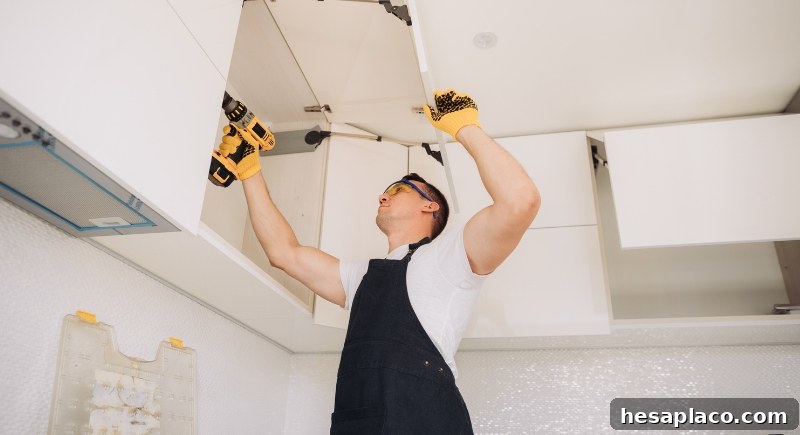
Insurers expect homeowners to perform routine maintenance. Leaving a slow leak unrepaired, allowing gutters to clog, or ignoring persistent plumbing problems can lead to denied claims when resulting damage—like extensive water intrusion or mold—could have been prevented. Keeping inspection reports, repair receipts, and photos helps demonstrate you took reasonable steps to maintain the property.
Leaving the Home Vacant Too Long
Credit: pexels
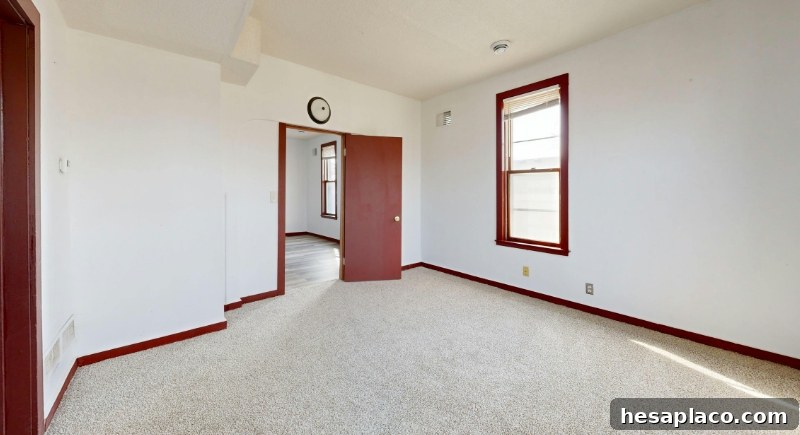
Most standard homeowners policies limit coverage if a home remains unoccupied for a certain period—often 30 to 60 consecutive days. Vacant homes face higher risks of burglary, vandalism, and unnoticed failures like burst pipes. If you plan an extended absence for travel, medical reasons, or a temporary move, notify your insurer or secure appropriate vacancy coverage to avoid a gap in protection.
Running a Business From Home

Credit: Getty Images
Turning part of your home into a salon, studio, or storing inventory alters the risk profile. Standard personal homeowners policies typically exclude business-related property and liability. If a client is injured or a theft involves business inventory, a personal policy may refuse coverage. A home-business endorsement or a separate commercial policy is usually required whenever clients visit, inventory is kept on site, or specialized equipment is used.
Unauthorized Renovations

Credit: Canva
Major renovations can raise new hazards and change the structure’s profile. Removing load-bearing walls, converting an attic to living space, or adding major electrical work introduces new risks during and after the project. Insurance is based on the home as described in the policy; beginning significant work without advising your carrier can leave damage occurring during renovation uninsured. Always inform your insurer and confirm coverage before starting major projects.
Underestimating Property Value

Credit: Canva
Your dwelling coverage should reflect the cost to rebuild your home, not its market value. If your policy’s limit is too low, a major loss can leave you underinsured and responsible for uncovered rebuilding costs. Construction prices change over time, so review and update rebuild estimates regularly—especially after renovations—to ensure coverage keeps pace with current costs.
Subletting or Short-Term Renting
Credit: pexels
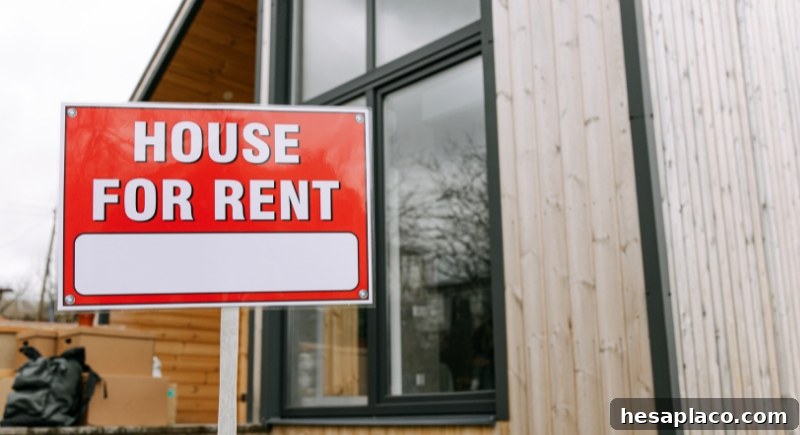
Offering your home or a room for short-term rental or subletting changes occupancy patterns and increases liability. More guests can mean more wear and greater exposure to accidents or theft. If you fail to disclose rental activity, a claim tied to a guest or tenant may be denied. Adding a rental endorsement or obtaining landlord insurance helps maintain appropriate protection for rented properties.
Ignoring Security Requirements
Credit: Getty Images
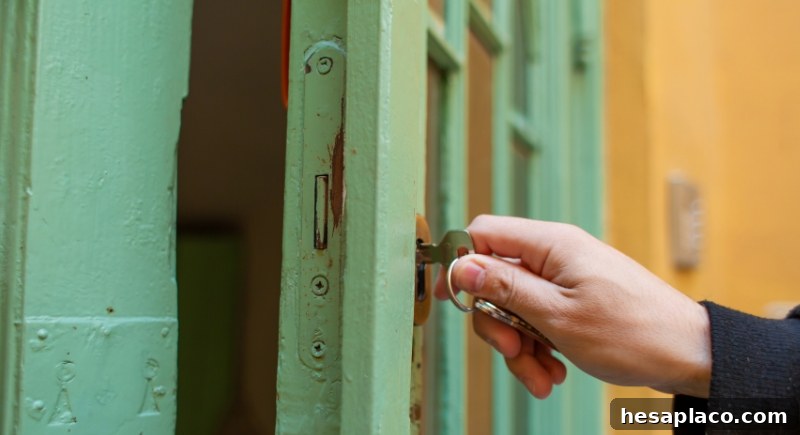
The outcome of many theft claims depends on whether you met the policy’s security requirements. Insurers may deny a theft claim if doors were left unlocked, a required alarm system was not armed, or keys were stored in obvious places. Treating security measures as optional can look like negligence. Maintain functioning locks, documented alarm service, and other required safeguards to strengthen a claim if a loss occurs.
Deliberate Damage
Credit: Getty Images
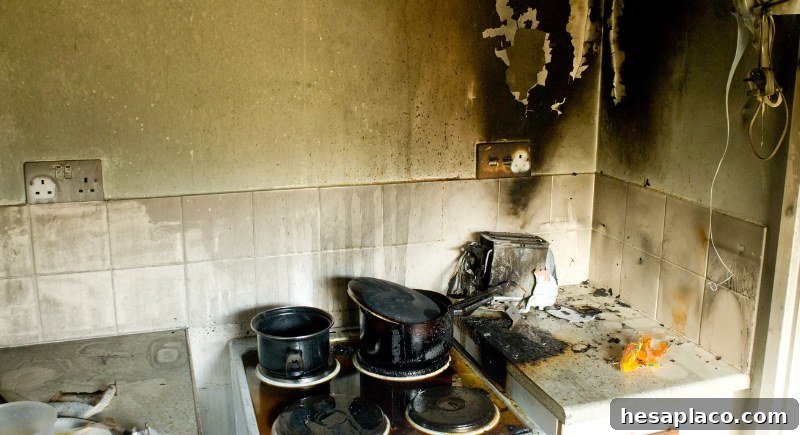
Insurance covers accidental losses, not deliberate acts. If damage appears intentional, insurers investigate thoroughly and will deny claims where arson or purposeful destruction is proven. Deliberate damage caused by any household member removes coverage for that incident, and may lead to policy cancellation or legal consequences.
Failing to Report Claims Promptly

Credit: Canva
Most policies require prompt notification of events such as theft, fire, or structural damage. Waiting days or weeks to report an incident can complicate an investigation and jeopardize coverage. Insurers typically request photos, repair estimates, and police reports; delaying these steps can violate policy conditions and create grounds for denial.
Using Unqualified Contractors

Credit: Canva
Hiring unlicensed or uninsured contractors to save money can create larger expenses and potential coverage problems later. If work is done without permits or by unqualified tradespeople and that work leads to damage, insurers may deny claims connected to illegal or noncompliant construction. Always verify licensing, insurance, and required permits before hiring contractors, and keep records of permits and inspections.
Staying proactive—providing accurate information, keeping up with maintenance, notifying your insurer about major changes, and documenting inspections and repairs—helps preserve your coverage and avoids unpleasant surprises when you need to file a claim.