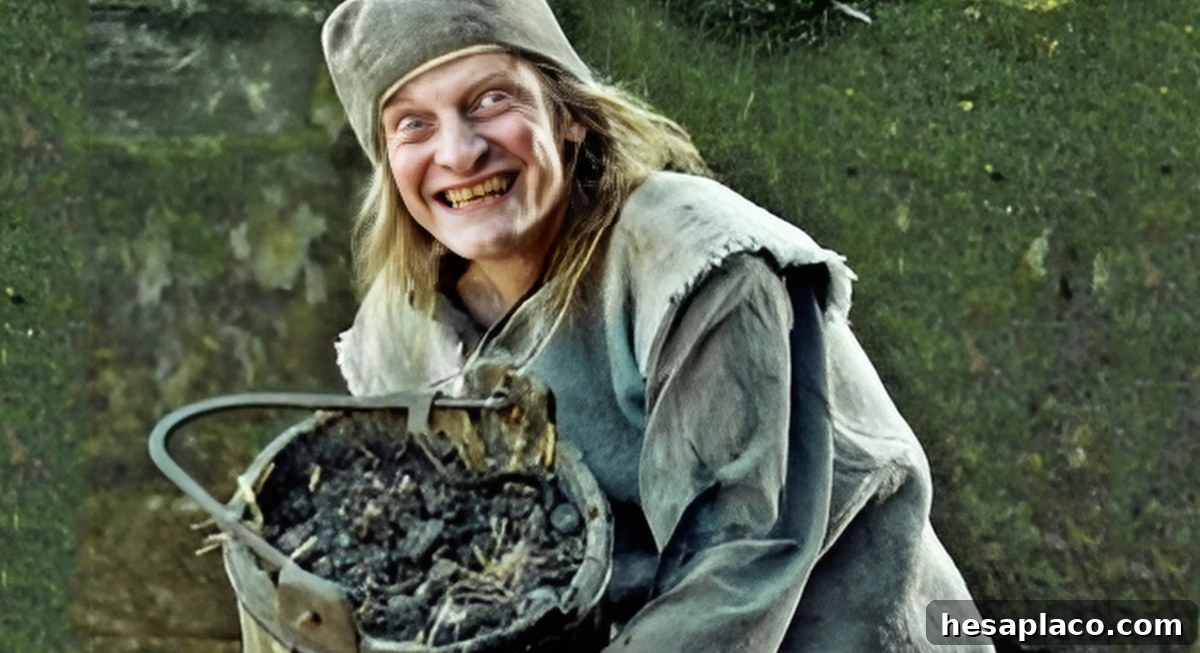
Medieval society depended on laborers to keep daily life functioning, but many of these roles were stigmatized, dangerous, or degrading. People took the work they could find to survive, often accepting jobs that left them ostracized, injured, or exposed to disease. The positions below reveal the harsh realities behind the scenes of medieval towns, courts, and industries—work that was essential yet frequently carried a high personal cost.
Gong Farmer
Credit: Reddit
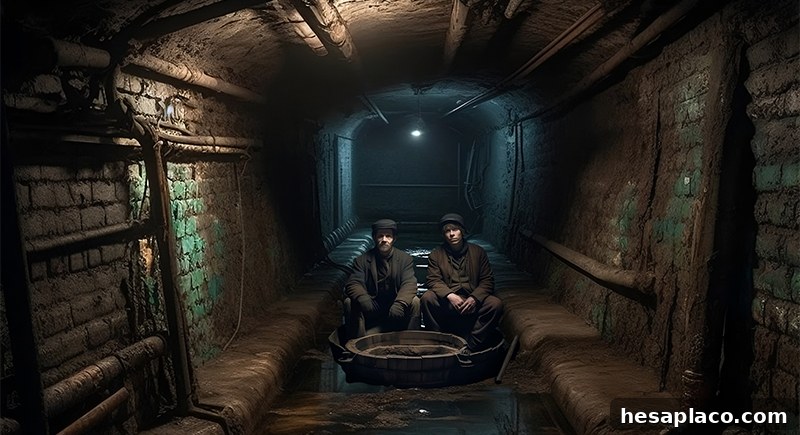
Gong farmers emptied cesspits and privies, a task that required working at night and often climbing into pits packed with human waste. They shoveled out filth and hauled it beyond city walls. Though the work could pay well relative to other options, it left workers foul-smelling and socially shunned, their reputations marked by the grime they handled daily.
Tanner
Credit: Getty Images
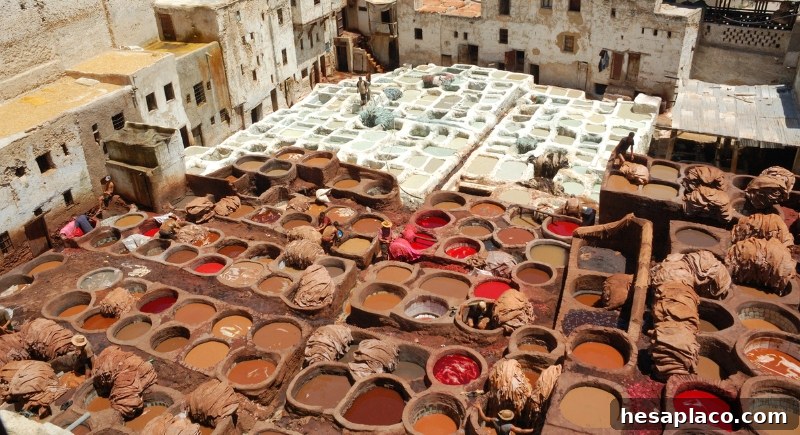
Tanning leather required harsh processes to remove hair and flesh from hides. Tanners used urine and later fermenting materials—sometimes including animal droppings—to soften skins. The work produced overpowering odors that clung to clothing, homes, and bodies, leading communities to isolate tanners and place their workshops on town outskirts.
Body Collector
Credit: Youtube
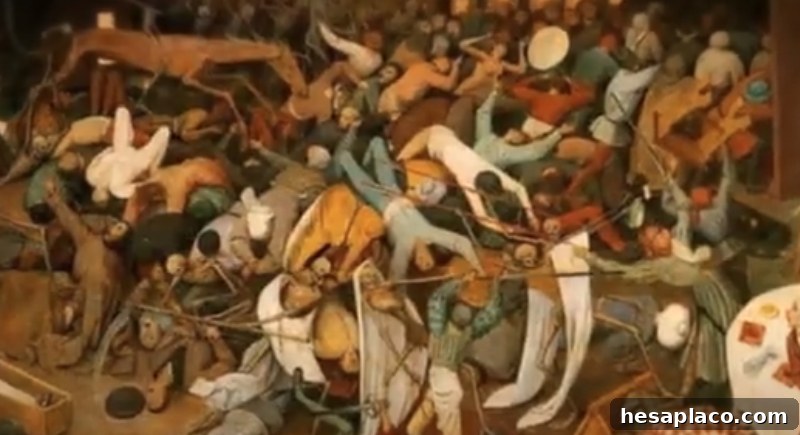
During epidemics like the Black Death, body collectors removed and buried the dead. Corpses left in streets attracted vermin and hastened disease spread, so teams loaded remains onto carts and interred them in mass graves, often layering earth between rows of bodies. The work was physically arduous and psychologically taxing, frequently carried out without protective equipment.
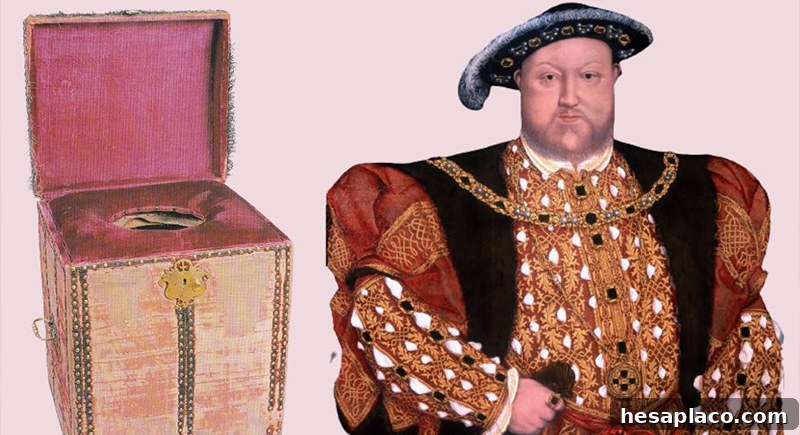
Groom of the Stool
Credit: Reddit
In royal households the Groom of the Stool attended the monarch’s most private needs, supplying water and towels and sometimes assisting with cleaning. Despite the intimate and humiliating nature of the role, it offered access to power: noble families often encouraged sons to pursue it because proximity to the king could lead to influence and later advancement.
Executioner
Credit: pixabay
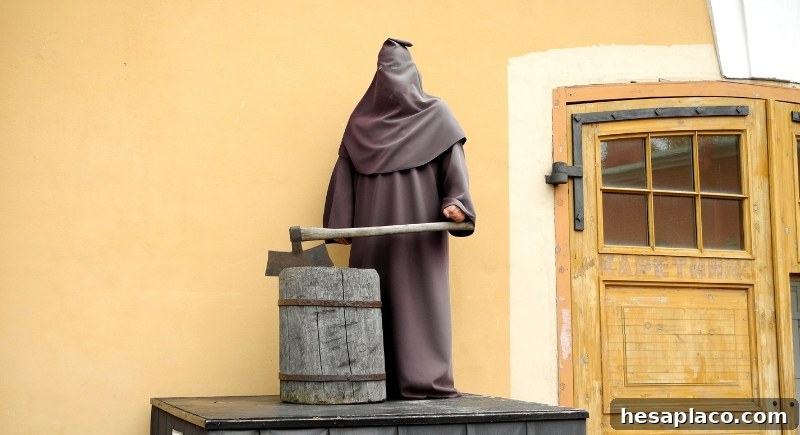
Executioners performed capital punishments and other grim tasks such as disposing of animal carcasses. Skilled executioners could deliver swift deaths, but if they failed, they faced public outrage or violent retribution. Many lived on society’s margins, barred from churches and common social life because of their association with death.
Spit Boy
Credit: pexels
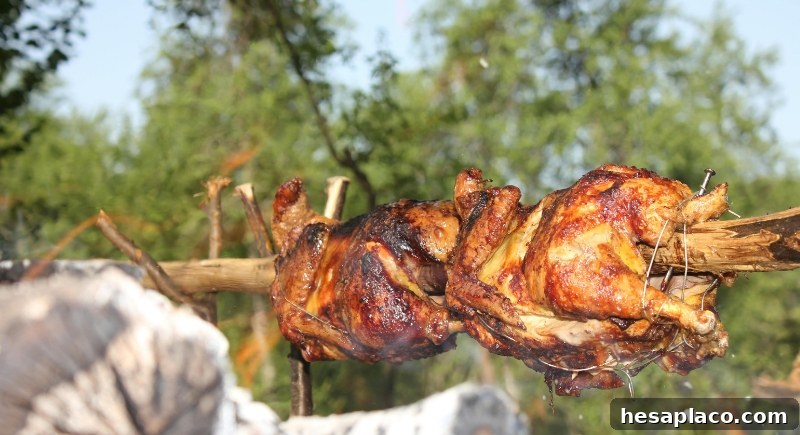
Large feasts required spit boys to turn heavy roasting spits by hand for hours. These young workers endured heat, smoke, and splattering grease while standing beside open fires. Long celebrations meant prolonged shifts without rest, and burn injuries, exhaustion, and heat-related ailments were constant occupational hazards.
Lime Burner
Credit: flickr
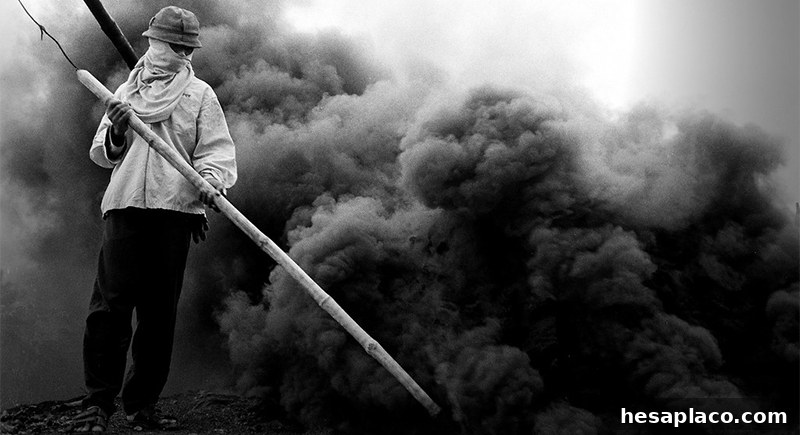
Lime burners converted limestone into quicklime in kilns heated to extreme temperatures—sometimes reaching around 1,500°F. Workers loaded stone, stoked fires, and handled hot materials while inhaling dust and fumes. Long shifts and intense heat caused exhaustion, dizziness, and frequent respiratory and skin problems.
Rat Catcher
Credit: Facebook
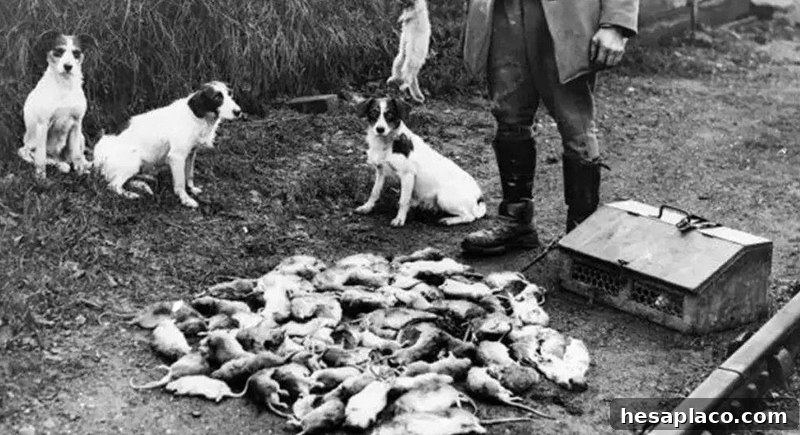
Rats infested medieval towns, threatening food stores and spreading disease. Rat catchers worked in cramped alleys, cellars, and barns using traps, poisons, and sometimes bare hands to control infestations. Their work exposed them to bites, fleas, and decomposing carcasses, making it both hazardous and socially unpleasant.
Treadwheel Operator
Credit: Reddit
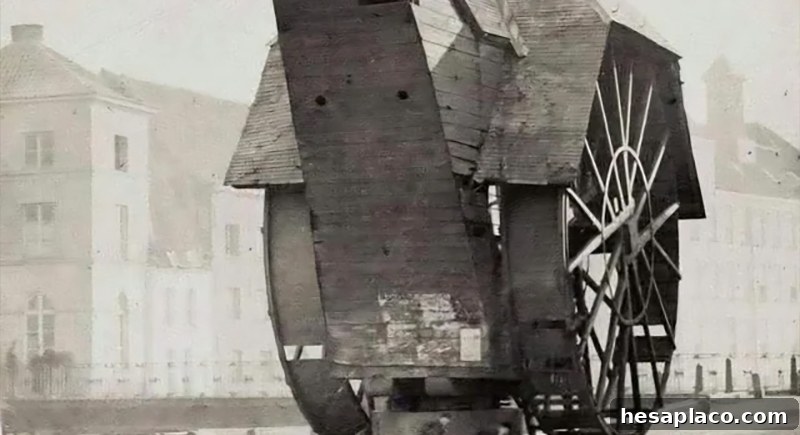
Treadwheels lifted heavy loads to build cathedrals and castles. Workers walked inside large wooden wheels for hours, powering hoists without brakes or safety systems. One misstep could cause a fall or let a load swing free. The higher a project rose, the greater the danger; historians note that even blind or disabled people were sometimes employed in these perilous machines.
Food Taster
Credit: Reddit
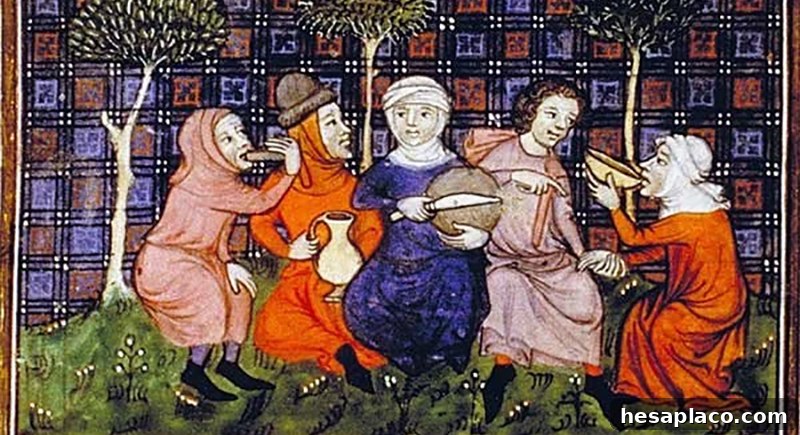
Royal food tasters sampled dishes before they reached the monarch to detect poisoning. They tasted multiple courses and then waited for symptoms, repeatedly risking their lives with each meal. Though the role protected powerful figures, it offered little status or security for those who served as human safeguards.
Dishwasher
Credit: pixabay
Dishwashers cleaned plates and cookware using abrasive materials such as sand, ash, or lye and often worked in basins of reused greasy water. Prolonged exposure to these substances and constant wet conditions damaged skin and health. The work was tiring, low-status, and commonly dismissed by scholars as menial despite its necessity.
Arming Squire
Credit: iStockphoto
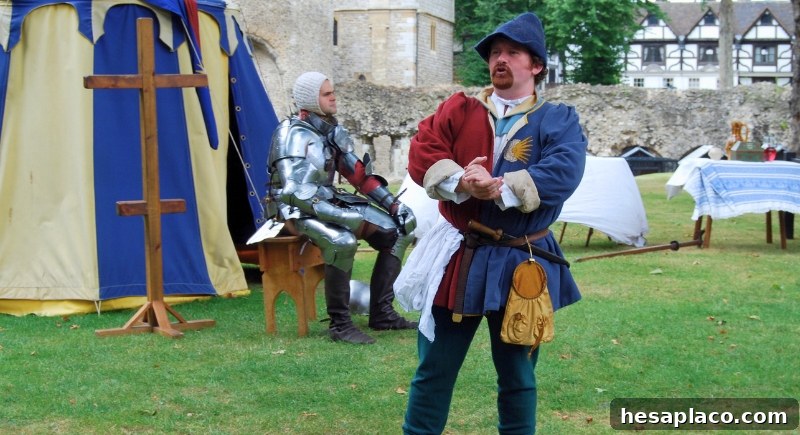
Youth who aspired to knighthood began as arming squires, carrying equipment, grooming horses, and maintaining armor. In battle they ran risky errands, often unarmed, to retrieve or deliver gear. The job trained them for knighthood but exposed teenagers to combat dangers that sometimes proved fatal.
Fuller
Credit: flickr
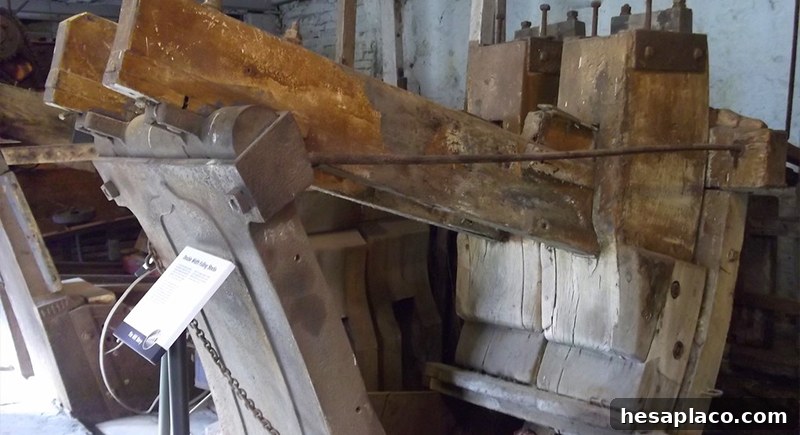
Fullers cleaned and treated woolen cloth using tubs containing stale urine and other alkaline substances. The ammonia helped remove oils and impurities, but constant contact led to breathing issues and skin irritation. Though indispensable to the textile trade, fullers often remained socially stigmatized because of the smells and materials they handled.
Leech Collector
Credit: Wikimedia Commons
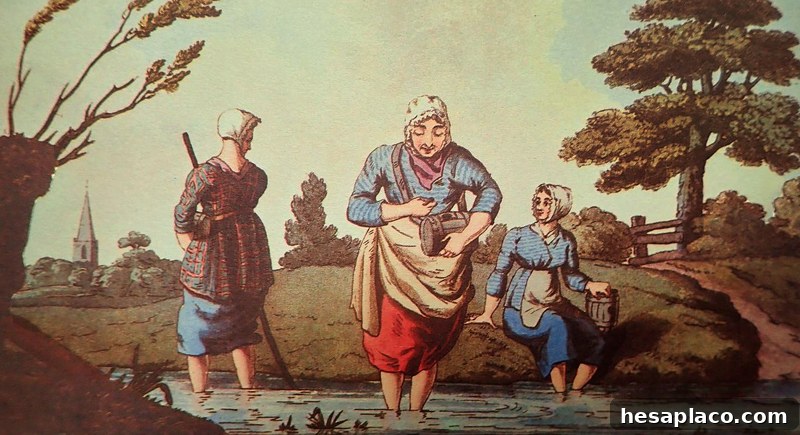
Physicians relied on leeches for bloodletting, so collectors waded into marshes and ponds barefoot to gather them. The bites were painful and often left lasting marks; collectors also faced cold, damp conditions, low pay, and the constant risk of infection from the aquatic environment.
Tooth Drawer
Credit: Wikimedia Commons
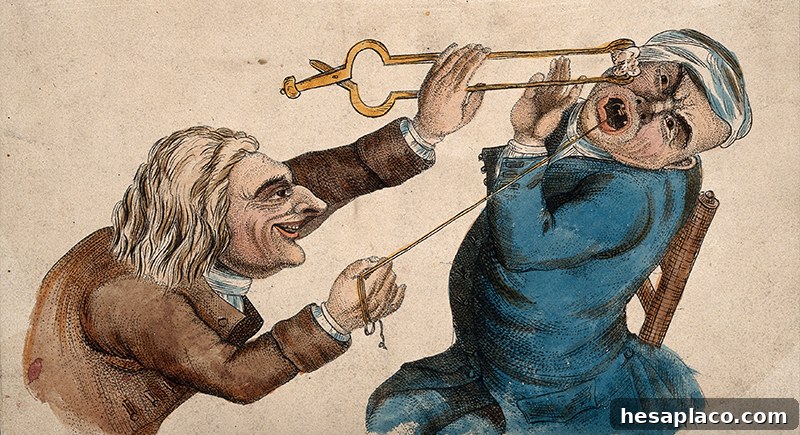
Before formal dentistry, tooth drawers offered extractions in markets and taverns with rudimentary tools like pliers. Procedures were painful and unsanitary, often causing infections, jaw injuries, or worse. Despite the risks, people sought these practitioners because there were few alternatives for severe dental pain.
Fulling Millers
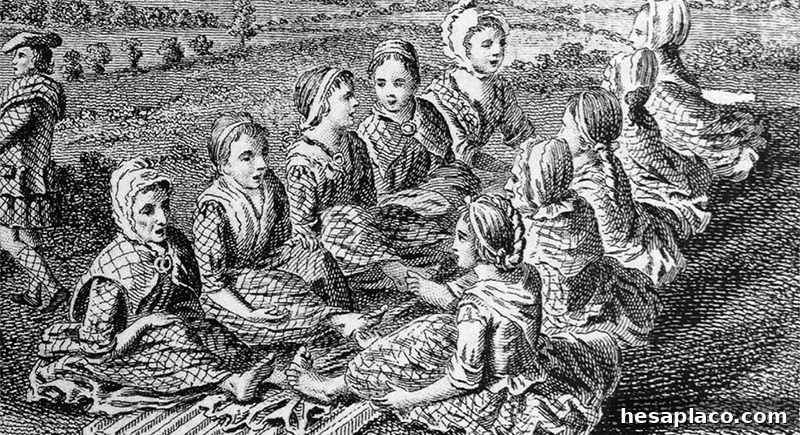
Credit: Wikimedia Commons
Fulling mills processed dirty newly woven cloth by pounding, washing, and treating fabric in tubs of water, clay, and sometimes urine. Workers spent long hours on cold floors with wet hands and sore legs before the cloth was set under heavy wooden hammers. The combination of physical strain and foul smells made the trade exhausting and socially unpleasant.
Sin-Eater
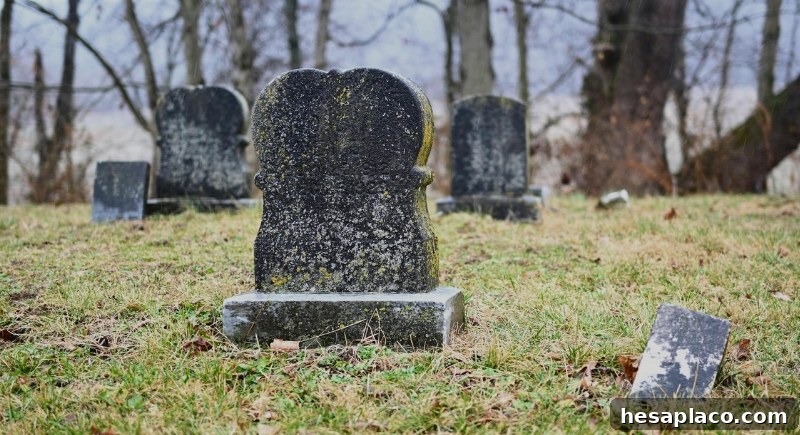
Credit: pexels
Sin-eaters performed a grim ritual at funerals, consuming food and drink laid on or near the corpse so that the deceased’s sins were ritually transferred to the eater. Families often sought them during grief, yet afterwards sin-eaters were treated as social outcasts, carrying a spiritual burden that separated them from ordinary communal life.
These occupations illustrate the broad spectrum of medieval labor: physically demanding, often hazardous, and socially marginal. While many of these jobs were essential to urban life, courtly ritual, and industry, those who performed them frequently paid a steep price in health, reputation, and security.