
February brought a modest but meaningful shift in the housing market. Pending home sales rose 1.8% from January, even as overall activity remained slightly below last year’s levels. While this is not a dramatic jump, it matters because pending sales reflect actual buyer commitments — many of these contracts will close within the next month or two. That makes this data a useful near-term indicator of where the market is headed.
A Quiet Rebound Is Taking Shape
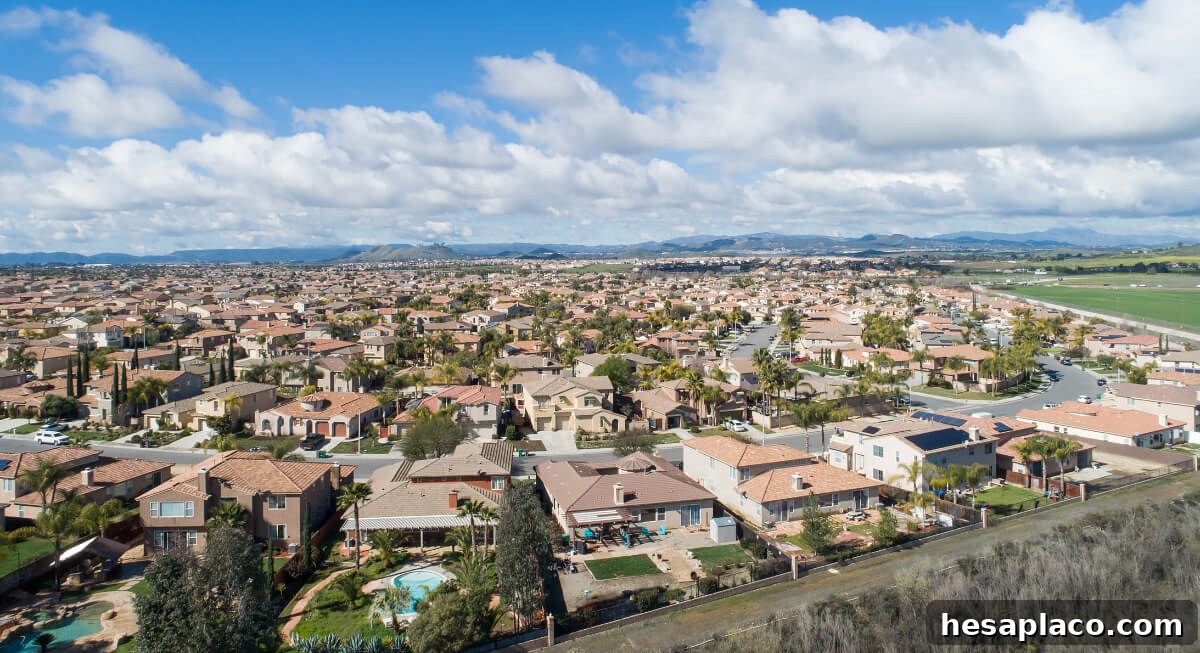
Credit: Canva
After several months of softer activity, the small 1.8% increase suggests buyers are stepping in when conditions feel right. The year-over-year decline of 0.8% keeps expectations tempered, indicating the market is finding stable footing rather than accelerating. Stability in housing often emerges gradually, and this uptick looks like one of those incremental steps.
Inventory Is Starting To Change The Mood

Credit: pexels
More listings are appearing in several key regions, especially in the South and West, giving buyers something they’ve lacked for a while: real choice. Active inventory is roughly 8% higher than a year ago in many markets. With more options, buyers can be more selective, and contract signings become easier to commit to rather than rushed decisions made under shortage-driven pressure.
The Midwest Is Quietly Leading The Charge

Credit: Canva
The Midwest recorded the strongest monthly gain, up about 4.6%. Lower home prices in that region are helping buyers cope with higher borrowing costs, making homes more attainable for many. The Midwest often offers a clearer view of underlying demand because affordability allows buyers to act even when financing is more expensive.
The Northeast Tells A Different Story

Credit: Getty Images
By contrast, the Northeast continued to lag, showing a 12.1% decline year over year. Higher prices combined with tighter supply are constraining buyer activity. Fewer listings mean fewer opportunities to sign contracts, so while some regions gain momentum, the Northeast still faces headwinds that limit transaction volumes.
Mortgage Rates Still Call The Shots

Credit: pexels
A brief dip in mortgage rates earlier in the year created a small window for buyers, and many responded. Since then, rates have edged upward again due to global pressures, making the market more sensitive to timing. Buyers now pay closer attention to rate movements than during the recent peak frenzy, and that sensitivity affects how quickly deals move forward.
Buyer Leverage Is Slowly Growing

Credit: pexels
Rising inventory is giving buyers modestly more negotiating power. While sellers still hold advantages in many areas, conditions are less one-sided than in prior years of tight competition. As buyers push back more on price and terms, transactions tend to be more deliberate, and deals often close at a steadier, less rushed pace.
The Market Is Running On Two Speeds

Credit: pexels
Regional differences are creating two distinct market experiences. In well-supplied areas, prices are softer and deals are more flexible. In regions with limited inventory, competition remains intense. This divergence means buyers’ experiences vary widely depending on location — some areas are seeing expanding choices while others continue to face scarcity.
First-Time Buyers Are Still Playing Catch-Up

Credit: pexels
Many first-time buyers still face hurdles entering the market. Building credit, saving for a down payment, and working through lease timelines take time, so even when market conditions improve, not everyone can move quickly. That lag shows up in pending contract figures and helps explain why demand can be cautious despite greater supply in some areas.
Pending Sales Still Act As A Crystal Ball

Credit: Canva
Because most signed contracts close within one to two months, the increase in pending sales offers more than a single data point. While not every contract closes without issue, the pattern of rising agreements is a reliable indicator of underlying momentum. A steady flow of new contracts suggests the market is adjusting rather than stalling, preparing for the next phase.
2026 Is Leaning Toward Balance, Not Boom

Credit: Canva
Current data point toward a calmer, more balanced year rather than a dramatic boom. Inventory is improving in several regions and buyers are regaining a degree of leverage, which supports steadier market conditions. The February rise in pending sales doesn’t signal a surge, but it does indicate the market retains energy — moving, however, at a steadier and more measured pace.