
New technologies rarely feel comfortable at first. When unfamiliar innovations emerge, people naturally question them: Is it safe? Is it worth the cost? Will it displace jobs or change daily life in unwanted ways? Early reactions are often skeptical and sometimes openly hostile. Critics speak up, headlines grow dramatic, and established industries push back.
Over time, much of that resistance softens. Many inventions we now accept were once ridiculed, feared, or dismissed as unnecessary. Revisiting those early responses helps normalize the instinct to doubt change and offers perspective: what feels disruptive today may become an ordinary part of life tomorrow.
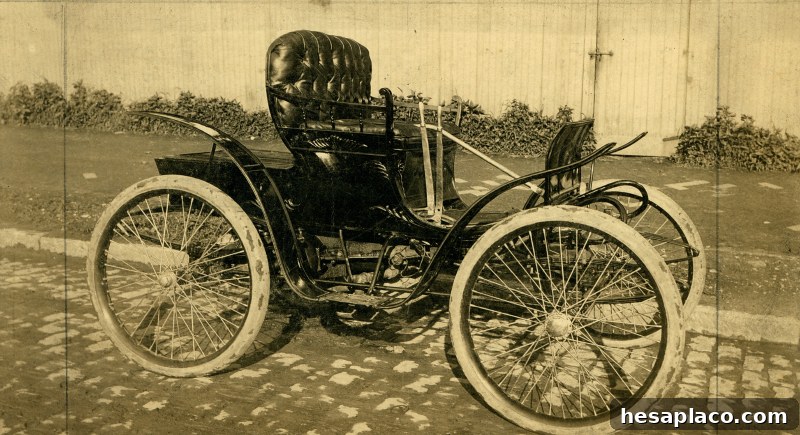
Automobiles Were Seen as Financial and Practical Risks
Credit: Wikimedia Commons
Early automobiles struggled to be taken seriously beyond novelty. Newspapers questioned their practicality, and some business figures predicted horses would remain dominant. Entire urban economies relied on stables, feed, and carriage repair, so supplanting those systems seemed unrealistic to many observers.
Elevators Provoked Anxiety When Operators Disappeared
-

Credit: Youtube
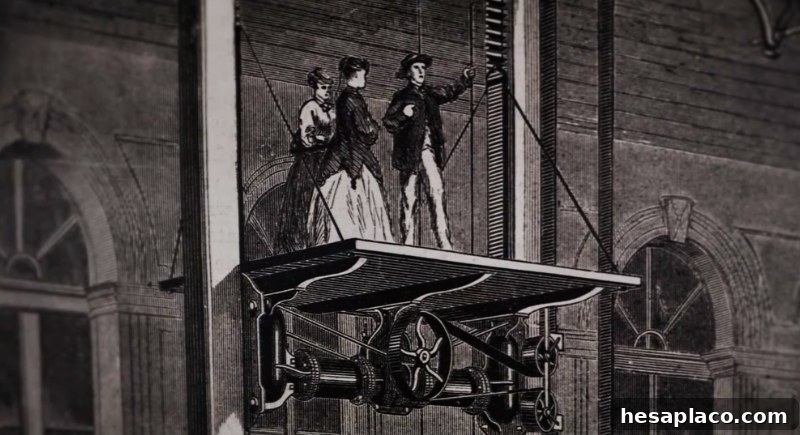
When automatic elevators began appearing around 1900, riders hesitated at the doors. Many stepped inside expecting a uniformed operator, then stepped back out. Letting passengers press buttons and rely on unseen machinery felt risky in an era when vertical travel already inspired unease in tall commercial buildings.
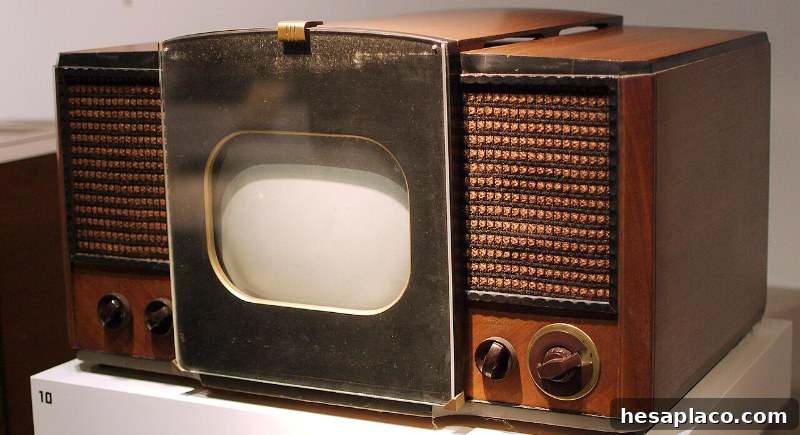
Television Faced Doubters Among Industry Leaders
Credit: Wikimedia Commons
In 1946, some film and radio executives predicted television would fade. They argued audiences would tire of staring at a flickering screen and that radio and cinema already satisfied entertainment needs. Those early dismissals reflect how established industries often underestimate new formats that later transform everyday life.
Early Refrigerators Had Documented Safety Hazards

Credit: Wikimedia Commons
The first household refrigerators used toxic gases such as methyl chloride and ammonia. Leaks released dangerous fumes, and a number of fatal incidents occurred when people were sleeping. Ice delivery companies used these risks in their advertising, urging customers to distrust chemical cooling systems brought into homes.
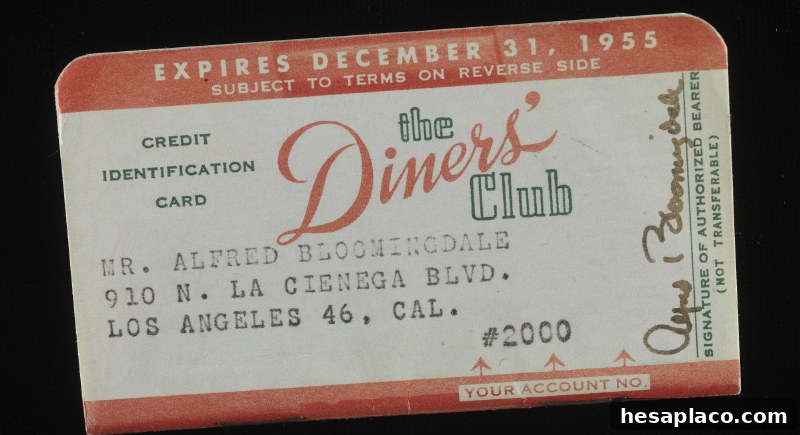
Credit Cards Triggered Fraud and Legislative Response
Credit: National Museum of American History
When Bank of America mailed two million unsolicited credit cards in 1958, the experiment created large losses. The bank experienced high delinquency rates and millions of dollars in fraud. Merchants had already expressed distrust, and the scale of the fallout prompted Congress to ban unsolicited mass mailings of credit cards.
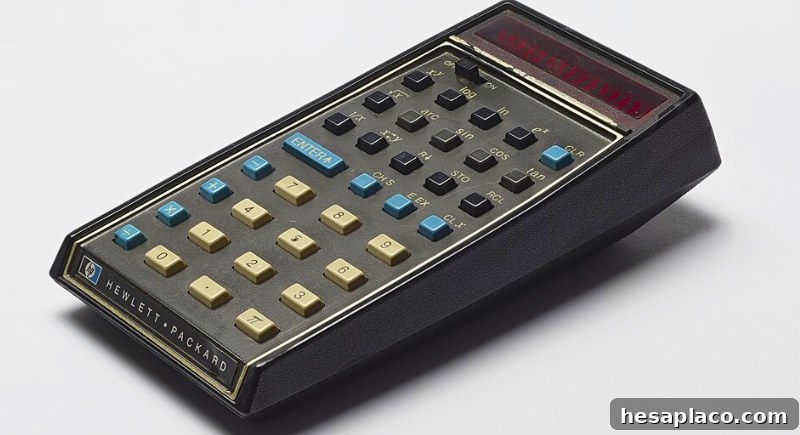
Calculators Sparked Organized Protests
Credit: Wikimedia Commons
By the mid-1980s, resistance to handheld calculators escalated into public protest. Some math teachers picketed conferences with signs calling for bans, arguing that reliance on calculators would erode students’ fluency in basic arithmetic. The debate framed technology as a threat to mental discipline and traditional teaching methods.
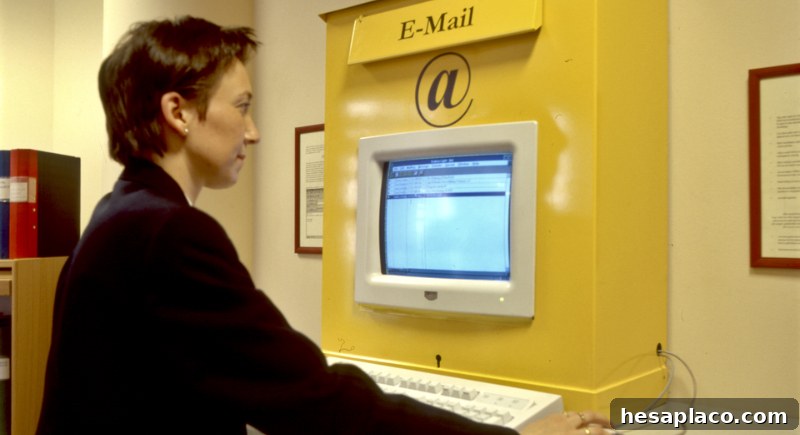
Email Met Corporate Resistance
Credit: Wikimedia Commons
Early email systems in corporations encountered resistance from senior leaders who preferred dictated memos and printed letters. Some executives refused to read messages on screens and relied on assistants to summarize correspondence. Companies worried that constant digital communication would distract employees and erode formal business etiquette.
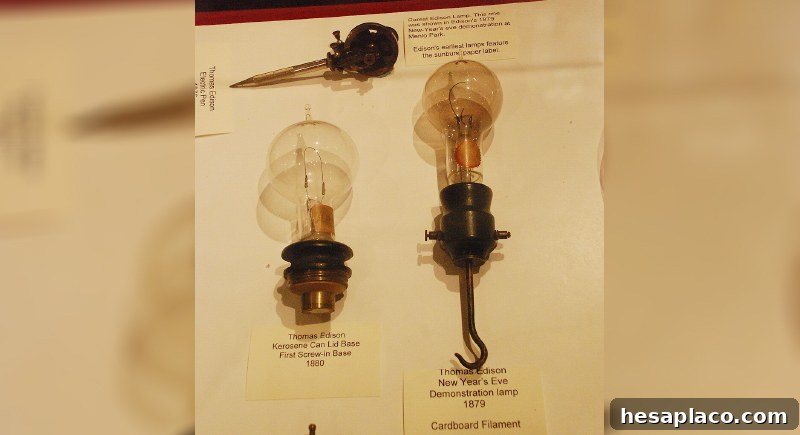
Light Bulbs Were Publicly Dismissed by Authorities
Credit: Wikimedia Commons
When Thomas Edison demonstrated a practical incandescent bulb in 1878, some British officials were unimpressed. A Parliamentary committee called the idea unworthy of serious attention, and others dismissed the vision of widespread electric lighting as fanciful. Gas lighting was entrenched, so centralized electric systems seemed implausible at the time.
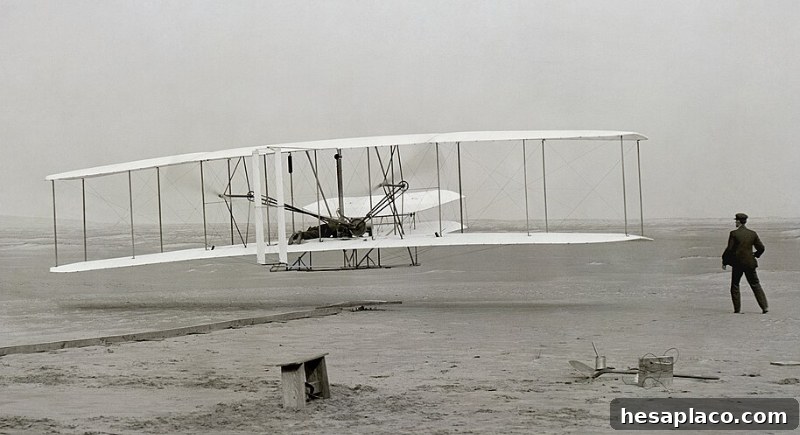
Airplanes Were Seen as Strategically Insignificant
Credit: Wikimedia Commons
After the Wright brothers’ twelve-second flight in 1903, many military leaders remained unconvinced. In 1911, some dismissed aircraft as mere scientific toys without strategic value. Within a decade, however, airplanes were carrying mail across oceans and fundamentally reshaping warfare during the First World War.
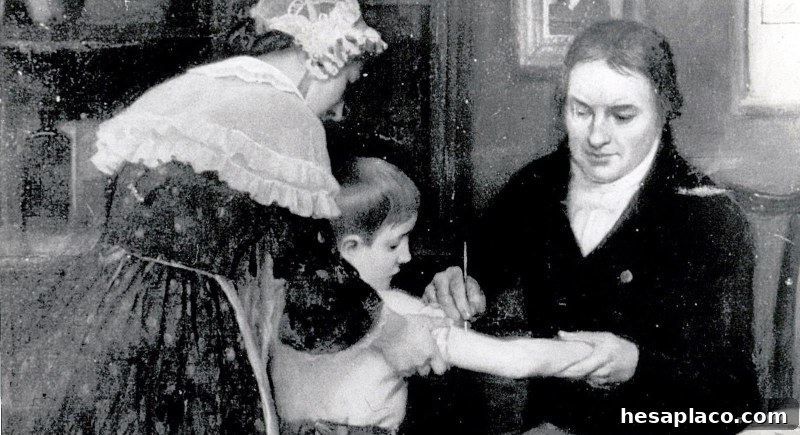
Vaccination Mandates Prompted Organized Legal Challenges
Credit: Smithsonian Magazine
During smallpox outbreaks in the 1870s, vaccination requirements in the United States gave rise to organized opposition. Anti-vaccination leagues formed and challenged compulsory immunization laws in local courts and eventually the Supreme Court, where they were unsuccessful. Decades of vaccination campaigns contributed to the eventual eradication of smallpox in 1980.
These historical examples show a recurring pattern: new technologies often provoke fear, skepticism, and organized resistance before becoming accepted. Understanding that cycle can help frame current debates more clearly, distinguishing legitimate concerns from reflexive opposition and making room for thoughtful adoption and regulation.