
The goal of a smart retirement strategy is to ensure your money lasts as long as you do. Yet many people unintentionally make choices that erode their savings long before they recognize the harm. Small missteps can turn into major setbacks—but most of these mistakes are avoidable.
Knowing what to watch for helps you save more and preserve peace of mind. Read on for clear, practical guidance to protect and grow your retirement funds.
Waiting for the Right Time to Save

Credit: freepik
Putting off retirement savings because it feels like a distant problem is a costly habit. Starting early lets compound interest work in your favor. Someone who begins saving in their 20s can often retire with double or triple the balance of someone who starts in their 40s. That outcome isn’t luck—it’s mathematics. Even modest contributions started early can grow significantly over decades.
Underestimating Healthcare Costs

Credit: Canva
Medicare does not cover everything. Prescription drugs, dental care, vision, and long-term care often come out-of-pocket. Industry estimates show retirees may spend tens of thousands—sometimes nearly $165,000—on healthcare during retirement. Including realistic healthcare costs in your retirement plan is essential, not optional.
Claiming Social Security Too Early

Credit: Getty Images
You can begin Social Security benefits at age 62, but doing so permanently reduces your monthly payment. Delaying benefits until age 70 can substantially increase your monthly check—sometimes by more than 70% compared with claiming at 62. If you’re in good health and have other sources of income, postponing benefits can be a powerful strategy to boost lifetime income.
Neglecting Inflation’s Impact

Credit: freepik
Inflation quietly reduces purchasing power over time. Goods and services that cost $100 a decade ago may cost significantly more today. If your savings remain stagnant or grow too slowly, inflation will erode their value. To preserve your standard of living, include investments that have a reasonable chance to outpace inflation.
A Big Spending Spree Right Away

Credit: freepik
It’s natural to want to enjoy retirement—new cars, trips, or home renovations are tempting. But overspending early in retirement can deplete your nest egg within the first decade. If you expect retirement to last 20–30 years, pacing discretionary spending and creating a sustainable withdrawal plan are crucial to avoid running out of money.
Failing to Adjust Your Investments

Credit: freepik
An allocation that suited you in your 30s can be risky in your 60s. As retirement nears, tolerance for market volatility typically decreases. That doesn’t mean moving everything to cash, but it does mean rebalancing to lower overall risk while preserving growth potential. Regularly reviewing and adjusting your portfolio helps protect against major market downturns.
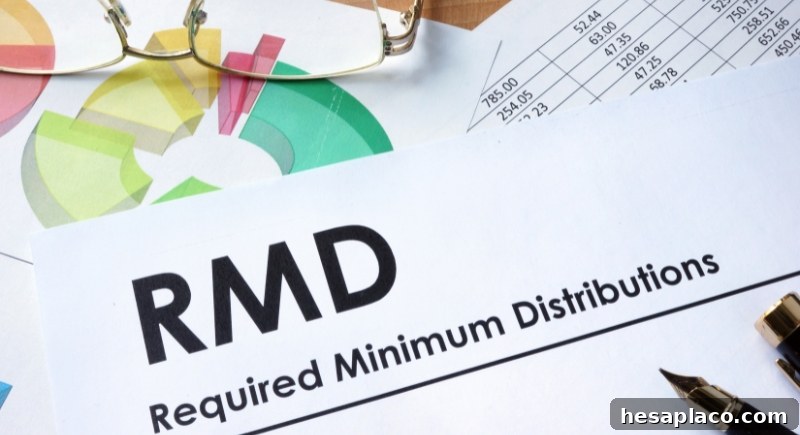
Missing Required Minimum Distributions (RMDs)
Credit: Getty Images
Beginning at age 73, the IRS requires withdrawals—Required Minimum Distributions—from certain retirement accounts. Failing to take RMDs on time can lead to steep penalties, historically as high as 25% of the missed amount. Track deadlines carefully and plan withdrawals to avoid unnecessary taxes and fines.
Overconcentrating in Employer Stock

Credit: pixabay
Holding a large portion of your portfolio in your employer’s stock can leave you doubly exposed: if the company struggles, you risk both your income and your savings. Diversification reduces employer-specific risk and helps protect your financial future from the impact of a single company’s performance.
Ignoring Taxes in Retirement

Credit: freepik
Retirement doesn’t automatically mean tax-free income. Withdrawals from traditional 401(k)s and IRAs are taxable, and Social Security benefits can be partially taxable depending on your combined income. Tax-aware strategies—such as Roth conversions, planned withdrawals, and timing income—can reduce lifetime tax bills and help you retain more of your savings.
Neglecting Estate Planning

Credit: Getty Images
Estate planning isn’t only for the wealthy. Without up-to-date wills, beneficiary designations, and other documents, your assets may be distributed according to default state rules rather than your wishes. Regularly review and update estate documents so your intentions are clear and your loved ones avoid legal complications and stress.
Insufficient Emergency Savings

Credit: Getty Images
Surprise expenses don’t stop in retirement—roof repairs, unexpected medical bills, or family emergencies can arise. Without a dedicated emergency fund, retirees may withdraw from retirement accounts and incur taxes or penalties. Aim for an emergency reserve of six to twelve months of living expenses in a liquid, high-yield account to avoid disrupting long-term plans.
Failing to Plan for Longevity

Credit: Canva
Life expectancies continue to rise, and many retirees may spend 30 years or more in retirement. Planning for only 10–20 years risks outliving your resources. Build plans that account for longer horizons through conservative withdrawal rates, inflation-adjusted income, and investments designed to provide growth over time.
Being Vulnerable to Scams

Credit: Getty Images
Scammers often target older adults with increasingly sophisticated tactics, from fake government calls to fraudulent investment offers. In recent years, older Americans have lost substantial sums to scams. Stay vigilant: ignore unsolicited requests for money or personal information, use fraud alerts, consider freezing credit if needed, and consult a trusted advisor before making major financial moves.
Keeping a Home That’s Too Big

Credit: freepik
Large homes carry high upkeep—property taxes, utilities, and maintenance can quietly drain retirement savings. Downsizing to a smaller home or relocating to a lower-cost area can free up cash, reduce monthly expenses, and simplify life without sacrificing comfort.
Skipping Professional Advice

Credit: Canva
DIY planning can work up to a point, but financial professionals can identify gaps, suggest tax-efficient strategies, and tailor a plan to your specific situation. Even a single session with a qualified advisor can uncover opportunities and help you make smarter choices that improve long-term security.
Overlooking Investment Fees

Credit: Getty Images
Small annual fees add up. A 1%–2% expense ratio may seem trivial but can erode thousands of dollars over decades. Regularly review the costs of funds and accounts, and choose low-fee options where appropriate to keep more of your returns working for you.
Not Coordinating Retirement Plans With Your Spouse

Credit: Getty Images
When partners don’t align on savings, retirement age, or spending, the household plan can break down. Discuss goals, coordinate contributions, and agree on a withdrawal strategy before disagreements turn into costly mistakes. Clear communication and shared planning help build a stronger retirement together.
Smart retirement planning combines realistic assumptions, disciplined saving, thoughtful investment choices, tax-aware strategies, and occasional professional advice. Avoid these common pitfalls and your money will be better positioned to support the life you want in retirement.