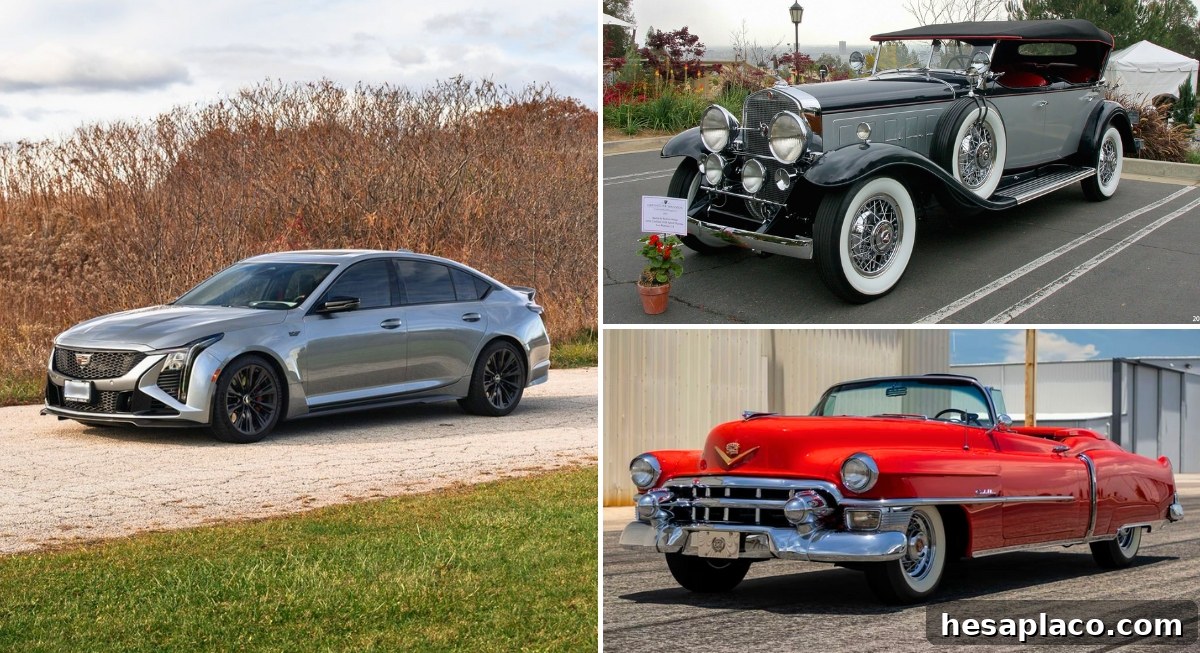
Cadillac has taken plenty of swings over the decades, and when the company got things right the results were unforgettable. Moving beyond pure opulence, Cadillac experimented with performance, bold styling, and new technologies—sometimes all at once. From classic land yachts to modern performance sedans, adventurous wagons, and early luxury EVs, these models represent moments when Cadillac confidently pushed the brand forward. Below are ten standout Cadillacs that earned attention for getting the formula right, breaking conventions, or leaving a lasting mark on automotive history.
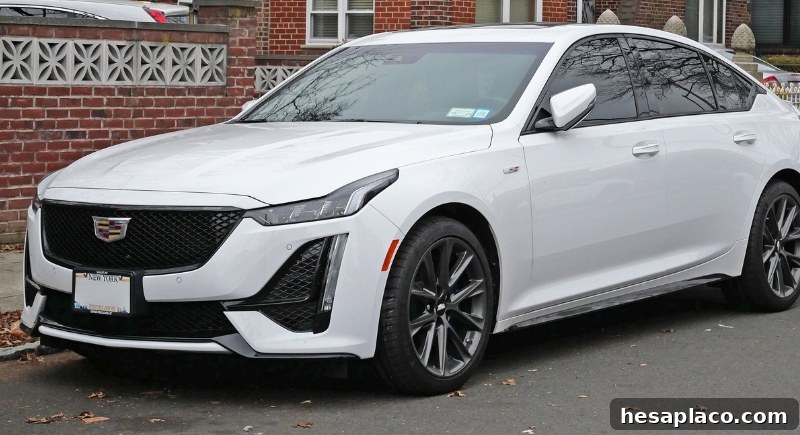
2021 CT5‑V Blackwing Delivered Real Muscle
Credit: Wikimedia Commons
The CT5‑V Blackwing served as Cadillac’s swan song for high‑performance internal‑combustion sedans. Under the hood sat a supercharged 6.2‑liter V8 producing 668 horsepower, driving the rear wheels through either a performance automatic or one of the last factory six‑speed manuals offered in a modern performance sedan. With track‑ready underpinnings, a purposeful chassis, and exceptional brakes, the Blackwing earned immediate praise from critics and enthusiasts alike and reinforced Cadillac’s ability to build a true American sports sedan.
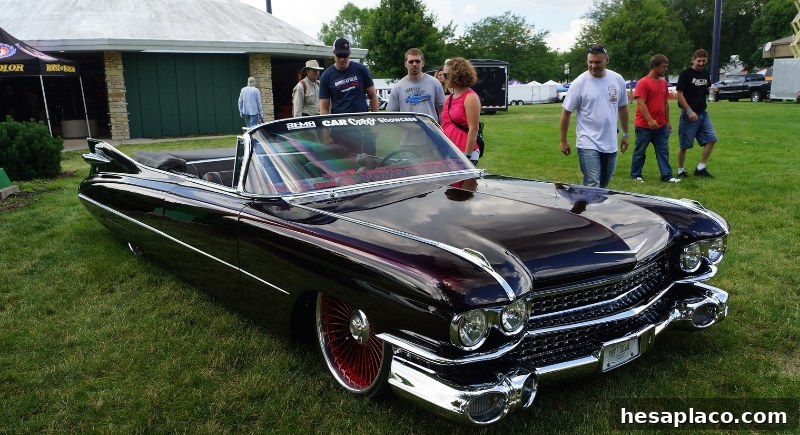
1959 Series 62 Had Fins Taller Than Your Knees
Credit: Wikimedia Commons
The 1959 Series 62 is an emblem of late‑1950s American automotive excess. Its towering tailfins, dual bullet taillights, low‑slung profile, and chrome‑laden front end made it instantly recognizable and culturally resonant. More than just transportation, the Series 62 was wearable status—an automotive billboard that announced presence and prosperity during an era when styling drama mattered most.
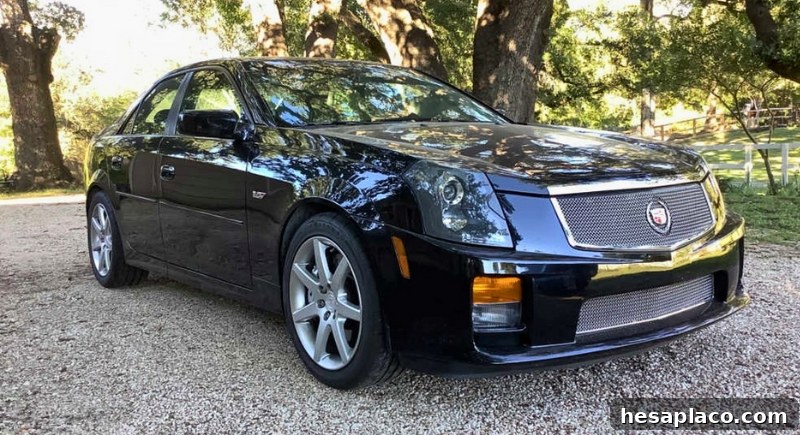
2004 CTS‑V Made Cadillac Loud Again
Credit: Instagram
The 2004 CTS‑V marked the moment Cadillac returned to performance with authority. Swapping in the Corvette Z06’s LS6 V8 and a six‑speed manual to a mid‑size sedan yielded roughly 400 horsepower and a chassis tuned for aggressive handling. The CTS‑V proved Cadillac could compete with European sport sedans on both speed and driver engagement, delivering a wake‑up call to established performance marques.
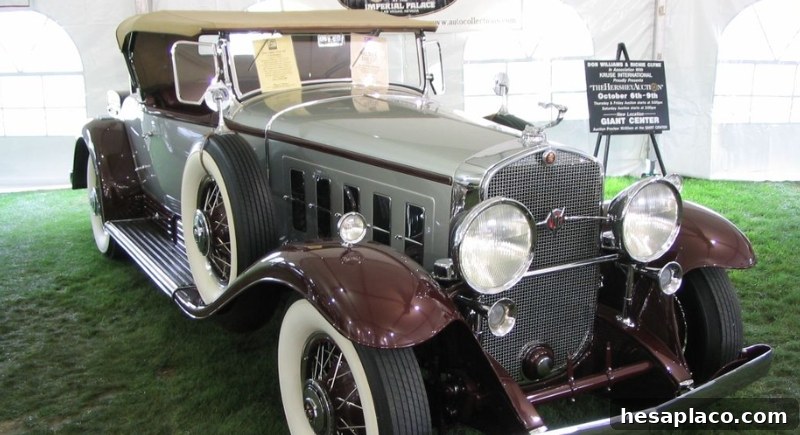
1930 V16 Wasn’t Built For Speed—It Was Built For Smooth
Credit: Wikimedia Commons
When Cadillac introduced the V16, the goal wasn’t outright pace but supreme refinement. The handcrafted V16 engines delivered effortless power and whisper‑smooth operation that catered to the most affluent owners of the era. Although introduced during the Great Depression—limiting sales—the V16 cemented Cadillac’s reputation as a builder of ultra‑luxury automobiles designed to be chauffeured in absolute comfort.
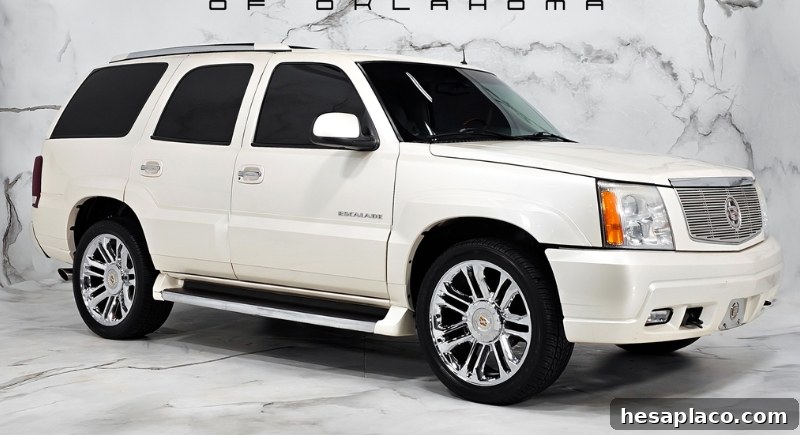
2002 Escalade Redefined What Luxury Could Look Like
Credit: Facebook
Arriving just as the luxury SUV wave surged, the 2002 Escalade turned an SUV into a cultural phenomenon. With a powerful V8, a spacious and lush cabin, and a bold visual presence, the Escalade became a visible symbol of success—especially in entertainment and celebrity circles. Its unapologetic size and conspicuous styling helped restore Cadillac’s cultural relevance and broaden the definition of American luxury.
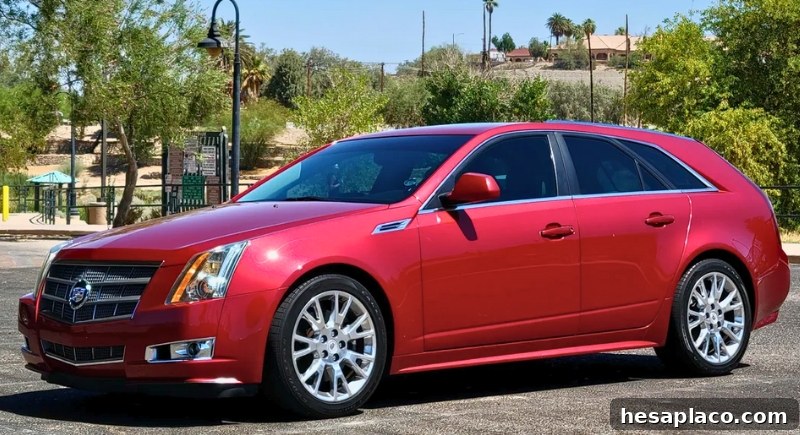
2010 CTS‑V Wagon Didn’t Make Sense—Which Is Why It Was Great
Credit: Reddit
The CTS‑V Wagon was an unapologetically niche high‑performance package: a station wagon fitted with a supercharged 6.2‑liter V8 producing 556 horsepower, sport suspension, and the option of a manual transmission. Its combination of practicality and extreme performance confused traditional market logic but earned it a dedicated following. Today, the rare CTS‑V Wagons are prized by collectors who appreciate their unusual blend of utility and speed.
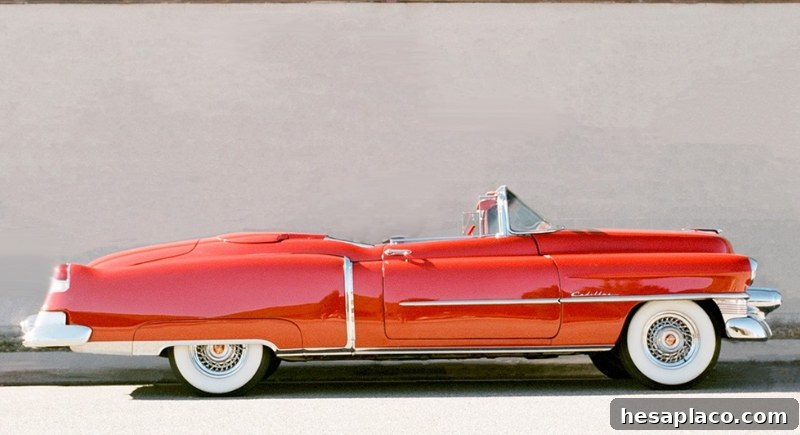
1953 Eldorado Packed Flash Into Just One Year
Credit: Facebook
The 1953 Eldorado was a limited‑production showpiece built to impress. With only 532 units made, it featured power accessories, a power‑operated convertible top, and a dramatic wraparound windshield that emphasized glamour. Under the hood, a 5.4‑liter V8 provided effortless cruising power, while the richly appointed interior reinforced its place as a halo model for Cadillac’s postwar image.
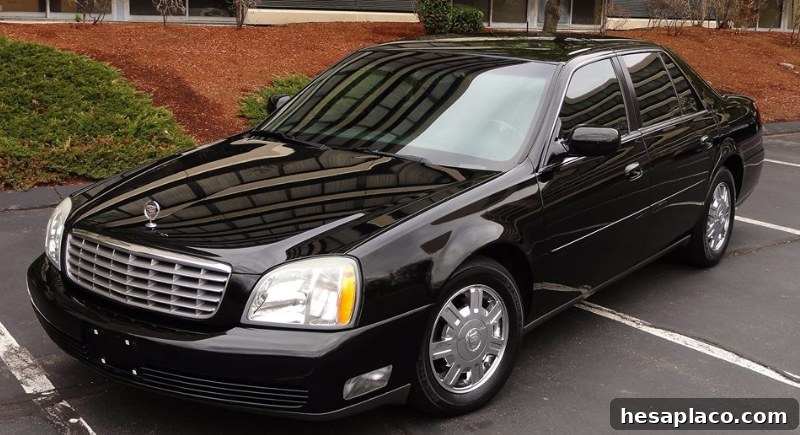
2003 DeVille Didn’t Chase Trends
Credit: Wikimedia Commons
In an era when many manufacturers chased sportiness, the 2003 DeVille doubled down on traditional American luxury. Large proportions, supple suspension tuning, and a leather‑clad interior prioritized comfort over cornering prowess. Powered by Cadillac’s Northstar V8, the DeVille appealed to buyers who valued quiet refinement and a relaxed driving experience rather than emulating European handling benchmarks.
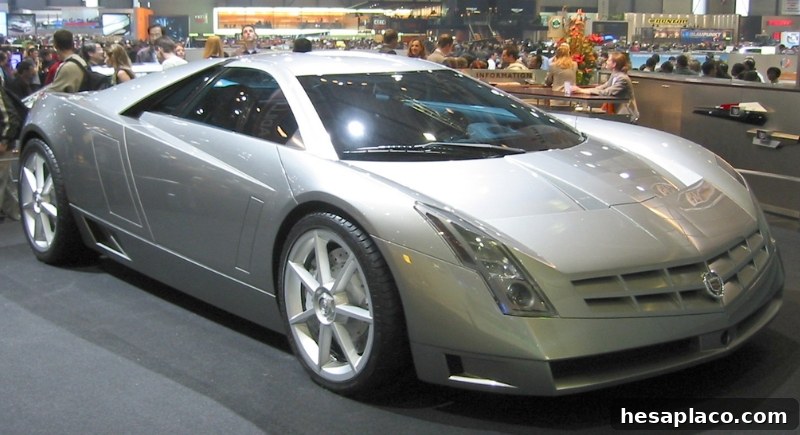
2002 Cien Was A Supercar That Never Happened
Credit: Wikimedia Commons
The Cien concept was Cadillac’s centennial dream: a dramatic supercar with a mid‑mounted 7.5‑liter V12 reportedly tuned to about 750 horsepower and extensive carbon fiber construction. Cosworth contributed to the engine design, signaling serious engineering intent. Although the Cien remained a concept and never entered production, it demonstrated Cadillac’s willingness to envision a halo vehicle that could compete on the world stage and stretch the brand’s design language.
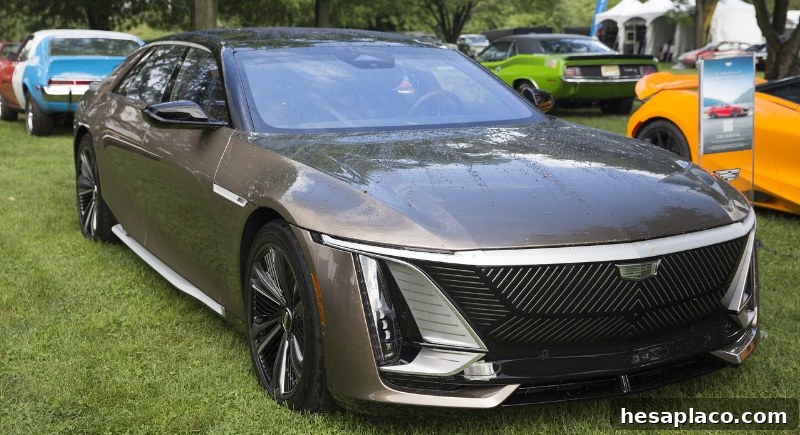
2025 Celestiq Took Cadillac Into The Future
Credit: Wikimedia Commons
The Celestiq represents Cadillac’s transition into an electric, design‑led future. With a price tag near $300,000 and fully bespoke builds, each Celestiq is customized to its owner. The interior evokes a futuristic lounge, and signature features such as a multi‑panel dimmable glass roof emphasize craftsmanship and attention to detail. More than a halo EV, the Celestiq signals Cadillac’s intention to redefine luxury around technology, materials, and personalized design rather than traditional powertrains.
Across a century of changing tastes and technological shifts, these ten Cadillacs illustrate the brand’s capacity to reinvent itself—sometimes conservatively, sometimes outrageously—but always leaving a clear imprint on automotive culture. Whether through daring styling, bold powertrains, or forward‑thinking concepts, these models capture moments when Cadillac aimed high and, often, hit the mark.