
Outlet shopping can feel like a small victory: familiar brands, bold discount signs, and the thrill of thinking you’ve scored a smart bargain. But appearances can be deceiving. Many outlet items are made differently than their full-price counterparts—using cheaper materials, simplified construction, or outlet-only designs—while still carrying the same logo. Confusing price tags and comparisons can turn apparent deals into false savings. Knowing which outlet purchases to avoid will help you spend more wisely and avoid regret.
Leather Bags and Jackets
Credit: Getty Images
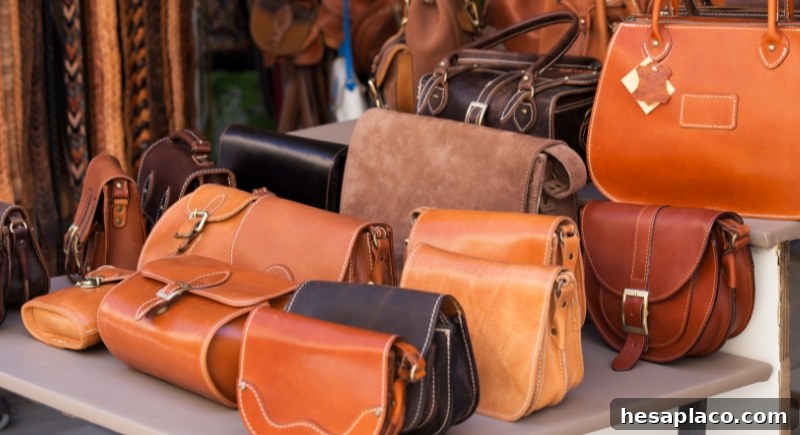
High-quality full-grain leather develops character and value over time. Outlet versions often use bonded leather, corrected hides, or heavy surface finishes that look polished under store lights but rarely age well. Within months you may notice stiffness, cracking at seams, and finish wear that lets moisture in. For items meant to last, skimping on leather quality usually ends up costing more in replacements and repairs.
Shoes Made for Outlets
Credit: Canva
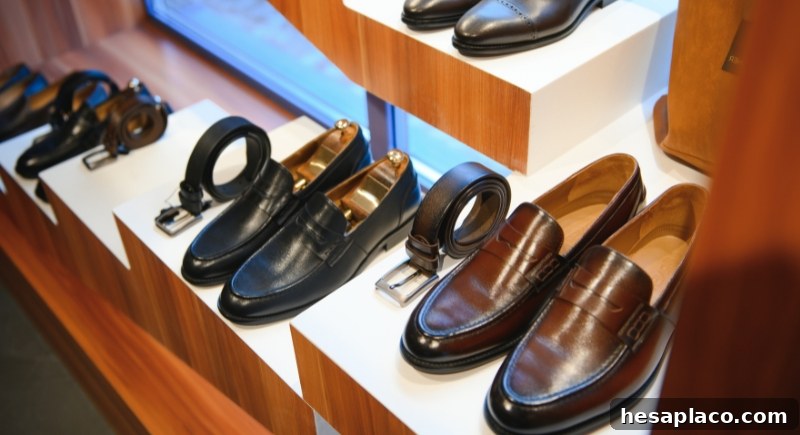
Shoes designed specifically for outlet channels often use glued soles, thinner midsoles, and lower-grade foams that compress unevenly. They may look fine initially, but feel flat, stiff, or unsupportive after a few wears. Because footwear affects posture and joint comfort, lower-quality construction carries physical costs as well as financial ones. Replacing “bargain” shoes quickly can erase any short-term savings.
Refurbished Electronics from Third Parties
Credit: pexels
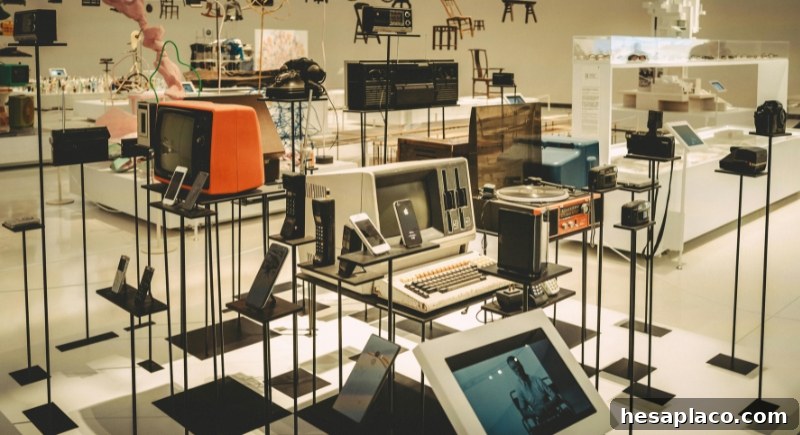
Refurbished electronics can deliver good value when backed by a reliable warranty and transparent return policy. Trouble starts when third-party sellers offer limited or unclear support. Batteries degrade with time and repairs can be costly—without solid coverage, an attractive price can turn into a risky gamble. Always check warranty terms, who performs repairs, and whether parts and service are accessible.
Cosmetics and Skincare Sets

Credit: Canva
Beauty products at outlets can sit in storage longer or move through multiple distribution channels before reaching shelves. Formulas degrade over time, and exposure to heat during shipping or storage can change texture, scent, and performance. Dermatologists warn that older or expired cosmetics increase the risk of irritation—especially near the eyes and lips. Check seals, expiration dates, and packaging condition; if anything seems off, it’s safer to pass.
Outlet-Only Clothing Lines
Credit: pexels
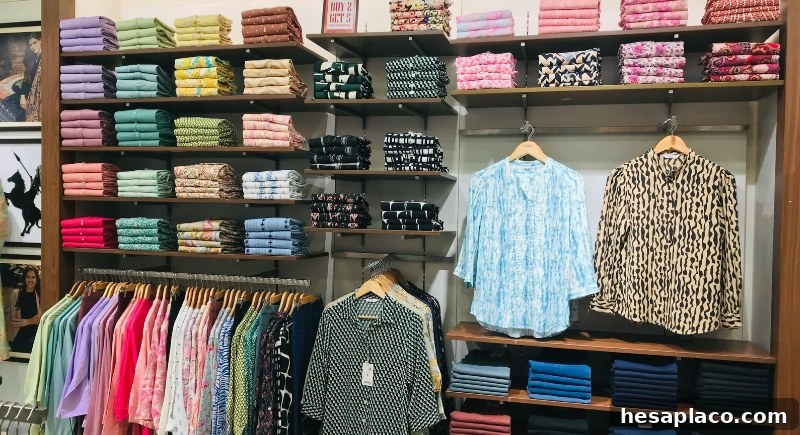
Many outlet garments are part of separate, outlet-only collections. “Compare at” tags can be misleading if the higher-priced comparison is for a different, better-made item. To hit lower price points, brands often simplify construction—omitting linings, using fewer or lower-quality buttons, and reducing interfacing. These cost-saving changes make garments wear out faster than their full-price counterparts.
Fashion Jewelry and Belts

Credit: Getty Images
Accessories at outlets often look attractive but are prone to rapid wear. Plated finishes can fade, lightweight hardware can bend, and belts made from coated or bonded materials tend to crack instead of developing a soft patina. Because their production costs are low, outlet accessories are sometimes only marginally cheaper than higher-quality pieces on sale elsewhere. The initial shine frequently fades within weeks.
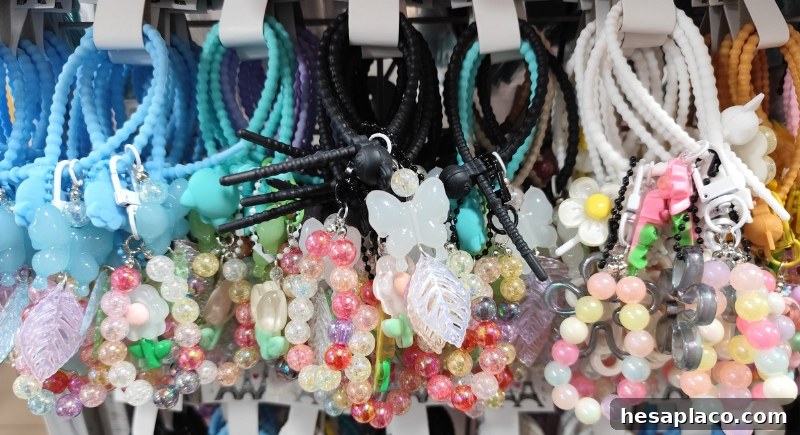
Brand Logo Trinkets
Credit: Canva
Checkout lanes at outlets are designed to tempt. Small branded items—keychains, novelty accessories, or logo trinkets—bank on impulse and brand recognition. Their production costs are usually minimal, so the “discount” may not be significant. These pieces also tend to have very short useful lives; many end up forgotten in drawers or passed along as unwanted gifts. If it’s not practical, the logo alone rarely justifies the purchase.
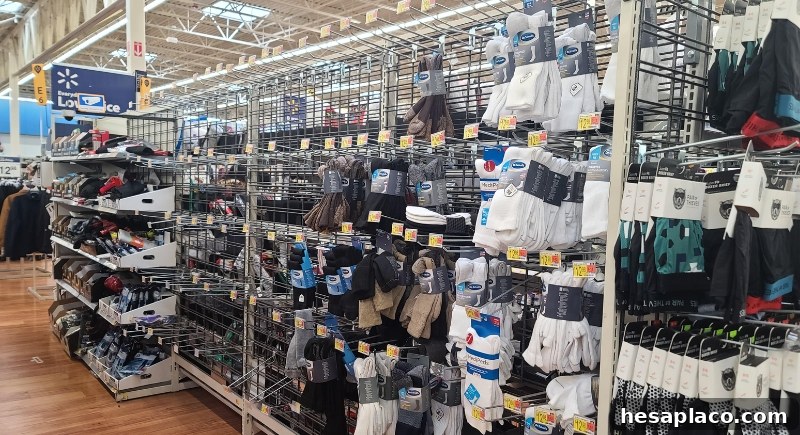
Underwear and Socks
Credit: Reddit
Basics like underwear and socks feel like safe, practical outlet buys, but outlet versions may use cheaper elastic blends and thinner fabric that lose shape and support quickly. Sagging waistbands and stretched-out socks are common complaints. Major retailers and department stores often include high-quality basics in seasonal sales, where you can find better materials and longer-lasting construction for similar or lower prices.
Outdated Tablets and Phones

Credit: Canva
Outlet-stocked phones and tablets are often older models. That means shorter software support, decreased app compatibility over time, and batteries that may have already begun to lose capacity—even if the device looks unused. What seems like a smart purchase can quickly become obsolete, requiring replacement sooner than you’d expect. For electronics, consider warranty length, update support, and battery health before buying.
Outlet stores can offer genuine bargains, but smart shopping requires close inspection and a little skepticism. Focus on categories where construction and materials matter most—leather goods, shoes, and electronics—and be wary of items that trade quality for brand recognition. When in doubt, compare outlet prices with seasonal sales from full-price retailers, check return policies and warranties, and prioritize lasting value over impulse discounts.