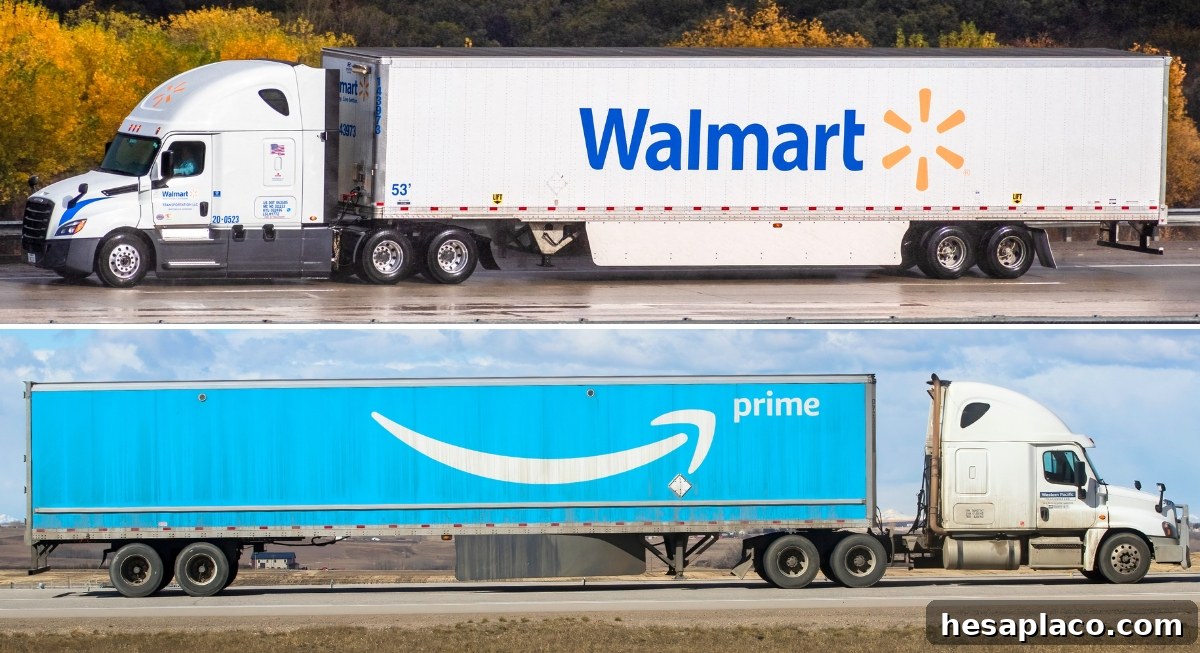
Fast delivery used to be a perk mainly available in big cities. Rural communities often waited longer because homes were spread out and delivery routes were more expensive to run. That gap is narrowing. Walmart and Amazon have turned small towns into one of retail’s biggest battlegrounds, and new technology combined with shifting population patterns is enabling much faster deliveries in places that once lagged behind.
Rural America Became a Major Prize
Credit: Wikimedia Commons
For years, large retailers concentrated on dense urban centers because serving rural areas was more expensive and less attractive financially. That calculus is changing. Rising incomes in many rural counties and an increase in remote work have shifted population and spending patterns. Financial firms estimate that rural shoppers now represent roughly a trillion dollars in annual merchandise spending, making these communities a valuable target for retailers expanding delivery services.
Walmart’s Geographic Advantage
Credit: Wikimedia Commons
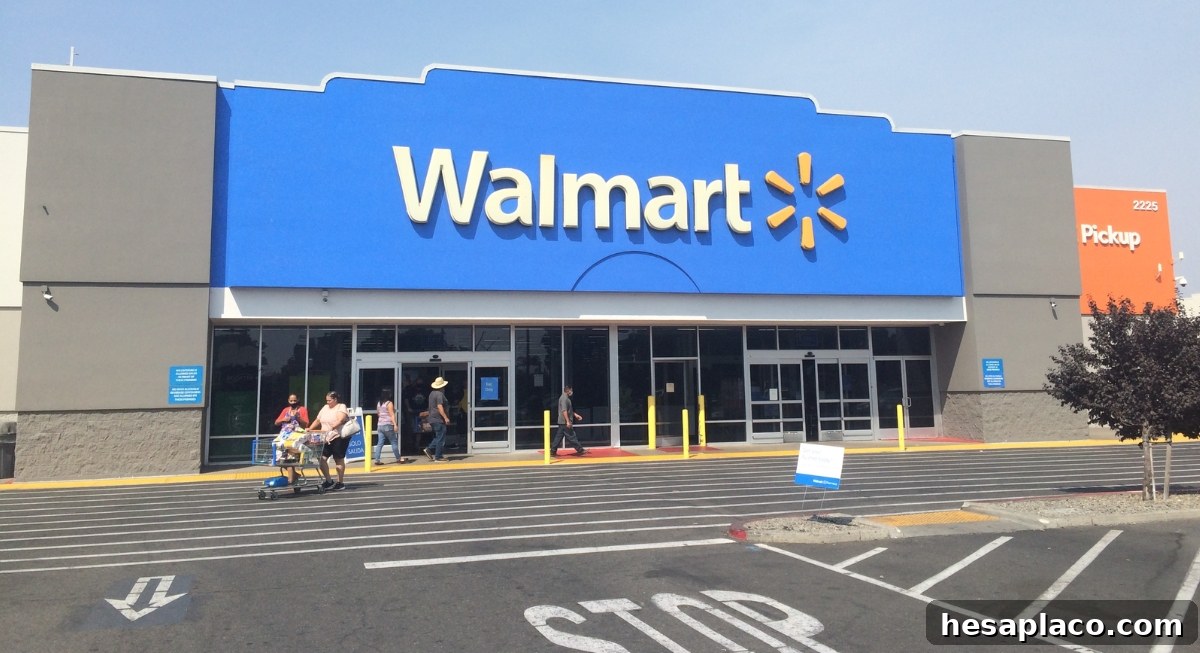
Walmart starts with a substantial geographic advantage. Its store network was built across the United States long before e-commerce took off, and those stores now serve as anchors for delivery and curbside pickup. Approximately 90 percent of Americans live within ten miles of a Walmart, and nearly half of its Supercenters are located in communities with fewer than 20,000 residents. That existing footprint shortens last-mile distances and supports faster fulfillment.
Amazon Builds Smaller, Local Hubs
Credit: Wikimedia Commons
Amazon has poured billions into improving service beyond major metropolitan areas. Instead of relying only on large fulfillment centers, the company is opening smaller delivery stations closer to rural customers. Packages arrive at these local hubs for sorting and staging before local drivers deliver them to nearby homes. This network of smaller facilities reduces transit time from regional warehouses to end customers.
Drones Move Beyond Tests
Credit: Wikimedia Commons
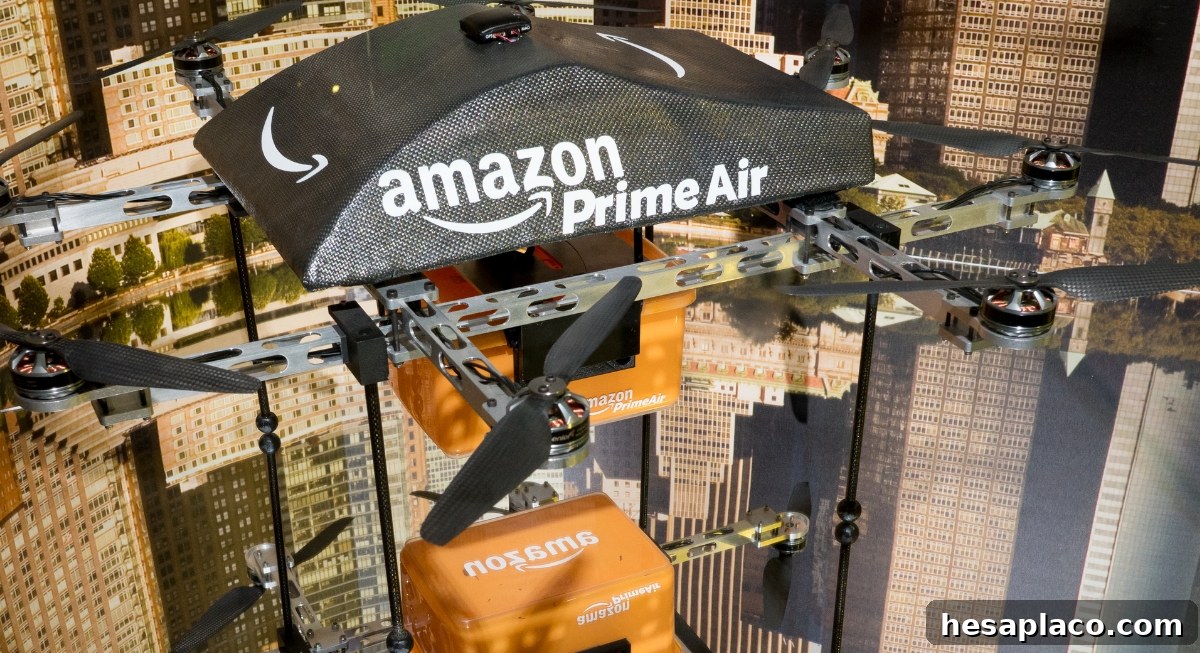
The idea of packages arriving by drone is becoming practical in select communities. Both Walmart and Amazon continue to scale drone delivery programs in areas where regulations and geography permit. Drones can bypass road congestion and fly directly to homes, offering a faster and sometimes more cost-effective option for reaching dispersed rural customers.
Robots Streamline In-Store Operations
Credit: Wikimedia Commons
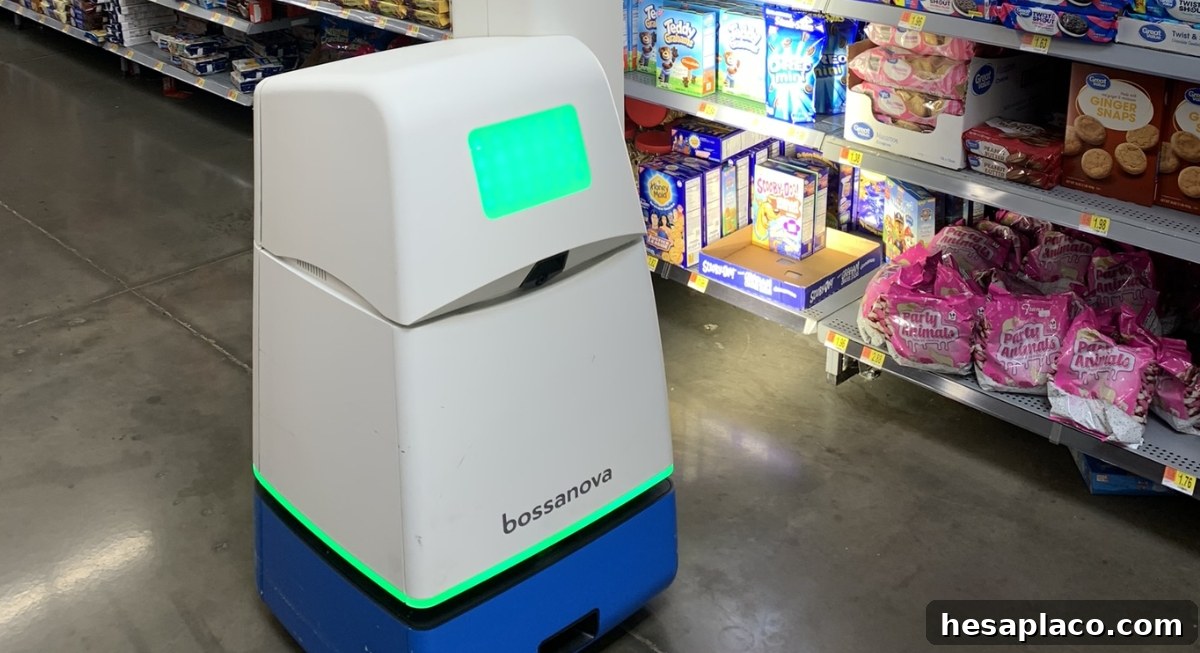
Many Walmart locations now use automated systems to prepare online orders more quickly. Robots pick frequently purchased items from compact storage areas optimized for fast retrieval, freeing employees to focus on packing and delivery preparation. Faster in-store fulfillment shortens the time between order placement and dispatch, enabling quicker home delivery or curbside pickup.
AI Improves Inventory Positioning
Credit: Wikimedia Commons
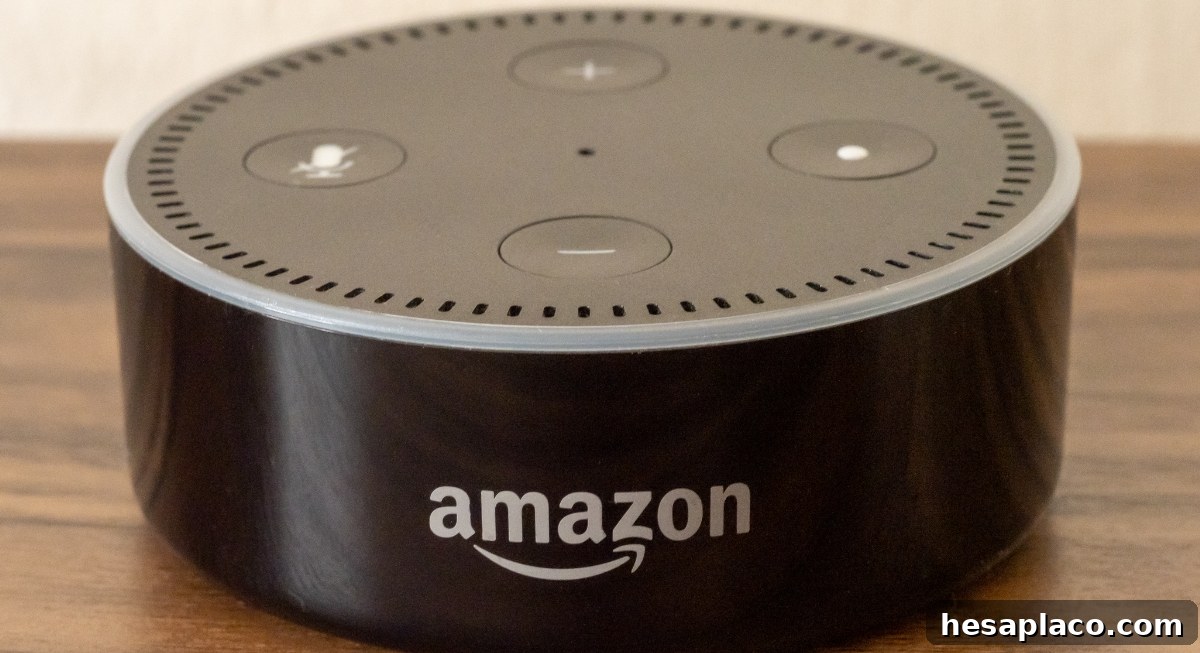
Predicting customer demand is nearly as important as delivering packages. Amazon deploys artificial intelligence to forecast regional demand and preposition inventory closer to where customers live. Better demand forecasting reduces the need to move products long distances after an order is placed, cutting transit time and improving the chances of same-day or next-day delivery in rural markets.
Faster Delivery Changes Shopping Habits
Credit: Wikimedia Commons
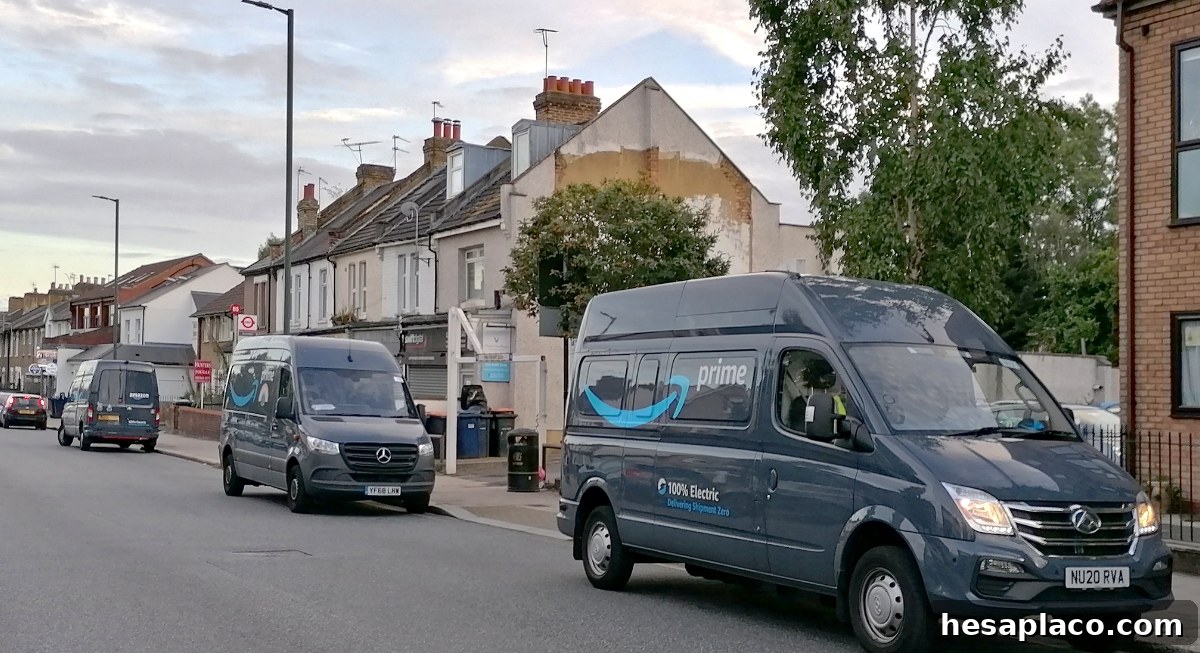
Retailers report that faster delivery is reshaping when and how people shop. Many customers now rely on rapid delivery for everyday necessities instead of planning purchases days in advance. Faster shipping also encourages more frequent, smaller orders, since shoppers know they can get items quickly when needed.
Smarter Mapping Expands Coverage
Credit: Wikimedia Commons
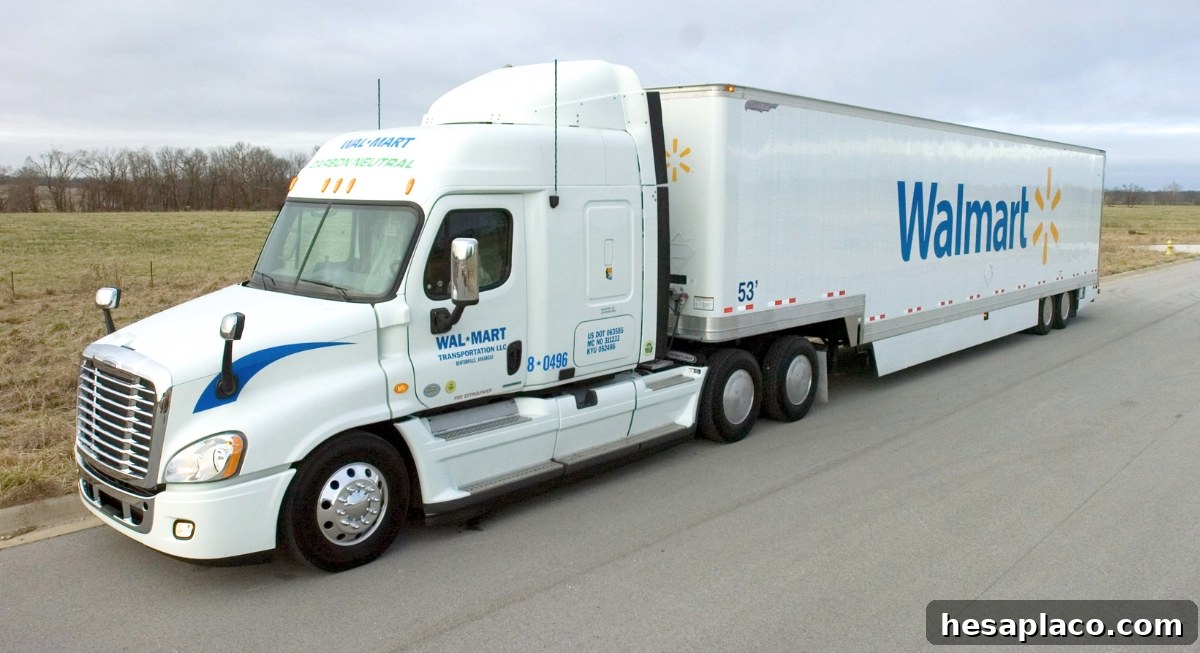
One practical improvement comes from replacing rigid ZIP code–based delivery zones with a hexagonal mapping system. Traditional boundaries sometimes left nearby households technically outside service areas. The hexagonal model creates more flexible coverage shapes and reduces gaps, allowing retailers to open same-day delivery to millions more households in smaller communities.
Competition in Small Towns Is Growing
Credit: Wikimedia Commons
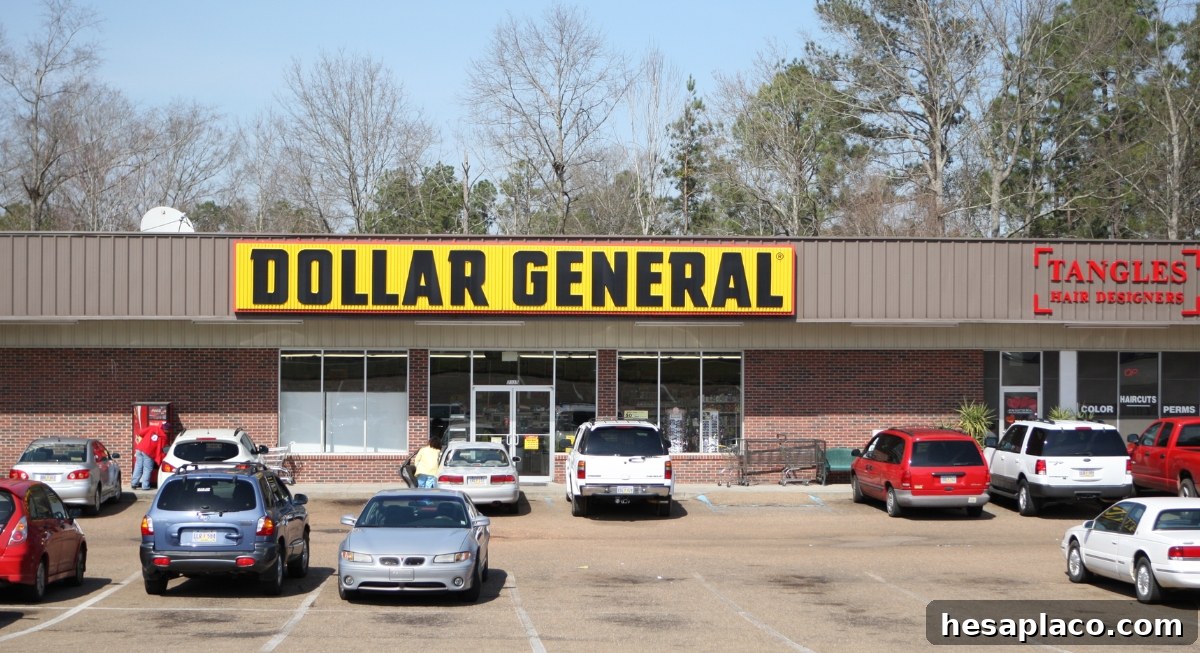
Walmart and Amazon are no longer alone in pursuing faster rural delivery. Dollar General has rolled out same-day delivery from thousands of locations, and Tractor Supply is building delivery hubs to better serve customers buying bulky items. As more retailers invest in rural logistics, residents can expect the same convenience that city shoppers have long taken for granted.
Faster Service Offsets Industry Pullbacks

Credit: Getty Images
As some traditional carriers reduce service in lower-density areas or prioritize higher-margin routes, major retailers are moving in the opposite direction by investing in more challenging regions. That investment helps build customer loyalty in places where fast delivery was once rare, meeting growing expectations among rural shoppers for quicker fulfillment and more convenient options.