
Apps have begun organizing legal settlements in a format that feels more like online banking or food delivery, making it easier for everyday shoppers to find and file claims. Millions of dollars move through settlement systems connected to gaming companies, major retailers, and consumer brands. Short-form video platforms like TikTok have increased awareness of these services, though many users remain cautious. The process is straightforward enough that people often file claims during a lunch break or while waiting in line.
People File Claims During Grocery Runs

Credit: Canva
Settlement apps gained traction because many claims can be completed faster than ordering lunch. A shopper standing in a big-box store can open an app like Claimed or Catch to find lawsuits related to grocery products or household brands. Common issues include misleading packaging, omitted disclosures, or inflated pricing. Filing typically requires just a name, email address, and preferred payment method, which lowers the barrier for casual participation.
Fortnite Refunds Became a Major Topic

Credit: pexels
Epic Games made headlines when the Federal Trade Commission announced refunds related to unwanted Fortnite purchases. Parents complained about accidental charges tied to in-game purchases and button layouts, and settlement apps pushed notifications because Fortnite reaches millions of players. Social posts showed refunds sometimes exceeding $100, which helped fuel interest in checking apps for similar claims.
QR Code Scans Became Side Hustles
Credit: Canva
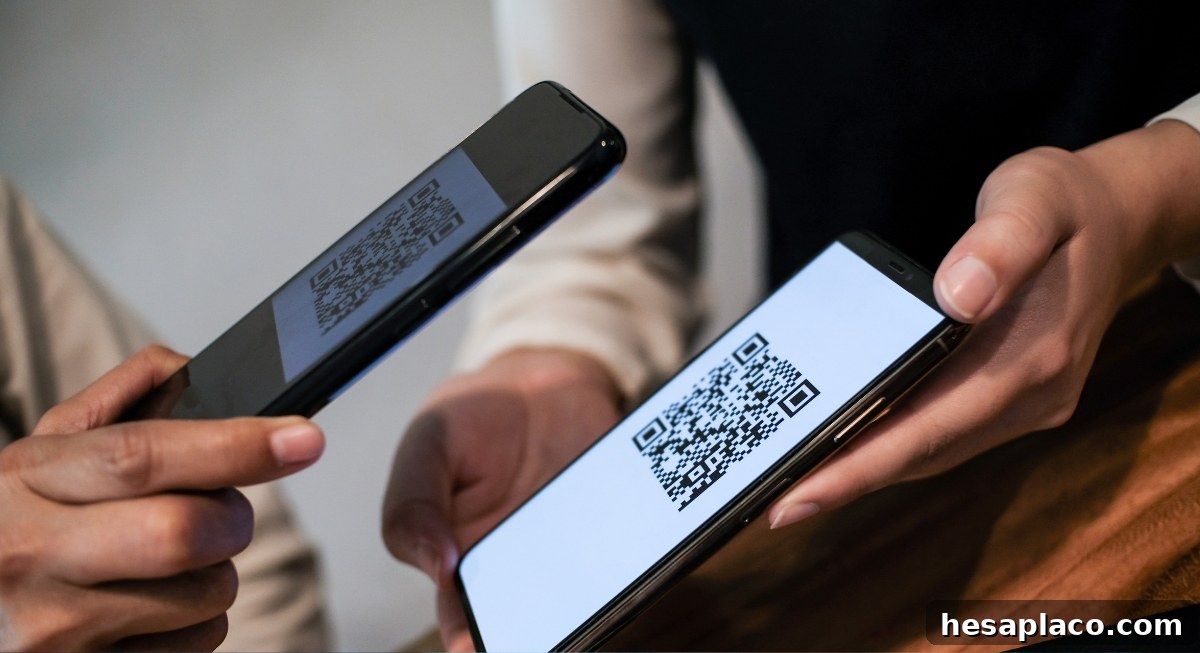
Apps such as VISU and Shopkick reward users for scanning QR codes or visiting partner stores. A brief stop at a convenience store can earn points redeemable for gift cards. Brands pay for that interaction because verified foot traffic and engagement are valuable to advertisers. Some users scan products they don’t intend to buy, turning errands into quick scavenger hunts that generate small, reliable rewards.
Reddit Users Keep Expectations Realistic
Credit: Canva
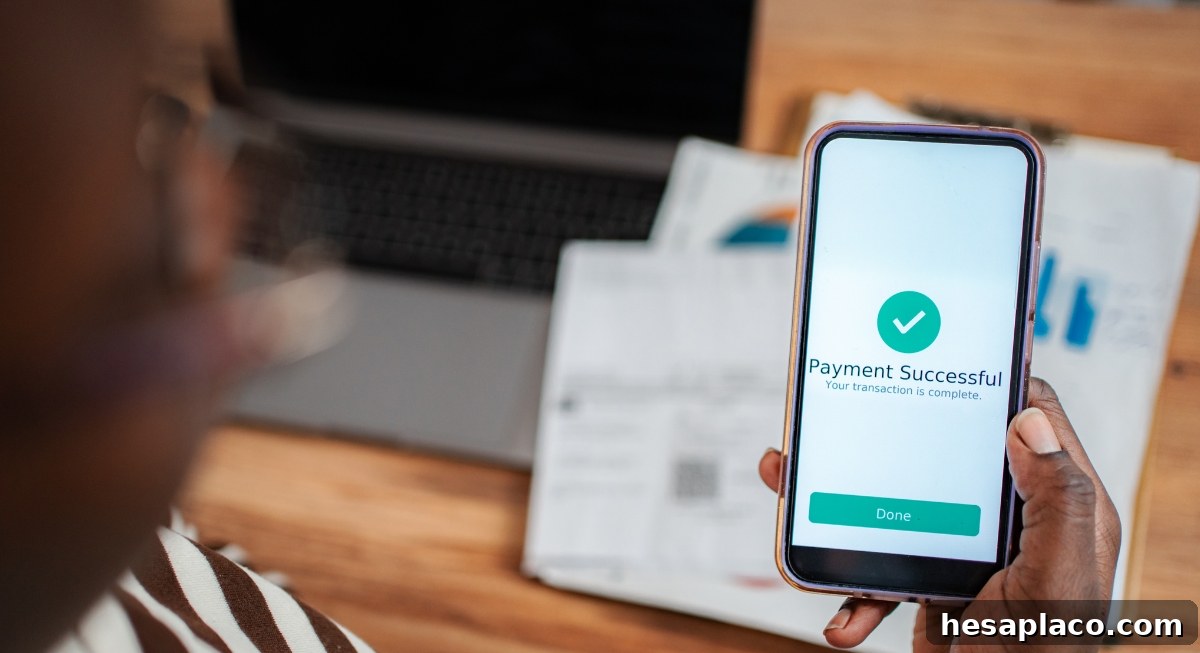
Discussion threads on Reddit about apps like Claimed often contain lighthearted posts about small payouts—$5 to $7 appearing in PayPal months after filing. Most settlements yield modest amounts, and large checks are uncommon. Regular users treat settlement apps as a casual hobby rather than a reliable income stream; they check feeds for opportunities but don’t expect consistent earnings every month.
Cashback Apps Also Help With Evidence for Lawsuits

Credit: Getty Images
Cashback and rebate apps like Rakuten and Ibotta were designed to reward shoppers, but they’ve also become convenient ways to archive purchase records. Digital receipts saved in these apps often serve as proof of purchase when a settlement requires buyers to show they bought a product within a specific timeframe. A rebate uploaded months earlier can suddenly provide the documentation needed to qualify for a claim.
Delivery Drivers Found Ways to Stack Rewards
Credit: pexels
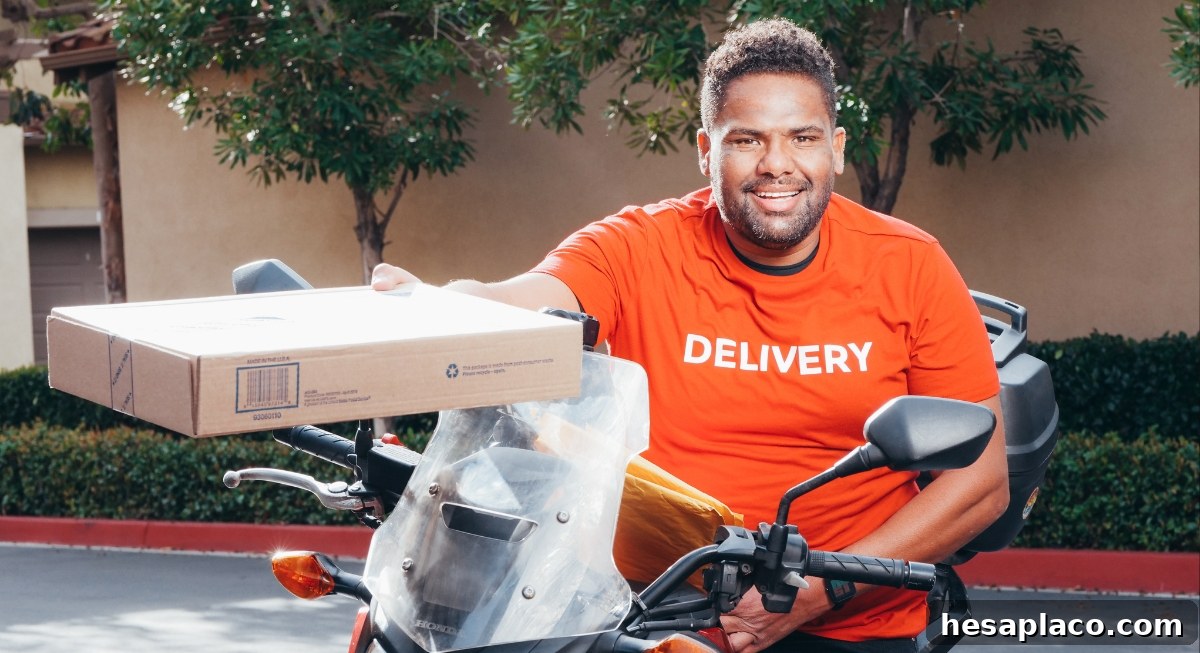
Instacart shoppers and delivery drivers for services like DoorDash move between grocery stores, pharmacies, and restaurants for hours each shift. That routine opened opportunities to collect extra rewards. Drivers often combine apps to “stack” benefits—earning gas discounts from one service while uploading receipts to another for cashback. Online forums now trade strategies for stacking multiple offers to maximize small gains during existing routes.
Retailers Use These Apps to Track Shopping Habits
Credit: Canva
Some apps are designed to attract customers who might otherwise shop at competing stores. Grocery chains and brands use location data and transaction patterns to measure how promotions affect foot traffic and whether shoppers are lured away from regular stores. For retailers, these tools act as targeted advertising with measurable results—tracking which offers successfully change shopping behavior.
Mystery Shopping Quietly Moved to Smartphones

Credit: Getty Images
Platforms like Field Agent and Gigwalk modernized mystery shopping by delivering assignments directly to smartphones. Users are paid to photograph displays, verify shelf prices, or confirm product availability. Typical gigs—such as a quick store audit—can pay about $10 for 10 minutes of work. Experienced gig workers plan errands around multiple nearby assignments to boost hourly earnings.
Settlement Apps Simplify Confusing Legal Notices
Credit: Getty Images
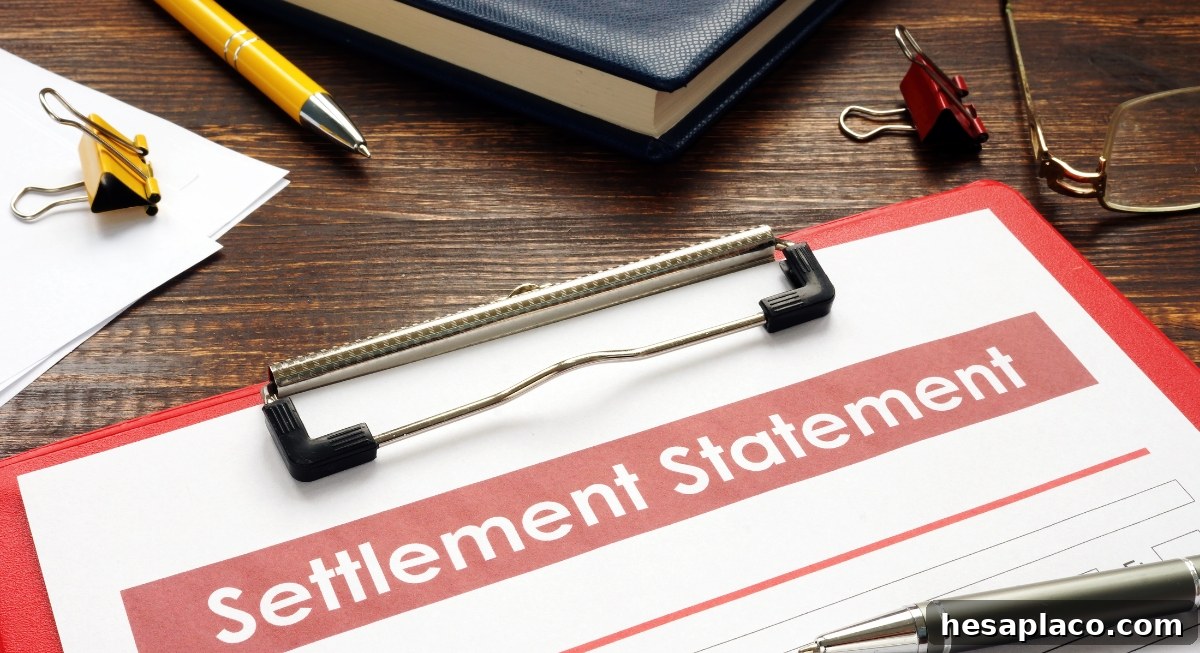
Class-action notices once arrived as long, jargon-filled emails that most people ignored. Settlement apps have reorganized that landscape by presenting active claims in searchable feeds with categories for beauty products, gaming companies, food brands, and retailers. These apps translate legal notices into bite-sized summaries, and push notifications remind users about upcoming filing deadlines—making it easier to find and act on relevant cases.
Small Payouts Keep People Curious
Credit: Wikimedia Commons
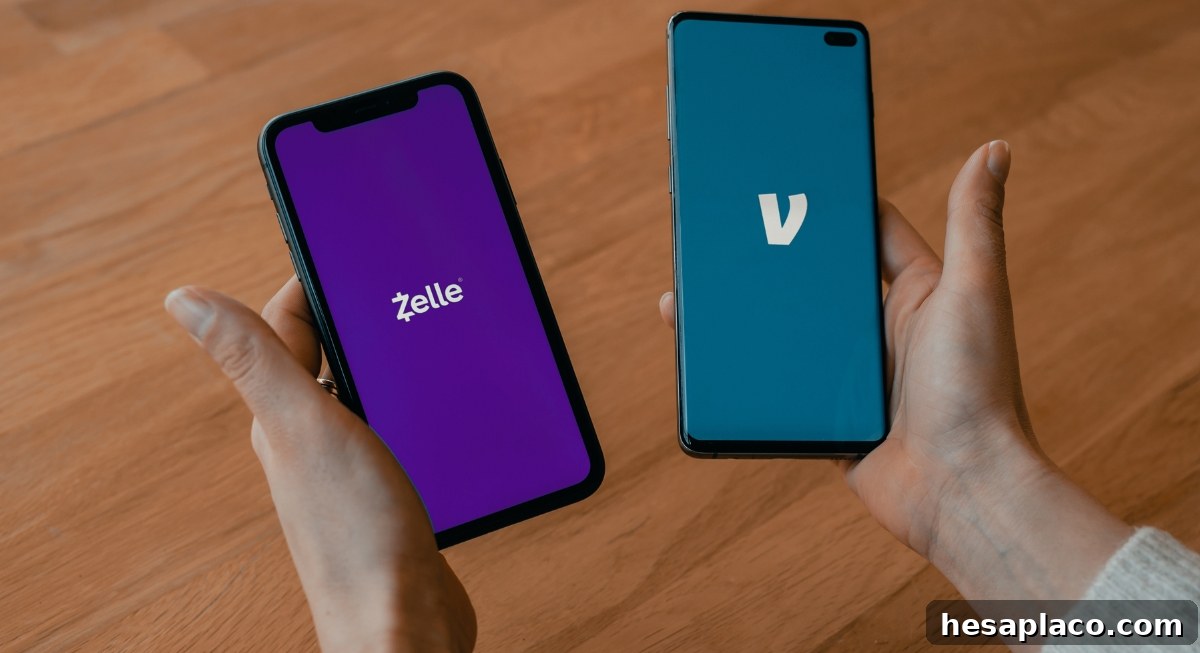
Users often remain engaged because small, unexpected payouts provide a modest thrill. A $15 deposit in Venmo tied to a cereal settlement won’t transform someone’s finances, but the surprise element keeps people checking apps regularly. Activity on these platforms tends to be sporadic: some months bring no payouts, while other months yield modest refunds tied to older subscriptions, recalls, or consumer-rights settlements.