
There was a time when correcting a typing error did not mean tapping a backspace key. Office workers used electric typewriters that sped up work but made corrections difficult. Carbon-film ribbons left dark impressions that smeared when erased, and a single misplaced letter could force retyping an entire page.
In that setting, a Dallas executive secretary with inconsistent typing skills created a simple but transformative solution. Bette Nesmith Graham tested her idea at work, refined it at home, and ultimately built a company she sold for $47.5 million.
Built a Career Before Creating a Product
Credit: Texas State Historical Association
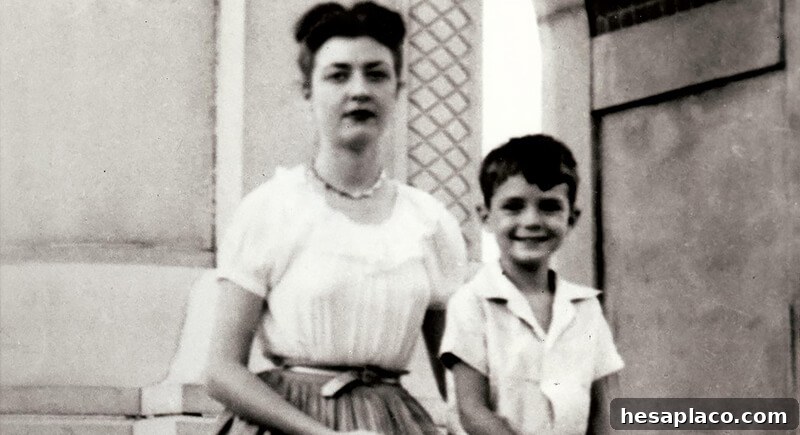
Bette Clair McMurry left high school as a teenager and married Warren Nesmith at nineteen. She later earned a GED through night classes while working. After divorcing in 1946, she raised her son, Michael, as a single mother. By 1951 she was executive secretary to the chairman of Texas Bank & Trust in Dallas. Her determination and work ethic earned her promotions and the respect of supervisors.
Electric Typewriters Made Errors Costly
Credit: pexels
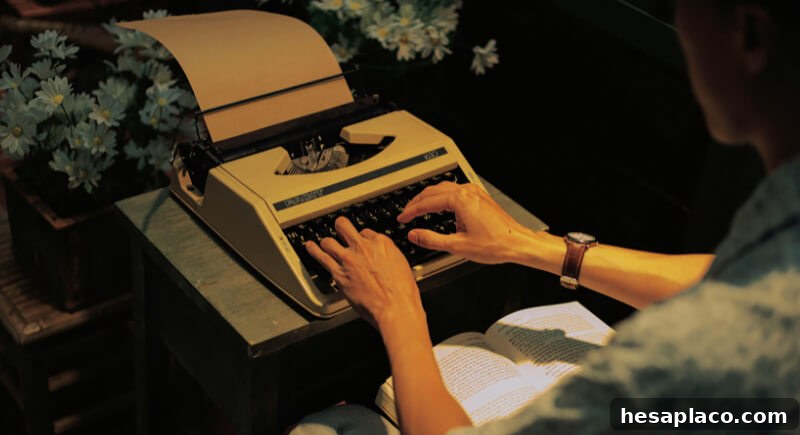
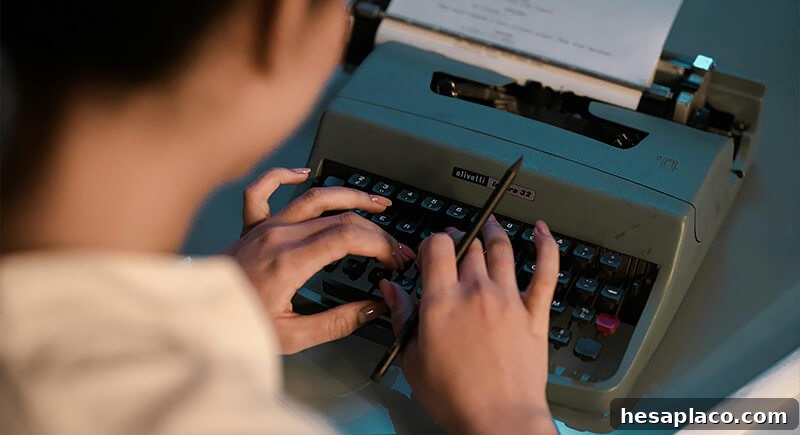
During the 1950s offices switched to electric typewriters for efficiency. These machines used carbon-film ribbons that transferred ink cleanly, but attempts to erase left visible smudges or damage the paper. Graham understood that such mistakes wasted time and resources. She wanted a correction method that preserved documents without forcing a complete restart.
A Simple Observation Sparked an Idea
Credit: pexels
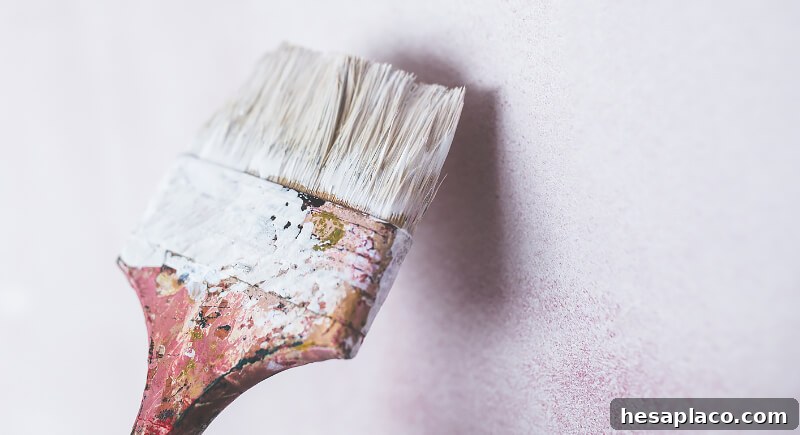
One winter day Graham watched artists painting a holiday display on bank windows. She noticed how they corrected mistakes by brushing matching paint directly over unwanted marks. The paint covered the flaw and restored the surface. That simple observation led her to consider applying the same approach to typed documents.
She Turned Her Kitchen into a Workshop
Credit: pixabay
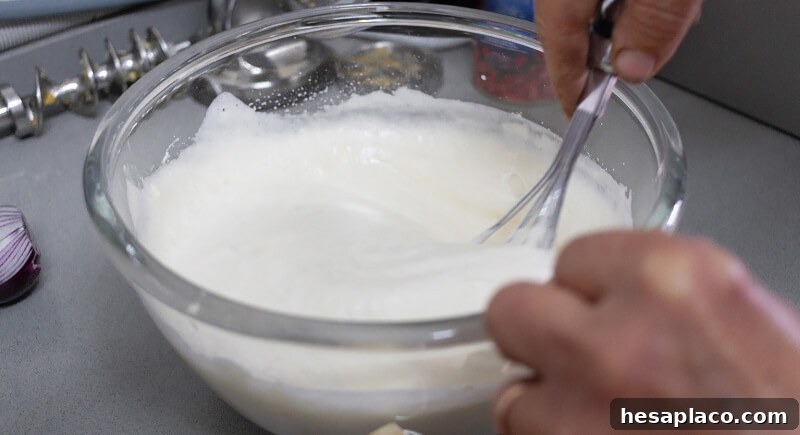
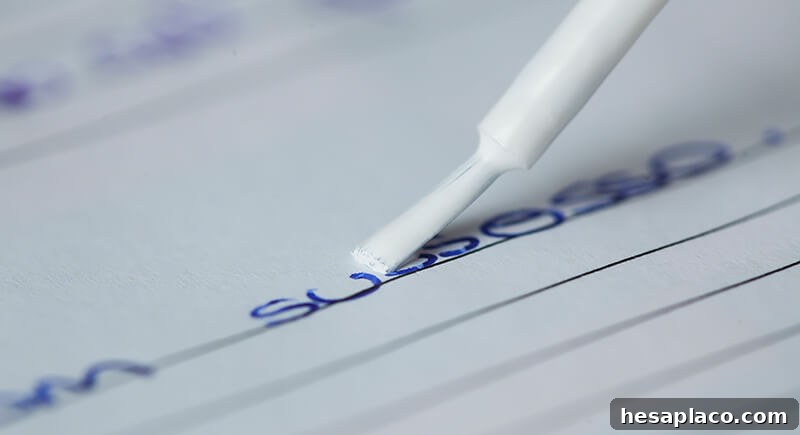
At home, Graham mixed white, water-based tempera paint in a kitchen blender and adjusted the tint to match office stationery. She filled a small jar and took it to work with a watercolor brush. At her desk she brushed a thin layer over any incorrect letter, let it dry briefly, and then typed the correct character directly over the painted spot.
“Mistake Out” Attracted Attention
Credit: iStockphoto
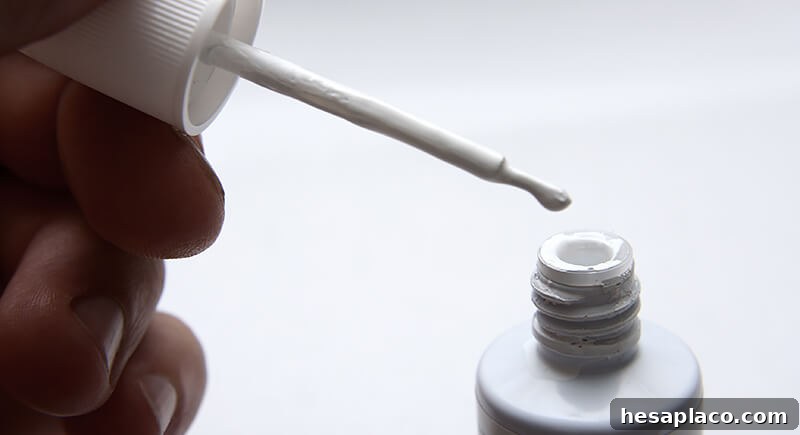
Graham called her early mixture “Mistake Out” and shared it with fellow secretaries. Word spread quickly across the office as colleagues requested their own bottles after seeing the clean corrections. She began preparing small batches at home, filling nail-polish bottles and attaching simple labels. Demand grew beyond her workplace, and she started supplying local office-supply dealers.
She Refined the Formula
Credit: iStockphoto
To ensure consistent performance on different papers and with various inks, Graham consulted her son’s chemistry teacher and contacted a paint manufacturer. Library research helped refine the tempera base, and repeated kitchen testing improved texture and drying time. Later, an industrial polymer chemist provided technical expertise that enhanced the mixture’s reliability.
Trade Mentions and Large Orders Grew Sales
Credit: ebay
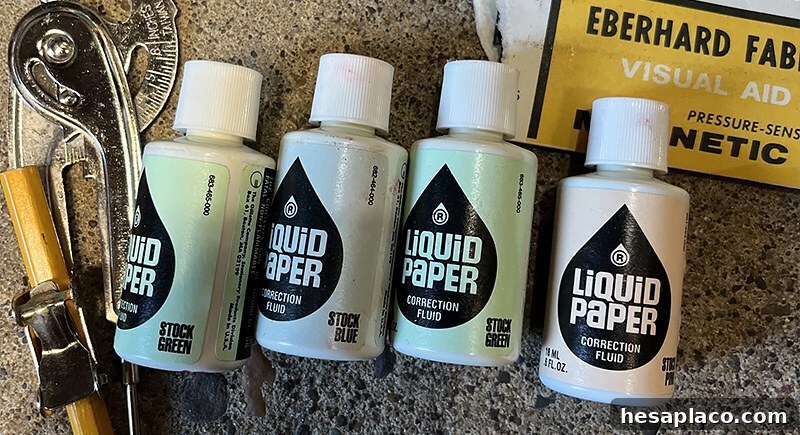
A mention in an office trade magazine brought national exposure. General Electric placed an early large order for several hundred bottles in multiple colors. Graham had earlier shown samples to IBM to demonstrate her product’s advantage over traditional erasing, and while IBM initially declined to market it, the company later became one of her customers as interest expanded.
A Typing Error Cost Her the Bank Job
Credit: pexels
For years Graham balanced her bank job and the growing business. That ended after she repeatedly used company time and resources for her side venture, including signing a bank document with her product’s name and typing internal correspondence that promoted it. Management dismissed her, which freed her to focus entirely on developing and marketing her formula.
Liquid Paper Became a Global Brand
Credit: Wikipedia
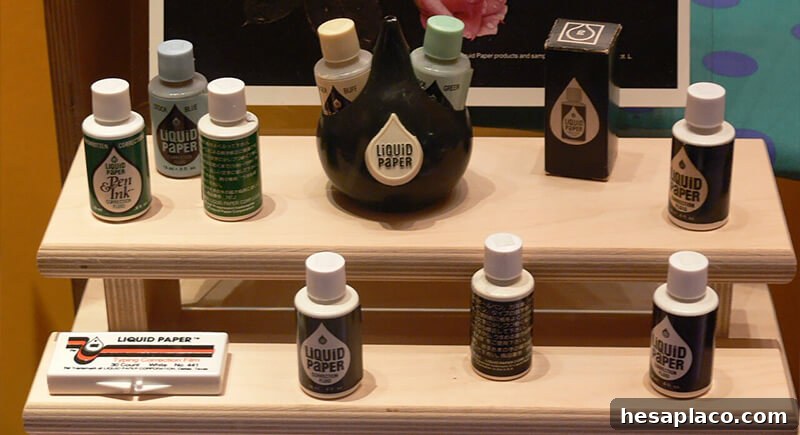
Graham renamed the product Liquid Paper and obtained trademark and patent protection. Production expanded rapidly in the late 1960s; by one account she produced as many as 10,000 bottles per day in 1968 and reached sales of one million bottles that year. By the mid-1970s, factories produced about 25 million bottles annually.
She Sold the Company and Secured Her Legacy
Credit: Mary Baker Eddy Library
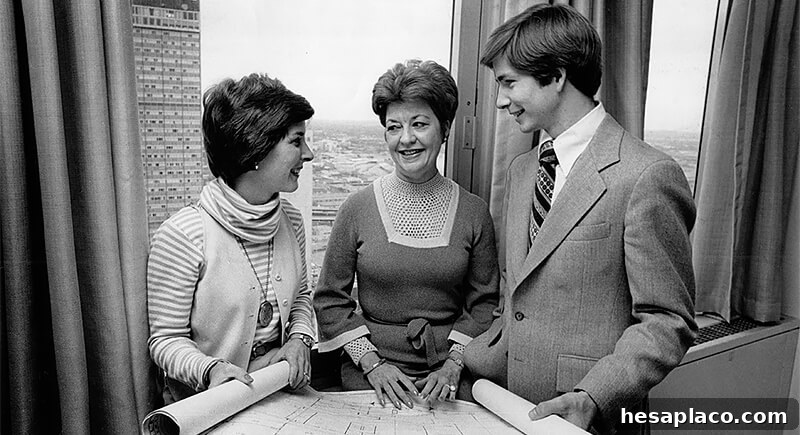
After marrying Robert Graham in 1962, the business grew further as he used his sales experience to expand national distribution to office-supply stores. Their marriage ended in 1975, leading to disputes over company control, but Bette retained majority ownership. In 1979 she sold Liquid Paper to the Gillette Corporation for $47.5 million, leaving a lasting legacy as the inventor of a simple, widely used office product.