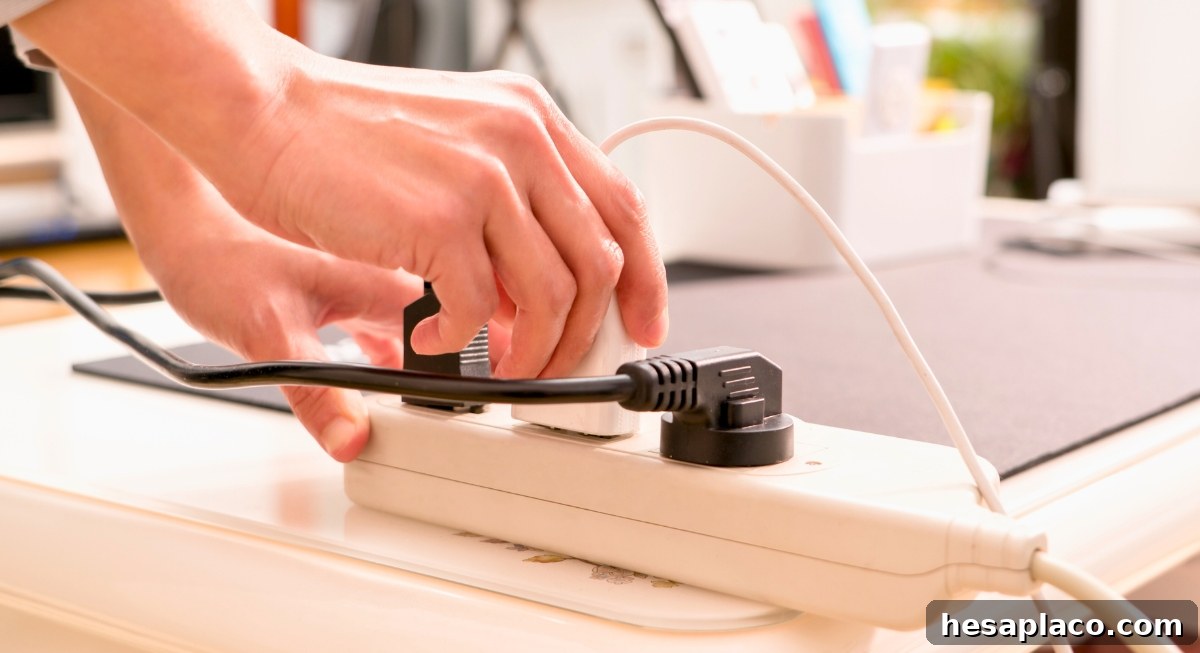
Grabbing your keys and phone before leaving the house is instinctive, but adding one more habit—unplugging appliances—can improve safety and cut energy costs. Many devices draw electricity even when turned off, a phenomenon known as “phantom” or “vampire” energy. Unplugging items when they’re not in use reduces wasted power and lowers the risk of electrical faults that can lead to fires or other hazards.
Toaster Ovens
Credit: Canva
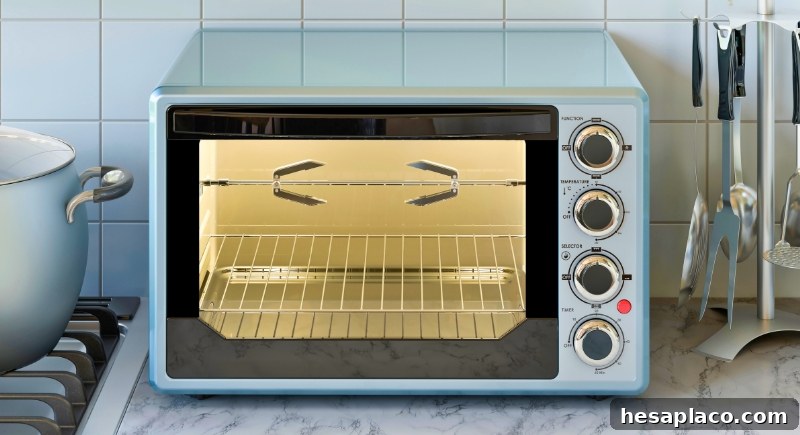
Toaster ovens are great for quick meals, but they can become fire hazards if left connected. Crumbs or grease trapped inside can ignite if the oven unexpectedly powers on or malfunctions. Turn off and unplug toaster ovens after use to minimize that risk.
Slow Cookers
Credit: Canva
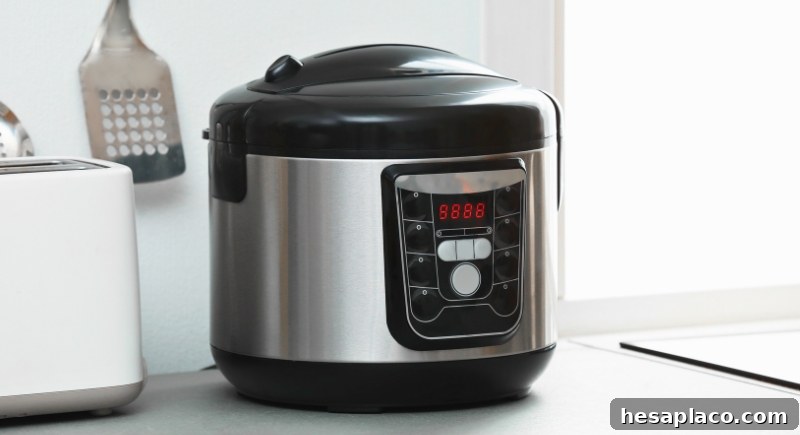
Slow cookers are convenient for set-it-and-forget-it meals, but no appliance is immune to wear. Internal faults or damaged cords can create safety issues over time. When you don’t need the cooker running, unplug it to prevent possible overheating or electrical problems.
Heat Styling Tools

Credit: Canva
Curling wands and flat irons remain dangerously hot long after use. If left plugged in or placed on a cluttered surface, they can cause burns or start a fire if knocked onto flammable materials. Always switch them off and unplug them when you’re finished styling.
Electric Blankets
Credit: Getty Images
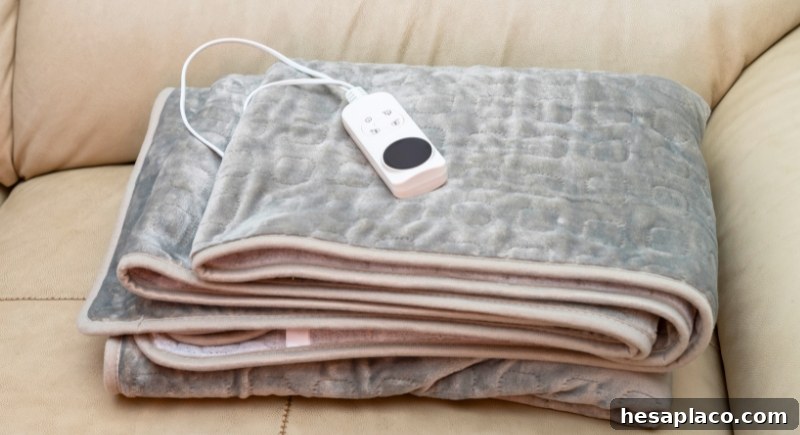
Electric blankets contain thin wiring that can degrade from repeated folding or improper storage. Damaged wiring increases the risk of overheating, shorts, and potential fires. Unplug blankets when not in use and inspect cords regularly for wear.
Space Heaters
Credit: Getty Images
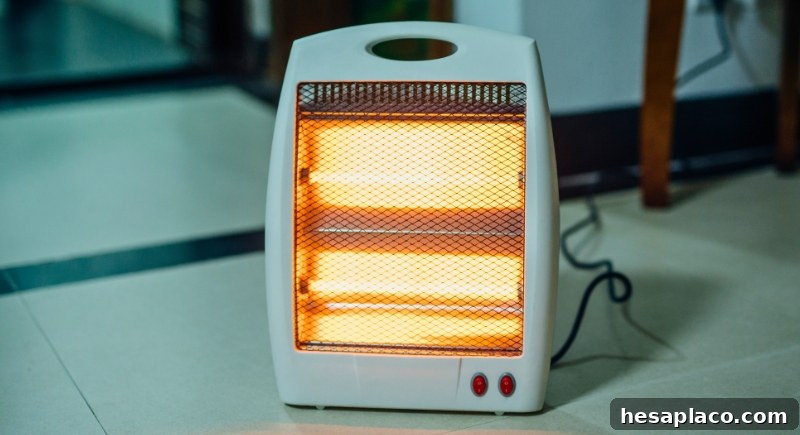
Space heaters produce a lot of heat in a compact unit and are a common cause of home heating fires. They need at least three feet of clear space around them and should be turned off and unplugged whenever you leave the room or house.
Chargers
Credit: Getty Images
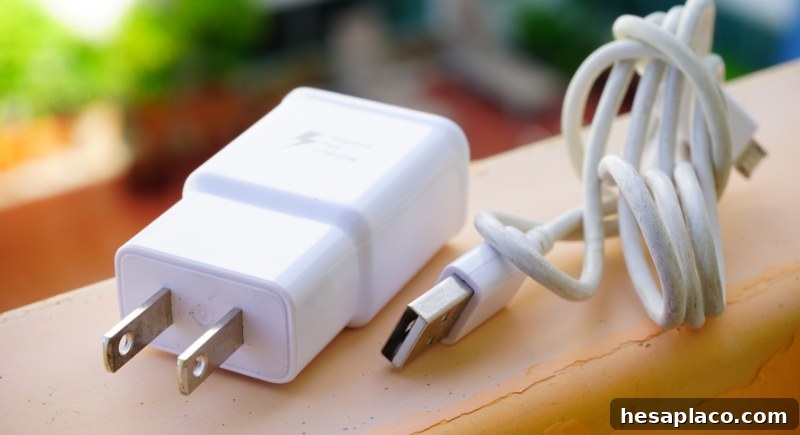
Phone and laptop chargers continue to draw small amounts of power when plugged in but not charging a device. While each charger’s draw is minimal, multiple chargers left plugged in can collectively increase your energy bill. Unplug chargers when they’re not needed.
Power Strips
Credit: Proxima Studio
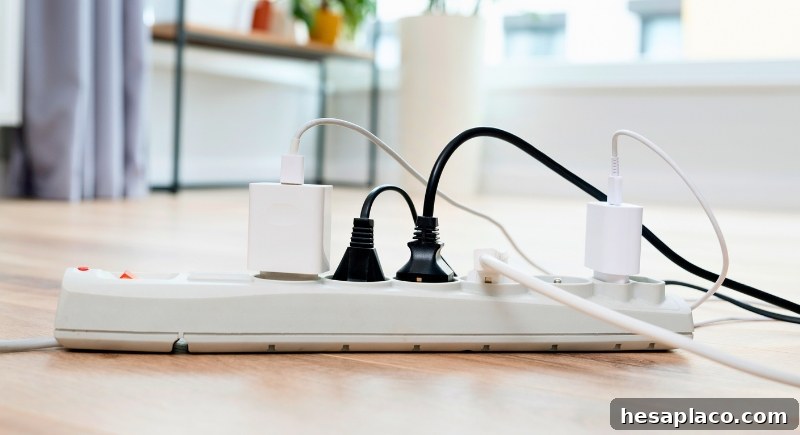
Power strips are useful but can be overloaded if too many devices draw current at once. Overloads increase heat and fire risk. Observe wattage limits, avoid daisy-chaining strips, and unplug strips when not in use.
Electric Kettles

Credit: pixelshot
Many kettles include auto shut-off features, but relying solely on them isn’t always wise. Manually switch off and unplug the kettle after use to prevent faults or accidental reactivation.
Candle Warmers
Credit: Reddit
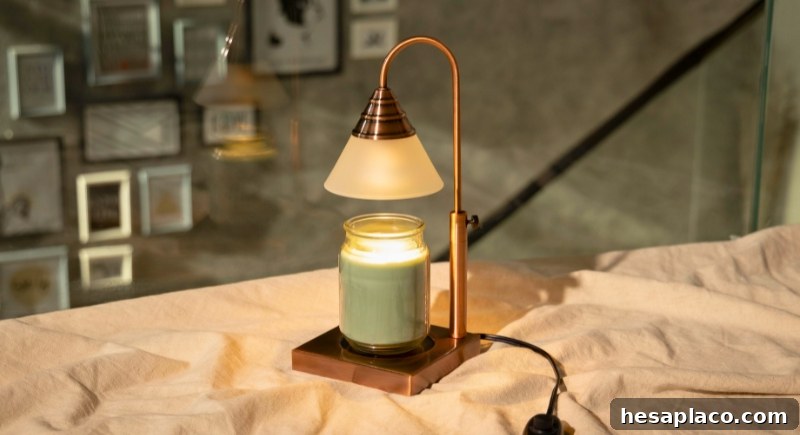
Candle warmers create heat to release fragrance but can overheat if left unattended or if wax is absent. Warmers without automatic shut-off features should be unplugged after use to reduce fire risk and equipment damage.
Televisions

Credit: Reddit
Modern TVs, particularly smart models, often draw power in standby to keep apps and network connections ready. This standby power adds to your bill over time. If you won’t be using a television for an extended period, unplugging it eliminates that phantom draw.
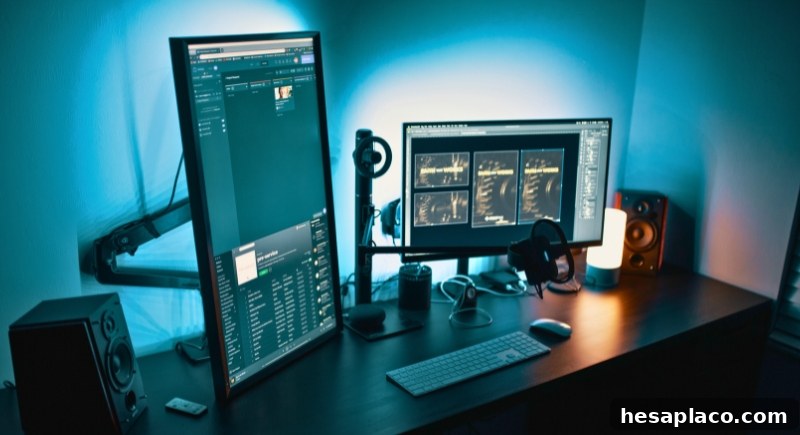
Computers
Credit: pexels
Even when powered down, computers may supply standby power to USB ports or maintain network responsiveness, causing a small but continuous energy draw. Fully shutting down and unplugging during long absences reduces energy waste and lessens wear on components.
Coffee Machines

Credit: Getty Images
Many coffee makers with clocks or timers continue to draw power after brewing is finished. Unplugging the machine when it’s not in use saves energy and removes another potential source of overheating or electrical faults.
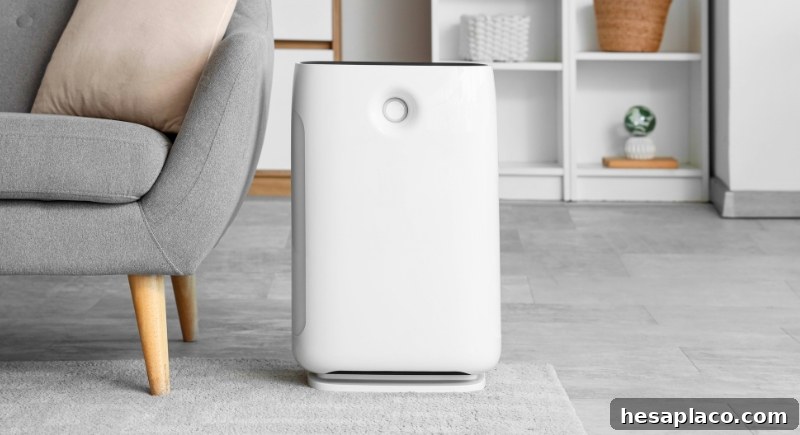
Air Purifiers
Credit: pixelshot
Unless you have ongoing air-quality concerns, running an air purifier nonstop is usually unnecessary. Many models include timers or eco modes to reduce power consumption. Turning them off when not needed saves energy and extends filter life.
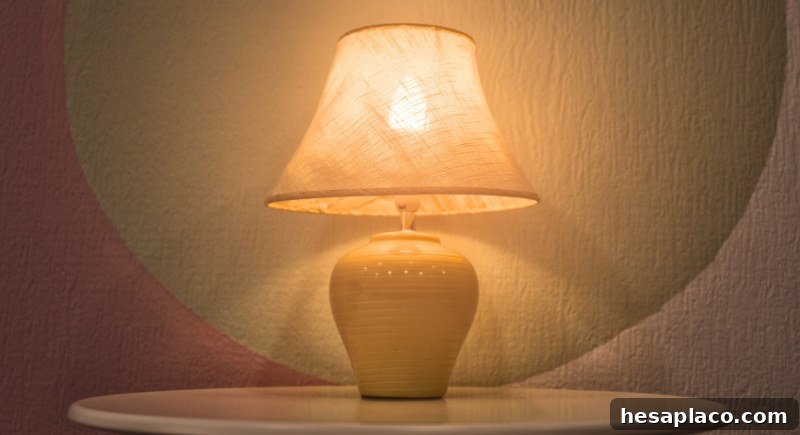
Lamps
Credit: pixelshot
Lamps may seem harmless, but worn cords, damaged sockets, or faulty switches can create hidden fire risks. Pets chewing cords make the danger worse. Unplug lamps when you leave the home, and inspect cords regularly.
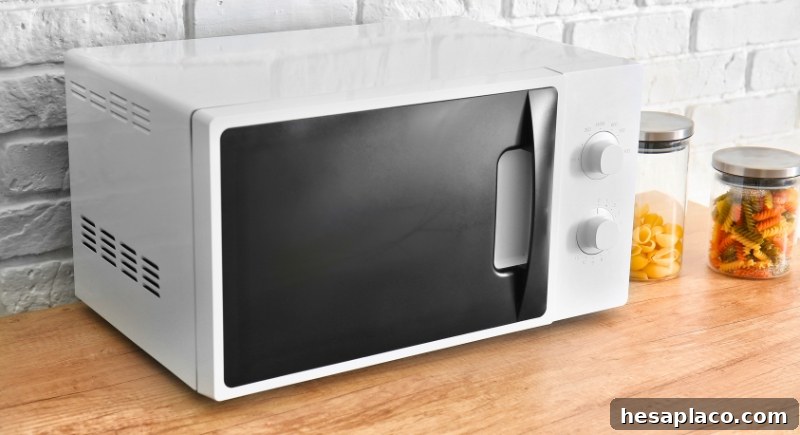
Microwaves
Credit: pixelshot
Microwaves are kitchen staples, but leaving them plugged in while you’re away can be risky. Electrical faults or surges could cause sparks or fires. Unplugging a microwave when it’s not needed reduces the chance of unexpected incidents.
Window Air Conditioners
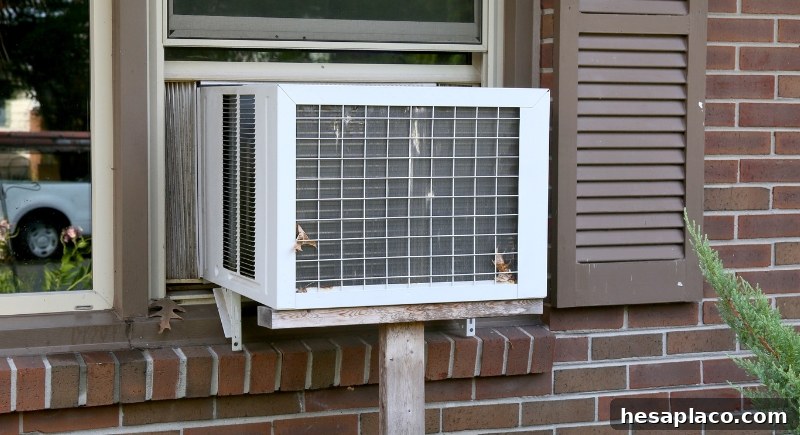
Credit: Getty Images
Window air conditioners cool efficiently but can be vulnerable to surges or shorts if left connected. Unplugging them when you leave prevents potential electrical fires and saves energy when the unit isn’t needed.
E-Bikes and E-Scooters

Credit: pexels
Charging e-bikes and e-scooters unattended is risky because lithium-ion batteries can overheat or fail. Unplug chargers once charging is complete and avoid leaving batteries connected for prolonged periods.
Dehumidifiers and Humidifiers
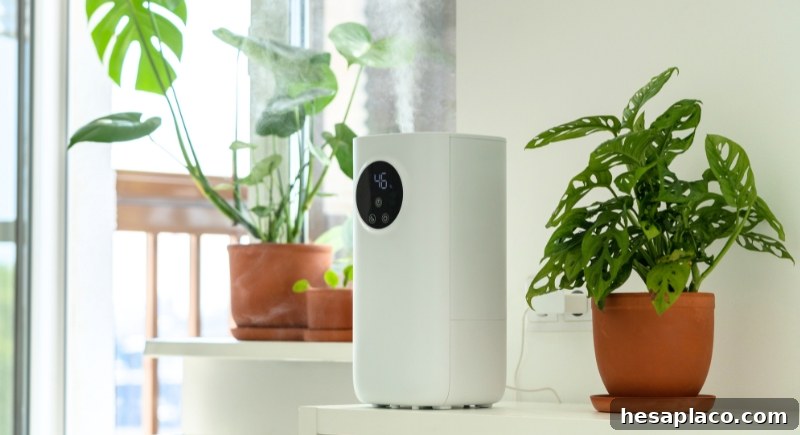
Credit: Getty Images
Dehumidifiers can overflow or develop electrical issues, while humidifiers can run dry or over-humidify a room. Unplug both before leaving to prevent water damage, electrical faults, and unnecessary energy use.
Making unplugging a part of your leaving-the-house routine helps conserve energy, extends the life of appliances, and reduces the chance of dangerous electrical incidents. A quick once-over to disconnect nonessential devices can make your home safer and your energy bills lower.