
President Donald Trump’s recent tariffs have had a wide-ranging effect on American consumers, increasing costs across many everyday categories. From groceries to gadgets, these trade measures have quietly raised prices, often without consumers recognizing the connection. This article explains how tariffs have translated into higher costs that reach into household budgets and everyday purchases.
Your Salad Has Become More Expensive

Credit: Getty Images
Mexico supplies a large share of U.S. tomatoes, avocados, and leafy greens. Tariffs on imports raised costs for suppliers and distributors, and grocery stores passed those increases on to shoppers. Even when produce is in season, you may be paying more for a simple salad than you realized.
Higher Prices on Tech Gadgets

Credit: Canva
Tariffs on Chinese electronics increased the cost of phones, laptops, tablets, and accessories. Those higher import costs are typically folded into retail prices rather than product features, so upgrades and replacements can feel notably pricier even when specifications remain similar.
Car Payments and Repair Bills Went Up

Credit: Canva
Tariffs on steel and aluminum raised production costs for automakers. Many manufacturers shifted those costs to buyers, contributing to higher sticker prices on new vehicles and increased repair expenses. For many consumers, car ownership now carries a higher monthly burden.
Clothing Became Costlier

Credit: Canva
The U.S. imports a significant portion of its clothing. Tariffs on apparel and textile inputs forced brands to respond by raising prices or reducing margins and quality. Everyday garments that once felt inexpensive now come with noticeably higher price tags.
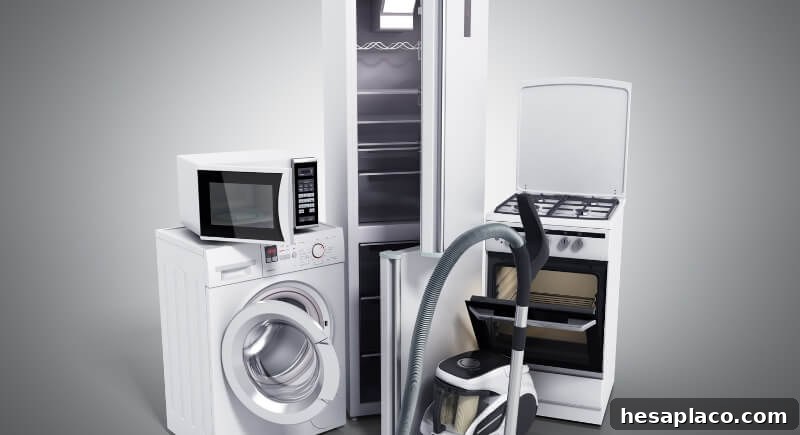
Appliances Cost More Upfront
Credit: Getty Images
Tariffs on imported metals and components affected appliance manufacturers, who in turn raised prices on refrigerators, ovens, washers, and other major home items. Many retailers passed these added costs on to consumers, so replacements and new purchases now include an implicit tariff in the final price.
Home Projects Have Become More Expensive

Credit: Getty Images
Tariffs on lumber, steel, and other building materials drove up both material and labor costs for construction and remodeling. New homes and renovation projects can cost thousands more, and DIY improvements have become less affordable as basic supplies and contractor quotes climbed.
Gas Prices Felt the Ripple Effects

Credit: Canva
Retaliatory measures and trade disruptions affected energy flows and added volatility to fuel markets. While many factors influence gas prices, trade tensions and tariffs contributed to supply frictions that can push pump prices higher for consumers.
Alcohol Prices Increased for Some Imports

Credit: Canva
Tariffs prompted retaliatory duties from trading partners on certain U.S. goods, and reciprocal measures raised costs on imported wines and spirits. Retailers and importers often pass these additional charges to customers, so imported bottles can carry a tariff-related markup.
Toys Became Pricier

Credit: Canva
With most toys imported from countries affected by tariffs, manufacturers and retailers adjusted prices upward. Whether it’s a popular action figure or a simple puzzle, tariffs have contributed to higher retail prices, adding cost to holiday and birthday shopping lists.
Furniture Prices Rose

Credit: pexels
Tariffs on wood, metal, and finished furniture imports increased costs for manufacturers and importers. Many retailers passed these expenses on to buyers, making everyday items like sofas, beds, and shelving more expensive than in previous years.
Everyday Grooming Products Saw Price Pressure

Credit: pexels
Many personal care products depend on imported ingredients, packaging, and chemicals. Tariffs on these inputs caused manufacturers to raise prices gradually. While increases may be incremental, they accumulate over time and affect monthly household spending.
Pet Supplies and Food Cost More

Credit: Getty Images
Pet food, toys, and accessories often come from overseas suppliers. Tariffs on those imports raised costs for manufacturers and retailers, leading to higher prices for pet owners. Small increases per bag or item add up over the course of a year.
Home Gym Equipment Got More Expensive

Credit: Canva
Exercise equipment such as dumbbells, bikes, and resistance bands experienced price increases due to tariffs on imported goods and components. Demand spikes during the pandemic amplified those effects, making home fitness gear more expensive than before.
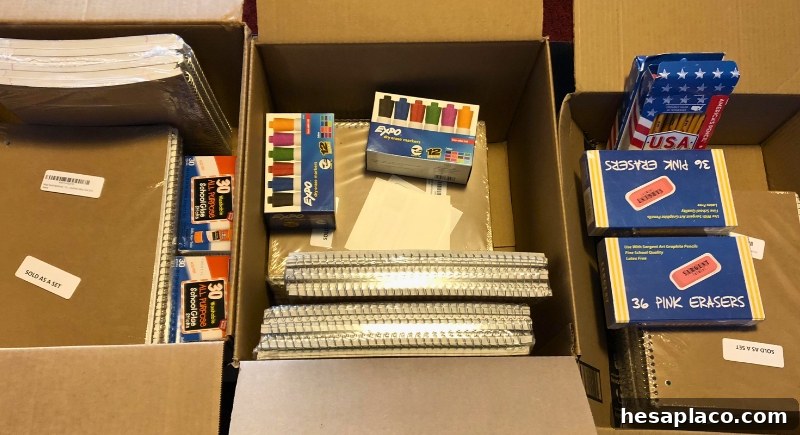
Back-to-School Costs Rose
Credit: Reddit
Tariffs on electronics, school supplies, and backpacks contributed to rising back-to-school expenses. Families now often spend several hundred dollars per child on essential items, and higher import costs have pushed overall totals upward.
Home Décor Items Became Pricier

Credit: Canva
Imports of décor items such as lamps, rugs, and vases faced higher tariffs, and retailers passed those increases to consumers. What once was an affordable accent piece can now carry a noticeably higher price tag.
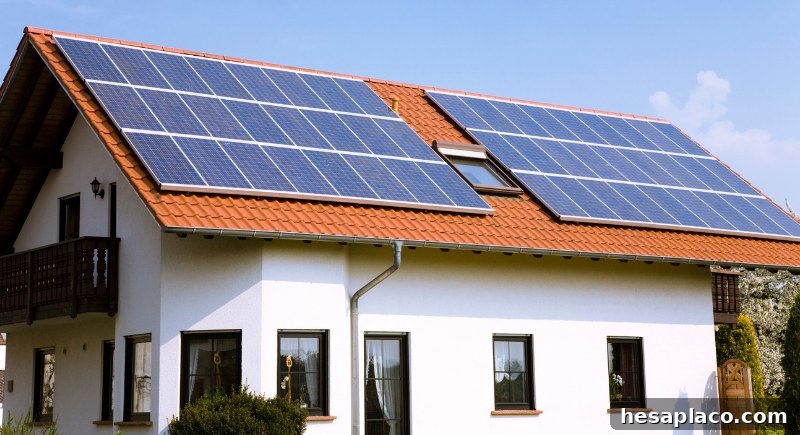
Solar Panel Installations Cost More
Credit: Getty Images
Tariffs on imported solar cells and panels raised installation costs for homeowners. Because many components come from overseas, increased import duties often translate into higher quotes from installers, lengthening the time it takes for solar investments to pay back.
Cut Flowers Have a Higher Price Tag

Credit: Getty Images
Many cut flowers are imported from countries like Colombia and Ecuador. Tariffs, trade restrictions, or logistical disruptions raise costs for wholesalers and florists, who typically pass those increases on to customers. Special occasion bouquets can therefore cost noticeably more.
In sum, tariffs can affect prices far beyond the immediate list of taxed goods. Import duties on raw materials, components, and finished products ripple through supply chains and retail pricing. While tariffs may be intended to protect domestic industries, the resulting increase in consumer prices touches nearly every household budget in small but cumulative ways.