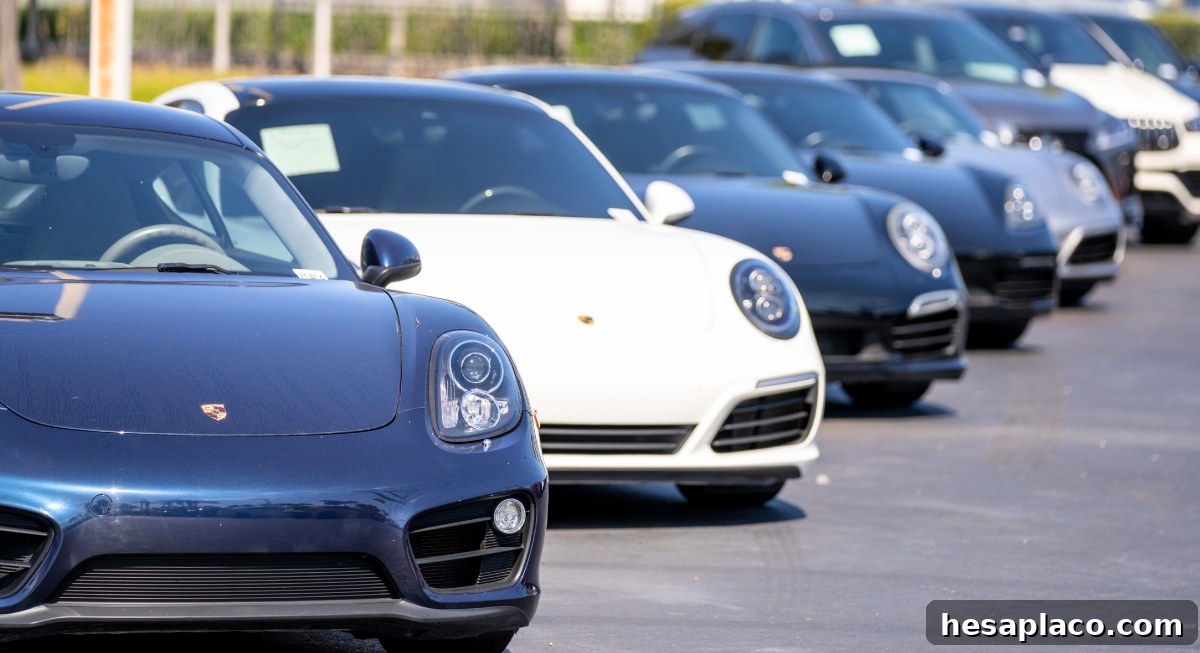
Every time Porsche resets expectations for road-car performance, the lessons usually start at racing speeds. Over the past two decades the company has entered one of its most aggressive innovation phases, producing models that embody moments when Porsche rewrote its engineering playbook. These cars show how racing-derived thinking—thermal management, software control, hybrid energy recovery, and aerodynamic stability—translated into repeatable, usable performance for everyday drivers.
Taycan Turbo GT
Credit: Wikimedia Commons
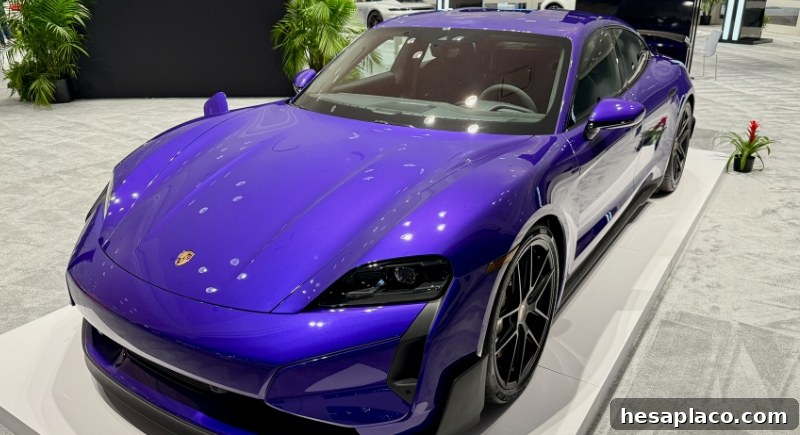
The Taycan Turbo GT was engineered with Nürburgring lap records in mind. In overboost mode, peak output approaches 1,034 PS, but the true milestone is sustained performance under repeated high-load conditions. The Weissach Package, which removes the rear seats and adds more aggressive aerodynamic elements, improves cooling and downforce so the car can deliver consistent lap-after-lap speed rather than only spectacular single runs.
Taycan Turbo S
Credit: Wikimedia Commons
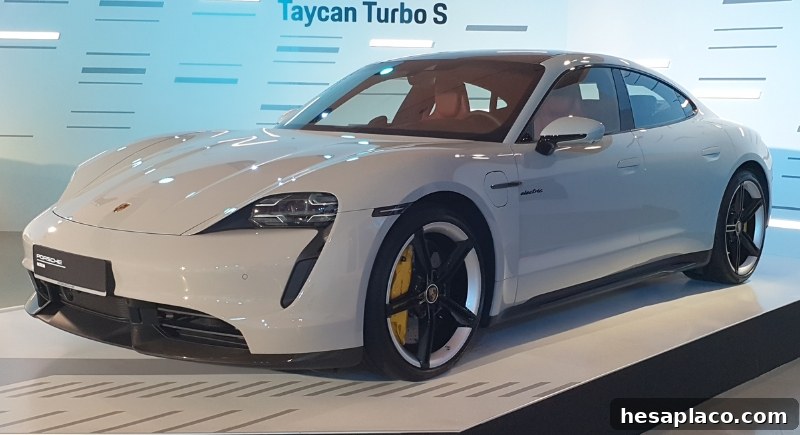
The Turbo S introduced many drivers to the instant thrust of an electric Porsche via dramatic launch-control runs. With overboost output near 952 PS, it stunned on first acceleration, but reviewers highlighted how the car maintained that punch over repeated launches. Sophisticated battery cooling and power-management software ensure consistent delivery under sustained load, showing that electric performance could be repeatable as well as explosive.
918 Spyder
Credit: Wikimedia Commons
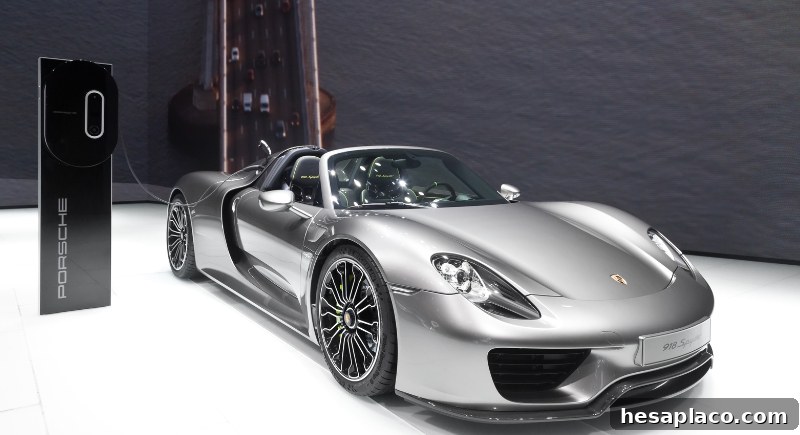
The 918 Spyder began as an experiment: could hybrid systems improve outright performance rather than only efficiency? Drawing on endurance-racing energy-recovery concepts, Porsche created a hybrid drivetrain that produced about 887 PS while smoothing torque delivery and filling gaps instantly. The result: a car capable of silent, efficient city driving and full, race-derived performance on track just minutes later.
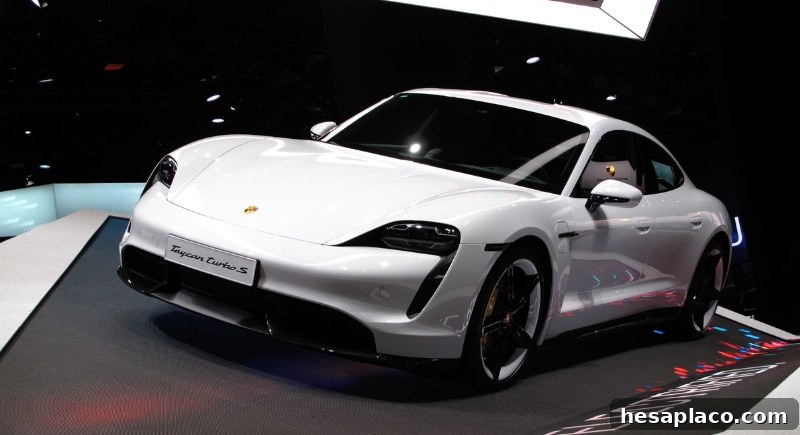
Taycan Turbo
Credit: Wikimedia Commons
Early Taycan Turbo buyers expected the steering feel and throttle response of a traditional Porsche. Delivering around 884 PS was only part of Porsche’s challenge; engineers prioritized software calibration and the two-speed rear transmission so the car retained strong, usable acceleration at highway speeds—an area where many early EVs struggled. The result felt familiar to sports-car drivers while leveraging electric drivetrain strengths.
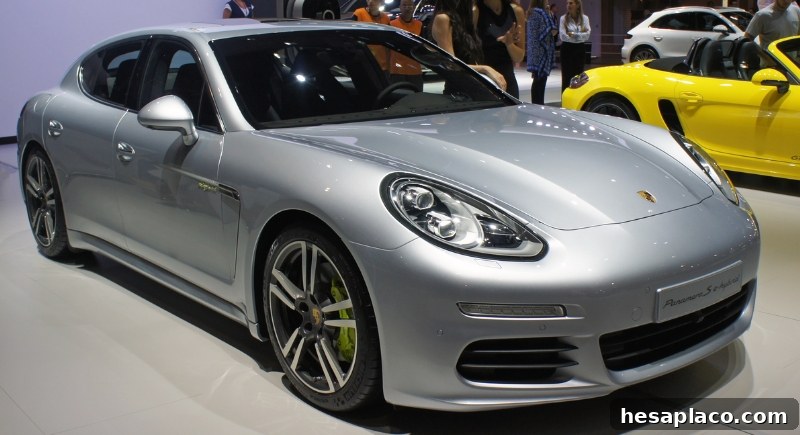
Panamera Turbo S E-Hybrid
Credit: Wikimedia Commons
Luxury sedan buyers rarely expect sports-car-level launches, but that is exactly what the Panamera Turbo S E-Hybrid targeted. By combining a twin-turbo V8 with electric boost, the system reaches approximately 782 PS. Owners frequently use electric mode around town for efficiency, then rely on the full system for effortless, high-speed overtakes and long-distance performance when the car is loaded with passengers and luggage.
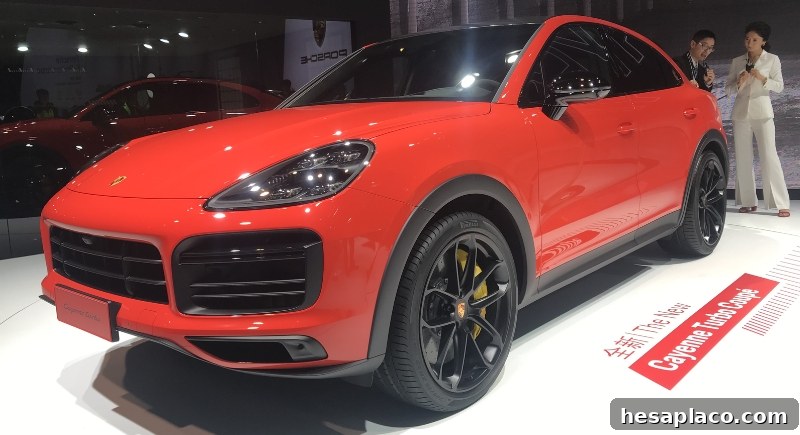
Cayenne Turbo E-Hybrid Coupe
Credit: Wikimedia Commons
When Porsche integrated hybrid systems into SUVs, many assumed efficiency was the main priority. In the Cayenne Turbo E-Hybrid Coupe the electrification primarily supports bursts of acceleration and sustained high-speed loads. With roughly 739 PS, the Cayenne delivers sports-car-like launch performance while retaining the practicality expected of a full-size luxury SUV—carrying people, cargo, and speed without compromise.
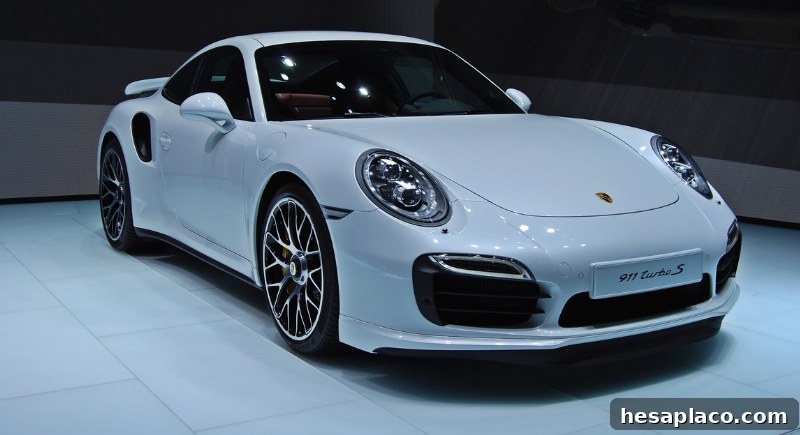
911 Turbo S
Credit: Wikimedia Commons
Engage launch control in a 911 Turbo S and the car compresses before lunging forward with about 711 PS. The twin-turbo flat-six pairs with advanced torque-management software that redistributes power front to rear in milliseconds. Years of Turbo development show in the car’s composure during repeated, high-stress acceleration runs: it remains stable, planted, and predictable even when pushed hard.
911 GT2 RS
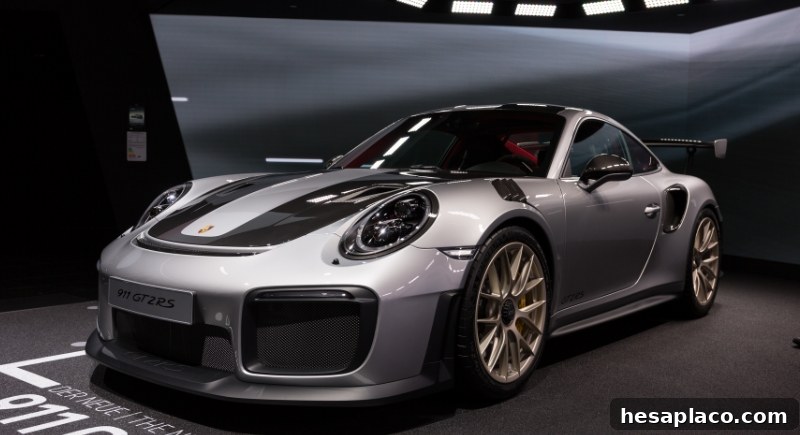
Credit: Wikimedia Commons
Developers of the 911 GT2 RS focused intensely on tire load limits and heat management. Putting roughly 700 horsepower through only the rear wheels demanded very wide tires and extreme aerodynamic stability. Nürburgring record attempts demonstrated the car’s status as a benchmark for the realistic limits of rear-wheel-drive performance—balancing raw power with the necessity of predictable, controllable behavior on a demanding circuit.
Taycan GTS
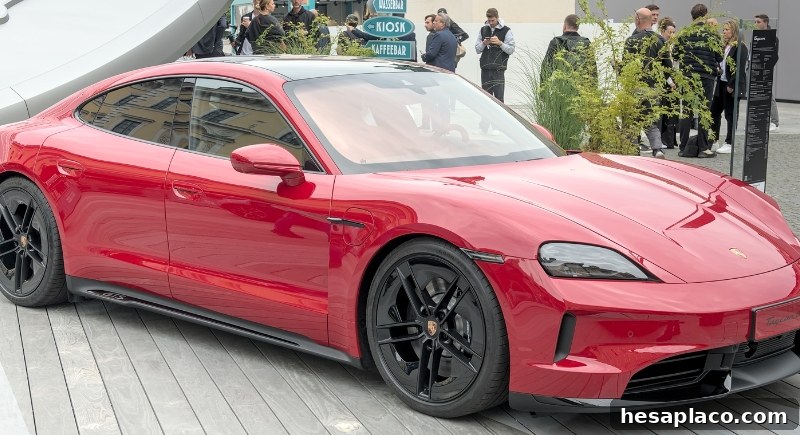
Credit: Wikimedia Commons
GTS models in Porsche’s range are aimed at drivers seeking the sharpest road feel, and the Taycan GTS follows this purpose. Suspension and steering are tuned more aggressively than lower trims, delivering heightened feedback and a more engaging driving experience. With around 700 PS available, the focus remains on driver connection and responsiveness rather than only outright numbers.
Panamera Turbo E-Hybrid
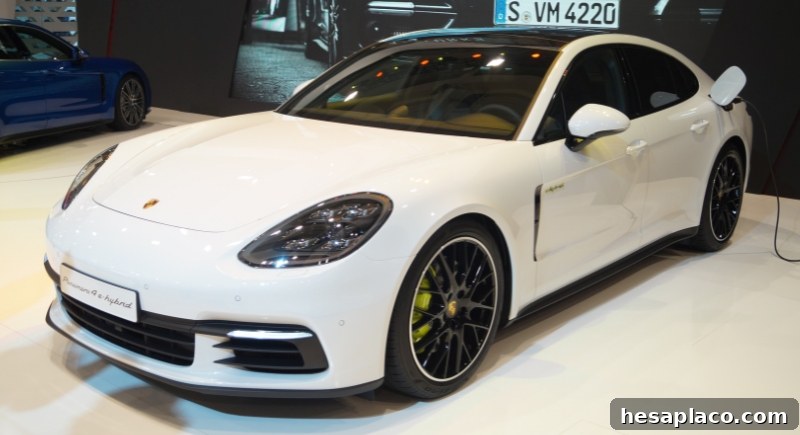
Credit: Wikimedia Commons
The Panamera Turbo E-Hybrid was developed around how owners actually use high-performance sedans: long highway trips, steep climbs, and heavy-load accelerations with passengers and luggage. Its hybrid system, producing roughly 680 PS, is tuned to deliver immediate mid-range surge—precisely where real-world passing and mountain-road performance matter most. The balance of combustion and electric power prioritizes usable force, comfort, and long-distance capability.
Across this lineup, Porsche’s engineering choices share a consistent theme: achieve high peak output, then ensure that performance is controlled, repeatable, and suited to real-world use. Whether through advanced cooling, hybrid energy recovery, two-speed transmissions, or refined software, these models demonstrate how motorsport knowledge continues to shape road-car technology.