
Buying a house brings more surprises than most people expect. You may think you understand the process until the first unexpected issue appears, and suddenly you’re researching terms and problems you never knew existed. A successful home purchase demands patience, realistic expectations, and planning for the inevitable bumps along the way.
Misleading Listings Can Hide Opportunities
Credit: Getty Images
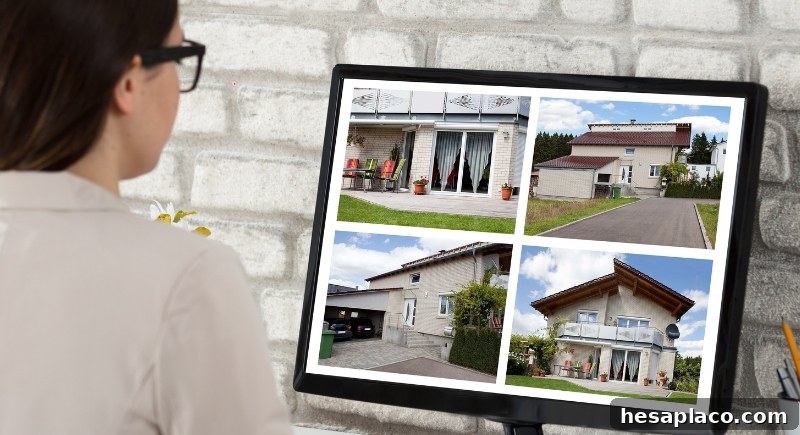
Property descriptions sometimes omit details or use technical language that masks practical potential. For example, rooms without built-in closets often aren’t counted as bedrooms, yet they can function perfectly as one. Always see homes in person before eliminating them. A few words in a listing shouldn’t be the only reason to pass on a property that might meet your needs.
School Zones Shape Home Values More Than You Think

Credit: Getty Images
Even if you don’t have children, local school districts have a major influence on home prices. Houses in sought-after school zones often sell for substantially more and tend to retain value better. Consider the district when evaluating long-term resale potential, not just immediate convenience.
Refinish Floors Before Moving In
Credit: Canva
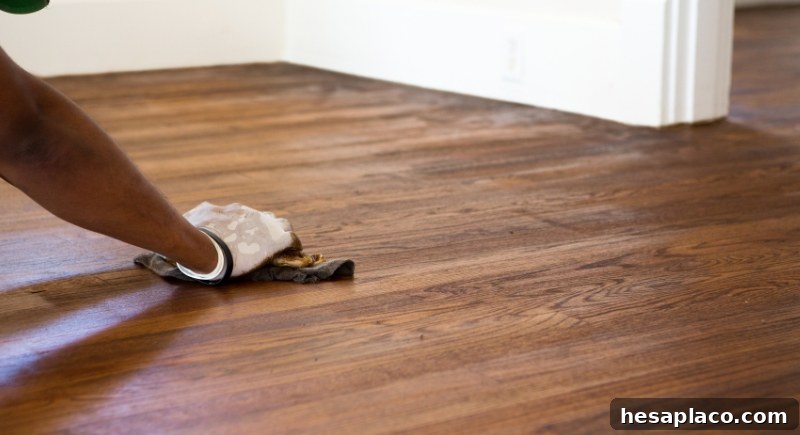
Refinishing hardwood floors is messy and disruptive. If the floors need work, schedule it before you move furniture in. Costs vary by wood type and region but generally fall between $3 and $8 per square foot. Clean, refinished floors not only look better but also make settling in much easier.
Repairs Will Happen Sooner Than You Think
Credit: Canva
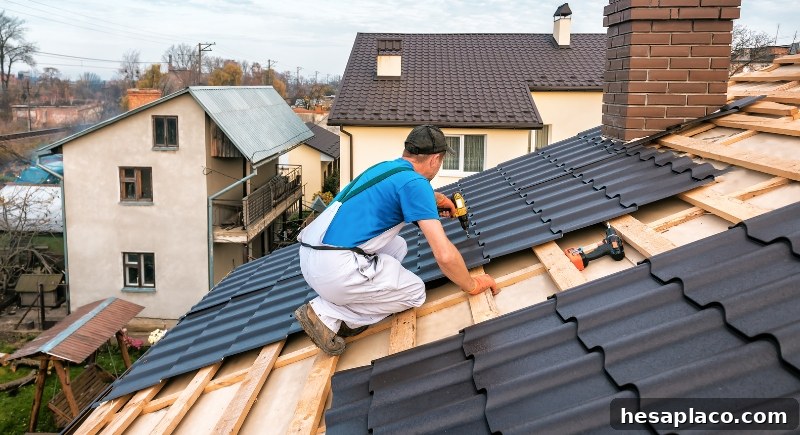
Unexpected maintenance is part of homeownership, even in newer properties. You may face a failed water heater, a leaky pipe, or roof work within months. Some repairs, like a damaged chimney liner, can cost thousands. Maintain an emergency fund for repairs so you’re not caught off guard financially.
The Right Realtor Makes a Lasting Difference

Credit: pexels
A skilled agent can save you time and money. They help you avoid rushed decisions, guide you through bidding situations, and steer you away from overpriced properties. A realtor experienced in the local market knows when to push and when to walk away—skills that matter a great deal when the stakes are high.
Stay Calm When Things Fall Apart

Credit: pexels
Deals collapse for many reasons—low appraisals, financing issues, inspection problems. If a purchase falls through, try to remain emotionally neutral. The home you thought was perfect might have hidden defects, and being patient usually leads to another, better-suited option down the line.
Older Homes Are Full of Surprises
Credit: Getty Images
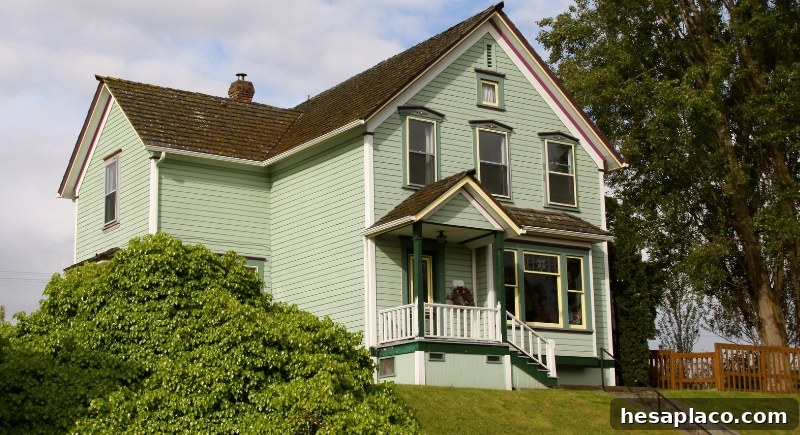
Older homes often come with character—and with issues you won’t notice at a glance. Houses built before 1978 can contain asbestos and lead-based paint; electrical systems like knob-and-tube wiring may be outdated, and insulation might be insufficient or missing. Thorough inspections are essential to avoid costly surprises.
TV Shows Don’t Show the Real Renovation Grind
Credit: Getty Images
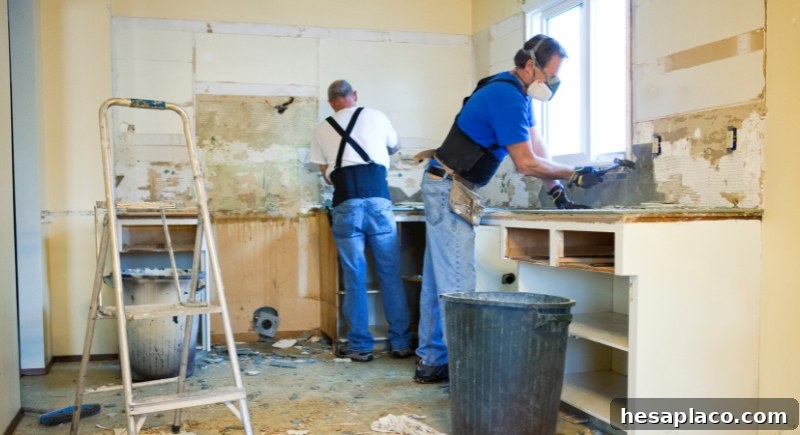
Renovation shows condense months of work into a short montage and omit permits, inspections, contractor delays, and cost overruns. A full bathroom renovation can take far longer and cost significantly more than initial estimates. If you aren’t prepared for extended timelines or unexpected bills, prioritize homes that already meet most of your needs.
Hold Off on Buying Furniture Immediately

Credit: nomadsoulphotos
Resist the urge to furnish every room right away. Living in the space for a few months reveals how you actually use each area. That cozy nook might work better as a home office than a breakfast corner. Waiting prevents impulse purchases and saves money on pieces that don’t fit your lifestyle.
Ceiling Height Changes Everything
Credit: DAPA Images
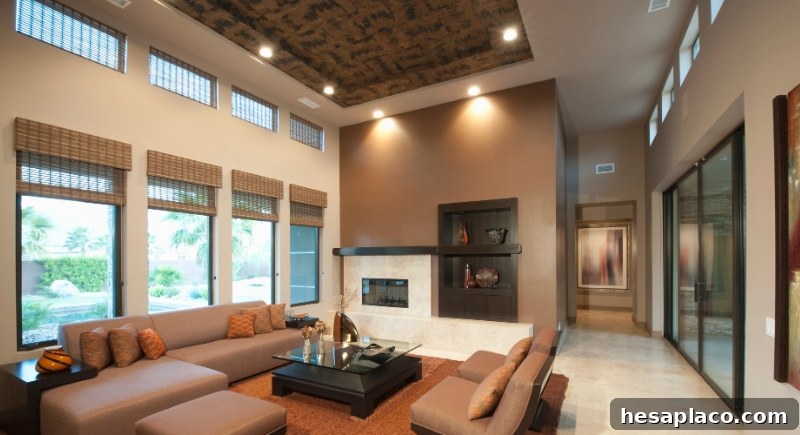
Ceiling height influences how spacious a room feels. Standard eight-foot ceilings can feel cramped compared with vaulted or cathedral ceilings that let in more light and create better airflow. If openness matters to you, prioritize spaces with higher ceilings when touring homes.
Be Flexible About Home Styles

Credit: Getty Images
It’s easy to develop strong preferences for particular architectural styles, but flexibility pays off. Many buyers find they love houses they never expected to consider because layout, location, or practical features outweigh aesthetics. Focus on function and neighborhood fit as much as style.
The Neighborhood Vibe Really Does Matter

Credit: Canva
Even a great house can feel wrong if the neighborhood doesn’t fit your lifestyle. Visit at different times to check noise levels, traffic, and neighbor activity. Walk the streets and get a sense of daily life there—this will affect your long-term satisfaction more than cosmetic features.
Smaller Yards Get Smaller Fast
Credit: pexels
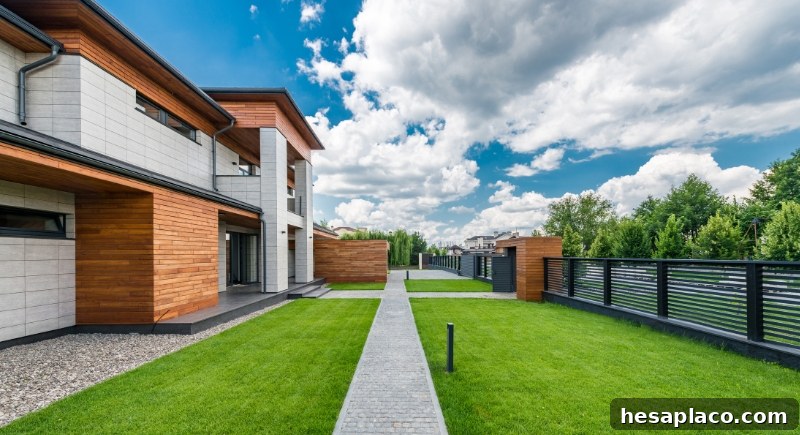
A half-acre yard can feel large on paper but shrink quickly once you add landscaping, decks, storage, or play areas. Consider how you’ll use outdoor space now and in the future. Yard size affects privacy, usability, and resale appeal, so think beyond the initial impression.
There’s No Such Thing as a Perfect House

Credit: Getty Images
Every property involves trade-offs. One home might be in a great area but have a small kitchen; another may have the layout you want but lack curb appeal. List your non-negotiables and be ready to compromise on lesser priorities. The best choice balances your must-haves with realistic expectations.
Lead Paint Still Exists – and It’s Serious
Credit: Getty Images
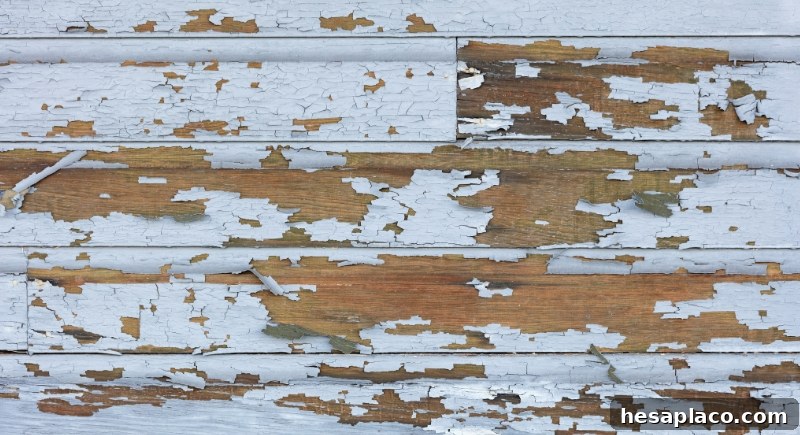
Homes built before 1978 may still have lead-based paint beneath newer layers. Disturbing that paint can create hazardous dust, particularly dangerous for children and pregnant people. If you’re considering an older property, request a lead inspection and factor potential remediation costs into your budget.
Your Commute Dictates Your Daily Happiness

Credit: pexels
Don’t underestimate the impact of commuting. A short, stress-free drive on a weekday might become much longer during rush hour, in bad weather, or when schools are in session. Test the route at the times you’ll actually travel to understand how it will affect your daily life and long-term satisfaction.
Property Taxes Can Rise Drastically After You Buy

Credit: Getty Images
The tax figure listed on a property may not match what you’ll actually pay. After a sale, assessors often re-evaluate a home’s value, which can lead to a significant increase in property taxes. Before closing, ask how reassessments work in the area and budget for potential increases so your monthly costs aren’t a surprise.