
Have an hour to spare? Instead of mindless scrolling or another episode, you can use that time to tackle quick financial tasks that protect your money and move you closer to your goals. These simple actions require no special tools, take little time, and can improve organization and financial security over the long term.
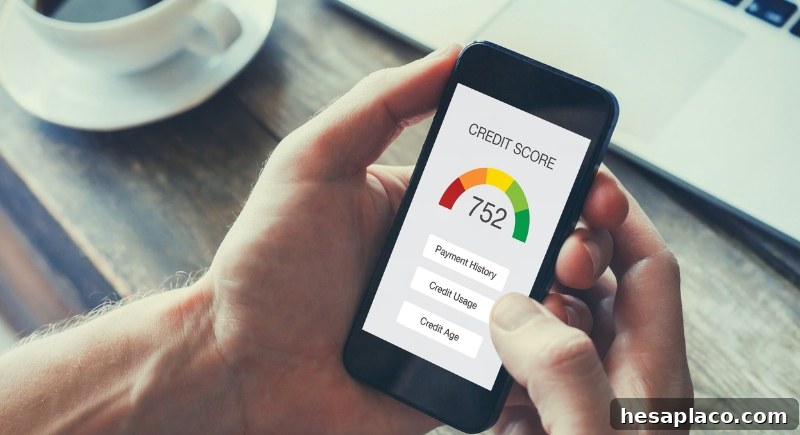
Review Your Credit Report
Credit: Getty Images
Pulling your credit reports helps you spot errors, unfamiliar accounts, or signs of identity theft that can hurt your score. Visit AnnualCreditReport.com for free reports from Equifax, Experian, and TransUnion. Regularly checking your reports ensures inaccuracies get corrected and helps protect your credit profile.
Freeze Your Credit
Credit: freepik
Freezing your credit restricts access to your credit file, which makes it harder for someone to open accounts in your name. It takes only a few minutes to place a freeze with each of the three major bureaus. If you ever need to apply for credit, you can lift the freeze temporarily online or by phone, often within an hour.
Obtain an IRS Identity Protection PIN

Credit: Getty Images
An IRS Identity Protection PIN (IP PIN) adds a layer of security to your tax filings by requiring a six-digit code when you submit your return. After verifying your identity with the IRS, you receive a new code each year. This is especially valuable if you’ve been a victim of tax-related identity theft or are at higher risk.
Search for Unclaimed Property

Credit: pexels
You might be owed money from old bank accounts, insurance refunds, utility deposits, or uncashed paychecks. Use MissingMoney.com, a free site supported by state treasurers, to search unclaimed funds across most states. The site connects you to official state programs so you can safely start any claim process.
Negotiate a Better Cellphone Plan
Credit: pexels
A short call to your provider can lower your monthly bill. Ask about current promos, loyalty discounts, or age-based plans if you’re over 55. Carriers often have lower-cost options—compare your data needs to available plans before switching to avoid unwanted surprises.
Use Grocery Store Apps for Savings

Credit: Canva
Many grocery chains offer apps with exclusive coupons and personalized deals you won’t see in-store. Apps like Flipp, Ibotta, and Checkout 51 help you find savings, earn cash back, or compare prices across retailers. Scanning loyalty cards and uploading receipts can add up to meaningful savings on routine purchases.
Apply for a Balance Transfer Credit Card

Credit: freepik
If you carry high-interest credit card debt, a 0% APR balance transfer card can give you a window to pay principal faster. Some offers provide up to 18–21 months with no interest. Check eligibility before applying—approval often depends on a solid credit score—and be mindful of transfer fees and the rate after the promotional period ends.
Create a Dedicated Email for Shopping Promotions
Credit: freepik
Use a separate email address for retailers, coupons, and promotional newsletters. This keeps your primary inbox uncluttered and makes it easier to find deals when you want them. A dedicated promotions inbox also reduces impulse buys by keeping tempting offers out of your main communication stream.
Set Up a My Social Security Account
Credit: freepik
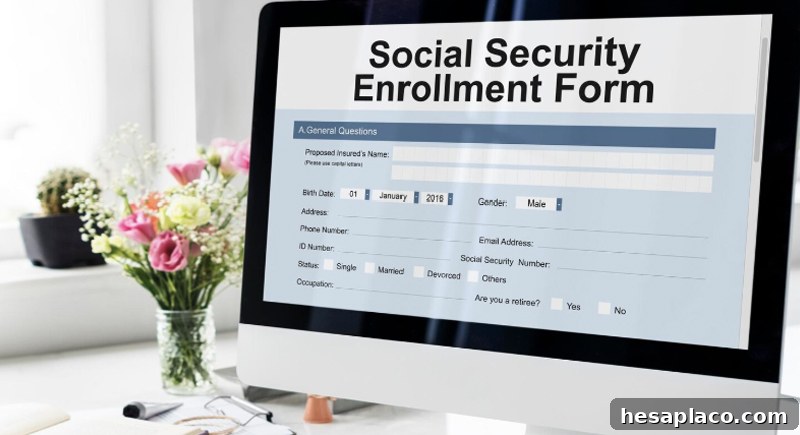
Creating a My Social Security account provides secure online access to your earnings record, benefit estimates, and claim status. Regularly checking this account helps you ensure your earnings are reported correctly and can detect potential fraud early. Protect your credentials and avoid sharing login details.
Shop Around for Auto Insurance

Credit: freepik
Auto insurance prices vary by company even for similar coverage. Use comparison tools to gather multiple quotes, and compare deductibles, liability limits, and optional coverages. Switching providers or adjusting coverages can often lower premiums without sacrificing necessary protection.
Automate Your Savings

Credit: Canva
Set up recurring transfers from checking to savings right after payday so saving happens automatically. Even small regular contributions build over time thanks to consistency and compound interest. Most bank apps let you schedule transfers in minutes, and automating removes the temptation to spend what you intended to save.
Review and Cancel Unused Subscriptions

Credit: Getty Images
Recurring subscriptions can quietly drain your budget. Use apps or your bank’s recent transactions to spot monthly charges you no longer use. Canceling unused services can free up noticeable cash each month and tighten your budget without much effort.
Set a Short-Term Financial Goal

Credit: Getty Images
Choose a manageable short-term goal—like building a $500 emergency fund or paying off a small credit card balance—and break it into weekly or monthly milestones. Tracking progress keeps you motivated and helps turn larger objectives into daily habits that are easier to maintain.
Use Cash-Back Apps for Everyday Purchases

Credit: Canva
Cash-back apps like Rakuten, Dosh, and Upside reward you for purchases you already plan to make. Activate offers before checkout or link your payment card to earn rebates automatically. Over time, these small returns can add up and reduce overall spending.
Review Your Budget

Credit: Canva
Spend 10 minutes reviewing recent transactions to spot creeping expenses—like more frequent dining out or rising utility bills—and adjust your plan accordingly. Quick, regular budget check-ins keep spending intentional and aligned with both short- and long-term goals.
Update Your Beneficiaries

Credit: Getty Images
Review beneficiary designations on retirement accounts, life insurance, and bank accounts. Life changes can make old names inaccurate, and updating beneficiaries ensures funds go to the people you intend without added hassle or legal delays.
Increase Your 401(k) Contribution Percentage
Credit: Getty Images
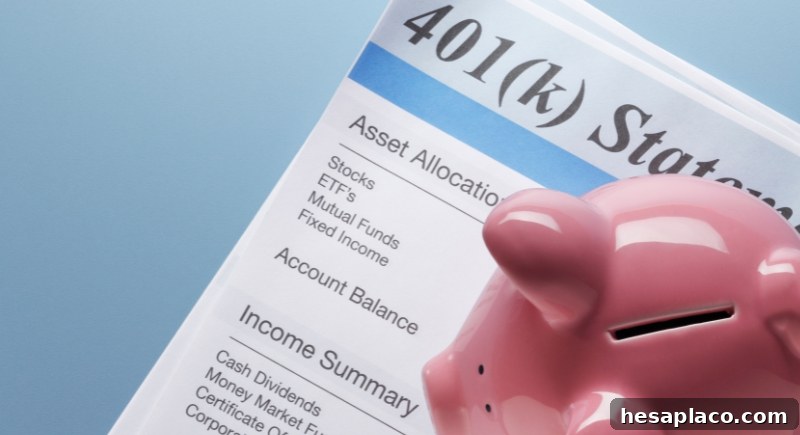
Raising your 401(k) contribution by even 1% can significantly boost retirement savings over time, thanks to compound growth. Most employer plans let you update your contribution quickly through an online portal. The change is often barely noticeable in your take-home pay but meaningful for your future.