Factories are slowing and farmers are feeling the effects as tariffs continue to reshape key industries in 2025. Workers nationwide are already experiencing these shifts. Below are the sectors and jobs most at risk because of ongoing tariff pressures.
Automotive Industry
Credit: Reddit
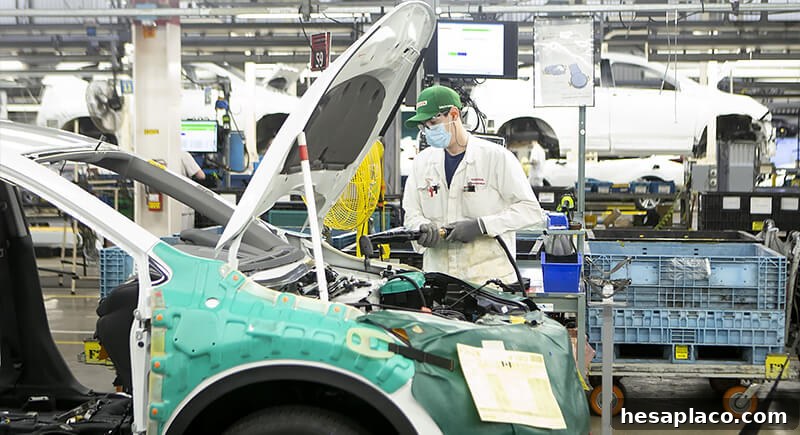
A 25% tariff on imported vehicles and parts in 2025 is imposing roughly $108 billion in additional costs on U.S. automakers this year. That strain has already led companies such as Volvo to cut hundreds of jobs across Pennsylvania, Virginia, and Maryland. Suppliers, assembly-line workers, and regional service providers face heightened risk as manufacturers trim production and delay investments.
Apparel and Textile Industry

Credit: Reddit
Tariffs on apparel imports have increased to about 14.6%, translating to nearly $11.9 billion in added costs last year for fashion companies. While parts of the U.S. textile industry, particularly in the Carolinas, are seeing a modest rebound, automation is limiting job growth. Internationally, textile producers in countries like Madagascar and Lesotho are suffering steep job losses as U.S. market access shrinks.
Plastics Manufacturing Industry
Credit: iStockphoto
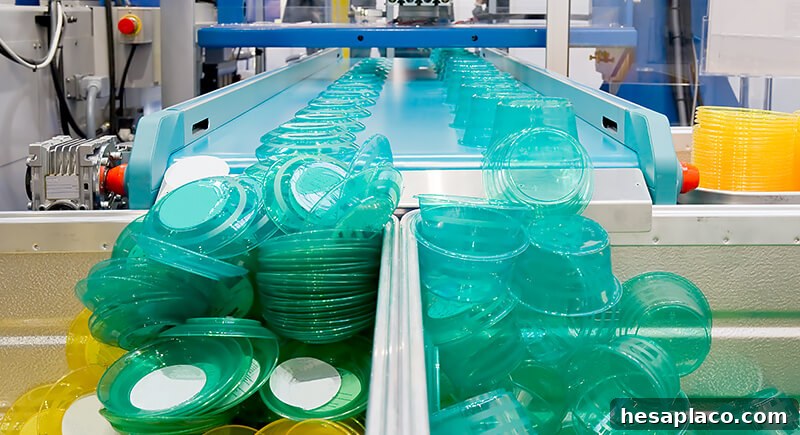
New tariffs have pushed the effective rate on many plastic inputs to roughly 22.5%, driving production costs higher and prompting some firms to pause major investments. Companies that supply consumer goods, industrial components, and packaging are seeing margins compress. Consumer prices for plastic-containing products have already risen, and hiring in downstream manufacturing may slow as firms absorb or pass on costs.
Aerospace Industry
Credit: flickr
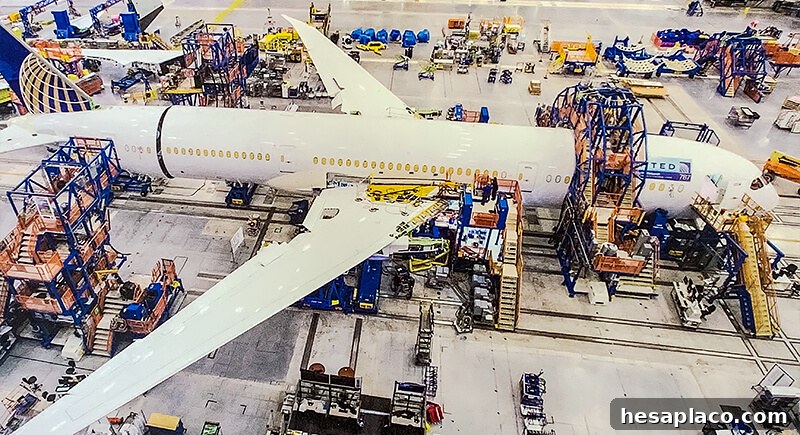
Steel and parts tariffs have hit aerospace exporters hard. Escalating duties led to Chinese buyers returning two Boeing 737 MAX jets and other orders being delayed. Increased metal prices are also squeezing suppliers: higher raw-material costs could shave hundreds of millions from major firms’ profits. Suppliers of engine parts and precision components are vulnerable to order slowdowns and cash-flow stress.
Poultry Industry
Credit: flickr
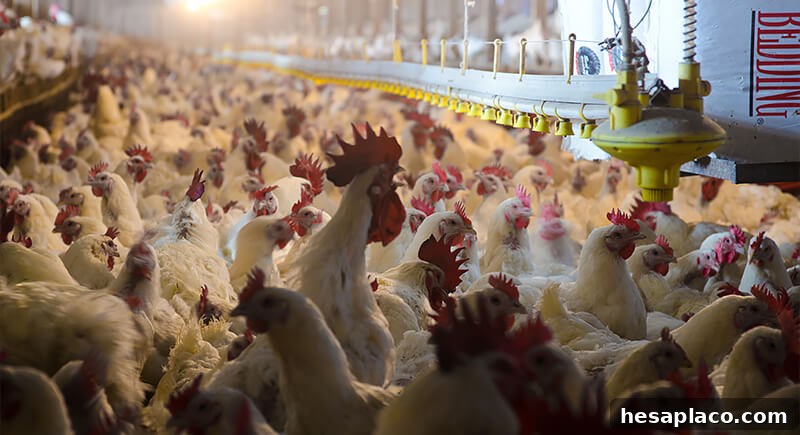
Trade tensions have hit poultry exports hard. With tariffs as high as 140% in some markets, previously steady export routes have dried up and many orders were canceled. Producers face lower revenues while the cost of imported feed and equipment rises, squeezing margins for processors, packers, and farm laborers.
Agriculture and Farming
Credit: flickr
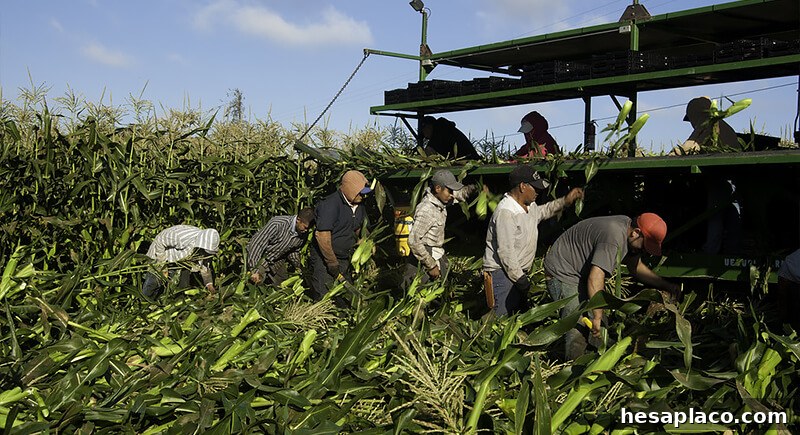
Agricultural exports face steep tariff barriers in many markets, and imports of equipment and inputs are also costlier. With tariffs effectively boosting prices by double digits in some cases, vegetable farmers and other crop producers see pressure on profitability. Fewer buyers abroad and higher costs at home increase the risk of layoffs among seasonal workers and processing-plant staff.
Beverage Industry

Credit: iStockphoto
Tariffs on imported aluminum, around 25% in some categories, have pushed can prices upward. Major beverage producers are exploring packaging shifts, including greater use of plastic bottles, to manage costs. That transition could disrupt supply chains and labor needs across packaging, filling, and distribution. Industry estimates suggest significant revenue impacts from the aluminum price spike.
Food Manufacturing Industry
Credit: flickr
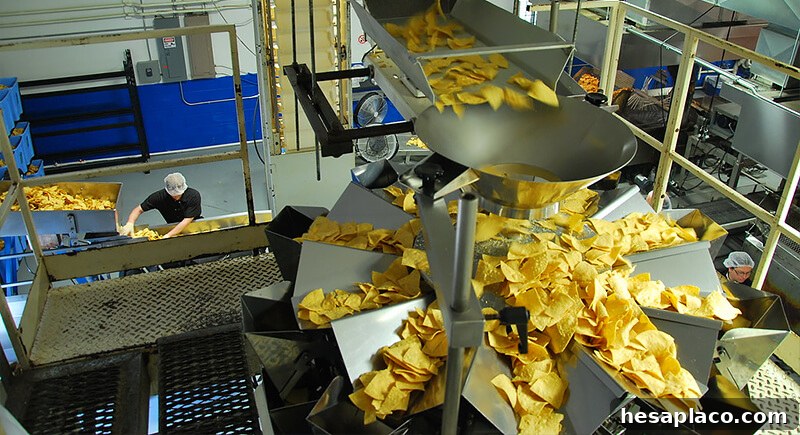
Export markets that once supported large-scale food production have tightened, affecting cheesemakers and snack producers alike. Rising costs for aluminum packaging and shortages of key inputs, such as cocoa from West Africa, are increasing production expenses. Reduced export demand and higher input prices pressure factory staffing levels and slow hiring.
Wine Industry
Credit: flickr
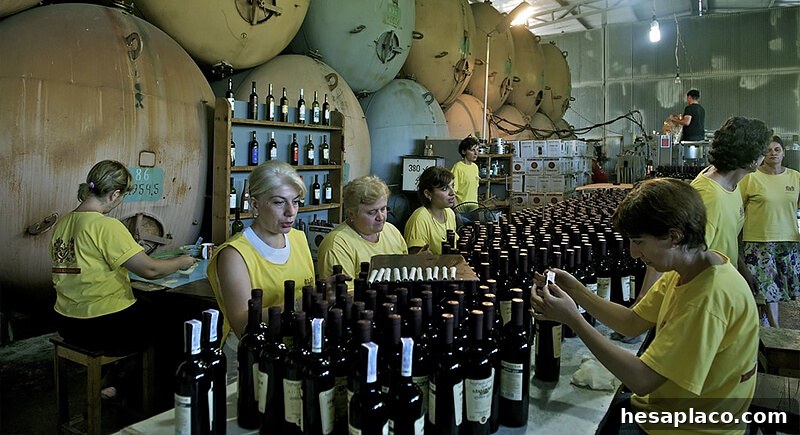
Proposed tariffs on European wines could disrupt a multi-billion-dollar transatlantic trade and force changes in domestic production and pricing. Wineries in California and New York are responding by investing in sustainability measures such as solar energy and improved soil management to lower operating costs and strengthen resilience against market shocks.
HVAC Manufacturing Industry
Credit: Reddit
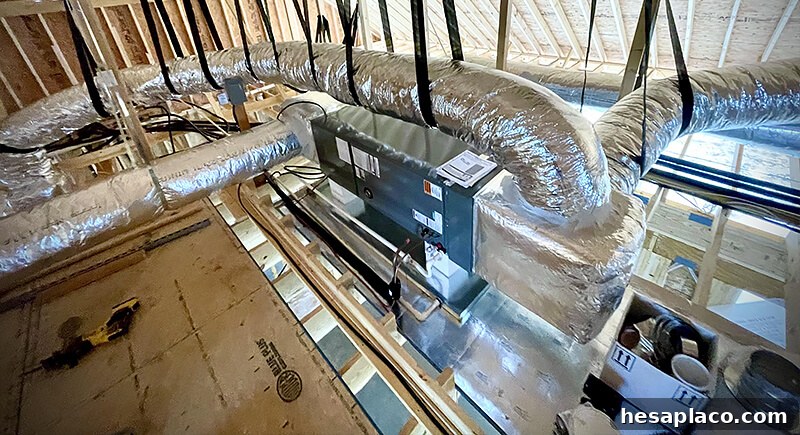
Tariffs on steel and aluminum have raised material costs, complicating production for HVAC manufacturers. Companies are delaying new hires, cutting budgets, and wrestling with delayed components that disrupt assembly lines. Contractors dependent on timely deliveries are also feeling the pinch as lead times stretch.
Medical Instruments Industry
Credit: flickr
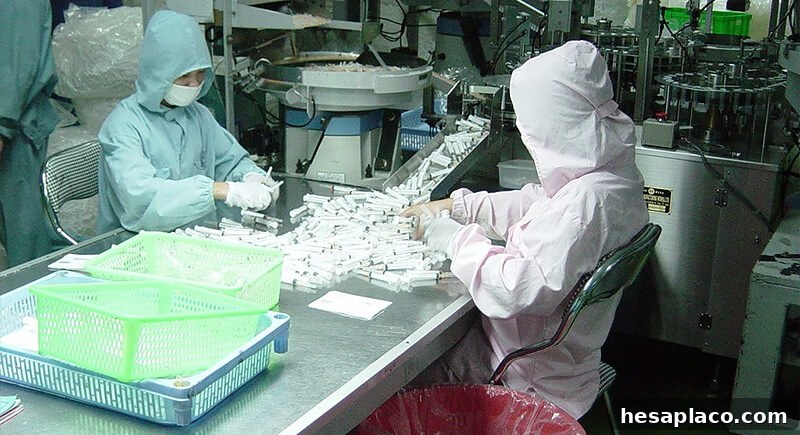
A uniform 10% tariff on medical imports has increased the cost of surgical tools, diagnostic equipment, and precision components. These added expenses ripple through hospitals, clinics, and research facilities and may force manufacturers to re-evaluate staffing, sourcing, and pricing.
Retail and Small Business
Credit: flickr
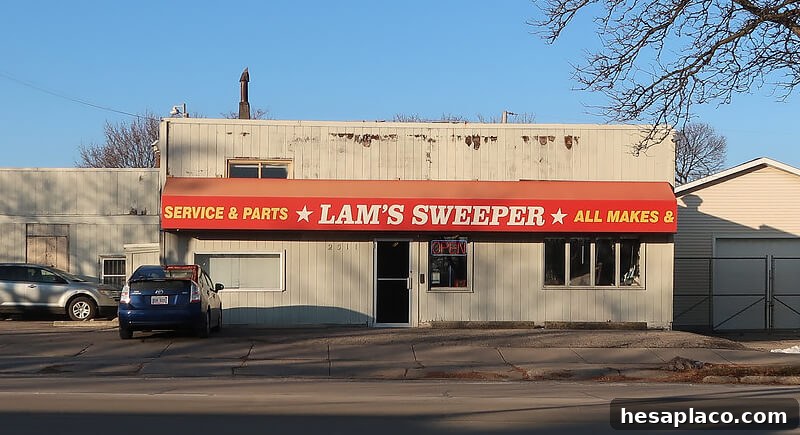
Small businesses are adapting to rising supplier costs and disrupted supply chains. Some have seen supplier prices jump by a third, forcing tighter margins and creative adjustments to inventory and pricing. A handful of firms are pursuing legal action after suffering substantial tariff-driven losses, while many others work to find alternative suppliers or absorb higher costs.
Steel Manufacturing Industry
Credit: Wikimedia Commons
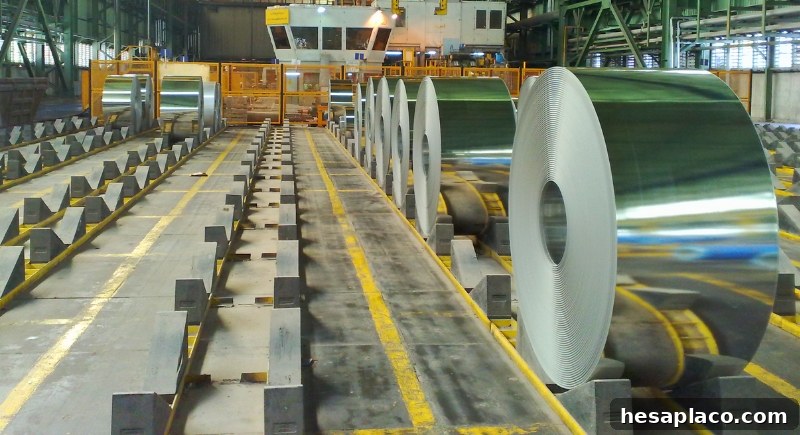
Tariffs helped revive domestic metal production, but higher prices are increasing expenses for downstream industries. Reduced demand prompted large mills to cut thousands of jobs in states like Michigan and Minnesota. Analysts warn that prolonged tariff-driven cost increases could reduce employment across related sectors by hundreds of thousands.
Paper Manufacturing Industry
Credit: iStockphoto
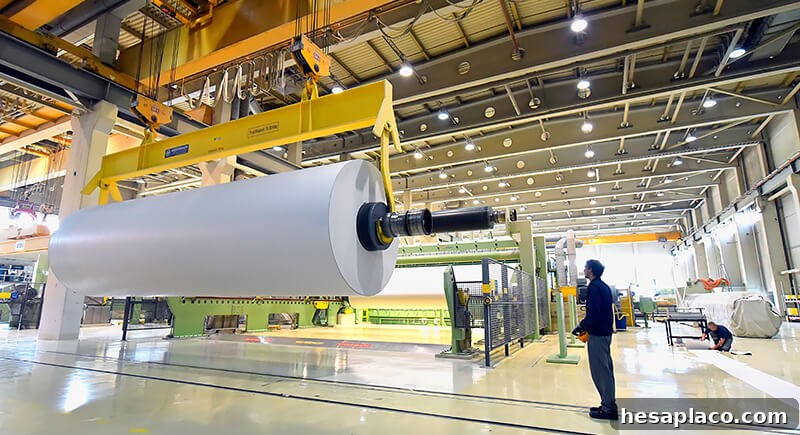
New tariffs on pulp and paper imports from traditional suppliers are disrupting long-established cross-border supply chains. The paper and packaging industry faces higher input costs and logistical challenges, affecting manufacturers of boxes, cartons, and other essential packaging materials.
Construction Industry
Credit: flickr
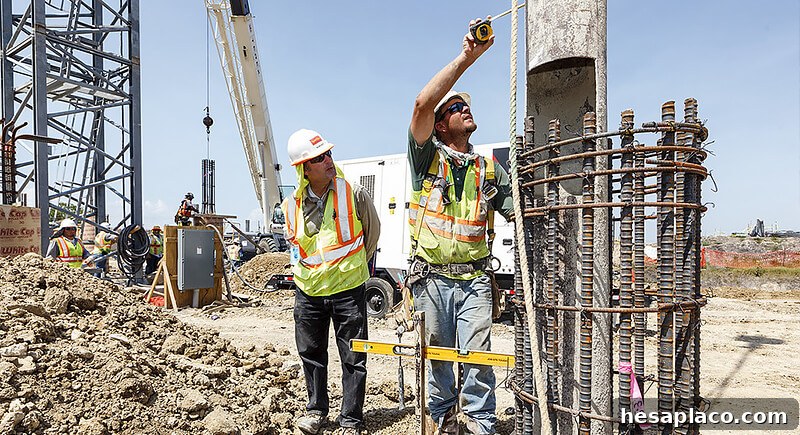
The Architecture Billings Index remained below 50 for nearly a year, signaling contraction in design activity. Since mid-2023, more than 4,100 construction jobs have been lost, with the Northeast particularly affected. Tariffs on steel, aluminum, and lumber have raised project costs and slowed new building starts.
Transportation and Warehousing Industry
Credit: Canva
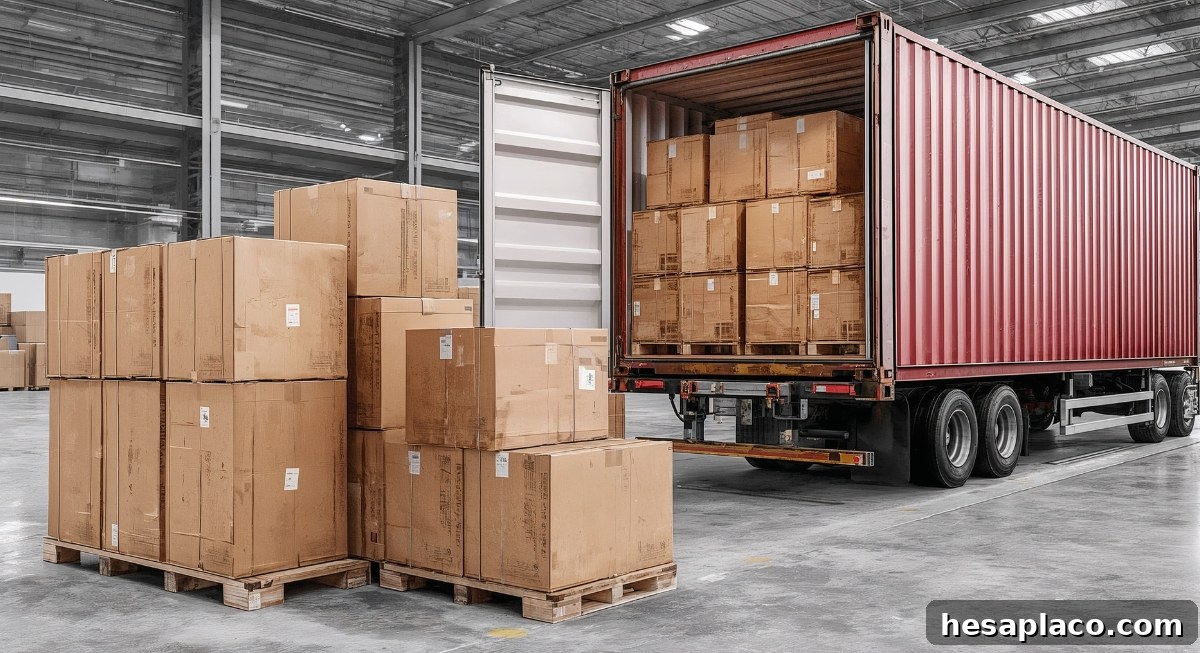
Tariffs affect more than factories; they ripple through the logistics chain. When import volumes fall or businesses delay purchases, trucking companies, freight handlers, and warehouse operators see fewer loads and shorter hours. A slowdown in cargo movement reduces demand for drivers, dockworkers, and logistics support staff.
Furniture Manufacturing Industry
Credit: Getty Images
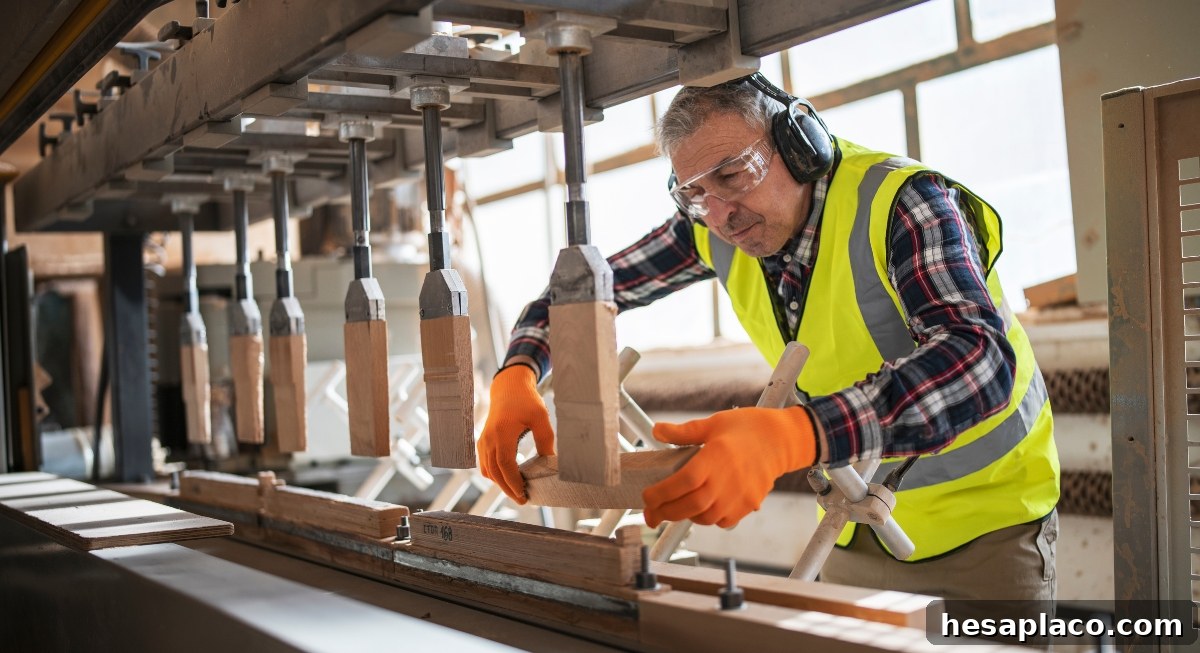
Furniture makers rely heavily on imported parts, fabrics, woods, and finished goods. Tariffs that raise those input costs force companies to either raise retail prices or reduce production and staffing. The result can be slower output, weaker sales, and job losses across factories that produce home furnishings.