Logos are often glanced at and quickly forgotten, yet many of the world’s most recognizable marks were created with far more intention than most people realize. Beyond surface aesthetics, designers use symbolism, negative space, and visual psychology to pack meaning into shapes that appear simple at first glance. These hidden details reinforce brand values, guide viewer perception, and help logos stay memorable long after the first look.
FedEx
Credit: pixabay
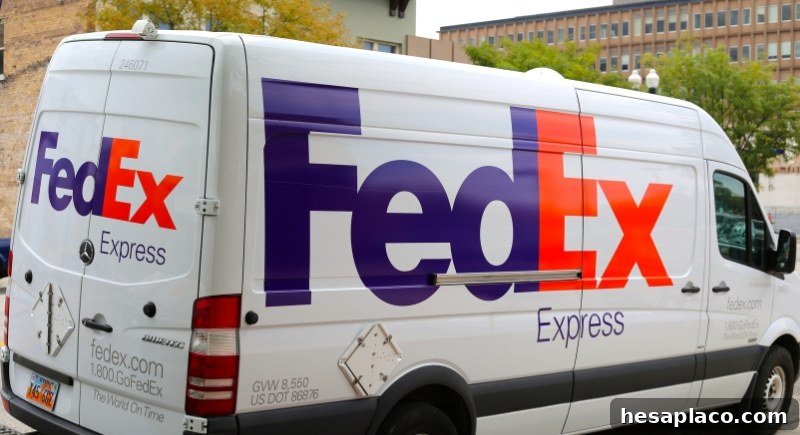
The FedEx logo hides an arrow between the E and the X, formed entirely by negative space. That subtle arrow points forward to suggest speed, precision, and efficiency—qualities that are central to a global shipping and logistics company. The clever use of negative space has helped the design endure through several brand updates while remaining instantly recognizable.
Toyota

Credit: pexels
Toyota’s badge is built from three overlapping ovals, each serving a purpose. The two inner ovals form a stylized T and represent the connection and trust between the company and its customers. The outer oval encircles those elements, symbolizing Toyota’s global reach. Observers can also trace the letters of the word “TOYOTA” within the curves, a testament to the mark’s layered and intentional geometry.
Evernote

Credit: Wikimedia Commons
Evernote’s logo features an elephant, an animal long associated with strong memory, making it an apt symbol for a digital notebook. A small but meaningful detail—the folded corner of the elephant’s ear—mirrors how people dog-ear pages to mark important information. That connection between a familiar analog habit and a digital product reinforces the app’s purpose in a simple, human-centered way.
Amazon

Credit: Wikimedia Commons
The arrow in Amazon’s wordmark curves from the letter A to the letter Z, visually promising that the company sells everything from A to Z. The arrow also doubles as a smile, implying customer satisfaction and friendly service. In addition to its symbolic role, the bright orange hue was selected for visibility across digital screens and packaging, ensuring the mark reads clearly in diverse contexts.
Hyundai

Credit: pexels
At first glance Hyundai’s symbol looks like a stylized H, but the design subtly depicts two figures shaking hands: one representing the company, the other the customer. That handshake visual communicates partnership, trust, and mutual respect—qualities an automaker aims to convey to buyers and business partners alike.
Toblerone
Credit: Wikimedia Commons
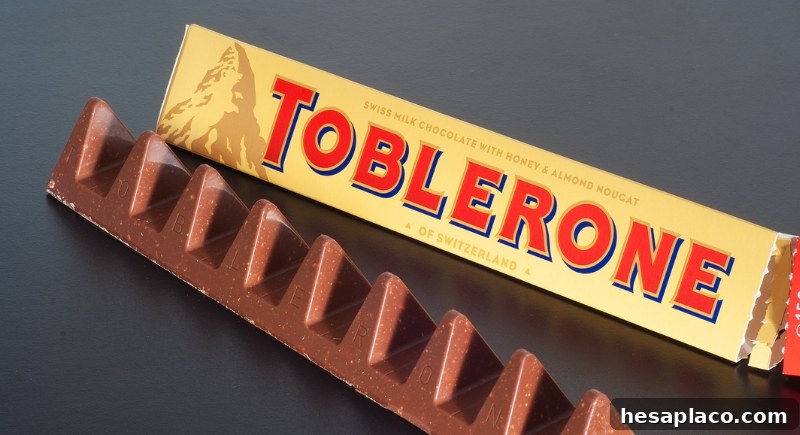
A close inspection of the Toblerone logo shows a bear hidden within the mountain silhouette. The bear references Bern, Switzerland—the city associated with the chocolate’s origins and famous for its bear symbolism. This discreet geographic nod ties the brand to its heritage while keeping the overall packaging clean and iconic.
Beats
Credit: Wikimedia Commons
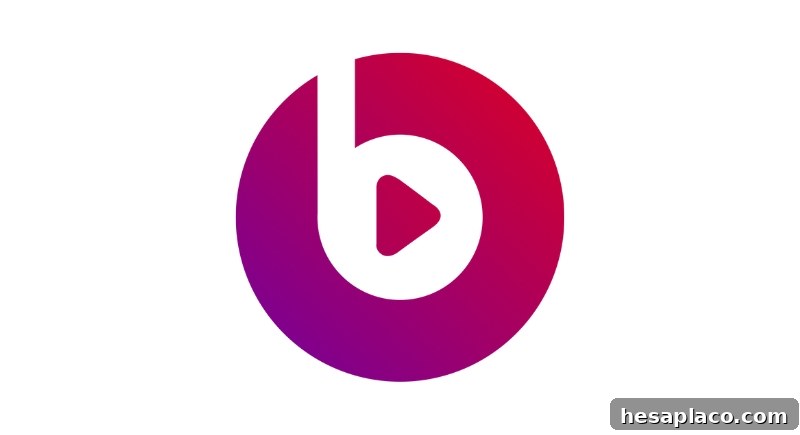
The Beats logo reads as a lowercase “b” enclosed in a circle, but the negative space also evokes a person wearing headphones. That double meaning emphasizes personal listening and centers the user experience in the mark. Its simple, bold shape scales well across hardware, apps, and packaging where recognizability and clarity are essential.
Baskin-Robbins
Credit: Wikimedia Commons
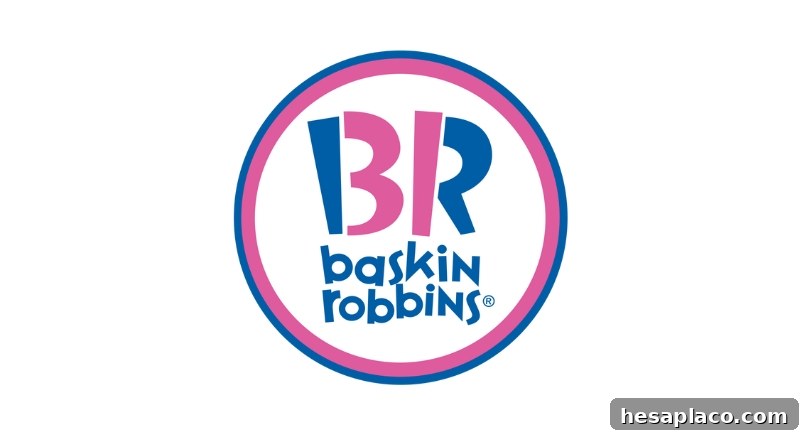
Hidden within the pink portions of the Baskin-Robbins logotype are the numbers 3 and 1, referencing the brand’s original promise of offering 31 flavors. This playful, integrated detail reinforces variety and choice without cluttering the design. The pink-and-blue color palette further supports a cheerful, family-friendly tone that has endured through decades of branding.
Formula 1
Credit: Wikimedia Commons
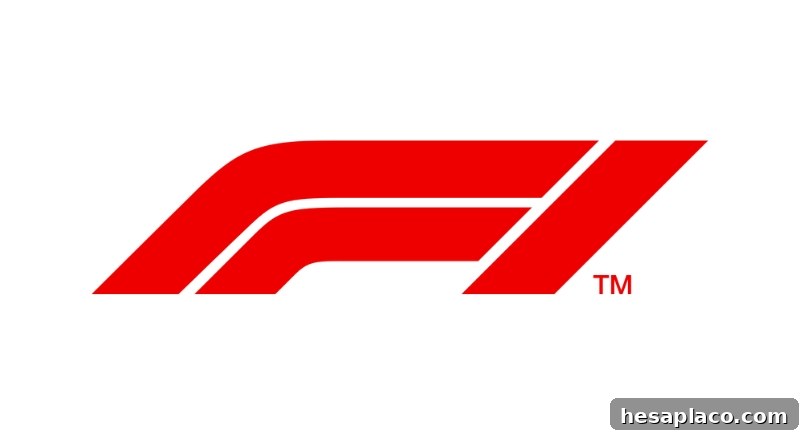
The Formula 1 logo cleverly embeds the number 1 between the stylized F and the red speed lines. Those red strokes suggest motion, speed, and acceleration, all core attributes of the racing series. The compact, dynamic mark communicates competition and performance even when reproduced at small sizes on merchandise or broadcast graphics.
NBC
Credit: Wikimedia Commons
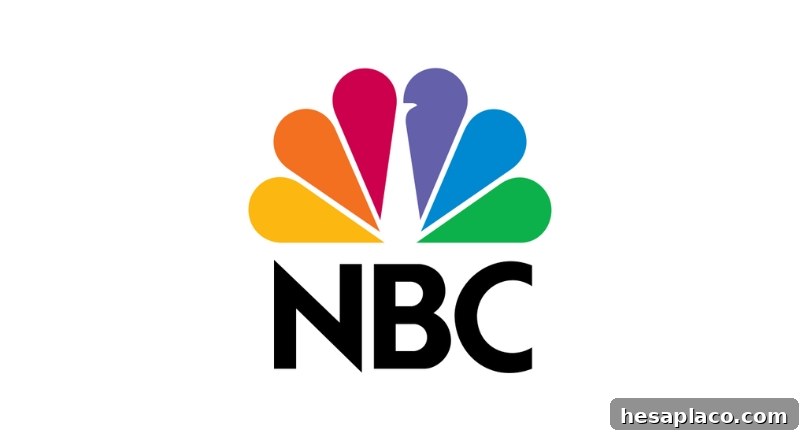
NBC’s peacock dates back to the early days of color television and originally signaled that a program was broadcast in color. The multicolored feathers have come to represent the network’s divisions and diverse programming, while the forward-facing peacock conveys creativity, growth, and a forward-looking attitude. The mark remains a strong example of purposeful, historically rooted design.