
Daydreaming about life after the 9-to-5 is easy, but choosing the right place for retirement—one that fits your budget, healthcare needs, and lifestyle—takes more thought. State taxes, access to hospitals, and local climate matter more than scenic views when you’re planning long-term. For 2026, several states stand out for combining practical advantages with a high quality of life. Below are ten states that retirees should consider, based on finances, healthcare access, community, and livability.
Wyoming Keeps More Money in Your Pocket
Credit: Getty Images
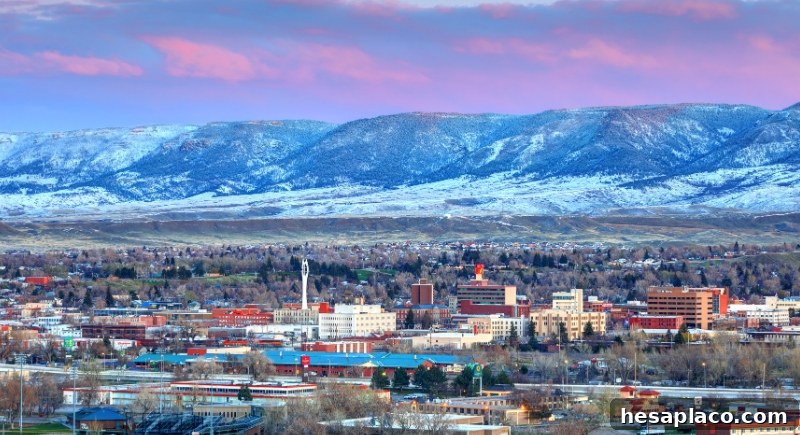
Wyoming’s tax structure is a big draw for retirees: no state income tax, relatively low property taxes, and a generally modest cost of living. Those factors help stretch retirement savings, but financial benefits aren’t the only appeal. The state often ranks well for senior health outcomes, and its low population density offers less traffic, cleaner air, and plenty of open space—assets that contribute to a calmer, healthier retirement.
Minnesota’s Healthcare Record Stands Tall

Credit: Getty Images
Minnesota consistently ranks among the best states for healthcare, supported by a dense network of highly rated hospitals and robust home health services. Seniors here benefit from strong longevity statistics and comprehensive community support systems. Winters can be severe, but statewide investments in safety and healthcare infrastructure help keep older adults well cared for year-round.
South Dakota Balances Budget and Lifestyle
Credit: Getty Images
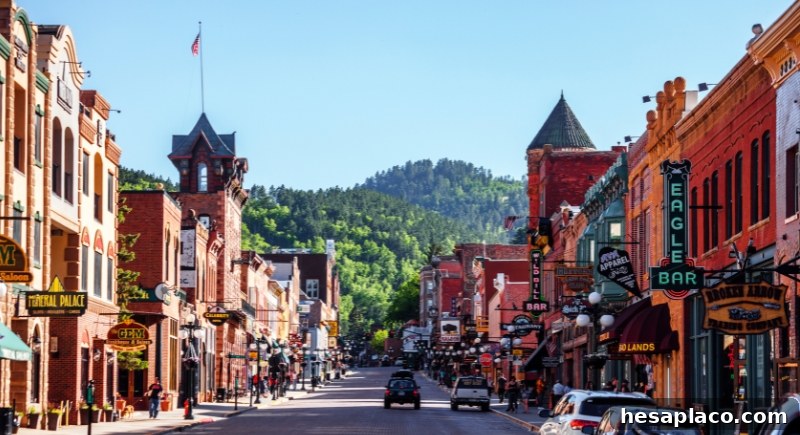
South Dakota offers clear financial advantages—no state income tax and manageable property taxes—along with quality-of-life strengths like easy access to parks and low senior poverty rates. Smaller towns typically provide reliable local medical services, and the state’s steady rankings for affordability and livability make it a compelling, practical choice for retirees who want simplicity and stability over flashier destinations.
New Hampshire Handles Taxes Differently

Credit: Getty Images
New Hampshire has no personal income tax and no general sales tax, which can provide significant savings for retirees. Property taxes are higher than the national average, but many find the overall tax trade-offs favorable. Social Security benefits are not taxed by the state, and retirement income rules often make the state attractive for those prioritizing tax efficiency and predictable income after retirement.
Florida Still Knows How to Attract Retirees

Credit: Canva
Florida remains a perennial retirement favorite. The state’s lack of personal income tax, wide variety of senior communities, and abundant Medicare-participating providers make healthcare and finances straightforward for many older adults. From lively beach towns to quiet inland communities, Florida offers choices for different lifestyles. Those who enjoy warm weather often find the state’s financial and medical infrastructure particularly appealing.
Delaware Surprises With Tax-Friendly Perks

Credit: Canva
Delaware may not always be the first state that comes to mind, but it offers distinct retirement advantages: no state sales tax and favorable treatment for many types of retirement income, including Social Security and certain pensions. Its compact size means convenient access to beaches, urban centers, and medical facilities without the congestion of larger states, appealing to retirees who want convenience and tax advantages.
Vermont Builds Strong Community Ties
Credit: Canva
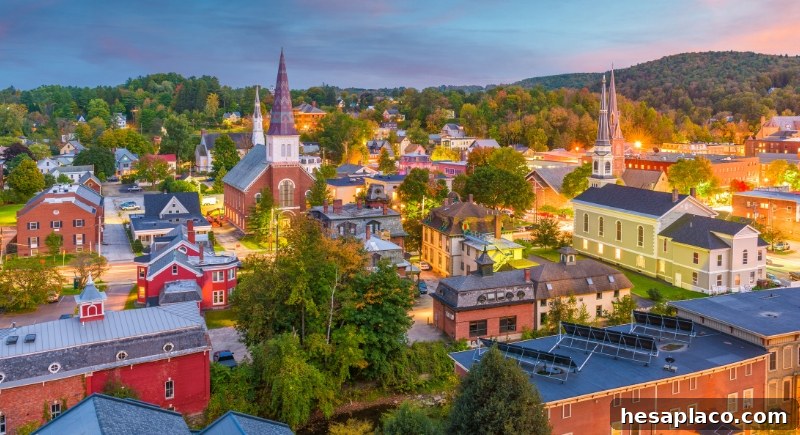
Vermont stands out for social engagement and strong community networks—important ingredients for mental and physical wellbeing in later life. The state has a relatively high share of residents aged 65 and over, so many services and community programs are tailored to seniors. Healthcare quality is solid, and the small towns and scenic rural areas offer a slower pace, local food options, and cultural activities that enrich retirement living.
Colorado Offers Altitude and Access

Credit: Getty Images
Colorado performs well across multiple retirement metrics, especially healthcare and overall quality of life. The state offers plentiful outdoor recreation, well-established retirement communities, and ready access to hospitals—even in many suburban areas. Active retirees often flourish in Colorado thanks to trails, parks, and year-round programming that supports both fitness and social engagement.
Iowa Keeps Healthcare Within Reach

Credit: Canva
Iowa often flies under the radar but ranks solidly in national retirement comparisons. It has a higher hospital density relative to population than many states, and healthcare quality remains consistently strong. Housing costs are generally lower than in many comparable states, and public safety is reliable across much of the state—combining to give retirees financial breathing room and dependable access to care.
Montana Gives Retirees Room to Breathe
Credit: Getty Images
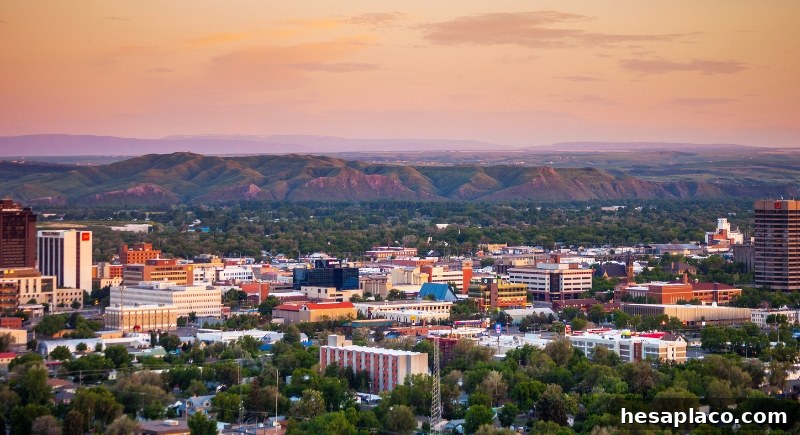
Montana appeals to retirees who value space, outdoor recreation, and a quieter pace of life. Low population density and easy access to hiking, fishing, and wide-open landscapes support both physical activity and mental well-being. While medical services are concentrated in regional hubs, the state’s cultural offerings—libraries, community arts, and local events—provide meaningful engagement that enhances retirement life without the higher costs of many western neighbors.
Choosing a retirement location depends on personal priorities—tax savings, medical access, climate, and community all matter. These ten states each offer a mix of financial advantages, reliable healthcare, and lifestyle benefits that make them worthy of consideration for retirees planning the next phase of life.