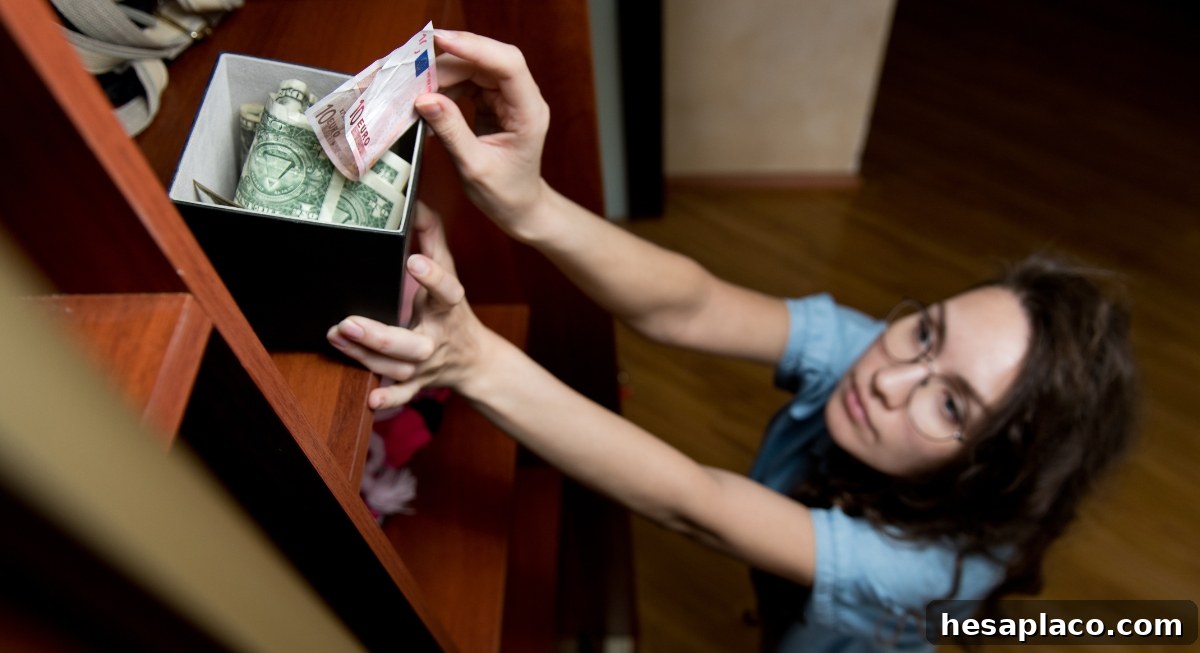
Most households keep a small amount of cash on hand, even if it’s rarely used. Cash covers minor emergencies, power outages, or situations where electronic payments aren’t available. The question isn’t whether to keep cash at home but where to store it so it stays concealed, undamaged, and still reachable when needed. An effective hiding place stays out of sight, avoids moisture or wear, and is unlikely to be discovered during a quick search.
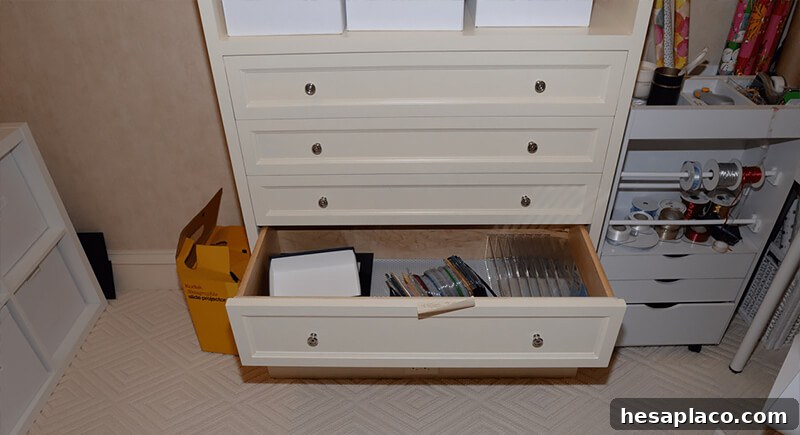
Inside a Dresser Drawer
Credit: Wikimedia Commons
Secure an envelope to the back panel or underside of the drawer rather than leaving it loose inside. Most intruders glance at visible contents and move on; they seldom pull drawers completely out or inspect undersides. This method keeps bills flat and out of sight while allowing quick access without emptying the drawer or shifting heavy furniture.
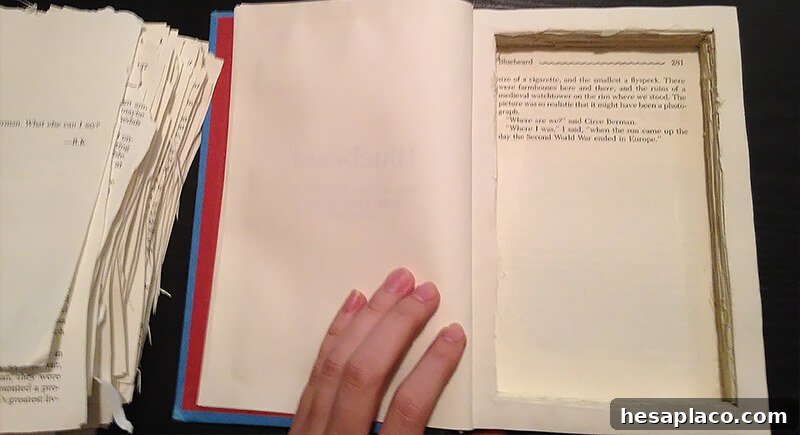
Hollowed-Out Book
Credit: Reddit
Pick a hardcover you won’t reread and cut a cavity through the pages. Place the cash in a sealed plastic bag and return the book to a crowded shelf. Among real books, it looks ordinary and unremarkable. This works best where bookshelves are already full and unlikely to be closely inspected.
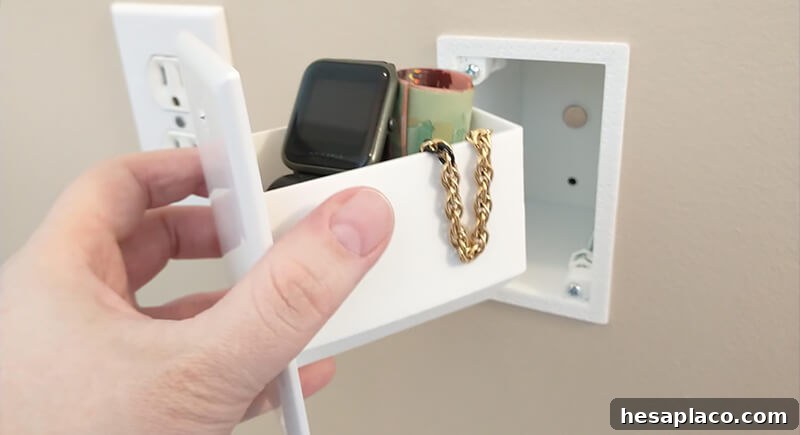
Fake Electrical Outlet
Credit: etsy
Recessed safes disguised as electrical outlets conceal small amounts of cash inside the wall. When installed properly, they blend with the other outlet plates and attract little attention. Matching the cover to surrounding plates helps ensure nothing looks out of place during a hurried search.
Freezer Food Bag
Credit: Reddit
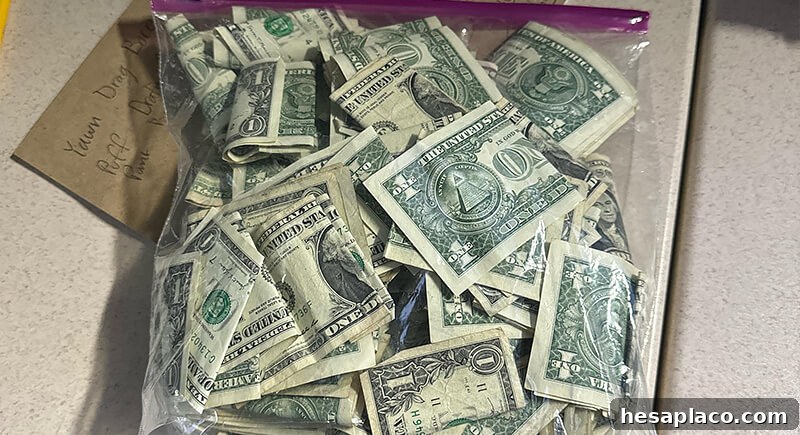
A tightly sealed bag of cash tucked into a half-used package of frozen vegetables disappears quickly in a busy freezer. People generally avoid touching icy, unappealing food, so this spot is often ignored during rushed searches. Ensure the cash is well sealed to prevent moisture damage.
Flour or Sugar Canister
Credit: Getty Images
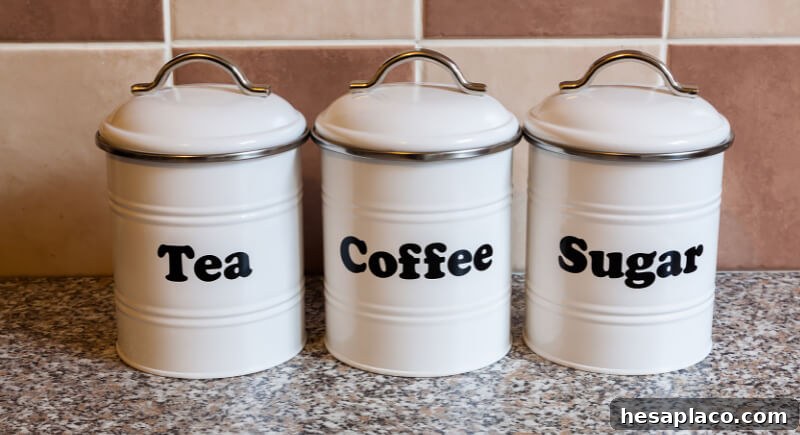
Pantry canisters are effective because they’re not usually emptied during a quick search. Place bills in a sealed bag at the bottom of a flour or sugar container, then pour the dry goods on top. It’s an inconvenient place to check, so discovery is unlikely unless someone intends to dig through the pantry carefully.
Plumbing Access Panel
Credit: familyhandyman
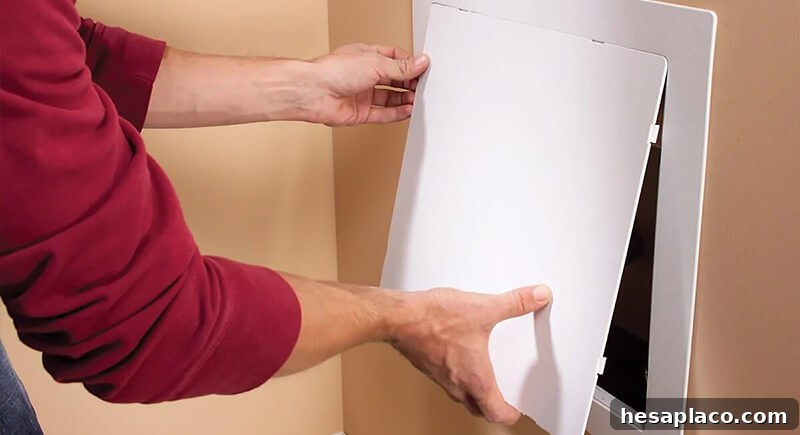
Small access panels near tubs or behind appliances hide unused vertical space. Tape an envelope to the inside wall or install a shallow shelf. These panels are often overlooked because many people aren’t aware they exist, making them a discreet, dry location away from everyday living areas.
Toilet Tank
Credit: Canva
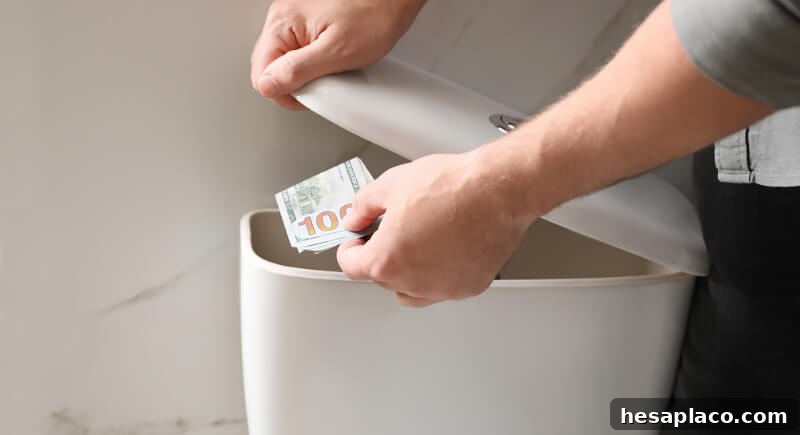
A sealed jar concealed inside the toilet tank stays hidden in plain sight. It remains out of view and is unlikely to be examined by guests. Make sure everything is tightly sealed to avoid moisture contact, and check it occasionally so you don’t forget it’s there when you need it.
Under Furniture Frame
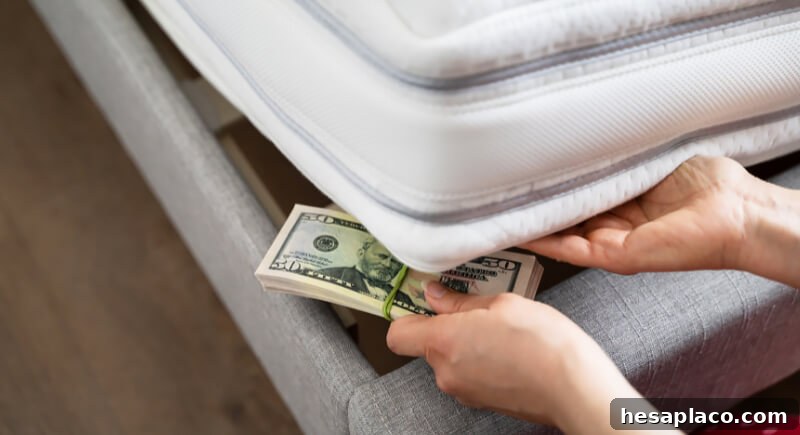
Credit: Getty Images
The wooden frame beneath a couch or chair offers discreet storage. Secure cash in a sealed plastic sleeve and attach it out of easy reach. Furniture isn’t typically flipped during quick burglaries, so this spot remains accessible to you while staying out of normal sight lines and away from the drawers intruders commonly open first.
False Drawer Front
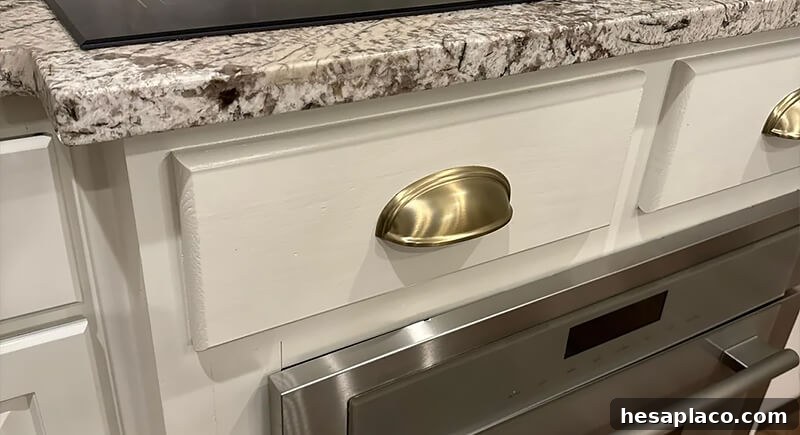
Credit: Reddit
Many cabinets have a fake top drawer that hides a shallow space. That gap is ideal for flat envelopes of cash. Because the drawer doesn’t open, it attracts little attention. Visitors and intruders rarely notice such tricks unless they know to look for them.
Unused Appliance
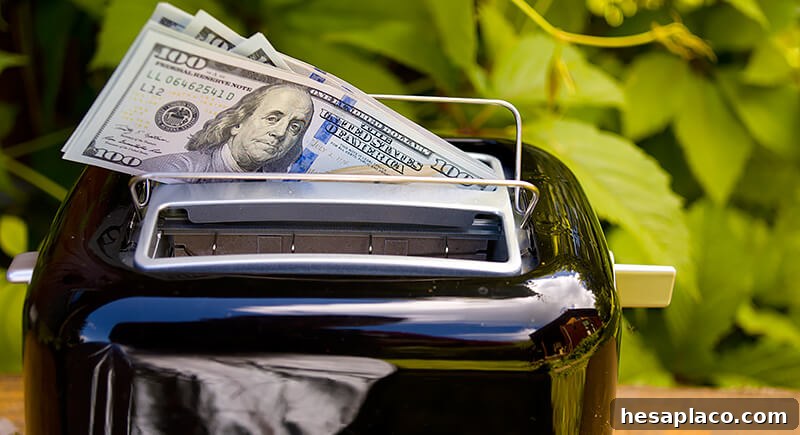
Credit: iStockphoto
An out-of-use kitchen appliance stored in a cabinet makes an uninteresting hiding place. Remove a nonessential part, seal the cash, and return it to storage. Avoid hiding valuables among items you or guests might move; dull, seldom-handled objects blend in and are less likely to be searched during hurried intrusions.