
That uneasy feeling when you avoid opening your banking app because you know the balance will sting isn’t just bad planning — it’s your mind steering your choices. The real danger to your finances often isn’t income or expenses but the hidden cognitive traps that influence decisions without you realizing it.
Loss Aversion

Credit: Canva
People typically feel the pain of losing money more intensely than the pleasure of gaining the same amount. That imbalance can lead to poor choices, like holding onto underperforming investments to avoid realizing a loss. It can also prevent you from taking measured risks that are necessary to build long-term wealth.
Overconfidence Bias

Credit: freepik
When people overestimate their knowledge or skills, they may ignore research or bypass expert advice. That can lead to risky behavior such as excessive trading or investing in highly volatile assets without adequate safeguards. Overconfidence often amplifies mistakes rather than improving results.
Anchoring Bias

Credit: Getty Images
The first number you see can skew your judgment. For example, a house originally listed at $600,000 that drops to $550,000 may feel like a bargain because of the initial anchor, even if that price doesn’t reflect true market value or hidden costs. Anchors can distract you from a rational assessment.
Herd Mentality

Credit: pixelshot
Following the crowd during financial booms and busts without considering your personal goals or the true risks can be destructive. Market bubbles and crashes often arise from herd behavior. This tendency can push people to buy at peaks out of fear of missing out and to sell in panic at troughs.
Familiarity Bias

Credit: freepik
People naturally prefer what they know. Investors often favor domestic stocks or well-known brands and avoid unfamiliar options. While comfort is understandable, overreliance on familiar choices can limit diversification and cause missed opportunities in lower-cost or higher-performing assets abroad or in niche markets.
Mental Accounting

Credit: pexels
People tend to treat money differently depending on its source. A regular paycheck might be budgeted carefully, while a tax refund or bonus is treated like “extra” and spent more freely. This mental separation can lead to inconsistent financial choices, even though all money should generally be managed according to the same priorities.
Gambler’s Fallacy

Credit: Getty Images
Assuming that past outcomes change future probabilities can be dangerous. A stock that has fallen for several sessions isn’t guaranteed to bounce back simply because “a rebound is due.” Treating independent events as if they’re connected can lead to unjustified, risky bets.
Confirmation Bias

Credit: pexels
People often seek information that supports their existing beliefs and dismiss evidence that contradicts them. In investing, this leads to selective research and missed warning signs. Sound decision-making requires actively considering alternative viewpoints and uncomfortable facts.
Recency Bias

Credit: Canva
Recent events tend to dominate thinking more than older, possibly more relevant data. If markets have performed well lately, many assume the rise will continue. That skewed perspective can lead to poor long-term decisions if historical trends and broader indicators are ignored.
Disposition Effect
Credit: Getty Images
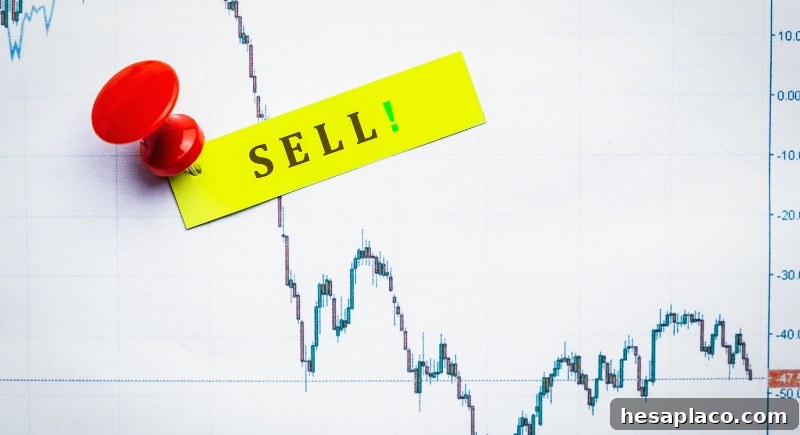
Investors often sell winners too quickly to lock in gains and hold losers too long hoping they’ll recover. Driven by regret avoidance and emotional attachment, this pattern typically reduces overall portfolio returns and increases losses over time.
Status Quo Bias

Credit: Getty Images
People often favor keeping things as they are, even when superior options exist. This can mean leaving cash in low-yield accounts or not upgrading financial tools. Sticking with the familiar can block progress and lead to missed opportunities that would improve your financial position.
Framing Effect

Credit: Getty Images
The way information is presented affects choices. A product described as having a 90% success rate will seem more attractive than one labeled with a 10% failure rate, despite being identical. How options are framed can nudge people toward decisions that aren’t always rational.
Illusion of Control

Credit: Getty Images
Believing you can reliably control or predict market movements breeds risky behavior. Attempts at frequent trading or market timing based on a sense of control often backfire because markets are shaped by countless unpredictable forces beyond any one person’s influence.
Affect Heuristic

Credit: freepik
Emotions strongly influence choices. Positive feelings about a brand or company can lead to investments despite weak fundamentals, while negative headlines can drive people away from fundamentally sound assets. Emotions are useful signals but poor substitutes for objective analysis.
Choice Overload

Credit: pexels
Too many financial options can cause paralysis, stress, or random choices. Faced with overload, people may accept defaults or avoid deciding. Simplifying options and setting clear criteria helps make more confident, rational financial choices.
Sunk Cost Fallacy

Credit: pexels
Past expenditures can unduly influence present choices. Whether it’s an unfinished course you feel compelled to complete or a losing investment you keep because you already paid in, allowing past costs to dictate current decisions often prevents rational action based on current evidence.
Present Bias

Credit: iStockphoto
Small, immediate choices add up in ways that aren’t obvious day to day. A few impulse purchases, skipping savings for short-term comforts, or choosing convenience over cost can compound into a big shortfall. Delaying gratification and automating savings are effective ways to counter present bias.