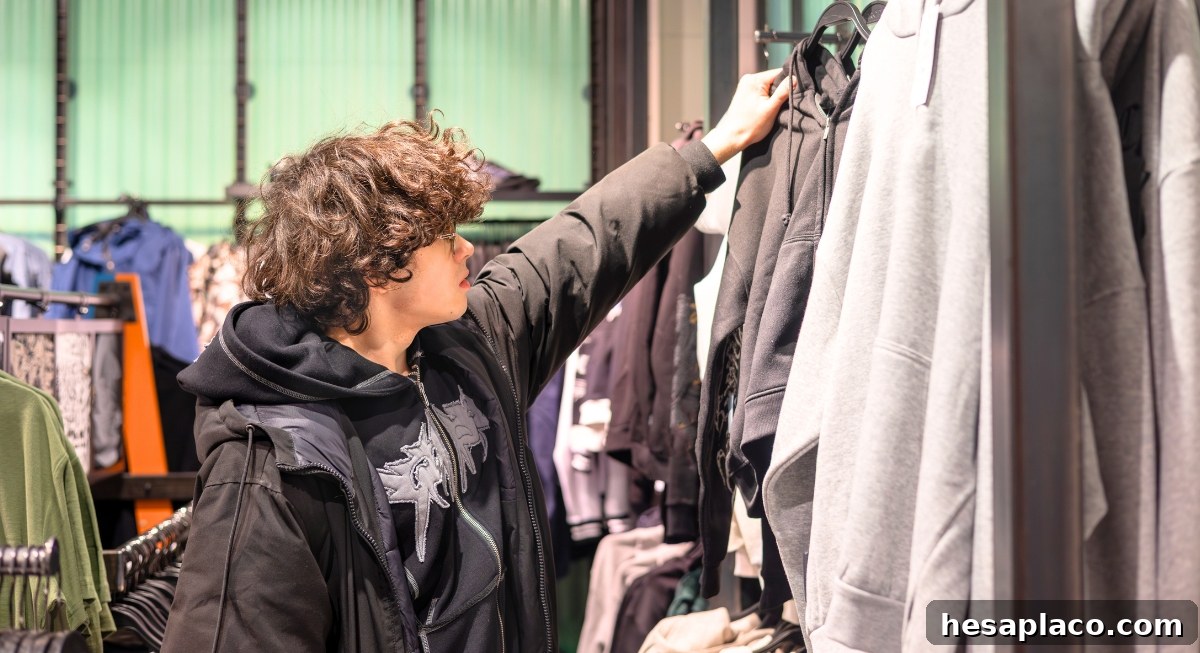
A $200 hoodie and a $20 hoodie can perform the same basic function: keep you warm, feel comfortable, and look similar in photos. The large price gap often reflects presentation, branding, and marketing more than superior materials or construction.
When you start examining details—what fabrics are used, where manufacturing shortcuts are taken, and how products are positioned—the reasons behind the price difference become clearer. Below are common ways brands justify higher prices even when the underlying product may not be substantially better.
Synthetic Fabrics Marketed as Premium
Credit: Canva
Many hoodies that feel soft rely on polyester blends rather than natural fibers like cotton or wool because synthetics are less expensive to produce. These blends can look smooth, hold color well, and feel pleasant initially, but they tend to trap heat and reduce breathability. In some cases, lower-grade cotton is used to cut costs while still marketing the garment as comfortable and luxurious.
Labels That Sound Luxurious but Say Little
Credit: Wikimedia Commons
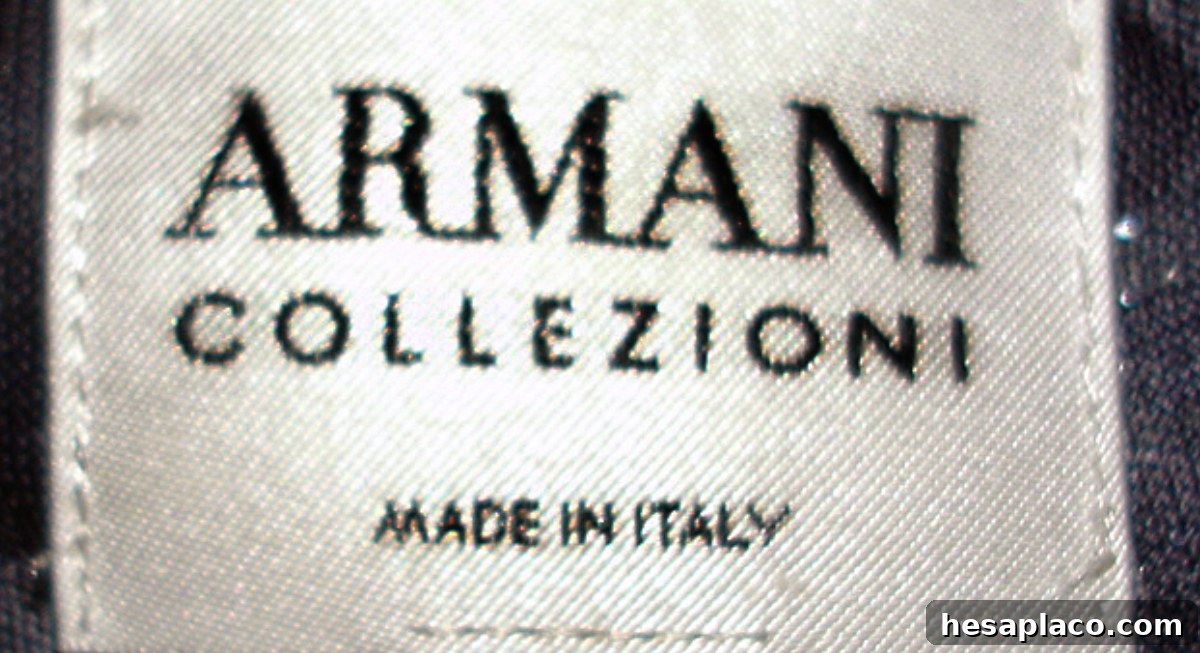
Claims like “Made in Italy” or other prestigious origins can be technically accurate while still misleading. Often only a final finishing step occurs in the named country while fabric sourcing and much of the construction happen elsewhere. This approach allows brands to use desirable labels without having most of the production reflect the implied quality.
Decorative Details That Distract From Construction
Credit: pexels
Patches, studs, layered panels, and other embellishments draw attention away from seam quality and overall construction. Busy designs make uneven stitching, mismatched seams, or loose threads less noticeable. Simpler garments tend to reveal flaws more readily, while heavily detailed pieces can hide lower craftsmanship behind visual clutter.
Leather and Material Upgrades That Aren’t Full Quality
Credit: Canva
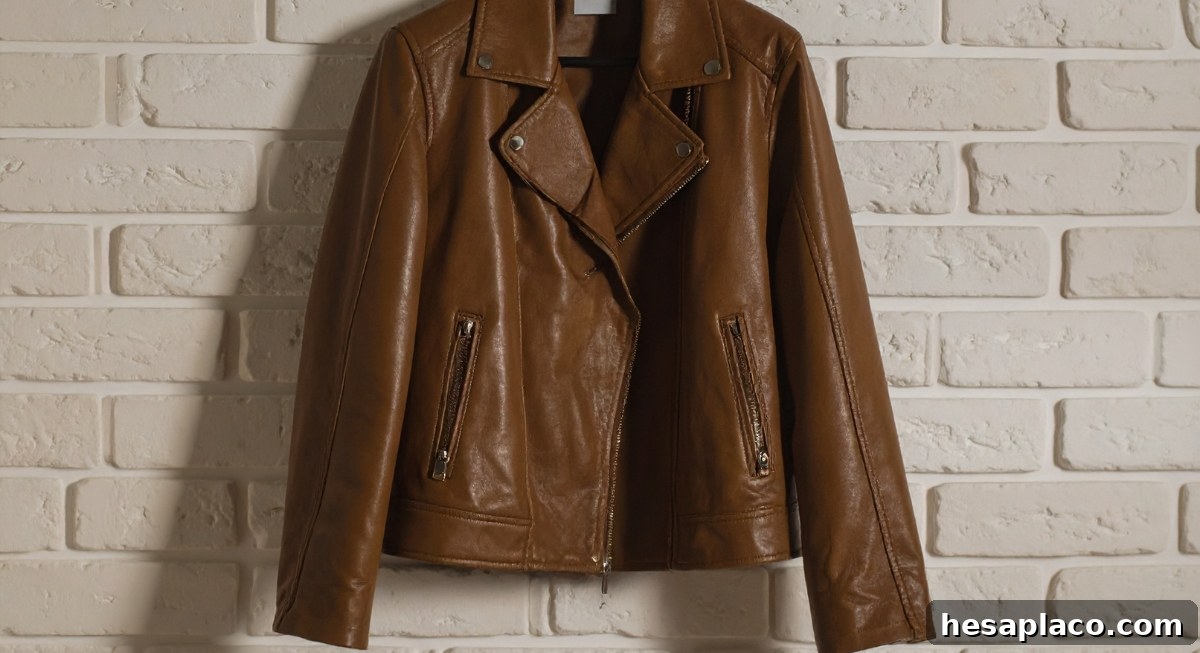
Some garments advertise leather or high-end materials but use split leather, bonded leather, or coated lower layers of hide. These options are thinner and less durable than full-grain leather. Surface coatings can create a premium look initially, yet they may crack or peel over time, revealing the inferior material beneath.
Low-Cost Materials Dressed Up as Premium
Credit: iStockphoto
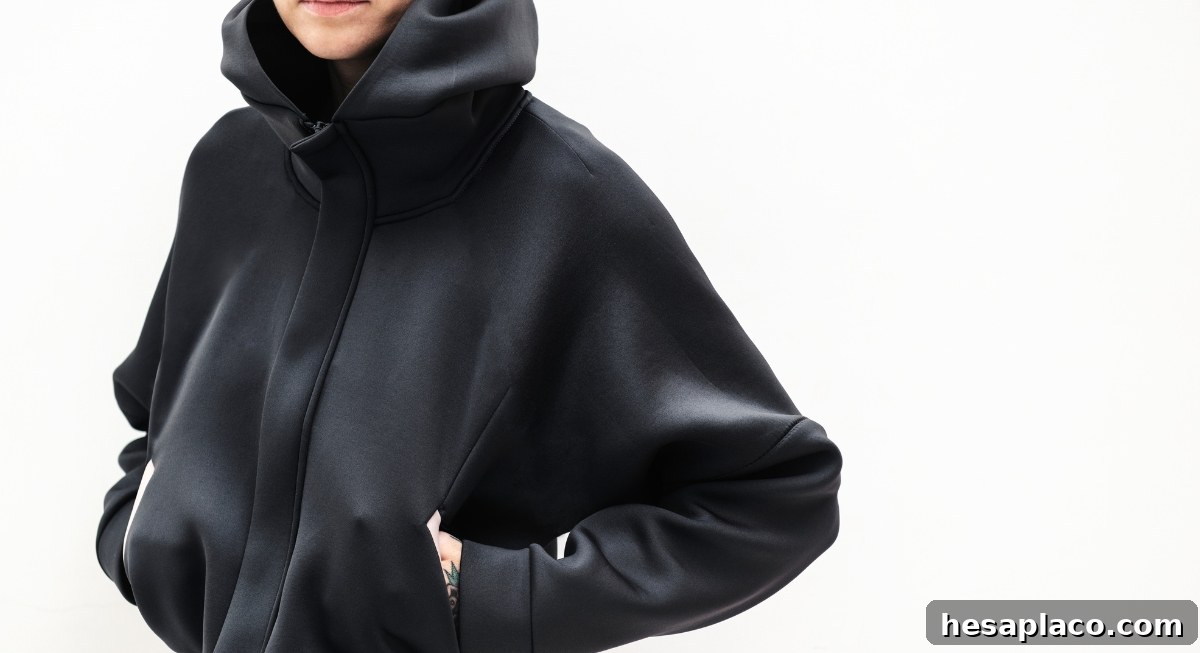
Materials like neoprene are often positioned as high-end even though they are made by bonding fabric layers to foam at relatively low cost. Neoprene can wrinkle easily and degrade with repeated washing. Its higher price in certain products often reflects marketing and perceived trendiness more than lasting performance.
Stretch Fabrics Used Instead of Proper Tailoring

Credit: pexels
Using stretch fabrics lets a single design fit a wider range of body types, which simplifies production and reduces the need for multiple tailored patterns. Tailoring takes time and skilled labor, so substituting stretch is a cost-saving move. The result may fit many people reasonably well, but the silhouette and structure are often less precise than a well-tailored piece.
Misaligned Prints Framed as Design Choices

Credit: pexels
When patterns or prints don’t line up across seams, the cause is often a production shortcut that saves cutting time and reduces fabric waste. Properly matching patterns requires careful layout and more material. Brands sometimes present mismatches as intentional style choices to avoid admitting to simpler cost-driven decisions.
Plastic or Coated Hardware Instead of Solid Metals

Credit: pixelshot
Zippers, buttons, and other hardware are frequently made from plastic or inexpensive metals with thin coatings. Those coatings can mimic gold or silver finishes initially but wear away with use. Lighter, cheaper hardware reduces production cost and can look polished at first, yet it won’t perform like solid metal components over time.
Glue Used Instead of Stitching
Credit: Canva
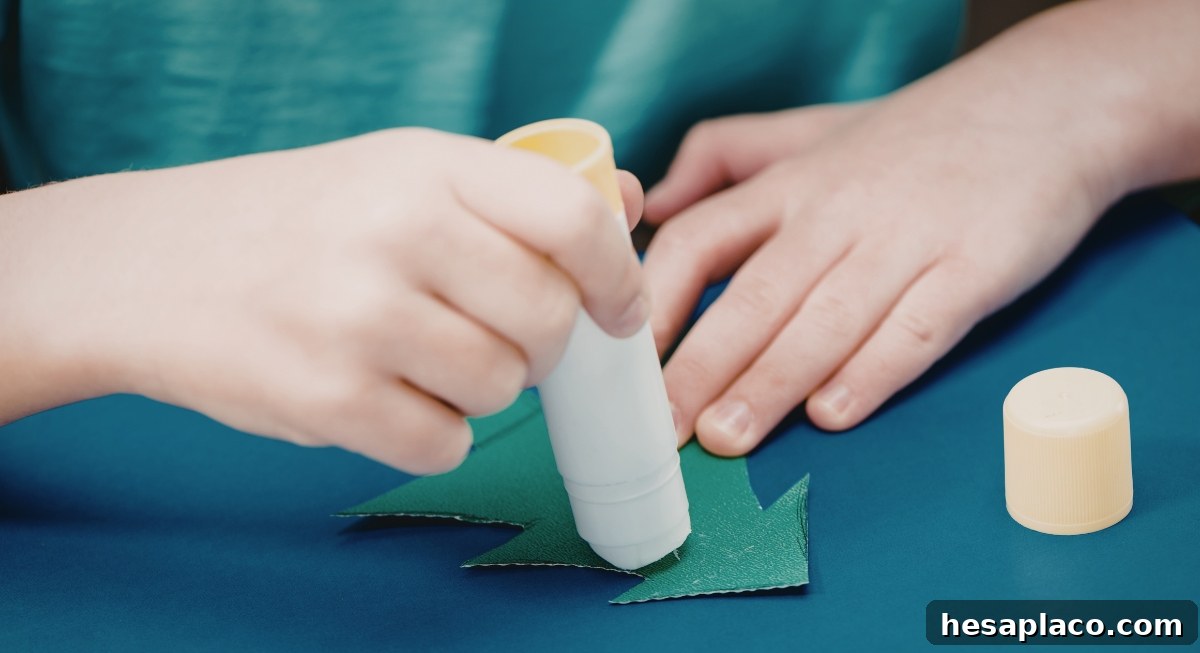
Adhesives are sometimes used to assemble parts of a garment because gluing is faster than sewing and reduces labor. While glue can hold pieces together initially, stitched seams typically offer stronger, longer-lasting bonds. Glued areas are prone to weakening, especially after repeated washing or stress.
Brand Perception Often Determines Price

Credit: Canva
Ultimately, consumers frequently pay for perception. A higher price tag can reflect brand reputation, marketing spend, and desired associations rather than clear differences in materials or workmanship. Two hoodies can look very similar and serve the same purpose, yet one costs significantly more because of the value placed on the name, imagery, and positioning surrounding it.
Being aware of these common tactics—synthetic blends, decorative distractions, misleading labels, and cost-saving assembly—helps you judge whether a pricier hoodie truly offers long-term value or whether you’re paying mostly for branding and presentation. Look for transparent material descriptions, solid construction details like reinforced stitching and durable hardware, and realistic claims about origin and materials to make a smarter purchase.