
Sometimes the most profound historical shifts don’t originate from wars or high-profile political events, but from financial choices: how money is created and used, how trade is organized, and how credit is extended. These decisions quietly reshape economies and everyday life. Initially unnoticed, their effects become evident over years and decades through changing economic structures and long-term outcomes.
Money Replaces Barter

Credit: Getty Images
Barter required precise matches: if you had chickens and needed salt, you could only trade with someone who wanted chickens and had salt to spare. That made trade limited and inefficient. The introduction of money established a common unit of value, allowing people to sell goods or services for a medium that could be used later to buy what they needed. This simple innovation expanded markets, made pricing more consistent, and facilitated specialization and long-distance exchange.
Banks Turn Storage into Finance

Credit: pexels
At first people hid coins at home or carried them as they traveled, exposing savings to theft and loss. Temples, goldsmiths, and other custodians began holding valuables and issuing receipts as proof of deposit. Banks realized most deposits remained idle and started lending those funds, charging interest in return. That transformation converted passive storage into active capital that could be used to fund trade, agriculture, and enterprise.
Fractional Lending Helps Economies

Credit: Getty Images
Over time, banks observed that depositors rarely withdrew all their funds simultaneously. This observation led to fractional reserve lending: banks kept a portion of deposits on hand and lent out the remainder. By doing so they effectively expanded the amount of money circulating in the economy, increasing liquidity. Greater access to credit enabled more businesses to start, grow, and invest in productive activities, facilitating economic expansion.
Gold Standard Stabilizes Trade

Credit: pexels
In the 19th century, volatile exchange rates made international trade risky and unpredictable. Britain’s decision to anchor its currency to gold — and the adoption of similar practices by other nations — provided a common reference that reduced uncertainty. The gold standard helped stabilize exchange rates and encouraged cross-border investment and trade by making the value of currency more predictable.
Bretton Woods Creates a Global System
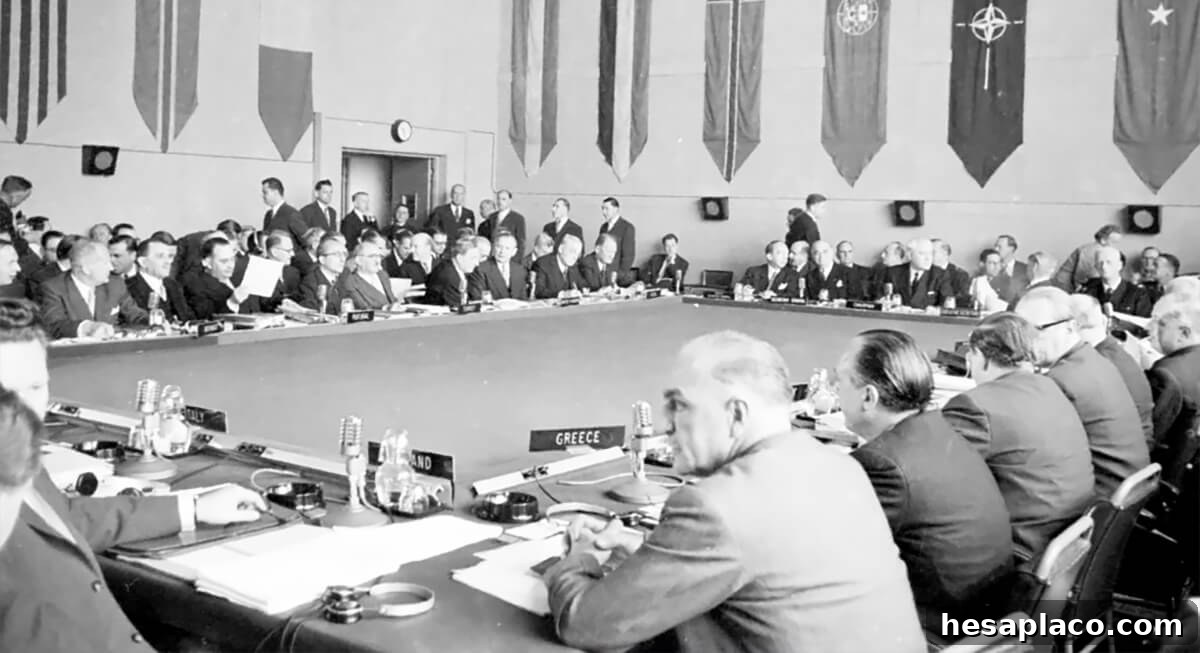
Credit: picryl
After World War II, world leaders met to design a more stable international economic order. The 1944 Bretton Woods conference established a system where currencies were pegged to the U.S. dollar, which in turn was convertible into gold. That framework, along with the creation of the International Monetary Fund and the World Bank, aimed to foster cooperation, facilitate reconstruction, and reduce the risk of destabilizing currency fluctuations.
The United States Ends Gold Convertibility

Credit: Canva
Over time, global trade and the growing volume of dollars in circulation placed pressure on the gold-backed system. There came a point when the supply of dollars exceeded the gold reserves that were supposed to support them, undermining confidence in convertibility. To address this imbalance and reduce the strain on reserves, the United States eventually ended the dollar’s direct convertibility into gold, marking a major shift in the international monetary system.
The Marshall Plan Drives Recovery
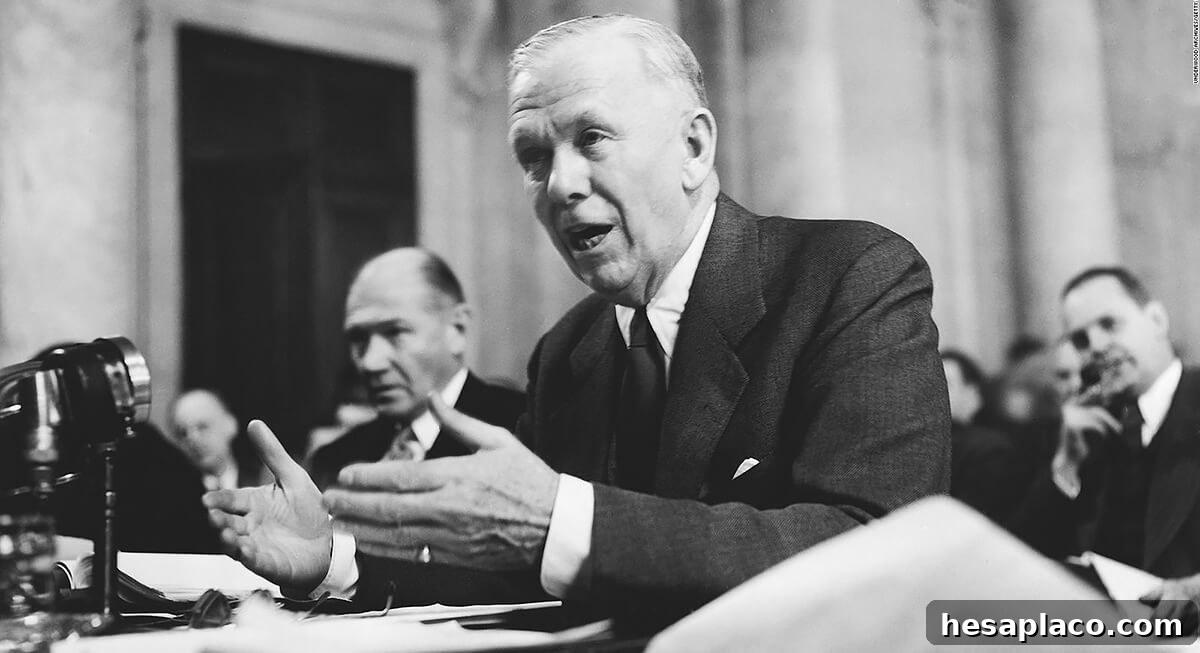
Credit: Wikimedia Commons
After the devastation of World War II, Europe’s industrial base and infrastructure were severely damaged. The United States launched the Marshall Plan to provide financial aid aimed at rebuilding factories, roads, and institutions. This assistance accelerated economic recovery, restored production capacity, and strengthened transatlantic economic ties, helping lay the groundwork for decades of growth and cooperation.
China Opens Its Economy

Credit: Getty Images
After decades of limited growth, Chinese leaders recognized that state-centered policies alone could not sustain broad-based development. Reforms to liberalize markets, invite foreign investment, and encourage private enterprise gradually opened China’s economy. Those policy shifts spurred rapid industrialization, export-led growth, and significant improvement in living standards for hundreds of millions of people.
The Internet Remains Open

Credit: pexels
Modern life depends on the internet for communication, commerce, education, and entertainment. That widespread utility stems from early design choices to keep the internet’s core protocols open and interoperable. By avoiding proprietary lock-in, developers and businesses could build on a common platform, which accelerated innovation, lowered barriers to entry, and enabled real-time global markets and coordination.
Toyota Embraces Lean Manufacturing

Credit: pexels
Following World War II, Japan had to produce more with fewer resources. Toyota rejected the mass-production techniques common in the West and developed a system centered on efficiency and waste reduction. Lean manufacturing and just-in-time inventory management lowered costs, improved quality, and became a model that changed manufacturing practices around the world.