Restaurants often generate their largest profits not from food but from their wine lists. What appears to be a simple collection of inexpensive, mid-range, and celebratory bottles is usually carefully curated. Pricing, placement, and the selection of regions are arranged to steer guests toward choices that raise the final bill—often without diners noticing.
Entry-Level Bottles With the Highest Markups
Credit: pexels
The least expensive wines on a restaurant list often carry the largest percentage markups. While premium bottles may be marked up less than double their wholesale cost, entry-level labels can be priced three or four times their retail value. For instance, a bottle sold for $12 at a shop might appear as $45 on a restaurant list. Diners selecting budget options typically don’t check retail prices at the table, so these higher relative margins go unnoticed. Conversely, very expensive wines—say a $300 bottle—may have only a 70–100 percent markup because sharply inflating those prices would discourage any purchases. In practice, the lower-priced selections frequently provide the best margins for the business.
The Second-Cheapest Bottle Trap
Credit: Getty Images
Many diners avoid the very cheapest bottle because it can feel awkward or signal frugality, so they pick the second-cheapest option instead. Restaurants know this behavioral pattern and often place a highly profitable wine in that spot. That bottle can carry a large markup while appearing to be the more reasonable or “smarter” choice for guests. Sometimes the wholesaler cost for that second-cheapest bottle is lower than for surrounding selections, making it an especially lucrative placement for the venue.
Luxury Bottles That Reset Your Sense of Price
Credit: Canva
A few extremely expensive bottles are often included on wine lists not because they sell frequently, but because they anchor diners’ perceptions of price. A $600 Napa or a $900 Bordeaux makes a $120 bottle look modest by comparison. These high-ticket items are deliberate psychological tools: their presence shifts the perceived “normal” price upward and makes other marked-up bottles appear more acceptable. Menu designers use these anchors to influence choices without forcing diners to buy the most costly wines.
Menu Placement That Guides Your Eye
Credit: Canva
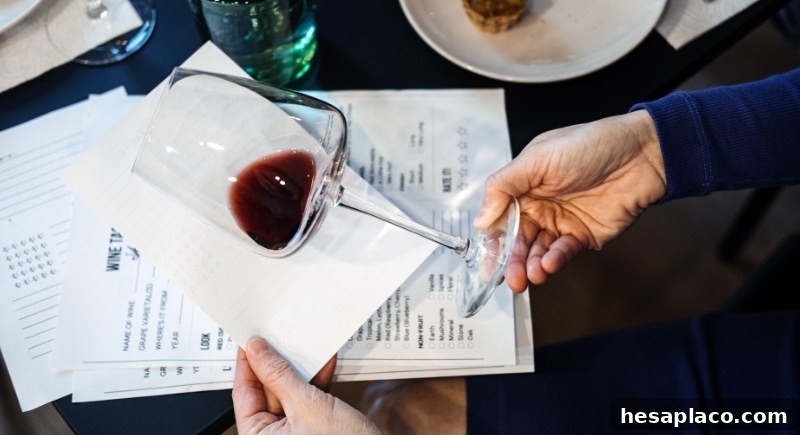
Wine lists are crafted using the same visual psychology applied to food menus. Certain positions—such as the center of a page, the top of a section, or items highlighted with a box—attract more attention. Hospitality consultants call these areas “menu sweet spots.” Wines placed there typically generate higher margins because greater visibility leads to more orders. Strategic placement helps restaurants steer customers toward profitable choices while making the selection process feel natural.
Prices That Hide the Cost of Spending
Credit: pexels
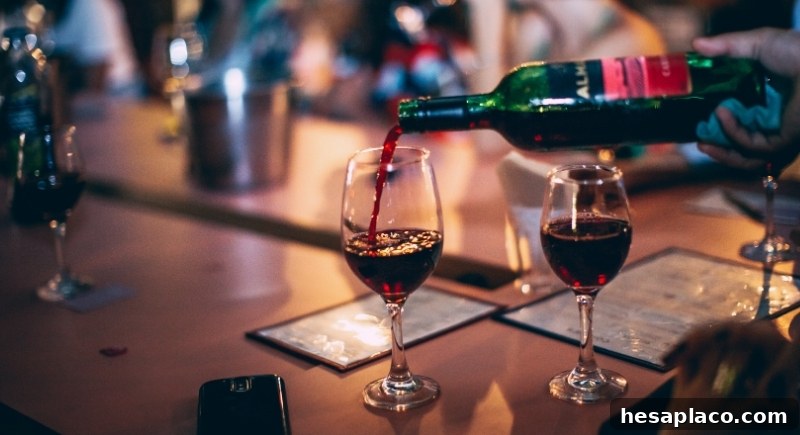
Small formatting choices can subtly influence how diners perceive price. One common tactic is omitting the dollar sign and listing prices simply as “48” instead of “$48.” Research on consumer behavior indicates that removing currency symbols makes numbers feel less like spending and more like part of the menu’s text, which can nudge guests to spend more than they intended. These subtle cues matter because they reduce the psychological barrier to ordering higher-priced items.
Famous Wine Regions With Premium Markups
Credit: pexels
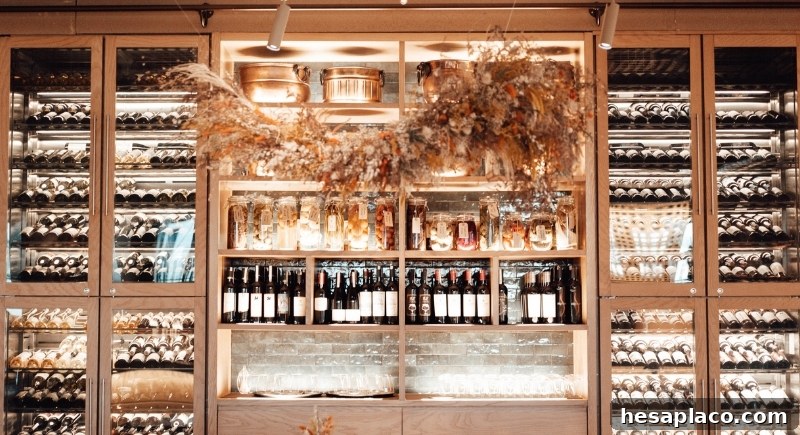
Recognizable wine regions such as Bordeaux, Napa Valley, and Tuscany often command higher prices on restaurant lists. Diners scanning for familiar names want to avoid a disappointing bottle, and restaurants take advantage of that preference by applying premium pricing to well-known regions. At the same time, wines from lesser-known neighboring areas—sometimes made with similar grapes or techniques—can be offered at lower prices despite comparable quality, presenting value opportunities for informed guests.
The By-the-Glass Pricing Illusion
Credit: Getty Images
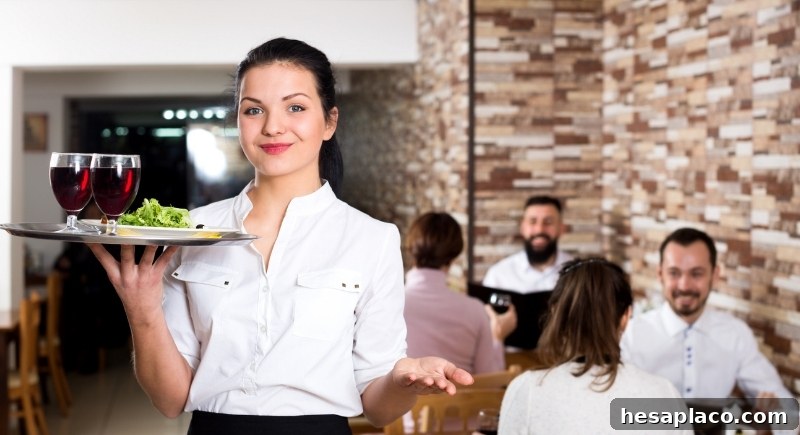
Ordering wine by the glass can appear economical and flexible, especially for smaller parties or varying tastes, but it often costs more overall. A standard bottle yields about five glasses, yet a restaurant may price a single glass at roughly a quarter to a third of the bottle’s list price. That means ordering several individual glasses can add up to more than buying the whole bottle. For example, a $60 bottle priced at $16 per glass would cost about $80 if you purchased five glasses separately—far more than buying the bottle outright.
Understanding these tactics—markup patterns, placement strategies, price formatting, and region-based premiums—can help diners make more informed choices at restaurants. Scanning the wine list for relative value, considering bottles from lesser-known but high-quality regions, or asking staff for recommendations and wholesale comparisons can lead to better value without sacrificing the dining experience.