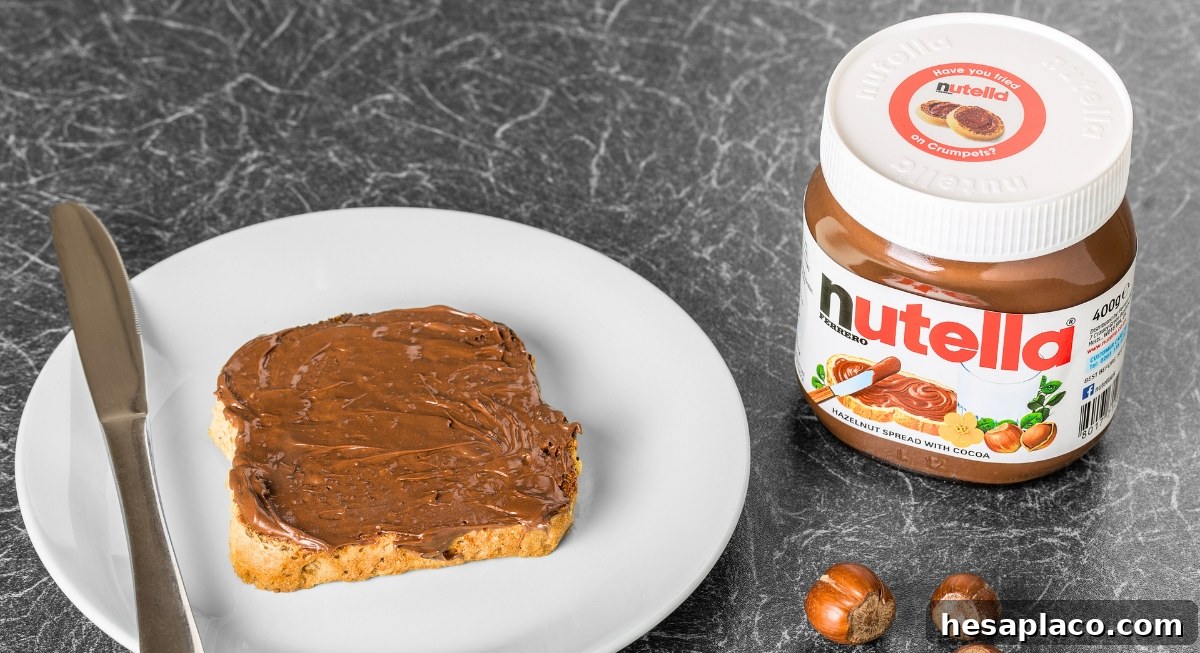
A jar of chocolate-hazelnut spread created a multibillion-dollar fortune, yet the man who built it rarely spoke to the press. In the small town of Alba, Italy, his family’s pastry shop struggled to survive until tragedy forced a young heir to take the wheel. In 1949, 24-year-old Michele Ferrero assumed leadership after his father, Pietro Ferrero, died at 51.
Born in 1925, Michele Ferrero transformed that modest local business into a confectionery empire that eventually reached more than 50 countries. Through careful product development, disciplined management, and tight control of the company’s operations, he turned simple chocolate and hazelnuts into a global brand portfolio.
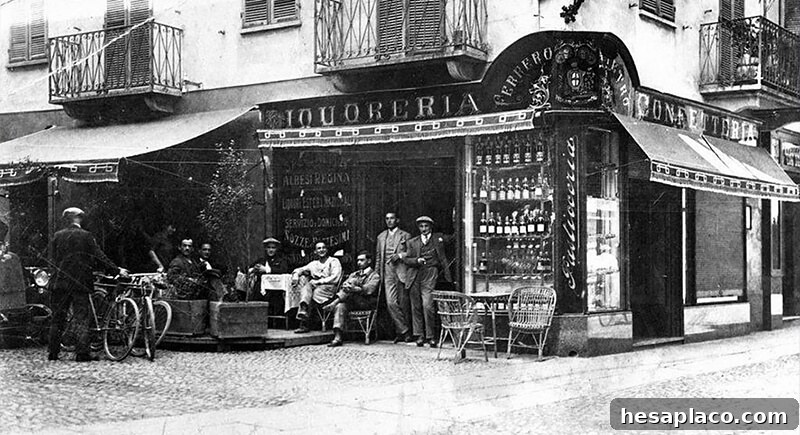
A Young Heir Takes Charge
Credit: Wikimedia Commons
Responsibility came early. At 24, Michele inherited a business facing uncertainty after his father’s death. Rather than scatter resources, he streamlined operations and concentrated on improving the company’s core products. That commitment to quality and consistency would guide the business strategy for decades and provide the foundation for international expansion.
The Spread That Conquered Breakfast
Credit: pinterest
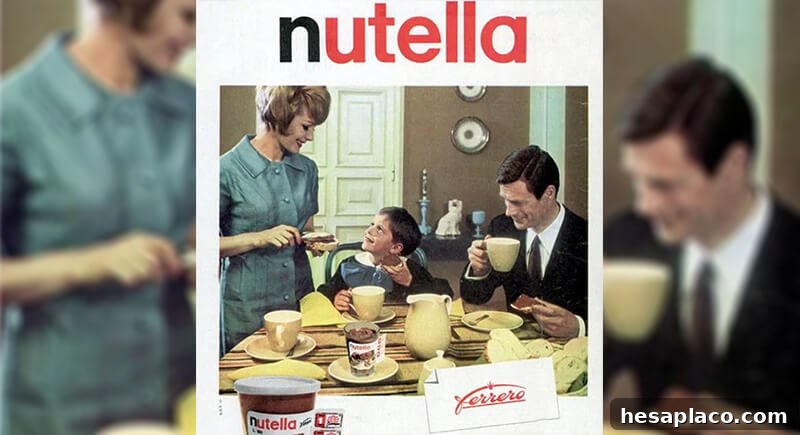
In 1964, Michele refined a family recipe called Supercrema and introduced Nutella. The hazelnut-cocoa spread quickly expanded beyond Italy and became a pantry staple in many countries. Nutella’s enduring popularity provided steady revenue and brand recognition that enabled further product innovation and global growth.
Chocolate With A Hidden Toy
Credit: Wikimedia Commons
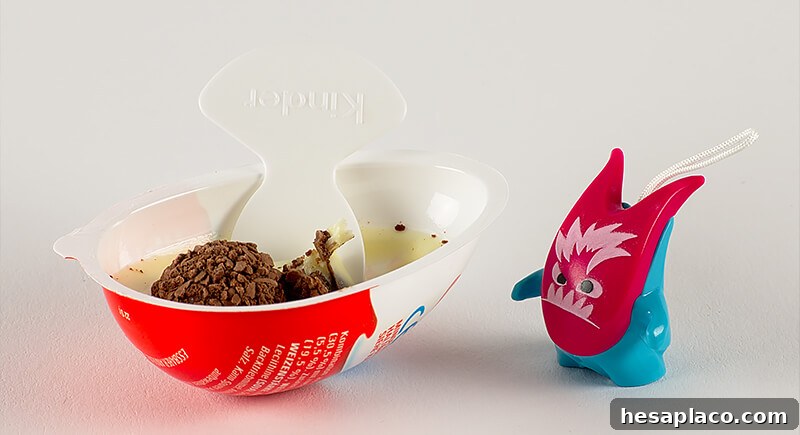
Kinder Chocolate launched in 1968, designed to appeal to children with a creamier taste. In 1974, the company introduced Kinder Surprise—chocolate eggs containing a small toy inside. That playful idea expanded Ferrero’s reach into the toy space and helped build emotional connections with younger consumers while remaining squarely in the confectionery sector.
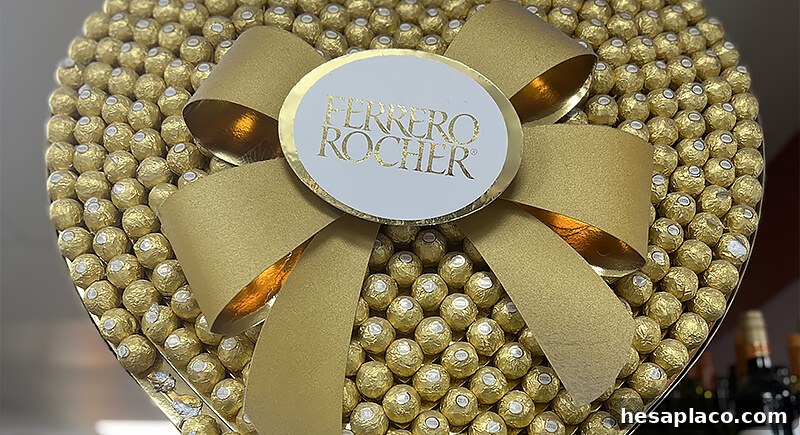
Gold Wrapped Global Gift Icon
Credit: Wikimedia Commons
Ferrero Rocher arrived with a polished presentation—gold foil and clear boxes—that positioned the chocolates as suitable for special occasions rather than everyday impulse purchases. The upscale look supported premium pricing and made the product a popular choice for gifts and holiday celebrations around the world.
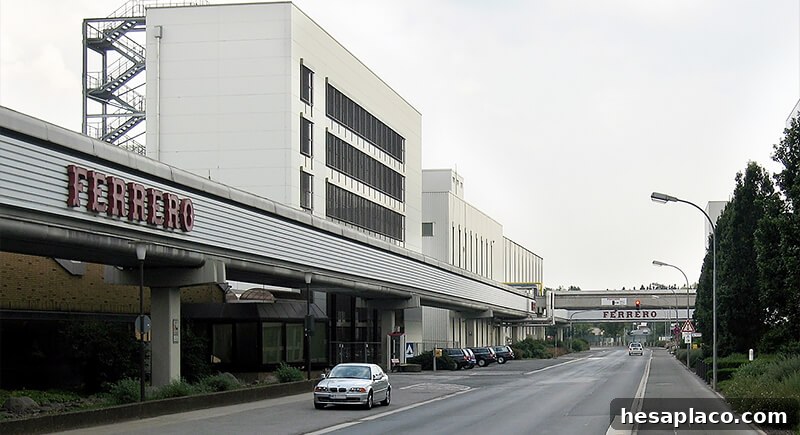
Factories Built Like Fortresses
Credit: Wikimedia Commons
Michele preferred to keep the focus on products rather than personality. He believed media exposure could distract from improvement and innovation, so manufacturing sites operated under strict security and limited press access. Interviews were rare; he famously avoided them, saying one would lead to another. Recipes and production methods were guarded as closely held trade secrets.
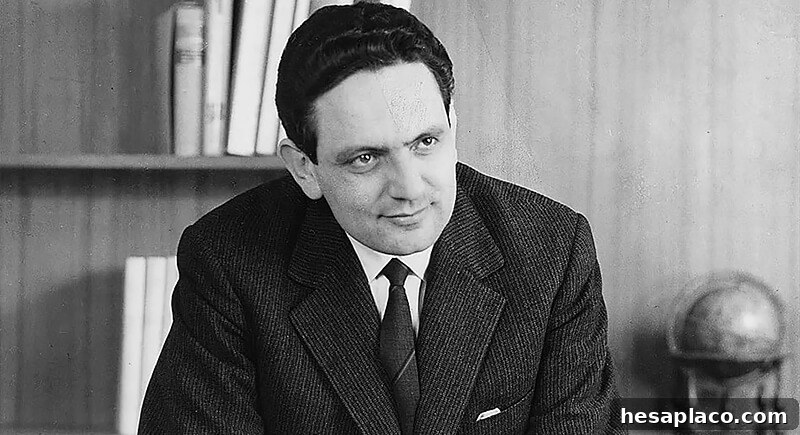
A Billionaire Who Avoided the Spotlight
Credit: El Español
Although he became one of Italy’s wealthiest people, Michele stayed out of politics and high-profile social scenes. He avoided ostentatious displays of wealth—no publicized yachts or celebrity endorsements—and kept his private life largely private. That deliberate anonymity kept attention on the brand and its products instead of on its founder.
Loyalty Built Through Real Benefits

Credit: Instagram
The company cultivated employee loyalty through tangible benefits: wages above industry norms, free transportation to factories, and organized summer camps for workers’ children. Families often found multi-generational employment within the company, creating stability and a deep reservoir of institutional knowledge that supported consistent product quality and operational continuity.
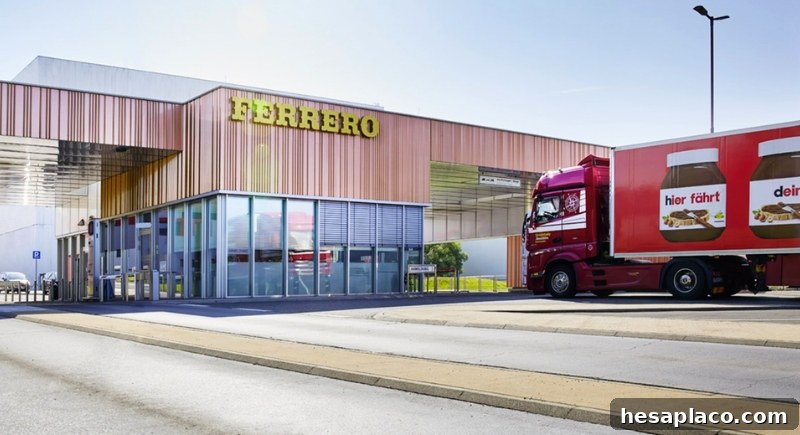
Private Company With Global Scale
Credit: Facebook
The Ferrero Group stayed under family ownership throughout Michele’s leadership, avoiding public markets and outside shareholders. During his tenure, the company reported annual revenues of roughly $8.7 billion and expanded into more than 50 countries, transforming a local Italian enterprise into a global confectionery leader.
Fortune Measured In Billions
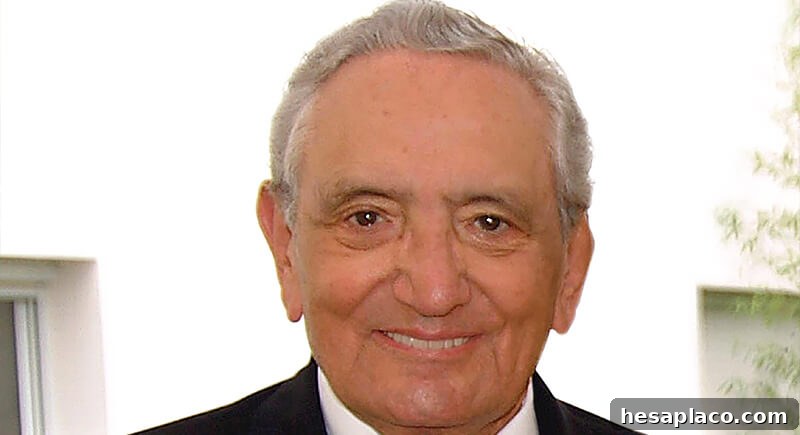
Credit: Wikipedia
When Michele Ferrero died on February 14, 2015, in Monte Carlo, he left an estimated fortune of about $25 billion, most of it tied to the Ferrero Group. He was 89. For years he had been listed among Italy’s richest people, and his wealth stemmed from a tightly held family business built on chocolate, hazelnuts, and a portfolio of trusted brands.
Quiet Legacy Still Selling Worldwide
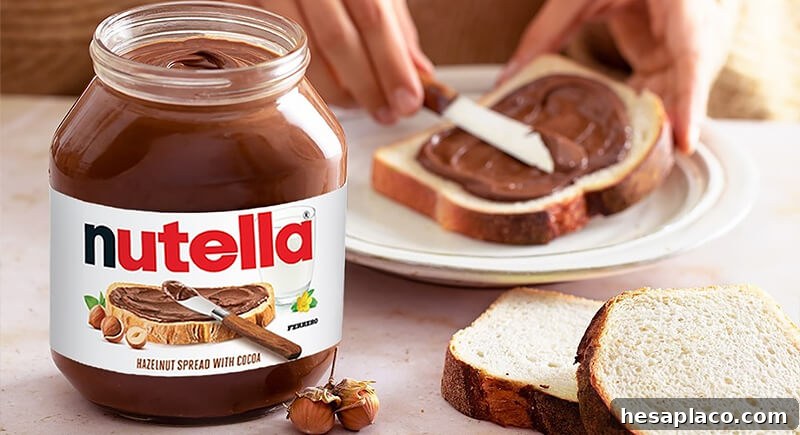
Credit: Instagram
After his death, leadership passed to his son Giovanni Ferrero, and the company continued to operate without major disruption. The business maintained its position among the world’s largest chocolate confectionery manufacturers, and its core brands continued to sell globally—an enduring legacy rooted in product focus, family control, and careful brand stewardship.