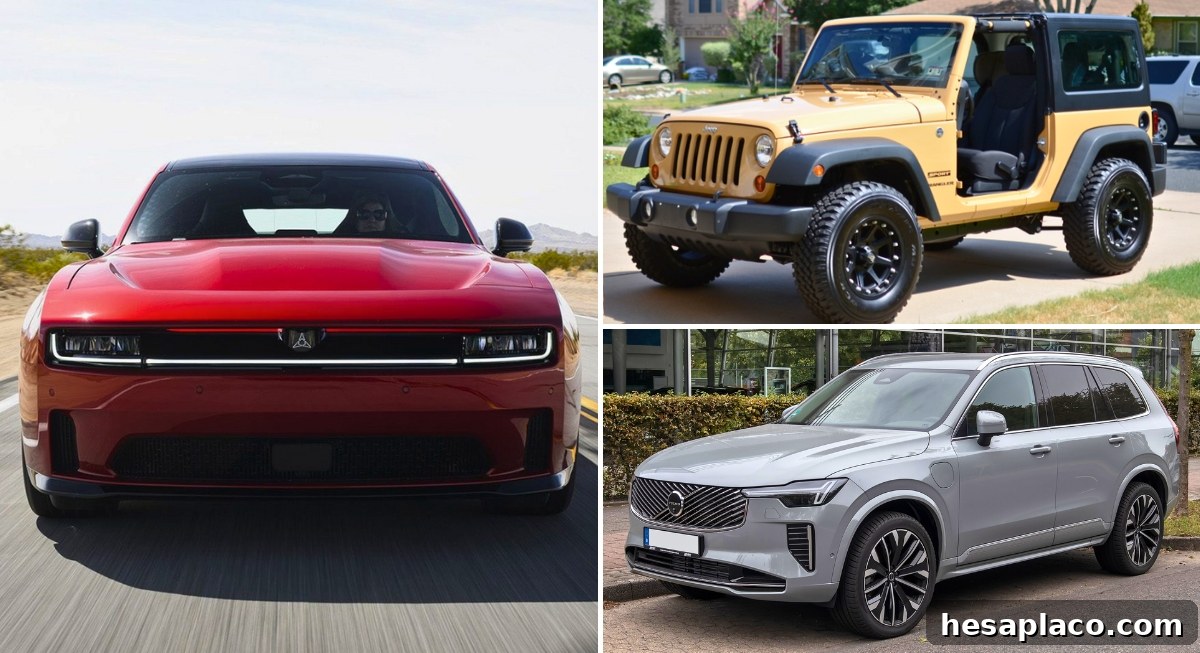
Modern cars are designed to feel familiar and predictable, so the ones that don’t stand out quickly. You encounter these unusual cars, trucks, and SUVs in parking lots and traffic every day. At first glance they may look ordinary, but small, deliberate design choices change how they drive, sound, and respond. Owners notice those quirks early, question them, and then adapt as the vehicle’s character becomes part of the driving experience.
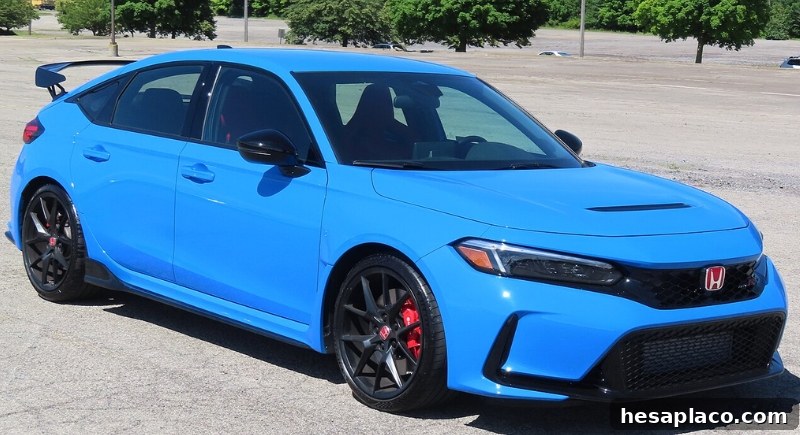
Honda Civic Type R
Credit: Wikimedia Commons
The massive rear wing grabs attention immediately, but the real engineering is under the skin. Honda engineered a front-wheel-drive hot hatch with 315 horsepower and kept it composed. A dual-axis strut front suspension fundamentally changes how torque is delivered to the front wheels, reducing torque steer and improving traction under load. Multiple cooling systems and purposeful aerodynamic elements add high-speed stability. What might feel chaotic in other high-power front-wheel-drive cars instead feels controlled and predictable, even when the Civic Type R is pushed hard on real roads.
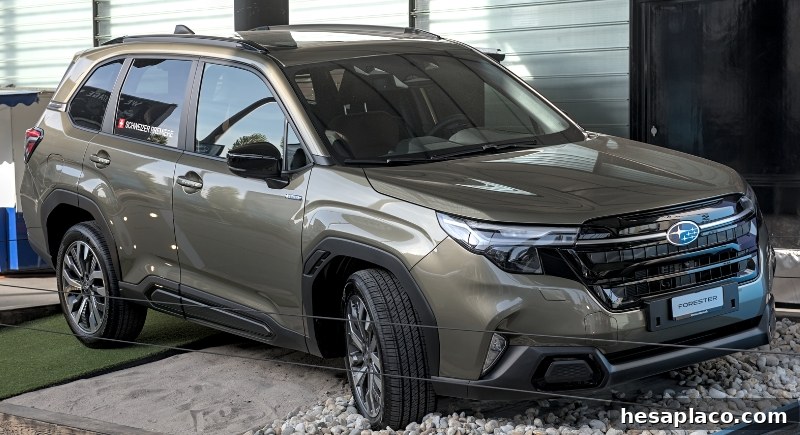
Subaru’s Boxer Everything
Credit: Wikimedia Commons
Most automakers abandoned horizontally opposed engines because of higher manufacturing costs and more complicated servicing. Subaru doubled down and made the flat “boxer” engine its defining trait. The low center of gravity created by that layout improves balance and handling, giving Subaru vehicles a distinctive, planted feel. However, routine maintenance can be more involved: oil changes are less straightforward, spark plug access often requires extra work, and earlier generations were prone to head gasket issues tied to stresses on sealing surfaces inherent to the design.
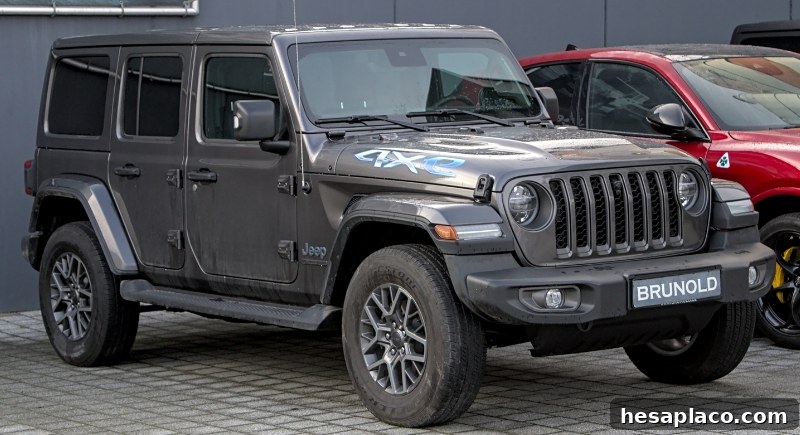
Jeep Wrangler
Credit: Wikimedia Commons
Removable doors and an open top are expected Wrangler traits, but the mechanical choices tell a deeper story. Jeep continues to build the Wrangler on a full ladder-frame chassis with solid front and rear axles, while most modern SUVs have shifted to unibody construction with independent suspension. Behind the wheel it can feel like driving a rugged truck from decades ago: the two-speed transfer case and low-range gearing give it genuine off-road capability but also a truck-like on-road demeanor.
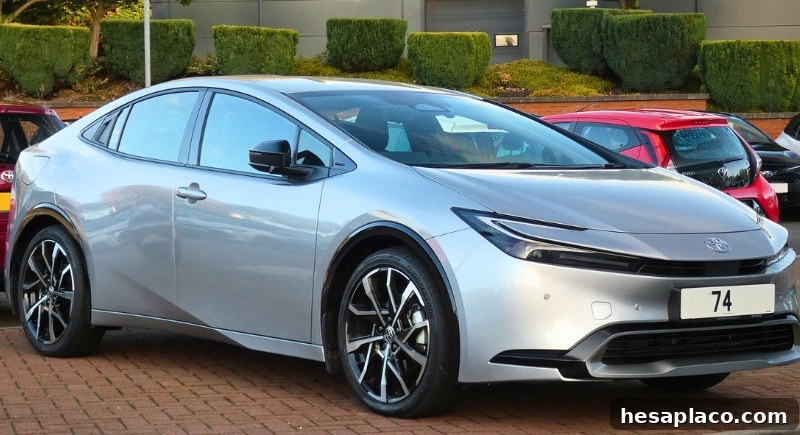
Toyota Prius (Pre-2023)
Credit: Wikimedia Commons
Toyota embraced a futuristic interior layout and stuck with it for years. Earlier Prius models placed a digital speedometer in the center of the dash rather than directly in front of the driver, which pulls the eye sideways and takes some getting used to. The hybrid battery pack sat beneath the rear seats, reducing rear-seat legroom compared with the vehicle’s exterior dimensions. Some versions separated the rear window with a thick horizontal divider, a styling and aerodynamic choice that also reduced rear visibility for some drivers.
Honda Odyssey

Credit: Wikimedia Commons
The Odyssey prioritizes family-friendly practicality, but some of its features can surprise owners initially. During light-load driving the engine may deactivate a bank of cylinders to improve fuel economy, causing a noticeable change in exhaust tone. Active noise cancellation uses cabin microphones to analyze noise and then sends counteracting signals through the speakers, which can feel strange to occupants who notice a sudden change in cabin sound. The sliding doors are intentionally light and stop with little resistance; while convenient for children, that makes them vulnerable to being blocked by compacted snow or debris until drivers learn how they operate.
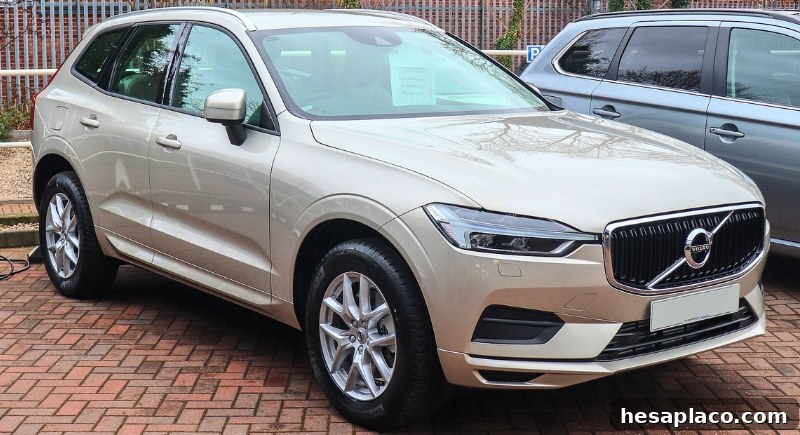
Volvo T8 Plug-In Hybrid
Credit: Wikimedia Commons
When designers weigh how to add power, many pick one path and refine it. Volvo chose to combine several approaches in the T8 drivetrain. It starts with a turbocharged four-cylinder and adds a supercharger on the same engine for improved low-end response, pairs that with a crankshaft-mounted starter-generator, and completes the setup with a rear-mounted electric motor for plug-in hybrid all-wheel drive. The result is a complex system that delivers strong performance and flexible drive modes but can be more involved to understand and service than simpler architectures.
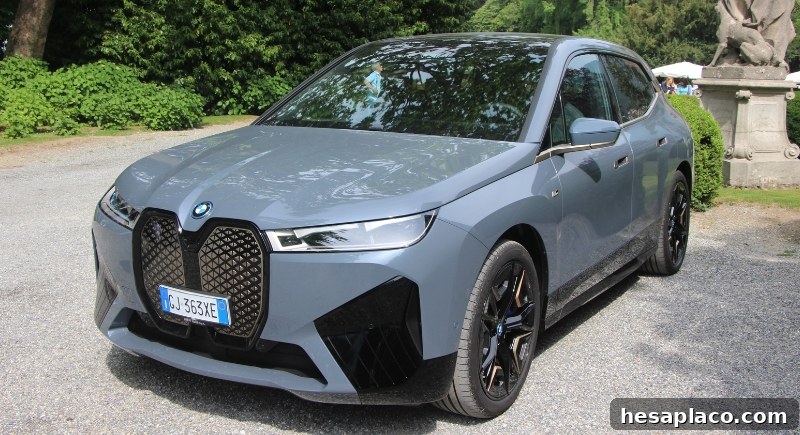
BMW iX
Credit: Wikimedia Commons
The oversized kidney grilles on the iX stirred debate, but some baffling choices live deeper inside. BMW placed auxiliary tail lights inside the rear hatch so the vehicle retains legally required rear lighting when the hatch is open; while functional, those lights consume cargo area space that other manufacturers keep clear. Some interior surfaces use plastics that feel less premium than expected for a flagship priced at the top of BMW’s range. Additionally, certain controls and trim elements can catch sunlight in a way that distracts the driver, an odd oversight in an otherwise tech-forward cabin.
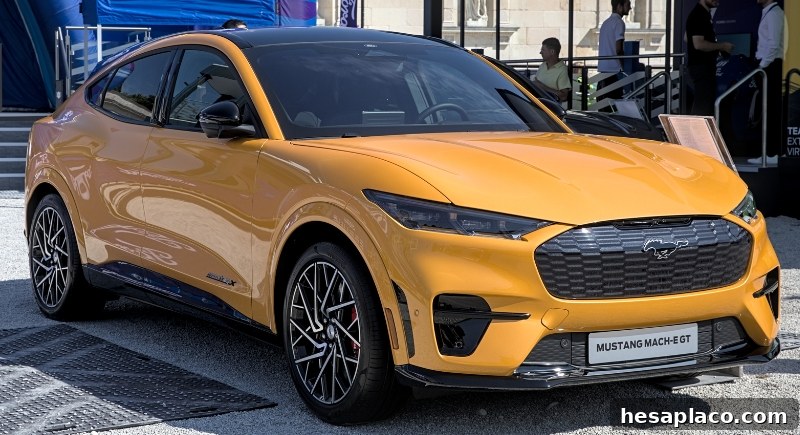
Ford Mustang Mach-E GT
Credit: Wikimedia Commons
Applying the Mustang name to an electric crossover created an unusual identity clash. The Mach-E GT Performance Edition uses asymmetric power distribution: the rear motor produces significantly more torque than the front motor even though the vehicle is all-wheel drive and relatively heavy. It accelerates briskly—0-60 mph in roughly 3.5 seconds—with sport-tuned suspension, leaving drivers debating whether it behaves more like a performance coupe or a heavier crossover. That split personality is part of its appeal and its confusion.
Chevrolet Trailblazer (Current Generation)
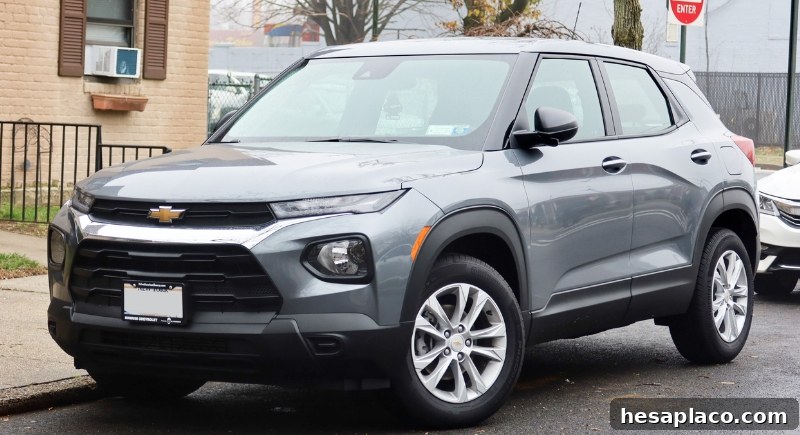
Credit: Wikimedia Commons
The modern Trailblazer borrows design cues from successful compact crossovers but misses in a few areas. Its tall, narrow proportions can make it feel less stable in strong crosswinds than wider rivals, and interior surfaces rely heavily on lower-cost plastics that reduce perceived quality. Steering feel can be numb and the continuously variable transmission produces a droning noise under load that some drivers find unpleasant. Despite these shortcomings, the Trailblazer sells well because it offers attractive pricing, usable infotainment, and competitive fuel economy.
2024 Dodge Charger Daytona EV
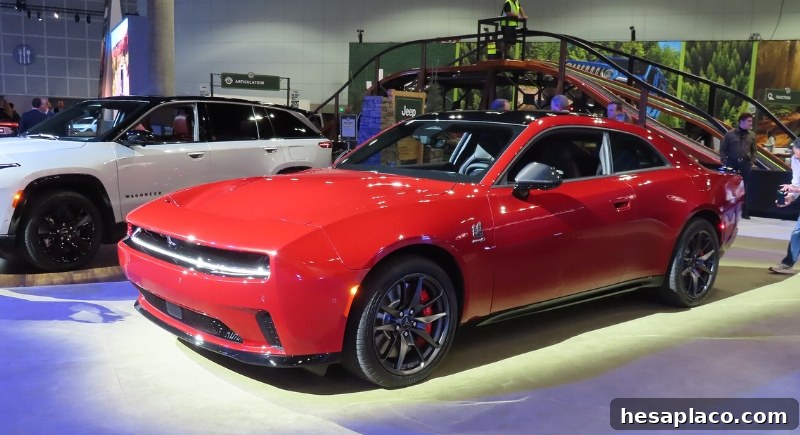
Credit: Wikimedia Commons
The Charger Daytona EV shares its body shell with the four-door sedan sibling, which results in some unusual proportions. The doors are long and require extra clearance in tight parking spaces, and the rear quarter panels extend visually in a way that can make the rear wheels appear mismatched to the body. Dodge also fashioned this model as a liftback-style coupe, a rare configuration today that blends sportback practicality with coupe styling—an unconventional package that not everyone requested, but which offers distinct cargo versatility.