
Flying private often evokes images of luxury and high cost, but today there are practical ways to experience private air travel without paying full-price luxury fares. Innovations such as empty-leg deals, shared charters, jet cards, membership programs, and semi-private carriers have expanded affordable options. This guide outlines the most accessible strategies to fly private while keeping costs reasonable.
Empty-Leg Flights: Catch a Jet Returning Empty
Credit: flickr
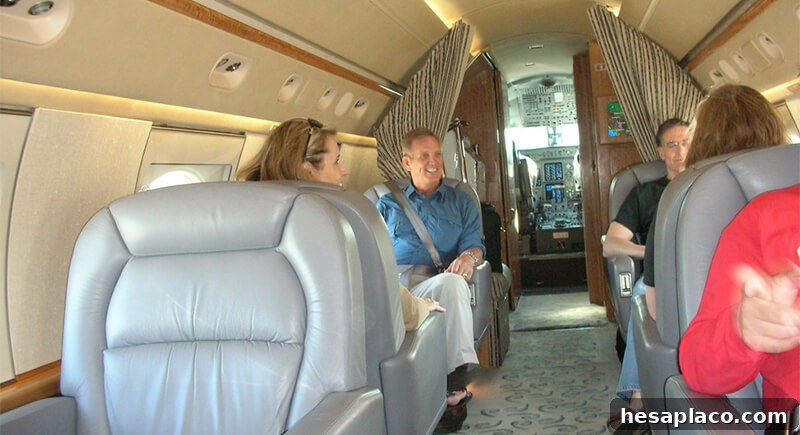
Private jets frequently fly empty after dropping passengers off. Operators sell these “empty-leg” flights at steep discounts—sometimes more than 70% off the normal charter price. These seats and flights show up on apps and marketplaces daily, but they require flexibility on timing and destination. For travelers who can adapt plans, empty legs can save thousands and deliver an authentic private-jet experience for a fraction of the typical cost.
Membership Programs: Best for Frequent Flyers

Credit: flickr
Some companies sell private flight access through membership models that resemble subscription services: members pay recurring fees and gain access to lower hourly rates, priority booking, and other perks. These programs can reduce per-flight costs for people who fly frequently on consistent routes. Memberships make sense when you want predictability and perks without full ownership responsibilities.
Jet Cards: Predictable Pricing and Convenience

Credit: Linkedin
Jet cards offer a simple structure: you purchase a block of flight hours at a fixed hourly rate. Providers typically include guaranteed availability windows and predictable billing with fewer surprise fees than ad hoc charters. For business travelers who value budgeting certainty and dependable service, jet cards deliver a practical balance between convenience and cost control.
Fractional Ownership: Own Part of a Jet

Credit: Facebook
Fractional ownership lets you buy a share of an aircraft, similar to a timeshare. Owners split acquisition and operating costs while enjoying guaranteed flight hours and consistent service. This model reduces the financial burden of full ownership while providing the reliability and availability frequent travelers want. It’s effective if you fly regularly and desire a familiar aircraft and crew.
Semi-Private Airlines: Private-Terminal Perks at Lower Prices
Credit: flickr
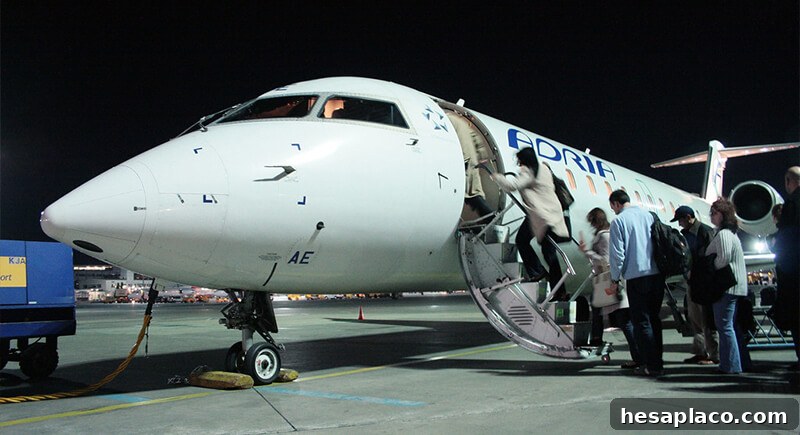
Semi-private carriers operate scheduled routes from private terminals, allowing passengers to bypass long security lines and enjoy faster boarding. These services are typically priced between commercial business class and full private charters. While you may not choose the specific aircraft, the experience—quiet terminals, efficient boarding, and higher-end service—feels close to private aviation without the same price tag.
On-Demand Charters: Book a Single Flight When You Need It

Credit: Instagram
If your private-flight needs are occasional, on-demand charters let you book flights as required without long-term commitments. You specify timing, destination, and aircraft type, and brokers match you with operators that fit your route and budget. This approach avoids subscription or ownership costs while delivering the flexibility and convenience of private travel for a single trip.
Private Jet Apps: Fast, Transparent Booking

Credit: iStockphoto
Apps and online marketplaces simplify private-jet booking by allowing you to compare aircraft, routes, and prices instantly. Many platforms also alert users to last-minute deals, open seats on shared charters, and empty-leg opportunities. Using technology cuts paperwork, shortens the search process, and often reveals cost-saving options that traditional channels might miss.
Use Credit Card Rewards to Offset Costs

Credit: iStockphoto
Many premium credit cards offer travel credits, points, or partner benefits that can be applied toward private charters or membership fees. If you already hold a card with strong travel rewards, check whether you can redeem points or access partner discounts to reduce the net cost of a private flight.
Fly Off-Peak to Lower the Fare
Credit: flickr
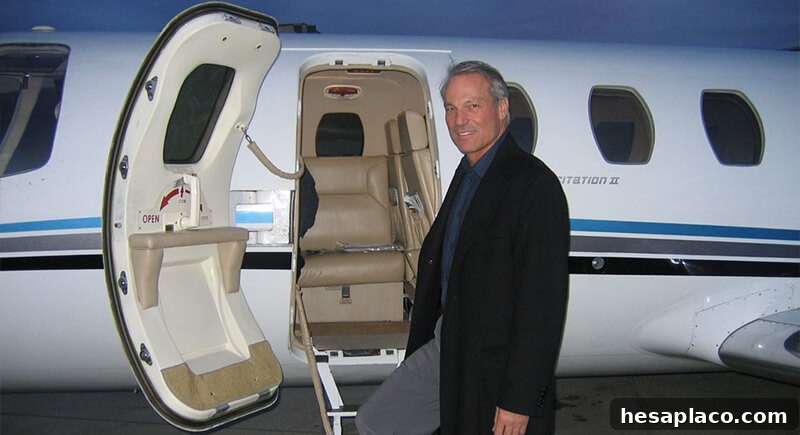
Operators prefer filled flights, so traveling during less popular times—midweek, midday, or off-season—can unlock better pricing. Avoiding peak travel periods like weekends and holidays increases your chances of finding discounted slots or last-minute deals. Brokers and apps can often suggest off-peak alternatives to lower the fare.
Split the Cost by Flying with a Group

Credit: Instagram
Chartering a single jet and sharing the total cost among several passengers can make private travel very affordable on a per-person basis. For example, dividing a charter cost among a group of colleagues or friends reduces individual expense while preserving the flexibility and privacy of a private flight. Group charters are especially economical for short- to medium-haul trips.
Regional Airlines Can Offer a Private-Like Experience
Credit: Reddit
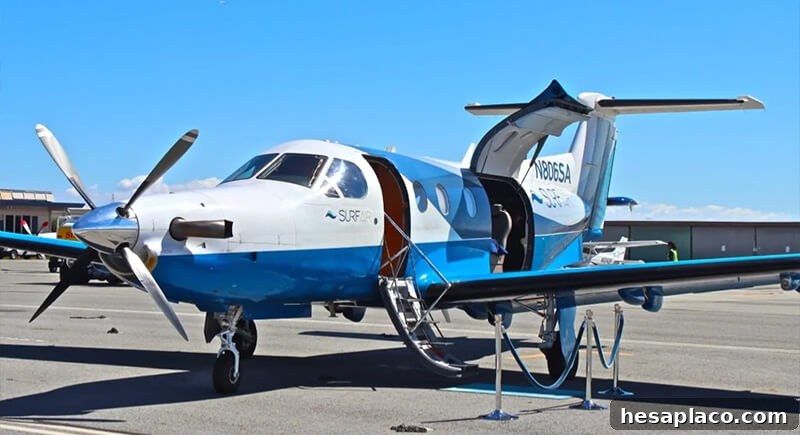
Smaller carriers that operate short-haul routes from private terminals can offer many of the benefits of private flying—shorter lines, faster boarding, and a quieter travel environment—at fares closer to business class. These carriers suit travelers looking for efficiency and comfort without full private-charter pricing.
Land at Smaller Airports to Cut Fees and Time

Credit: Facebook
Large airports often carry higher landing and handling fees, plus longer transit times. Choosing a nearby regional airport can reduce operating costs and accelerate boarding and departure. Brokers frequently recommend alternate airports to shave dollars off a quote and speed up the overall trip.
Work with Knowledgeable Brokers to Find Hidden Deals

Credit: iStockphoto
Trusted brokers have industry relationships and market knowledge that reveal options not readily visible online. They can alert you to discounted legs, shared flights with available seats, or creative routing that reduces costs. Building a good relationship with a broker is a reliable way to access value and avoid overpaying.
Shared Seats Bring Prices Closer to Commercial Fares

Credit: Instagram
Platforms that sell individual seats on private or semi-private flights let travelers pay only for a seat rather than the entire plane. On high-demand routes, shared seats can approach or even match premium commercial fares while delivering shorter lines and a higher-end experience. Flexibility around timing and route often increases the likelihood of finding these deals.
Subscription-Based Elite Travel: Club-Style Access

Credit: Facebook
Certain startups offer subscription plans that operate like a travel club: members pay a monthly fee to access scheduled private and semi-private routes at set rates. This model benefits frequent travelers who consistently fly the same corridors, providing both convenience and predictable pricing without the overhead of ownership or full-time membership in a jet card program.
In short, private air travel no longer has to mean prohibitive expense. With flexible timing, smart use of apps and brokers, group travel, and the variety of new business models—empty legs, shared seats, memberships, jet cards, and semi-private carriers—many travelers can enjoy key benefits of private flight at much lower cost than traditional chartering. Evaluate how often you fly, how flexible your schedule is, and which trade-offs you’re willing to accept to choose the most cost-effective option for your needs.