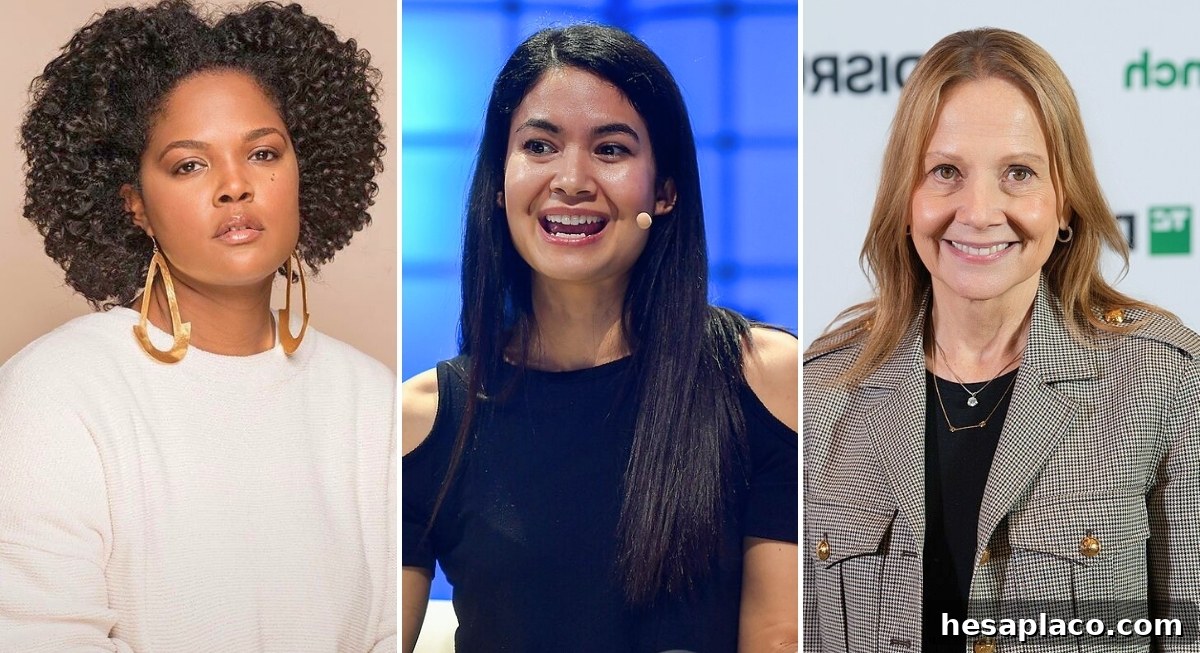
There’s no single playbook for building a company, and none of these women followed one. They made difficult decisions, took risks that raised eyebrows, and kept going when success was far from certain. What distinguishes them isn’t only the titles they hold but the ways they reshaped entire industries while staying true to their own values. These are the stories people still talk about.
Melanie Perkins Took Graphic Design Global
Credit: Wikimedia Commons
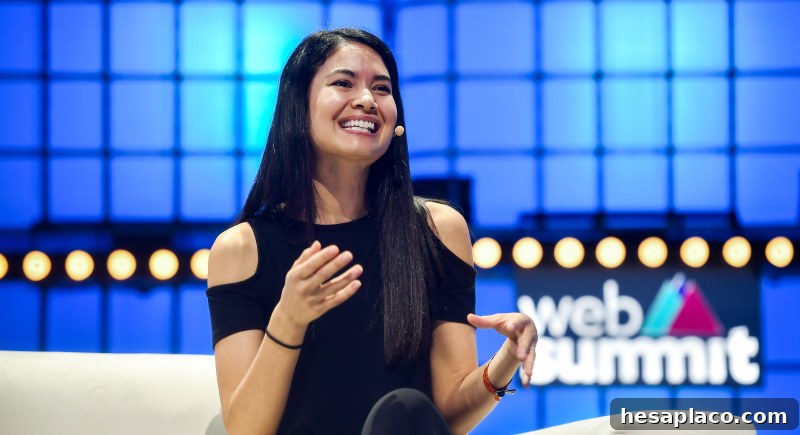
Melanie Perkins turned classroom frustration into a global design platform. After launching her first business at 19, she co-founded Canva and focused on making graphic design simple and accessible. By combining easy-to-use tools, prebuilt templates, and a collaborative interface, she helped millions create professional-looking visuals without steep learning curves. Canva became one of the rare tech unicorns led by a female CEO, and Perkins continues to emphasize inclusivity, education, and expanding creative access around the world.
Whitney Wolfe Herd Made The First Move Count
Credit: Wikimedia Commons
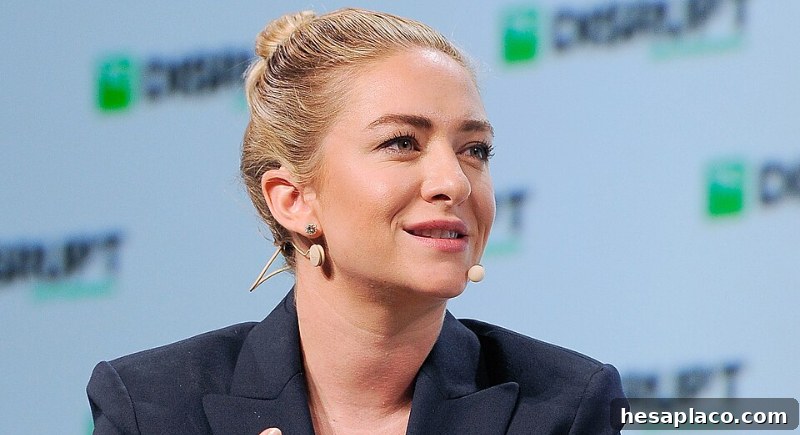
After co-founding Tinder and leaving amid legal disputes, Whitney Wolfe Herd founded Bumble to rewrite dating norms. The app’s defining feature—requiring women to message first—shifted the balance of power in online dating and became a clear part of Bumble’s identity. Wolfe Herd led the company through rapid growth and a landmark public offering in 2021, becoming the youngest woman to take a U.S. company public. Since then, she has kept a strong focus on online safety, respectful interactions, and female leadership both inside the company and across the industry.
Jasmine Crowe Turned Leftovers Into Impact
Credit: Wikimedia Commons
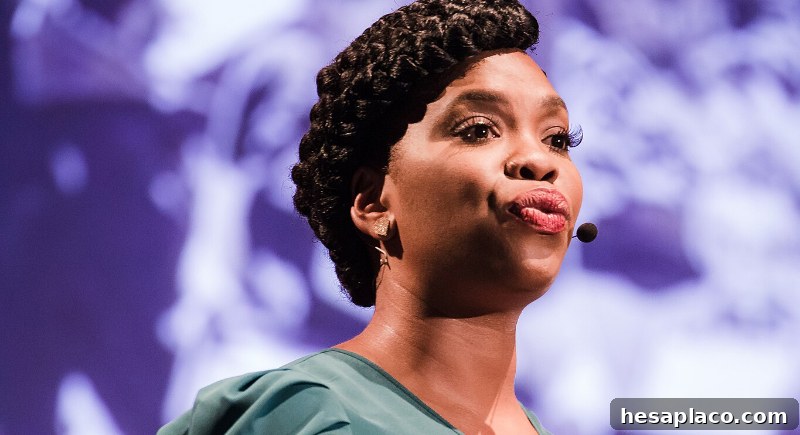
Jasmine Crowe founded Goodr to tackle food waste and food insecurity with practical logistics and measurable impact. Instead of focusing on pity or one-off donations, Goodr builds systems to redirect surplus food from businesses to communities in need, providing transparency and tracking to prove results. Under Crowe’s leadership, the organization has delivered millions of meals, helped companies reduce waste, and demonstrated how sustainable practices and social good can go hand in hand.
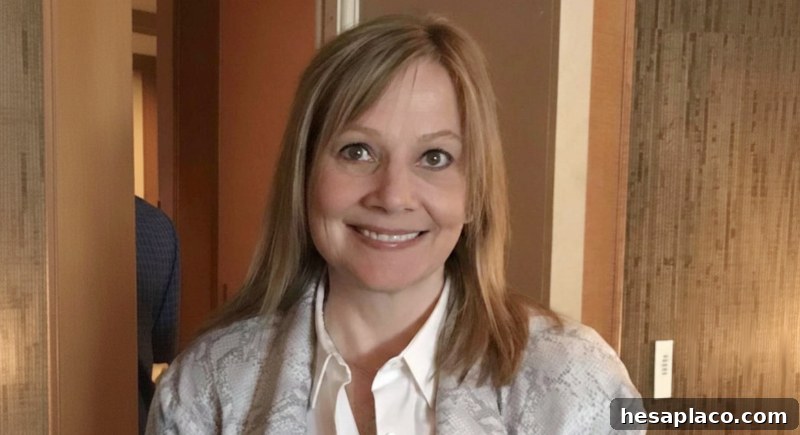
Mary Barra Isn’t Just Running GM—She’s Rewriting It
Credit: Wikimedia Commons
Mary Barra started her career at General Motors inspecting fenders as an intern; decades later she became the first woman to lead one of the Big Three automakers. Since becoming CEO in 2014, Barra has aggressively pushed GM toward electric vehicles, cleaner technologies, and a more software-driven future. She also navigated the company through major recalls and regulatory scrutiny, emerging with strengthened governance and renewed strategic focus on innovation and sustainability.
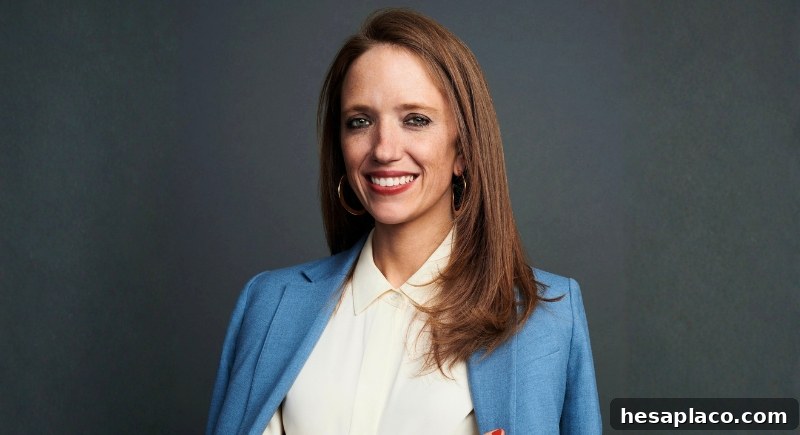
Katherine Ryder Built Healthcare On Her Terms
Credit: LinkedIn
Katherine Ryder created Maven Clinic after recognizing persistent gaps in women’s healthcare. With a background in journalism and venture capital, she designed a virtual-care platform that prioritizes fertility, pregnancy, postpartum support, and menopause with licensed clinicians and coordinated care. Maven’s model centers on accessible, evidence-based care tailored to women and families, making it the first digital health unicorn focused specifically on those needs.
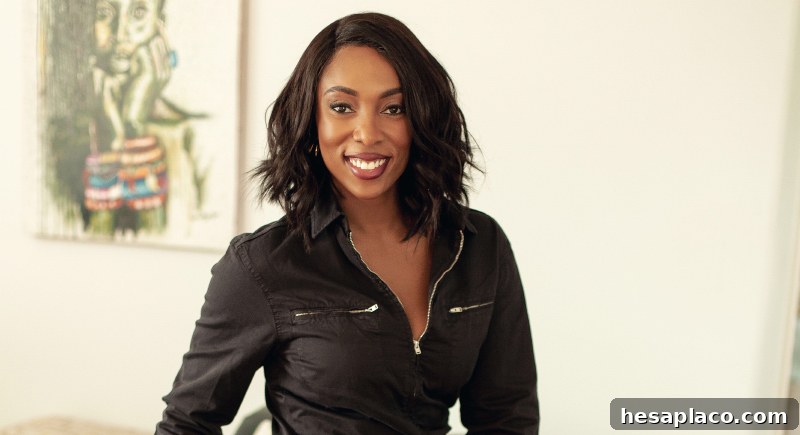
Jessica O. Matthews Invented Power In Motion
Credit: Facebook
At 19, Jessica O. Matthews invented a soccer ball that stores and transfers kinetic energy, an idea that led to Uncharted Power, a company focused on distributed renewable-energy infrastructure. Matthews’ work bridges engineering, design, and urban planning to create systems that harvest everyday motion and integrate resilient power solutions into public spaces. She holds multiple patents, has spoken at policy forums including the White House, and has built technologies that convert play and movement into practical energy solutions.
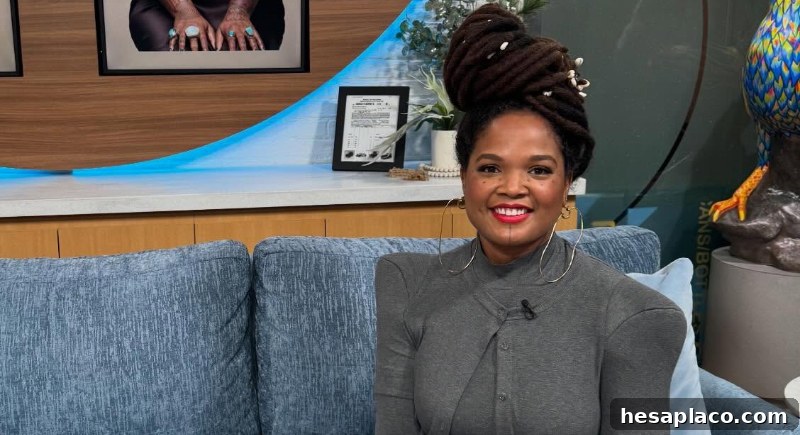
Beatrice Dixon Said No To Shame-Based Marketing
Credit: Instagram
Beatrice Dixon founded The Honey Pot to challenge how feminine-care products are marketed and to offer formulations that reflect diverse needs. Her brand aimed to replace stigma with honest education and representation. When controversy arose over an advertising campaign, Dixon responded with transparency and accountability, and the company continued to grow. The Honey Pot’s success shows that health and personal-care brands can be inclusive, unapologetic, and commercially successful.
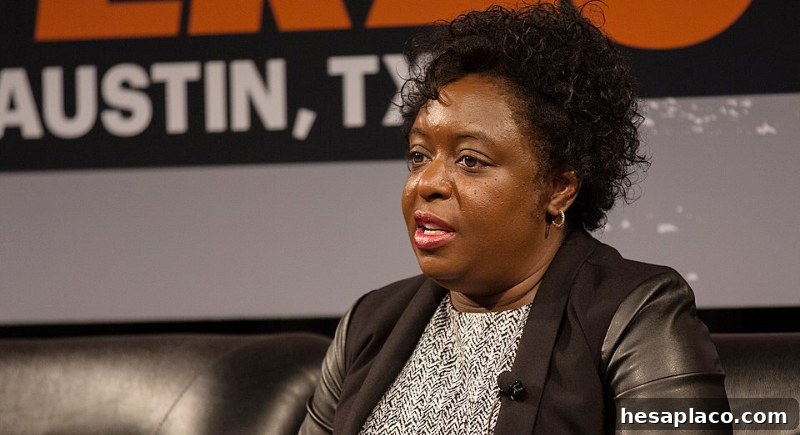
Kimberly Bryant Gave Girls A Code To Follow
Credit: Wikimedia Commons
Frustrated by the lack of representation in STEM, electrical engineer Kimberly Bryant founded Black Girls Code to create early access to computer science for girls of color. The nonprofit uses workshops, coding camps, and community partnerships to teach programming, robotics, and digital skills. Bryant stepped down from day-to-day leadership in 2022, but the organization’s model—build access early, cultivate community, and normalize representation in tech—remains widely influential.
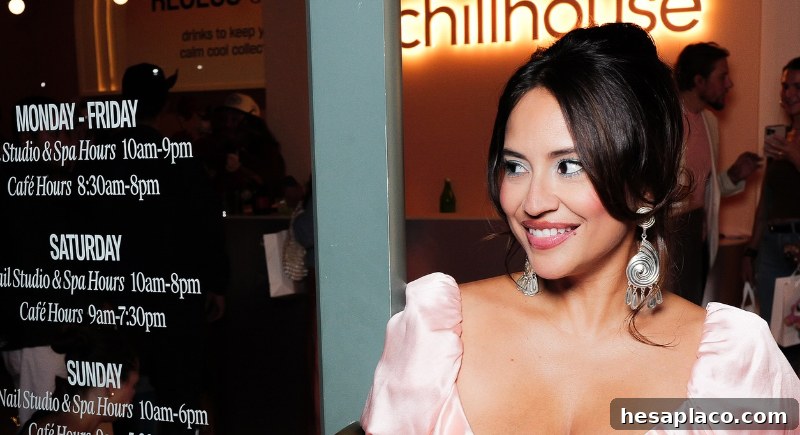
Cyndi Ramirez-Fulton Turned Wellness Into A Business Plan
Credit: Instagram
Cyndi Ramirez-Fulton created Chillhouse to make self-care approachable and convenient in everyday life. Combining a café, spa services, and beauty treatments, Chillhouse offers services like mani-pedis, quick massages, and lattes in a welcoming, affordable setting. Ramirez-Fulton drew on experience in hospitality and lifestyle content to design a brand that blends wellness, social space, and accessible pricing—redefining how urban consumers experience self-care.
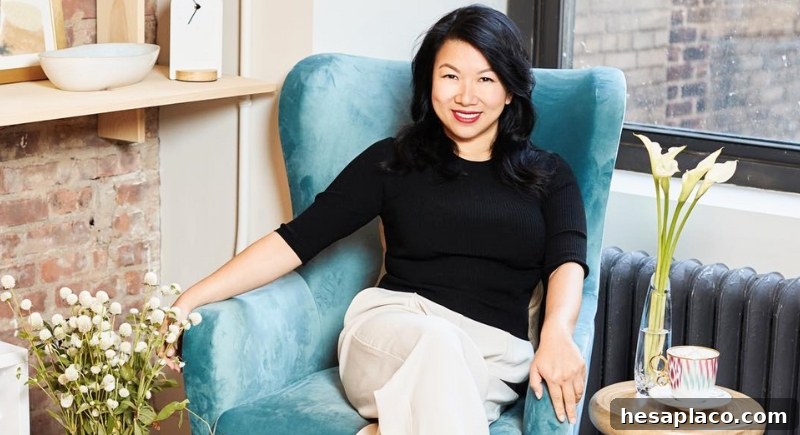
Shan-Lyn Ma Gave Wedding Planning A Reboot
Credit: Instagram
Shan-Lyn Ma created Zola after seeing how fragmented wedding planning had become. Couples juggled registries, guest lists, websites, and vendors across multiple platforms—adding stress to the process. Zola combined those tools into a single, streamlined platform that simplifies planning from registry to guest management. The product resonated: today Zola serves millions of couples, helping them plan weddings more efficiently and thoughtfully.