Wall Street typically rewards companies that keep deploying capital and taking big risks. Berkshire Hathaway, led by Warren Buffett and Greg Abel, is bucking that trend. Rather than aggressively buying, the conglomerate is holding nearly $397 billion in cash and Treasury bills, and that gap has investors talking. It isn’t an automatic signal that a market crash is imminent, but it does highlight how expensive stocks appear to be and how cautious one of America’s most experienced investing teams has become.
Berkshire Sells Into Record Highs

Credit: Instagram
In recent years, Berkshire Hathaway trimmed several major positions rather than chasing the market’s hottest names. Holdings in Apple and Bank of America were reduced as the market rallied on excitement around artificial intelligence and gains by mega-cap tech companies. Buffett and Abel appear to prioritize flexibility and capital preservation over chasing returns at elevated valuations.
Treasury Bills Regain Appeal
Credit: Getty Images
When markets run higher, cash often feels unattractive. But short-term Treasury bills, yielding roughly 4% to 5%, have changed that calculus for many large investors. These instruments provide steady, low-risk income without exposure to the stock market’s swings. By parking substantial sums in government debt, Berkshire is earning meaningful returns while preserving the ability to remain patient and avoid expensive commitments.
Experience Shapes Patience
Credit: Instagram
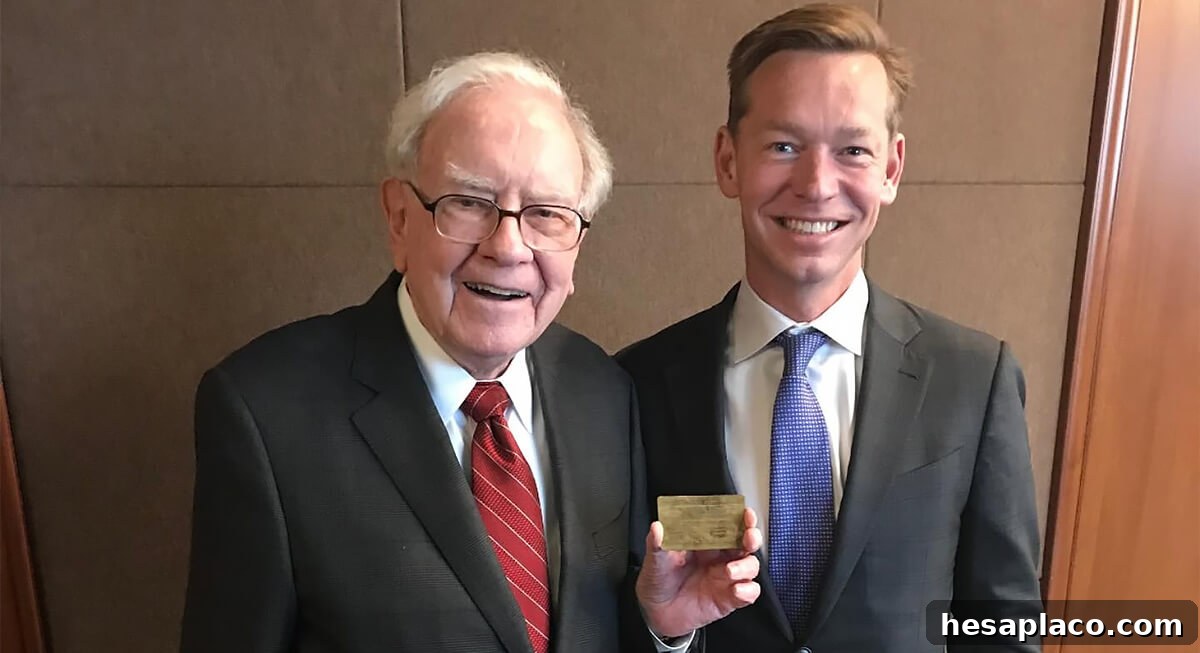
Buffett has seen similar market cycles before and has often chosen patience during speculative waves—most notably the dot-com boom and the housing bubble leading up to 2008. The current market’s enthusiasm, especially around AI and large tech firms, echoes those past episodes. Berkshire’s large cash balance suggests management is monitoring familiar patterns and waiting for opportunities that meet their price and quality standards.
Berkshire’s Size Limits Options

Credit: Instagram
Individual investors can move into promising stocks without shifting the market. Berkshire cannot. With a market capitalization approaching $1 trillion, any meaningful deployment requires very large opportunities. Buffett has long acknowledged that Berkshire’s size constrains its ability to make nimble, small-scale investments, and that reality helps explain the company’s cautious stance.
Greg Abel Maintains the Strategy
Credit: Youtube
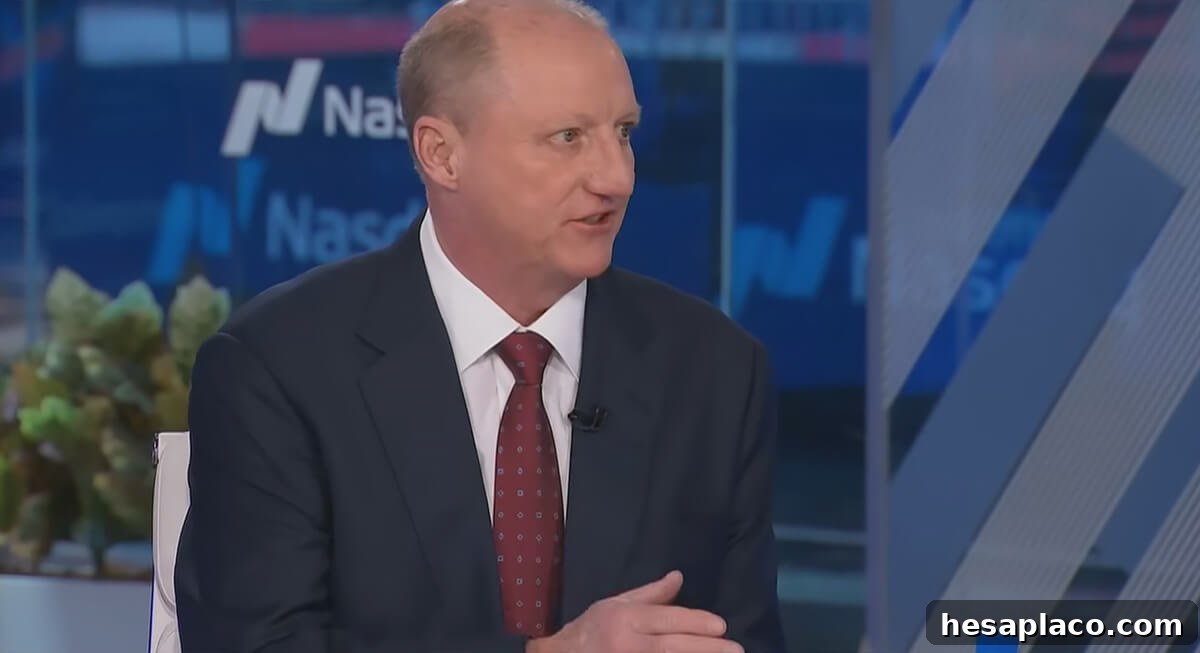
When Greg Abel assumed greater responsibility at Berkshire, some investors wondered whether he would immediately deploy the cash hoard. His early actions reflected continuity rather than change: the company continued selling more shares than it bought, and buybacks remained modest relative to the balance sheet. That approach mirrors the conservative investment philosophy Buffett has followed for years.
Valuation Concerns Get Little Attention
Credit: Getty Images
Throughout 2024 and 2025, the market largely rewarded companies tied to artificial intelligence and semiconductor demand, pushing valuations higher as enthusiasm mounted. Berkshire has mostly stayed on the sidelines of that rally. Buffett and Abel appear more focused on valuation math than on following market momentum. Their large cash reserve serves as a deliberate pause amid broad optimism.
Dry Powder for Market Stress
Credit: Instagram
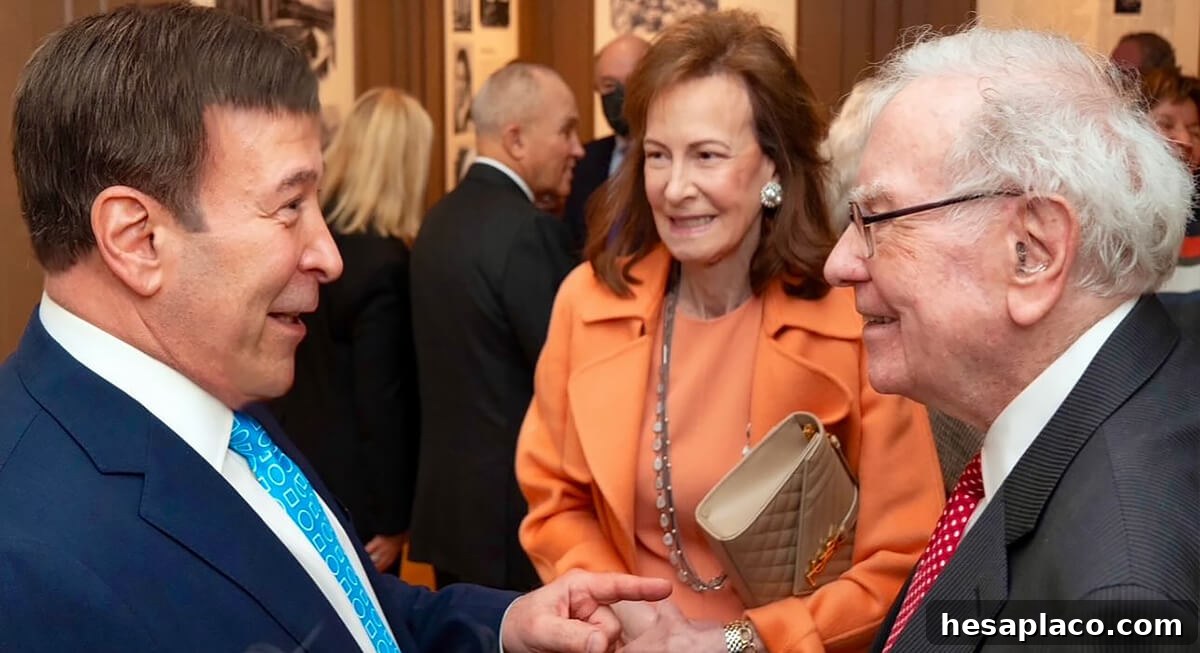
Buffett has historically made major investments during periods of market stress. In the financial crisis, for example, Berkshire provided financing to companies in desperate need of stability—deals that yielded substantial long-term returns. Keeping hundreds of billions in liquid assets allows the company to act quickly and opportunistically if market conditions deteriorate.
The Cost of Sitting on Cash
Credit: Instagram
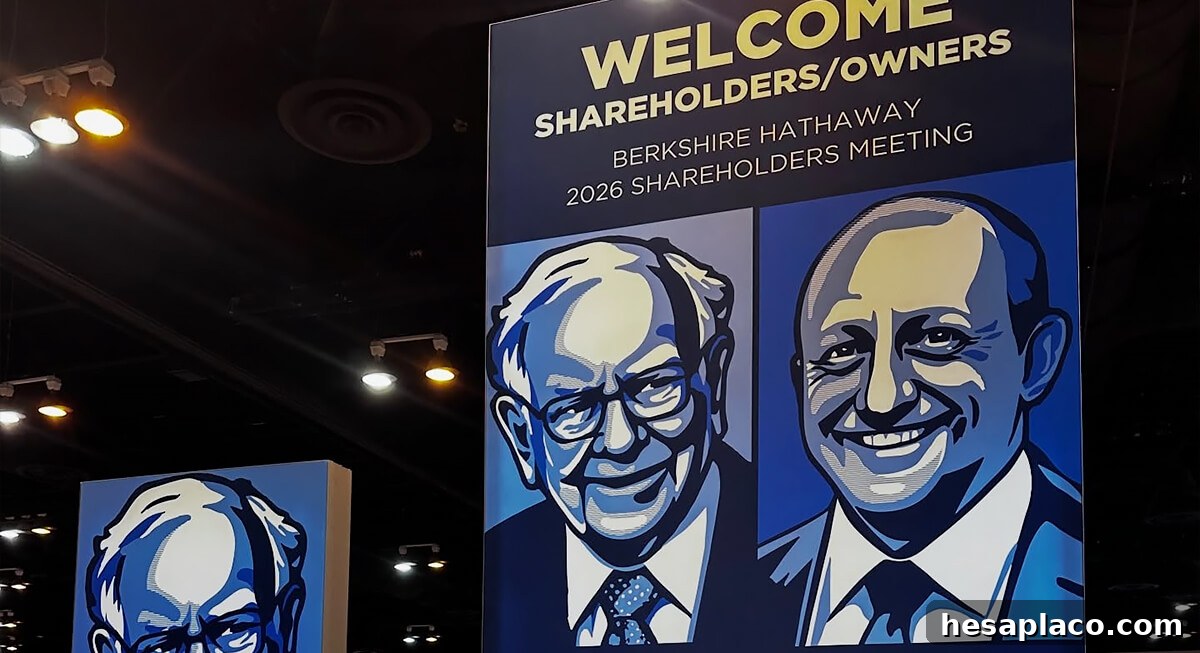
Critics note that Berkshire missed out on substantial gains during the recent technology-driven rally. The S&P 500 and several mega-cap growth funds outpaced Berkshire while it held large cash reserves. That criticism is understandable: in a market where risk-taking is rewarded, caution can look like underperformance.
A Quiet Signal of Patience

Credit: Youtube
Berkshire’s stance indicates that management finds few bargains today that satisfy their standards for price and durability. Over decades, the company has consistently waited for high-conviction opportunities rather than forcing investments out of fear of missing out. The current cash pile communicates that same discipline—an intentional choice to slow down while markets remain buoyant.
Market Cycles Always Shift

Credit: Getty Images
Bull markets have a way of making investors forget that conditions can change. After years of steady gains, rising prices may begin to feel permanent. Buffett and Abel understand that cycles can reverse quickly when optimism runs ahead of fundamentals. While Berkshire’s cash position may seem overly cautious today, it could prove prescient if volatility returns and attractive investment opportunities emerge.