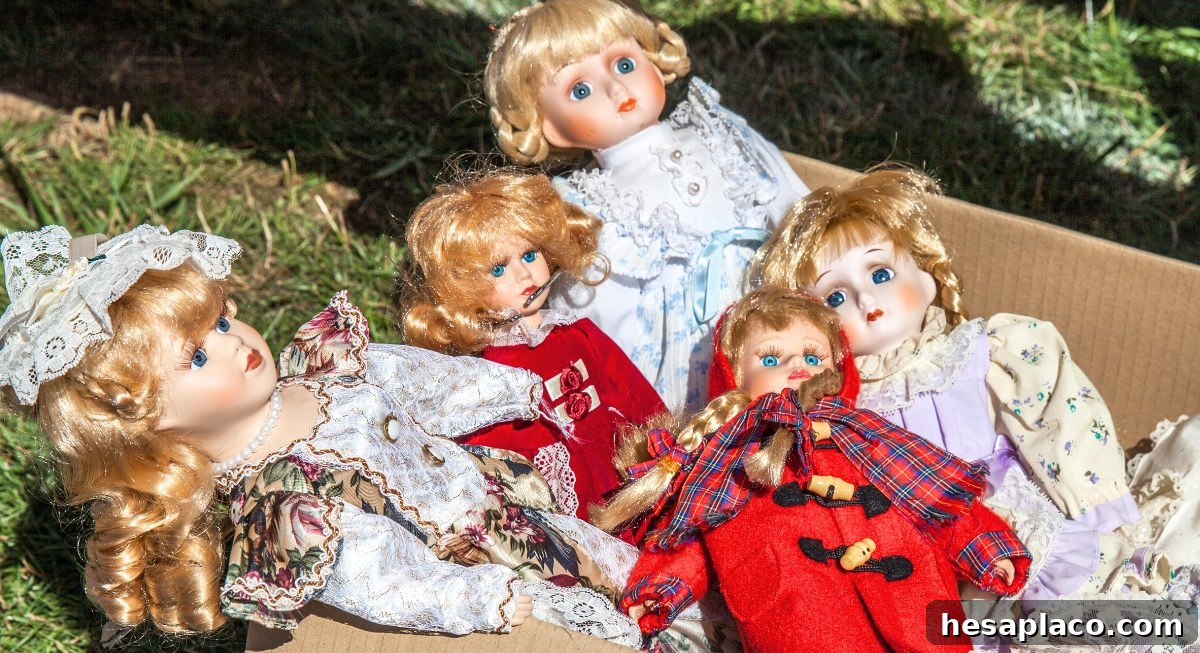
Collecting once seemed like a savvy way to build future wealth. People displayed dolls, coins, action figures, and limited-edition pieces on shelves with the hope that rising demand would make them worth far more down the line. For many, that belief justified spending significant sums on items marketed as “investments.”
But reality has been steeper and more sobering than the marketing promised. Mass production, aggressive promotion, and trend-driven demand created huge supplies of so-called collectibles. As tastes changed and novelty faded, the market for many of these items collapsed. Today, a lot of pieces that were once touted as valuable now sell for only a fraction of their original price—if they sell at all.
Franklin Mint Memorabilia Lost Its Promise of Appreciation
Credit: Reddit
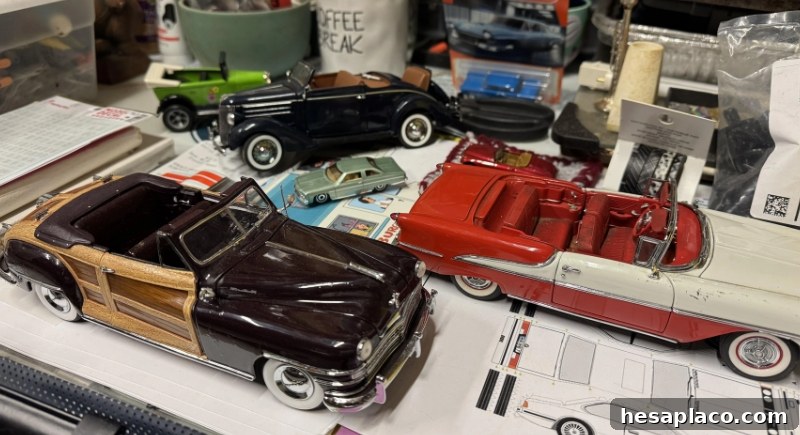
Products from the Franklin Mint were promoted as heirloom-quality collectibles that would appreciate over time. Plates, dolls, and commemorative coins arrived in attractive boxed sets and carried high price tags. However, many of these items were produced in large quantities. As a result, boxed pieces that once seemed precious now often trade for $20 to $50 on resale markets, with loose or common examples selling for much less.
Beanie Babies Sparked Chaos but Now Sit Unsold
Credit: ebay
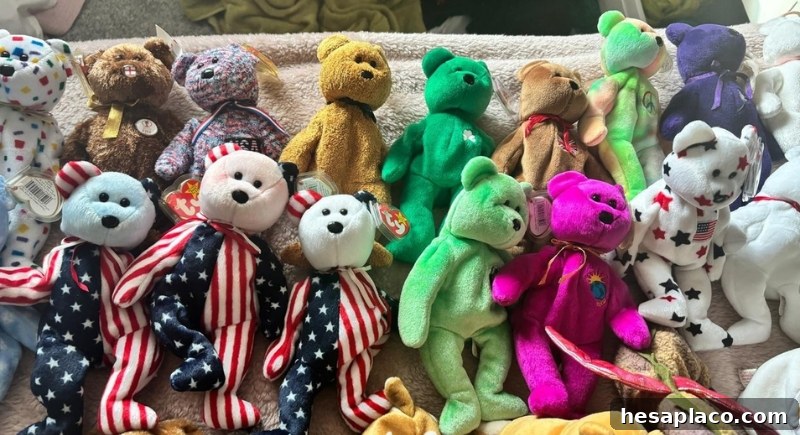
In the 1990s, Beanie Babies created a feeding frenzy: people lined up at stores and traded obsessively, convinced the plush toys would finance college tuition or retirement. That passion pushed secondary-market prices briefly into the stratosphere, but the bubble burst. Today, many Beanie Babies languish in storage or in online listings with little buyer interest. Even highly publicized pieces, like the Princess Diana bear, often sell for under $20 when they sell at all.
Porcelain Dolls Now Flood Resale Markets
Credit: Getty Images
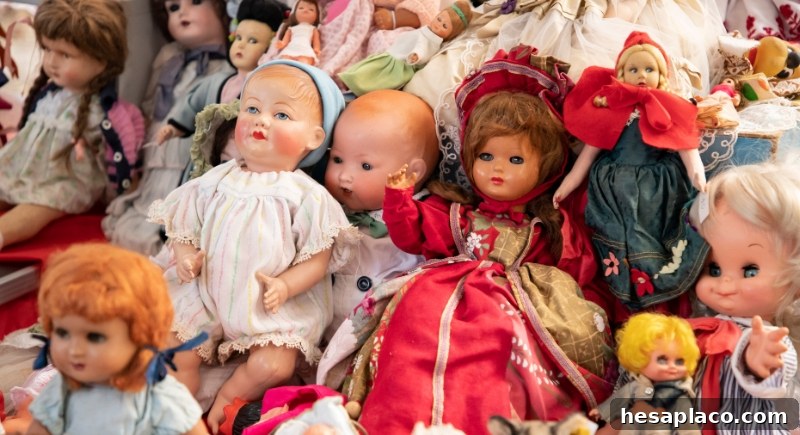
Porcelain dolls were often displayed in glass cabinets or kept in their original boxes as if preserving an investment. But the market became saturated with similar models, and resale platforms are now full of these dolls. Even mint-condition examples frequently list for only $10–$15, and many buyers scroll past them with little interest.
Model Train Sets Rarely Return a Fraction of Their Original Cost
Credit: Canva
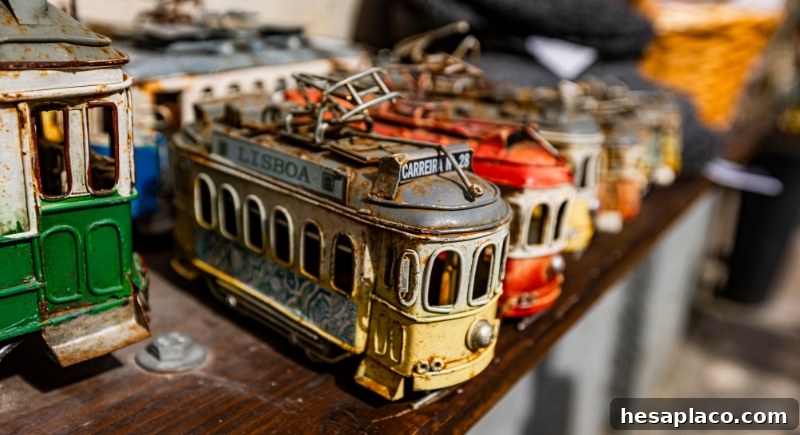
Model train enthusiasts invest time and money into detailed collections, but resale outcomes can be disappointing. One account described a collection once valued at $100,000 that ultimately sold for roughly $7,000 in total. While model trains deliver lasting enjoyment to hobbyists, they rarely recover original costs at resale—especially when sets are incomplete or demand is low.
Comic Books From the ‘80s and ‘90s Saturated the Market
Credit: Reddit
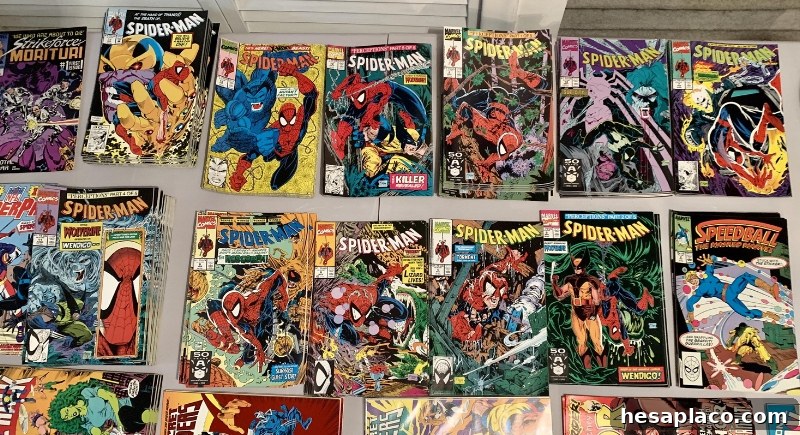
Publishers printed millions of “collector” issues in the 1980s and 1990s—special foil covers and sealed packs promised future rarity. Instead, the sheer volume of surviving copies made true scarcity rare. Today, only genuinely rare issues or those with professional grading command significant premiums. Most common, unopened comics from that era trade for prices near their original cover cost.
Funko Pop! Collections Quickly Became Overvalued
Credit: Reddit
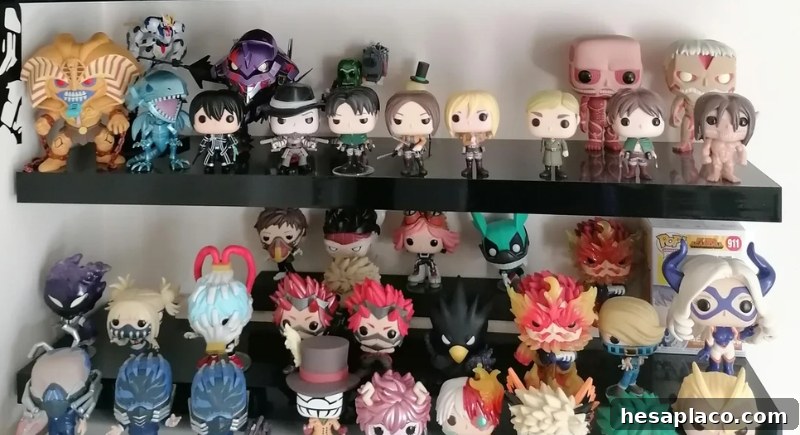
Funko Pop! figures saw meteoric popularity, spurring some collectors to try to amass every release. But the large number of releases and frequent reissues diluted scarcity. Many Funko figures now sell for under $20, and the constant stream of new variants has kept prices subdued across the board.
McDonald’s Happy Meal Toys Failed to Generate Any Real Demand
Credit: Facebook
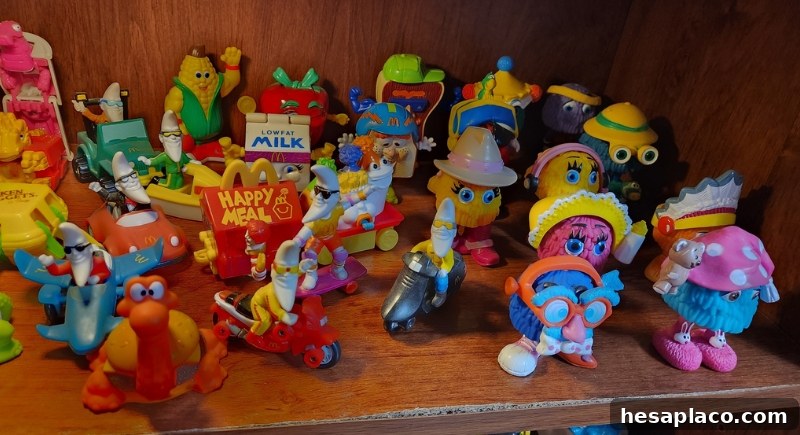
Many people boxed entire Happy Meal toy runs thinking they were preserving rare pieces of childhood. In most cases, those toys were produced in very high numbers and remain common at estate sales and auctions. Large collections rarely translate to significant resale returns; in one estate sale example, a houseful of items sold for around $10,000 total, with Happy Meal toys contributing very little.
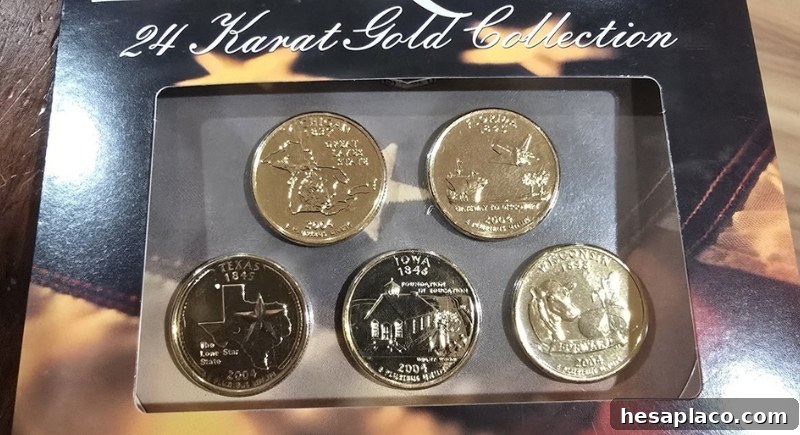
Special-Edition State Quarters Didn’t Appreciate as Promised
Credit: ebay
The U.S. state quarter program was marketed as a once-in-a-lifetime collecting opportunity. While some individual coins in exceptional condition or with rare errors can be valuable, the vast majority were widely distributed. As a result, most state quarter sets resell at or near face value rather than as appreciable investments.
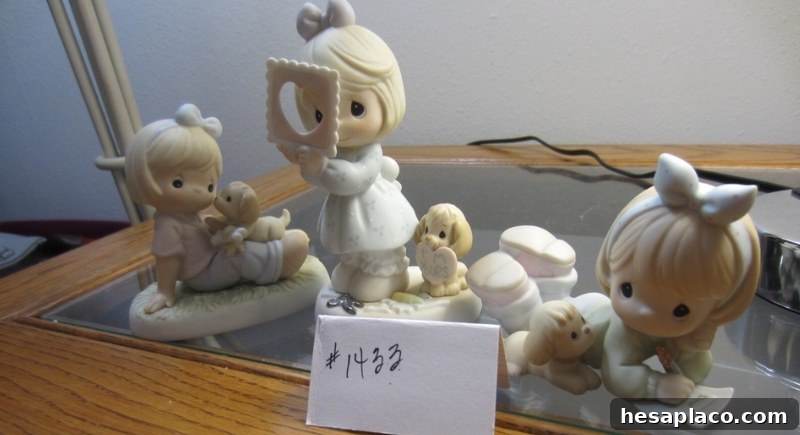
Precious Moments Figurines Now Sell for Under $20
Credit: ebay
Precious Moments figurines were once treasured and collected with the expectation that they would become more valuable over time. Today, most of these sentimental porcelain pieces sell for between $5 and $20 on secondary markets. Only a handful of retired or rare models fetch higher prices, while the majority remain inexpensive keepsakes.
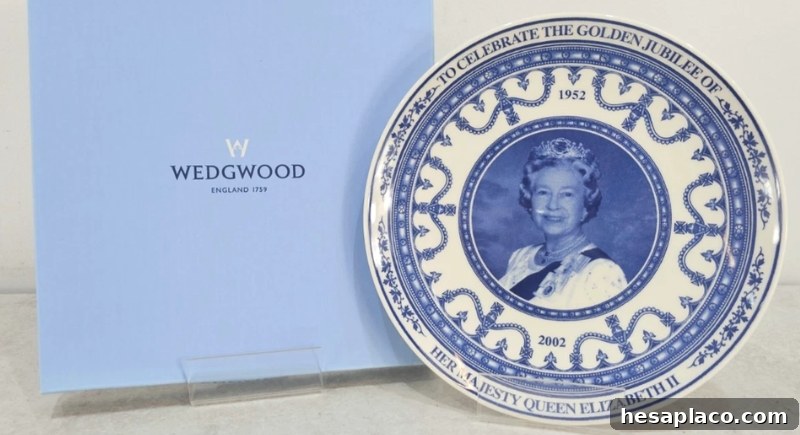
Royal Family Commemoratives Are More Common Than Collectible
Credit: ebay
Commemorative items tied to royal events—jubilee plates, wedding mugs, and other souvenirs—were often produced and sold in significant numbers. While occasional pieces gain attention during anniversaries or news events, most royal memorabilia remains common on resale sites and at garage sales, usually fetching only a few dollars and showing little long-term appreciation.
In short, collecting can be a rewarding hobby, but treating popular or mass-produced items as guaranteed investments often leads to disappointment. Scarcity, condition, provenance, and genuine collector demand are the true drivers of value. For anyone hoping to build value through collectibles, research and realistic expectations matter far more than marketing promises.