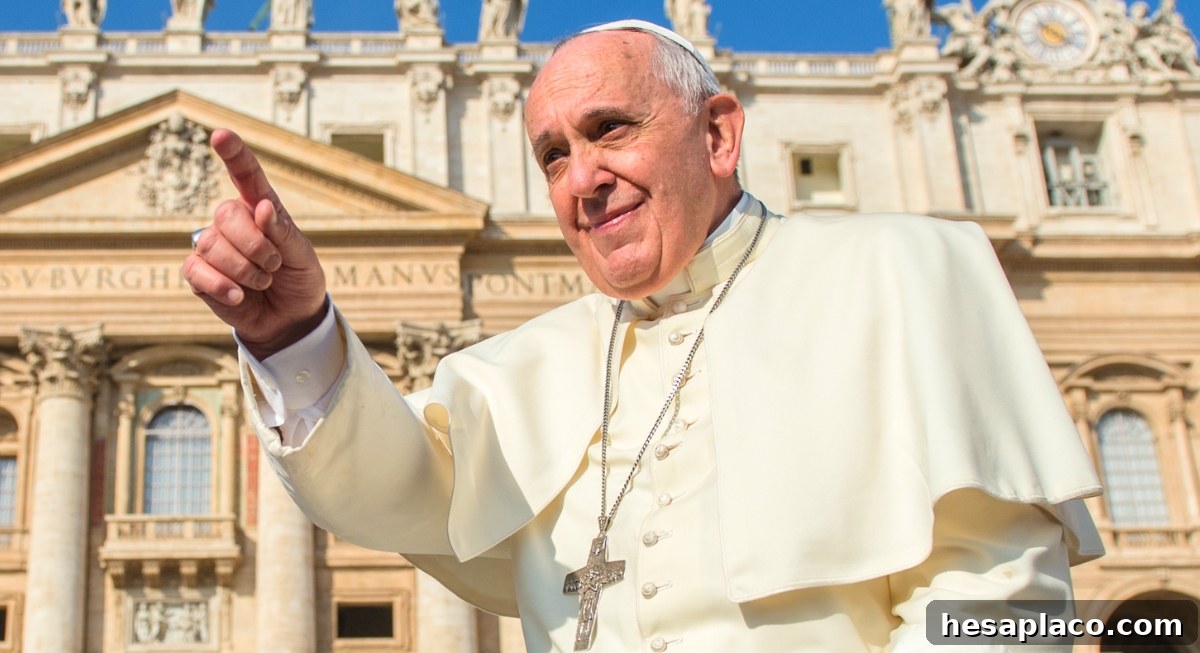
There is no shortage of wealth, history, and ritual at the Vatican. From the start of his papacy, however, Pope Francis signaled that he was not interested in the material trappings of power. He did not assume the role of a monarch. Instead, he repeatedly chose a quieter, more demanding path: simplicity. His modesty was intentional and rooted in the Jesuit vows of poverty and service he embraced as a young man in Argentina.
He Refused a Papal Salary
Credit: flickr
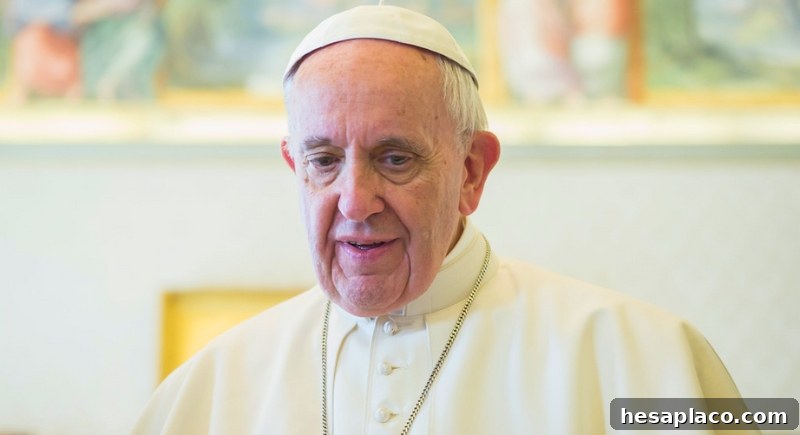
Early in his papacy, Francis declined the customary papal salary. This was not a symbolic stunt: throughout his years in Argentina he often refused personal compensation, choosing instead to live modestly alongside the people he served. Any funds he could have accepted were redirected to charity or simply forgone.
A Net Worth That Isn’t His
Credit: X
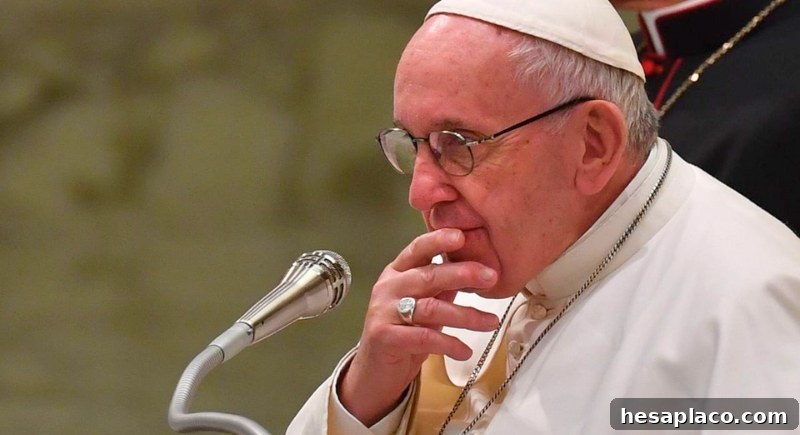
Estimates that attempt to assign a “net worth” to the pope conflate institutional assets with personal wealth. The Vatican owns many items associated with the papacy, but Francis does not personally possess the apartment where he lives, the vehicles he uses, or the ceremonial objects he wears. His lifestyle emphasized function over indulgence.
A Fiat and a Hyundai for a Popemobile
Credit: flickr
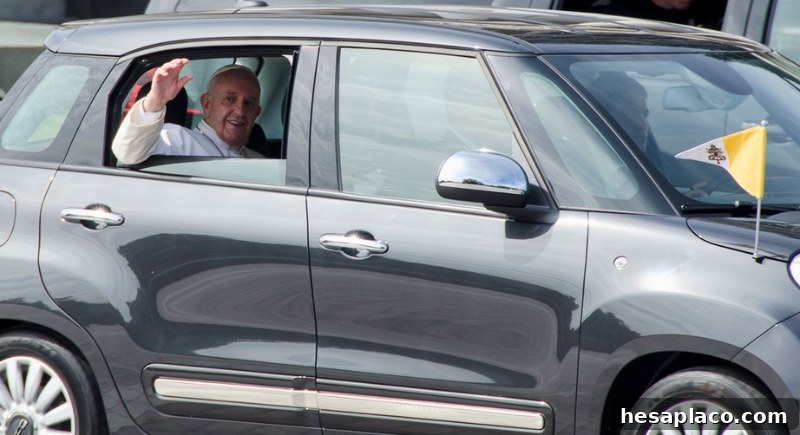
Where many leaders would choose armored, ostentatious vehicles, Francis opted for modest cars such as a Hyundai or a Fiat on various occasions. Small and unassuming, these choices underscored his intention to remain connected to ordinary people rather than present an image of untouchable grandeur.
He Wore Iron and Silver, Not Gold
Credit: Facebook
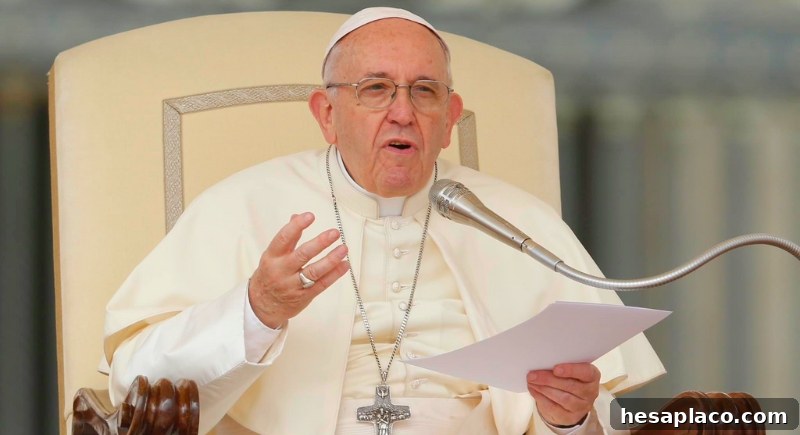
Unlike some predecessors who favored gold rings and ornate vestments, Francis chose simpler items—a silver ring and an iron crucifix among them. That was a deliberate rejection of excess and a statement about the kind of spiritual leadership he wanted to embody.
Bananas and Boiled Fish over Banquets
Credit: Facebook
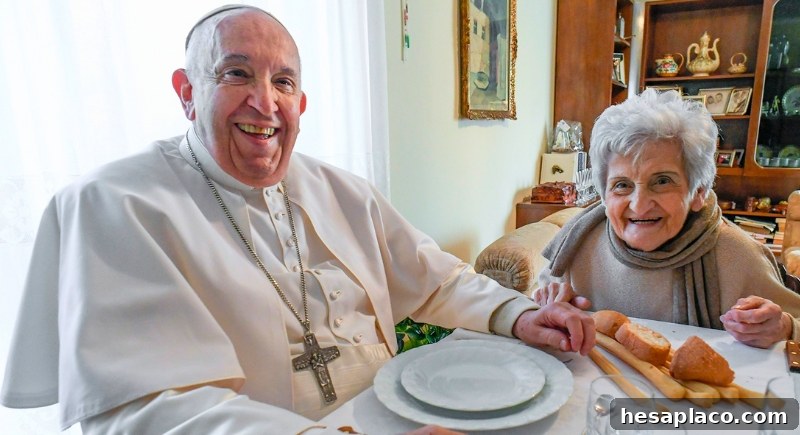
On visits abroad, Francis avoided elaborate state dinners. During a visit to New York he requested simple fare—still water, bananas, fish, and rice—prepared privately by guest chefs. The choice reflected a preference for modest, unpretentious sustenance rather than ceremonial feasting.
Black Shoes Instead of Red Ones
Credit: X
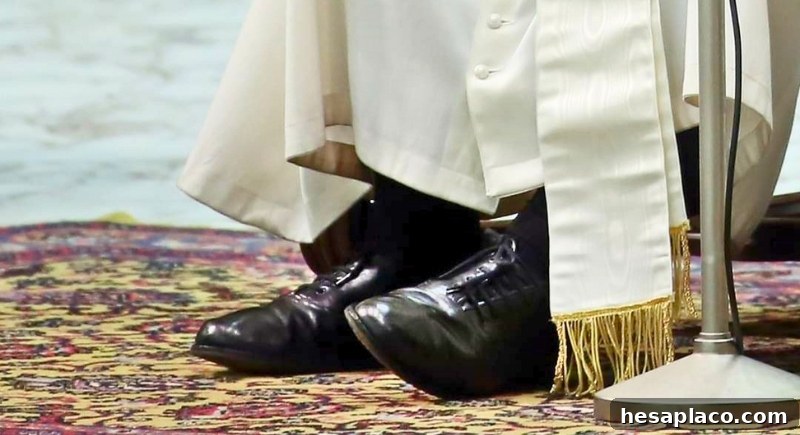
The traditional papal red shoes have deep historical symbolism, but Francis often wore his old black leather shoes instead. Worn and understated, they matched his overall approach: he was not interested in updating tradition for spectacle’s sake, simply in living with humility.
A Twitter Account Instead of a Stage
Credit: X
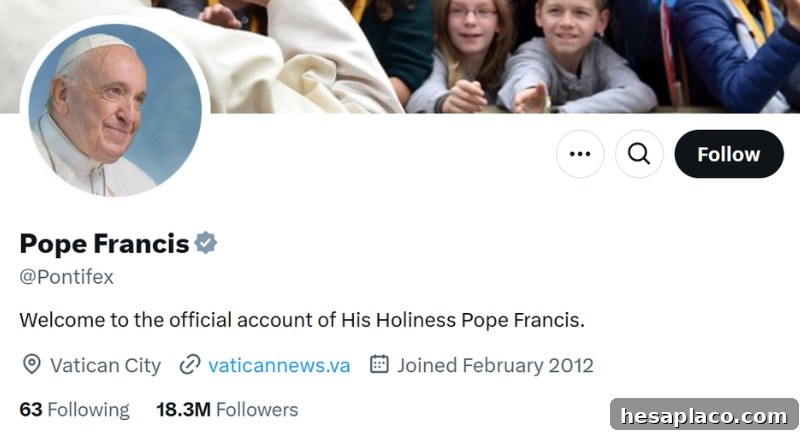
Francis did not seek personal limelight. His presence on social media was pastoral rather than performative: brief messages, often prayerful, that avoided self-promotion. In an age defined by influencers and spectacle, his digital voice remained measured and consistent.
Pizza from a Stranger’s Hands
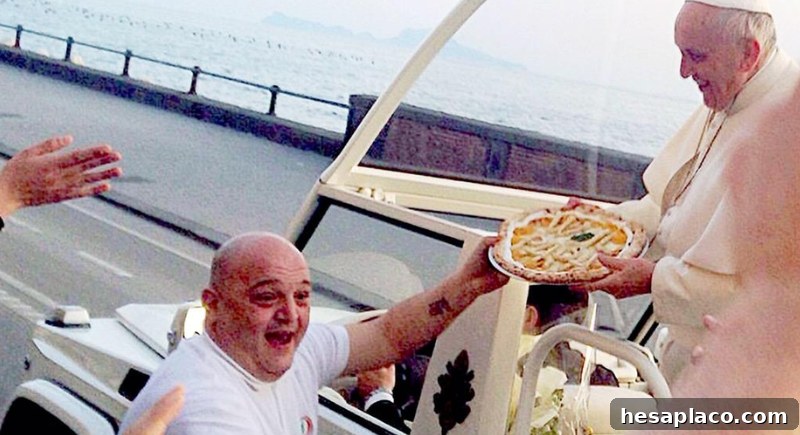
Credit: X
One memorable, simple moment captured his spirit: while riding through town, a passerby handed him a pizza, and he accepted it in the Popemobile. No protocol, no prearranged menu—just spontaneous human contact and a small, joyful exchange.
Jesuit Vows That Actually Stuck
Credit: Instagram
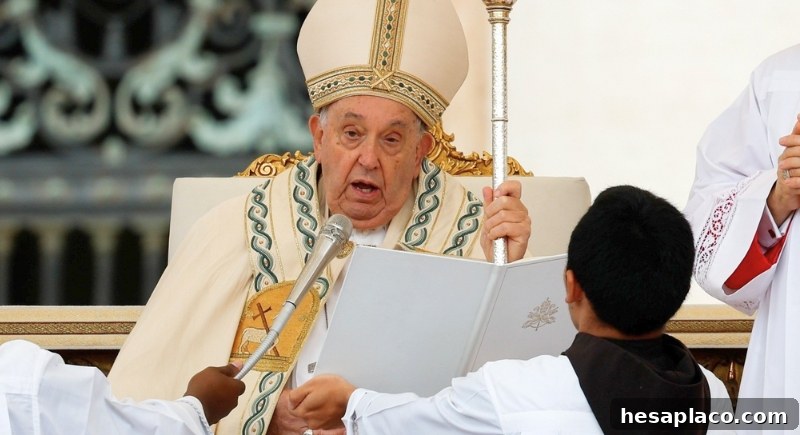
For Francis, the Jesuit vows of poverty, chastity, and obedience were more than formalities. Even as archbishop and then cardinal in Buenos Aires, he resisted opulent housing and special privileges. Becoming pope did not change those commitments; he carried them onto the global stage, keeping the same priorities and practices.
He Measured Wealth by Impact, Not Assets
Credit: Wikimedia Commons
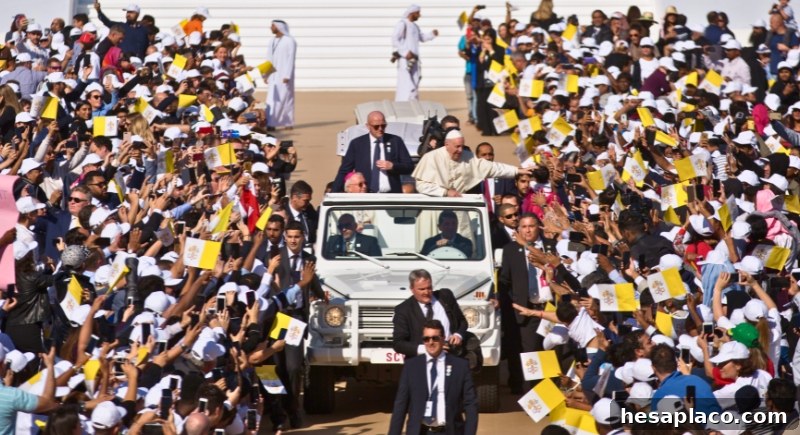
Francis’s legacy is measured less in possessions and more in the causes he championed: climate justice, protection and dignity for refugees, and interfaith dialogue. He influenced global conversations not by accumulating assets but by prioritizing moral leadership and practical solidarity.
He Settled His Own Hotel Bill
Credit: Wikimedia Commons
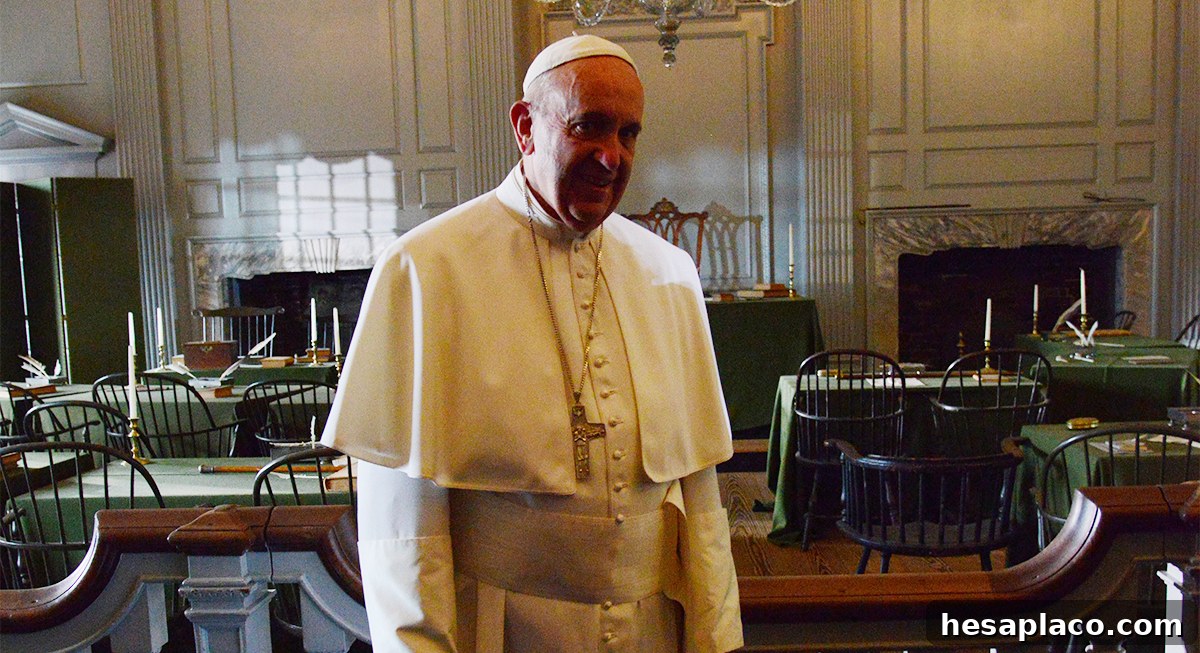
The morning after his election, Francis returned to the clerics’ residence where he had stayed before the conclave and insisted on paying his own bill. It was a small gesture, but telling: even as he took on one of the world’s most visible roles, he continued to treat money matters simply and personally.
A Guest House Over a Palace
Credit: Wikimedia Commons
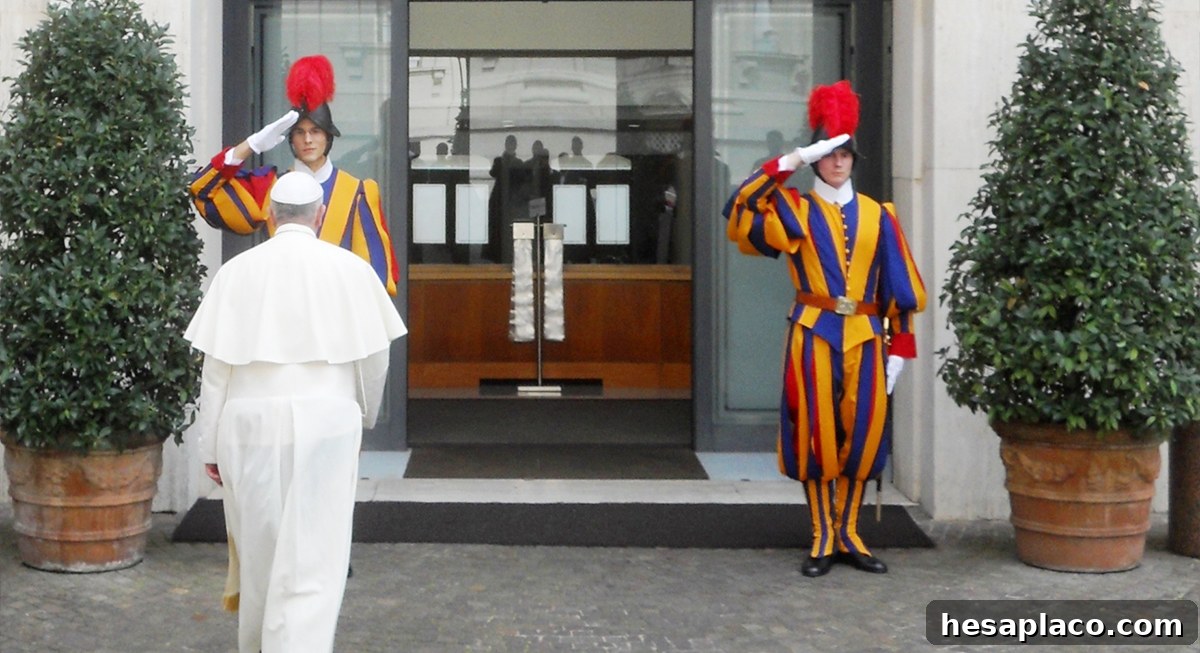
Rather than move into the grand papal apartments, Francis chose Casa Santa Marta, the Vatican guesthouse, preferring the company of others to the isolation of a palace. The decision aligned with his broader approach: fewer ceremonies, less separation from ordinary life, and a consistent commitment to living modestly.