
When chatting with AI, it’s easy to get carried away and overshare, but some information should remain private. Protecting your personal data and privacy is essential. Below is a clear guide to the types of information you should never share with AI platforms. Follow these guidelines to reduce risk and keep sensitive information under your control.
Sensitive Financial Details

Credit: Canva
Do not share credit card numbers, bank account details, tax identification numbers, or Social Security numbers with AI systems. Even when a service appears secure, financial information is a prime target for fraud and cybercrime. Treat AI chats like public-facing tools: avoid posting account numbers, routing codes, or other identifying financial information that could be used to steal money or commit identity theft.
Medical Information

Credit: Aflo Images
Avoid sharing detailed medical histories, diagnoses, medication lists, or other health records in AI conversations. Most public AI platforms are not designed or certified to handle protected health information, and the accuracy of medical advice from an AI cannot replace consultation with a licensed healthcare professional. Keep sensitive health details to trusted providers and secure medical systems.
Sensitive Personal Data

Credit: Getty Images
Keep personally identifiable information—such as your full home address, personal phone numbers, birthdates, passport numbers, or national ID—out of AI chats. If those details are exposed in a breach, they are difficult or impossible to retract. Limit what you disclose and use secure, purpose-built services when you must provide personal data.
Workplace Secrets

Credit: Getty Images
Do not share confidential company information, internal strategies, nonpublic client data, proprietary roadmaps, or privileged communications in AI chats. If you need help with work-related tasks, sanitize examples or consult internal resources or colleagues under your company’s established privacy and security policies. Loose sharing of company details can result in compliance violations, competitive harm, or data leaks.
Login Credentials

Credit: Getty Images
Never paste usernames, passwords, API keys, or authentication tokens into an AI chat. These credentials provide direct access to accounts and services. Use dedicated password managers for storing and sharing credentials securely, enable multi-factor authentication (MFA) wherever possible, and avoid reusing passwords across sites to reduce the damage if a single secret is exposed.
Personal Thoughts and Feelings

Credit: pexels
Expressing yourself can be therapeutic, but remember that AI platforms may log or analyze conversations. If you need emotional support or confidential counseling, reach out to licensed therapists, trusted friends, or support lines. Avoid sharing deeply personal confessions, trauma histories, or highly sensitive emotional information with general-purpose chatbots.
Explicit Content

Credit: Getty Images
Do not send explicit sexual content, nude images, or pornographic material to AI services. Besides often violating platform policies, sharing such material risks misuse, distribution, or long-term storage. Treat any service’s content rules seriously and avoid sending images or text that could expose you to abuse or legal consequences.
Sensitive Legal Information

Credit: Canva
Avoid discussing ongoing legal cases, privileged communications, or confidential settlement details in AI chats. Attorney-client privilege does not apply to AI services, so disclosing legal strategy, evidence, or sensitive case facts can undermine your position and potentially be accessed by others. Keep legal matters confined to secure communication with your attorney.
Criminal Activity

Credit: Canva
Never describe, confess to, or solicit advice about committing criminal acts in AI conversations. Law enforcement and security researchers use automated tools and AI to detect illegal behavior online; admissions or detailed descriptions of wrongdoing can have serious legal consequences. If you are a witness or victim, use official channels and legal counsel rather than public or semi-private AI tools.
Security Questions and Answers
Credit: flickr
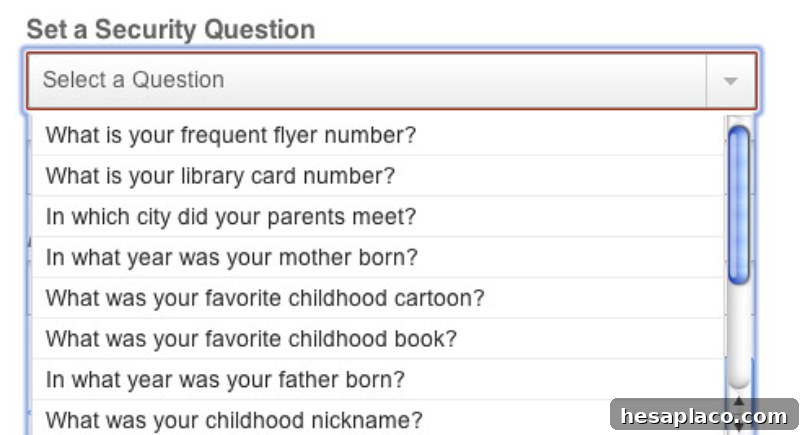
Responses to security questions—such as first pet, mother’s maiden name, or childhood address—are often used to reset passwords. Sharing these answers in AI chats effectively hands over your account recovery data. Keep security question answers and account recovery details in a safe, private location like a password manager rather than in conversational tools.
Biometric Data

Credit: Getty Images
Biometric information—fingerprints, facial scans, voiceprints, or retina scans—is uniquely tied to your identity and cannot be changed if compromised. Avoid submitting biometric data to general-purpose AI services. If a system requires biometrics for authentication, ensure it is a trusted, well-regulated provider with clear data protection and retention policies.
Proprietary Code and Algorithms

Credit: Getty Images
Sharing proprietary source code, confidential algorithms, trade secrets, or internal system designs with AI can expose intellectual property and competitive advantages. When seeking technical help, sanitize examples and avoid pasting full production code or unique algorithms. For sensitive development work, use internal review processes, secure code repositories, and corporate-approved collaboration tools.
In summary, treat AI chats like any public or semi-public communication channel: avoid sharing data that could harm your finances, reputation, legal standing, or security if disclosed. When in doubt, keep it private, use specialized secure services, and consult trusted professionals for medical, legal, or financial matters.