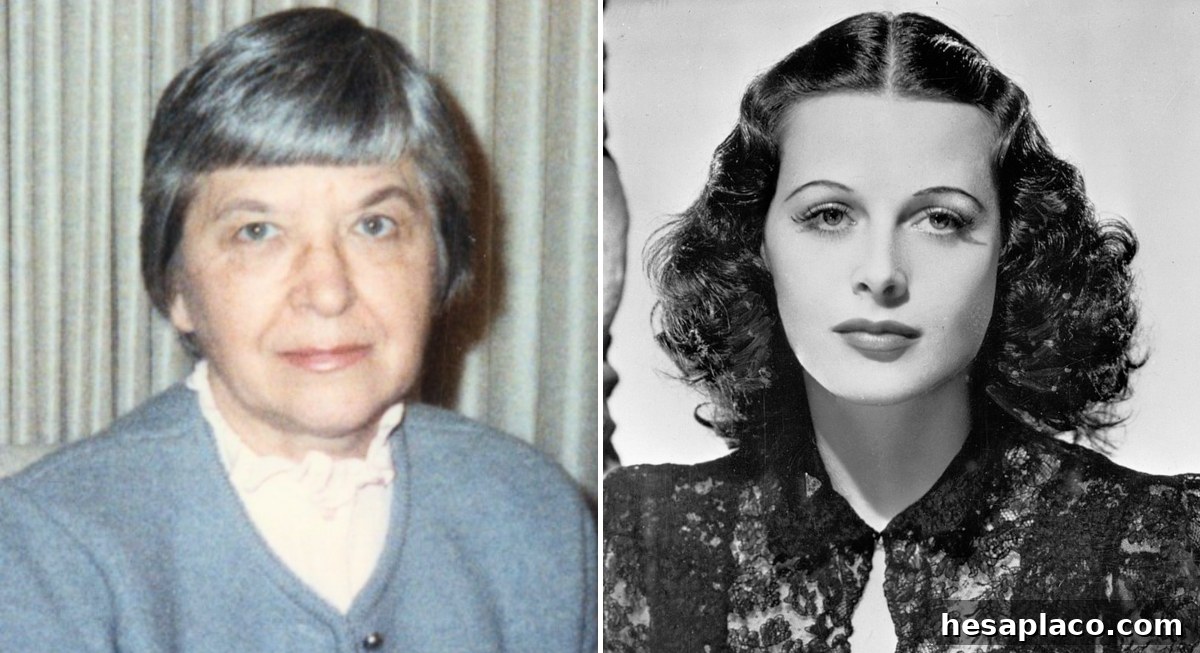
Most of us learned about Thomas Edison and Alexander Graham Bell in history class. But ask the average person who Mary Sherman Morgan or Patricia Bath is, and you’ll likely get a blank look. These women received far less recognition than many of their male counterparts, yet they solved real-world problems and created innovations that reshaped everyday life.
Stephanie Kwolek
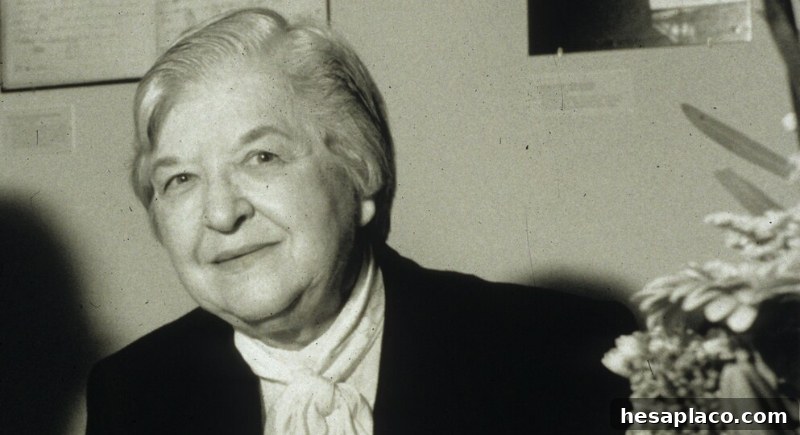
Credit: Wikimedia Commons
In 1964 at DuPont, polymer chemist Stephanie Kwolek was testing materials intended to improve tires when a solution she prepared turned cloudy and unusually thin. Colleagues assumed the batch had failed, but Kwolek insisted on testing it. The fibers spun from that solution proved to be five times stronger than steel by weight. That breakthrough led to Kevlar, a synthetic fiber now used in bulletproof vests, helmets, and other protective gear. Kwolek’s curiosity and willingness to pursue unexpected results have helped save countless lives and improved safety for law enforcement, firefighters, and civilians alike.
Mary Sherman Morgan
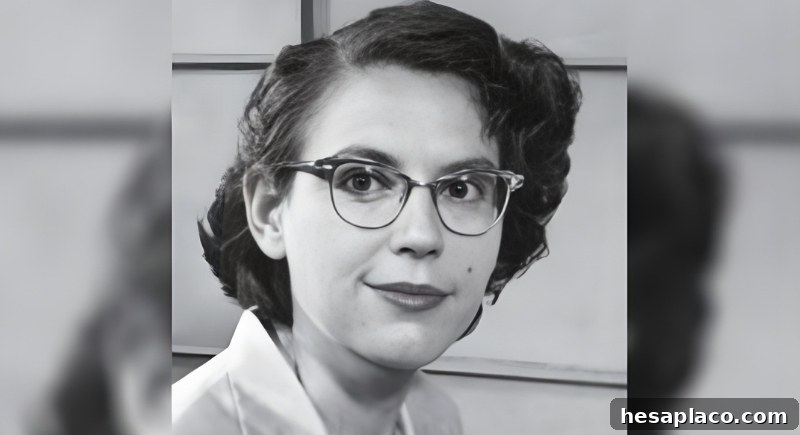
Credit: Wikimedia Commons
In the 1950s, Mary Sherman Morgan was the only woman among 900 engineers at North American Aviation’s Rocketdyne Division. Without a college degree, she rose to become a technical lead on one of America’s most urgent projects. Morgan formulated Hydyne, the high-energy propellant that powered the Jupiter-C rocket which launched Explorer 1, America’s first successful satellite, into orbit in 1958. Her contribution is a reminder that vital breakthroughs sometimes come from people whose stories remain little known.
Marie Van Brittan Brown
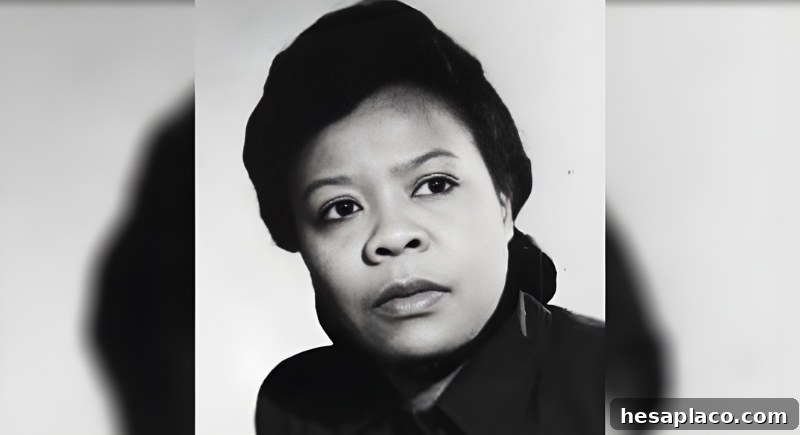
Credit: Youtube
Frustrated by slow police response times and rising crime in her Queens neighborhood, Marie Van Brittan Brown devised a home security system in 1966. Working with her husband, she installed peepholes and a movable camera that transmitted images to a monitor inside the house. A two-way microphone enabled conversation, while remote controls could sound an alarm or unlock the door. Her invention is widely regarded as a precursor to modern video doorbells and home surveillance systems, demonstrating how practical solutions to local problems can have long-lasting influence.
Jeanne L. Crews
Credit: pixabay
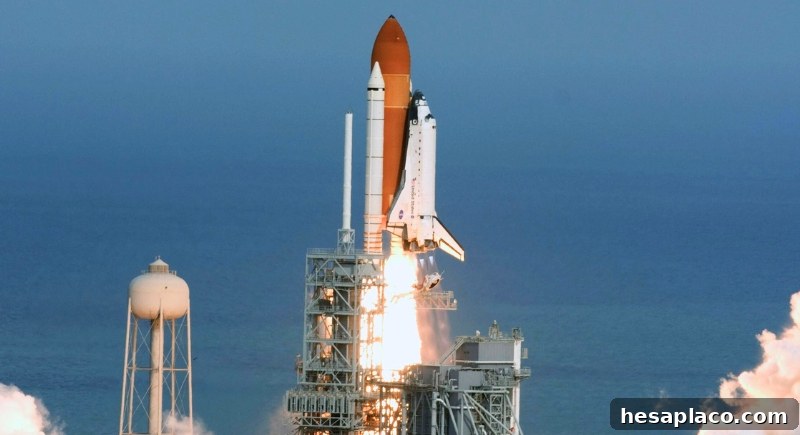
Jeanne L. Crews joined NASA as an engineer in 1964 at a time when few women worked in the agency’s technical ranks. NASA faced a serious challenge: spacecraft and their components were vulnerable to damage from micrometeoroids and orbital debris. Crews experimented with Nextel, a ceramic fabric, and developed a multi-layer shielding system that disperses and absorbs impact energy, protecting spacecraft and crew. Her work significantly improved the safety and durability of spacecraft used in later missions.
Patricia Bath
Credit: Wikimedia Commons
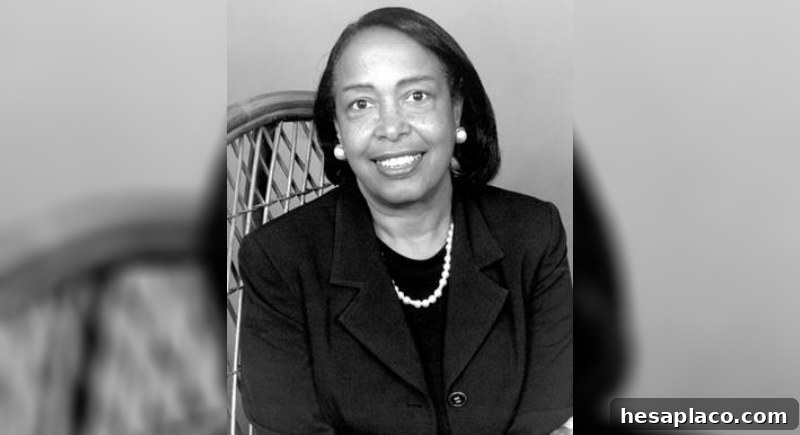
Ophthalmologist Patricia Bath saw that blindness disproportionately affected underserved communities and dedicated her career to changing that. In 1981 she invented the Laserphaco Probe, a device that uses a laser to break up cataracts precisely and quickly, allowing surgeons to remove the fragments and implant replacement lenses. Bath became the first African American woman physician to receive a medical patent. Her innovation sped up cataract surgery, reduced complications, and expanded access to sight-restoring care around the world.
Jeanne Villepreux-Power
Credit: Wikimedia Commons
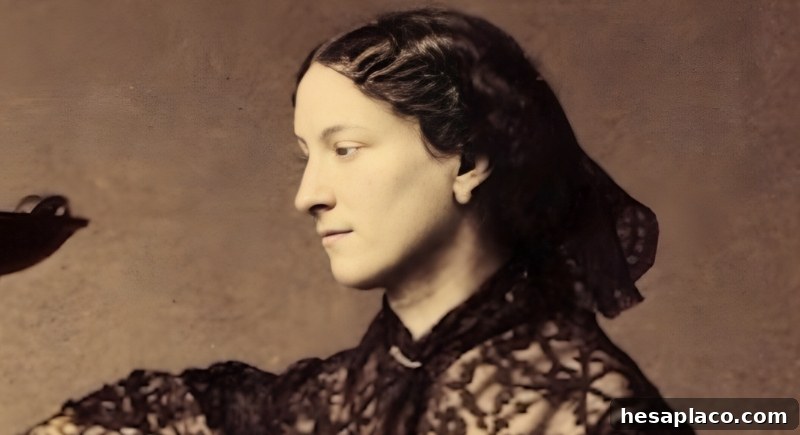
In the early 19th century, many naturalists believed the paper nautilus acquired its shell from other organisms. French naturalist Jeanne Villepreux-Power, living in Sicily, built the first glass aquarium to observe marine life under controlled conditions. Her observations showed that the paper nautilus secretes and grows its own shell. She later developed additional aquarium designs to study creatures at different depths. From the 1830s onward, her meticulous work earned her membership in multiple European scientific academies and helped establish experimental methods in marine biology.
Hedy Lamarr
Credit: Wikimedia Commons
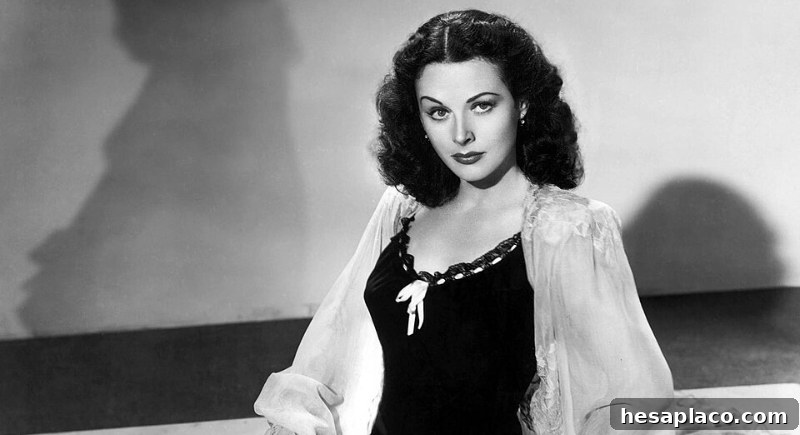
Famous as a glamorous Hollywood actress, Hedy Lamarr was also an inventive mind who worked on technologies that later influenced GPS, Bluetooth, and Wi-Fi. During World War II she partnered with composer George Antheil to develop frequency-hopping spread spectrum communication, intended to prevent enemies from jamming radio-controlled torpedoes. Though the idea wasn’t immediately adopted for military use, the concept of frequency hopping became an important foundation for secure and resilient wireless communications used decades later.
Margaret E. Knight
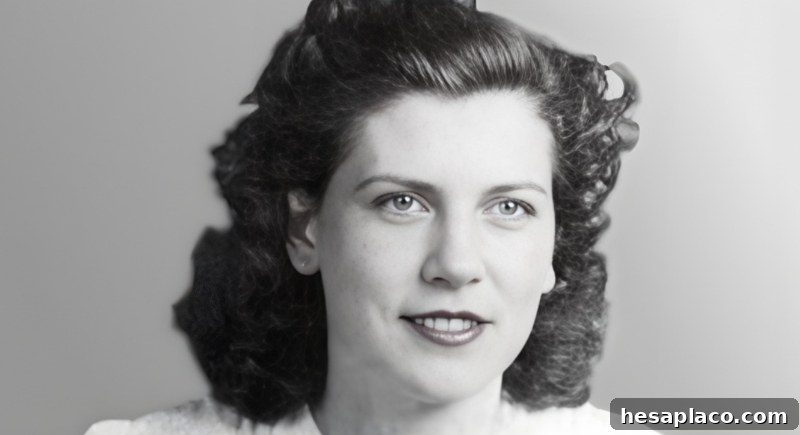
Credit: LinkedIn
The familiar flat-bottomed paper bag was made practical by Margaret E. Knight, who engineered a machine that cut, folded, and glued paper into sturdy square-bottom bags that could stand upright. When a man attempted to patent the design after seeing her invention, Knight fought the claim in court. She proved the idea was hers by presenting detailed models and drawings and won the patent. Over her career she designed more than 100 machines and secured about 20 patents, leaving a lasting mark on manufacturing and packaging.
Maria Beasley
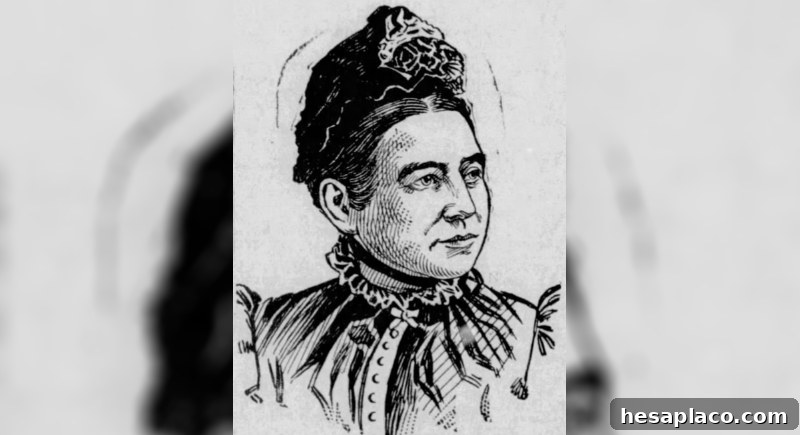
Credit: Wikimedia Commons
Inventor and entrepreneur Maria Beasley achieved notable commercial success in an era when most women had limited economic opportunities. Her barrel-making machine generated substantial income, and she developed at least 15 marketable inventions. Among her most impactful designs was an improved life raft that folded for storage and quickly deployed in emergencies, including protective rails—features that improved safety for sailors and passengers and influenced subsequent lifeboat design.
Marion Donovan
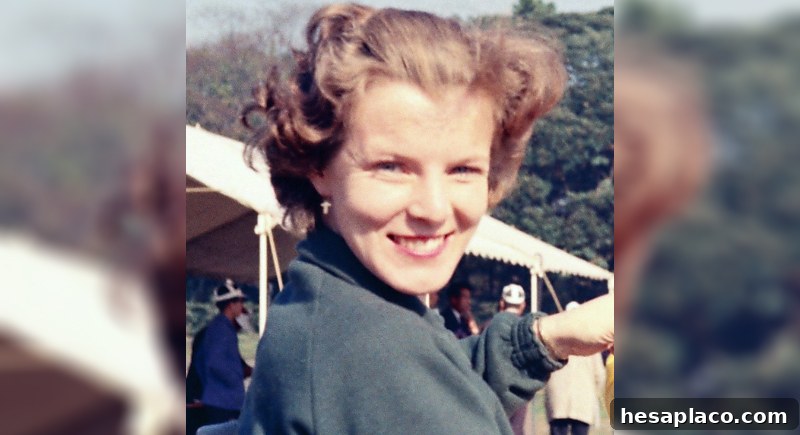
Credit: Wikimedia Commons
When Marion Donovan became a new mother in the 1940s, she was tired of constantly washing soaked bed sheets and cloth diapers. At the time, diapers lacked waterproof covers, so she made a solution by sewing a waterproof cover from a shower curtain. After facing rejection from manufacturers, she arranged production herself and sold the covers through upscale retailers. Her business success culminated in the sale of her patents to Keko Corporation for $1 million, and her innovations helped pave the way for modern disposable diaper systems and improved convenience for parents.