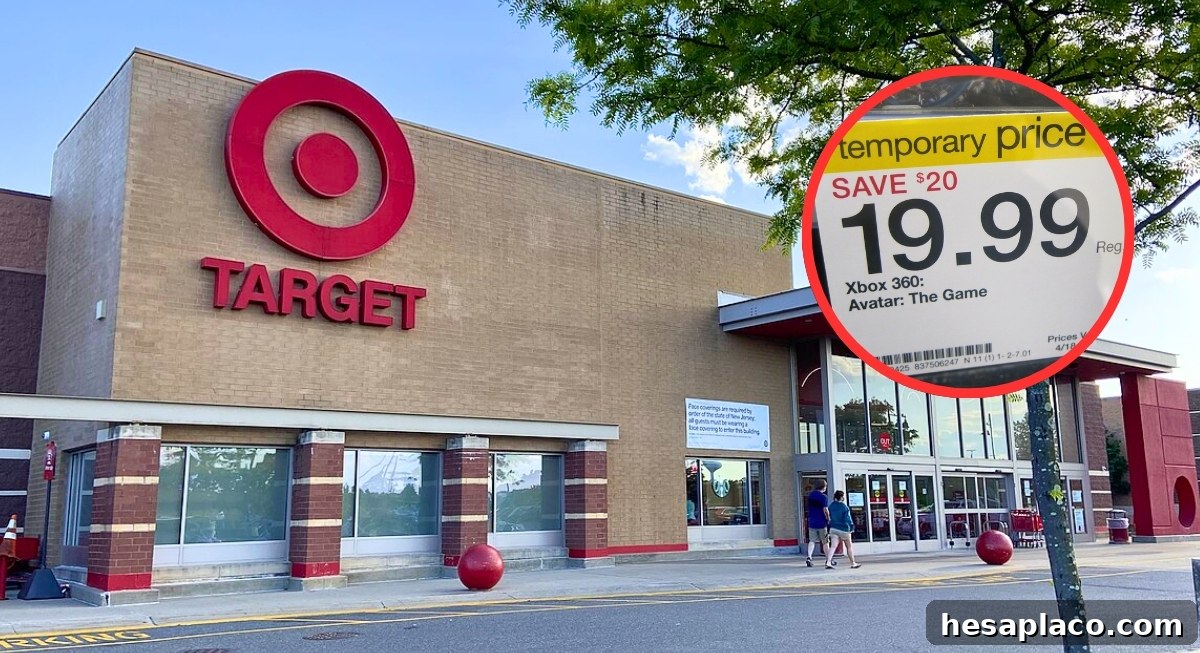
Most Target runs are fast and full of distractions, but paying attention to price tags can reveal consistent patterns that help you shop smarter. Those small numbers aren’t random; they follow a system that signals where an item is in the markdown cycle so you can better time purchases and avoid overspending.
Prices Ending in .04 Mean That’s as Low as It Gets

Credit: Getty Images
If a price ends in .04, that generally indicates the item has reached its final markdown. It’s Target’s cue that the price won’t go any lower while the product remains on the shelf. Shoppers hunting for the steepest discounts should watch for this unusual ending, because it often represents the deepest clearance price.
A .06 or .08 Ending Suggests One More Drop Might Be Coming

Credit: pexels
Items priced with .06 or .08 endings are typically mid-cycle markdowns. They’ve been discounted but may not be at their final price yet. Target often reviews and reduces prices every two weeks, so if store stock remains plentiful and you can wait, another markdown could arrive within a couple of weeks.
The .09 Price? That’s Full Price, No Discount Yet
Credit: Getty Images
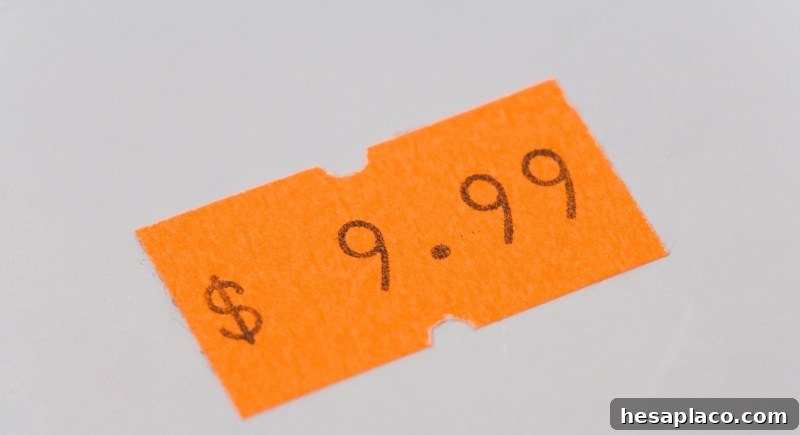
When a price ends in .09, it usually reflects standard retail pricing—no markdown has started. These tags represent the baseline price before clearance activity begins. Some items may stay at .09 for weeks, but seasonal or overstocked merchandise is more likely to enter the markdown cycle later.
The Discount Percentage Is Right on the Tag
Credit: Reddit
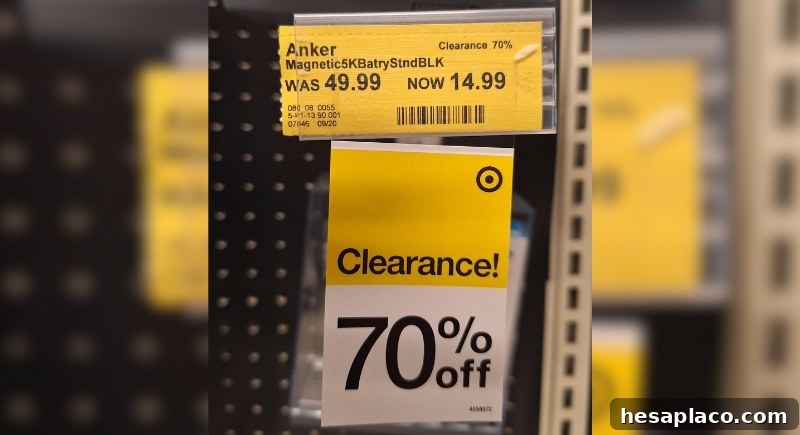
Red clearance tags often show a small number in the upper-right corner—15, 30, 50, or 70—indicating the percentage off the original price. That visual cue helps you quickly gauge where an item sits in Target’s markdown cycle: the higher the percentage, the closer the item is to its final clearance price.
Clearance Happens in Two-Week Cycles
Credit: Facebook
Target generally follows a two-week markdown rhythm. Once an item receives its first discount, it’s typically reviewed again after about two weeks. If it hasn’t sold through, the price is usually reduced further. Tracking an item over time can pay off if you’re willing to wait—and if it doesn’t sell out first.
Seasonal Items Drop Fast and Hard
Credit: Facebook
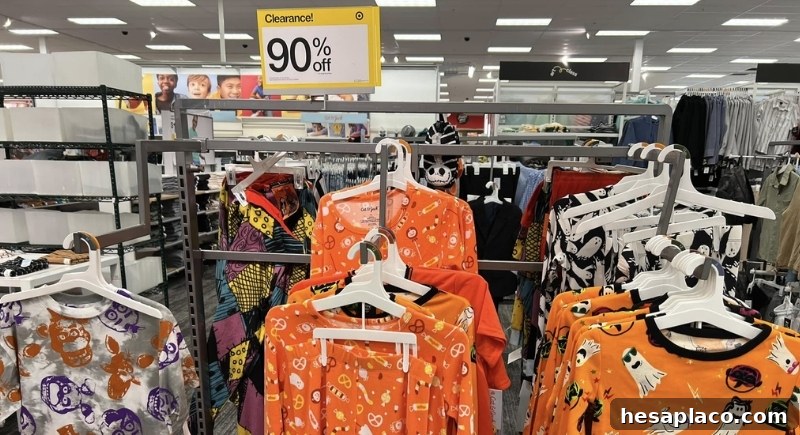
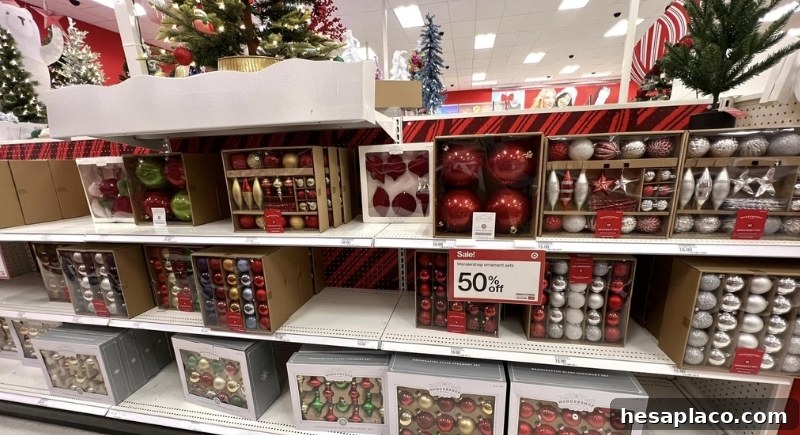
Seasonal merchandise moves quickly through markdown stages. After holidays like Christmas, Halloween, or Valentine’s Day, Target often reduces prices aggressively—commonly starting around 50% off and reaching 70% or even 90% within days. These items rarely linger, so the best deals require quick attention.
Missed a Sale? Bring Your Receipt Back
Credit: Instagram
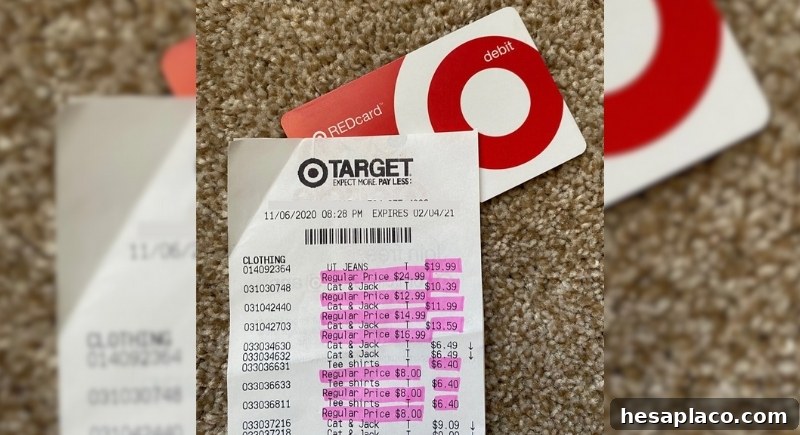
If you purchased an item and it goes on clearance within 14 days, bring your receipt back—Target typically honors the lower price. This price adjustment policy can soften the sting of missing a sale and ensures you still benefit if the item is reduced shortly after purchase.
Price Tags Often Include the Original Price in Small Print
Credit: Reddit
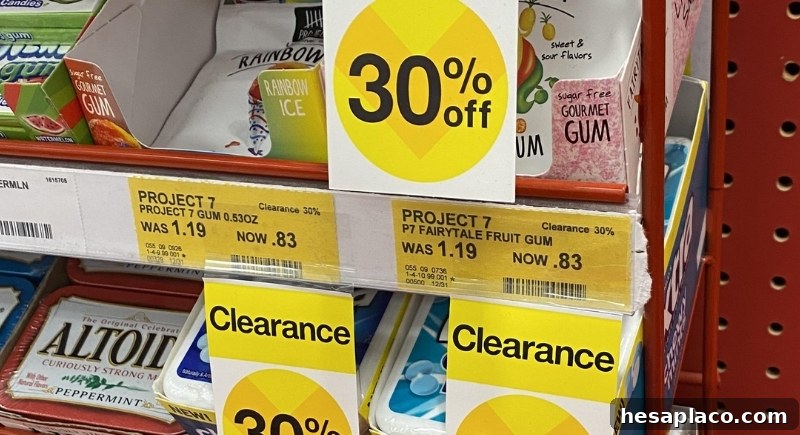
Many clearance tags show the original retail price in small print, often in the bottom-left corner. Comparing that number with the current price and the displayed discount percentage helps you confirm whether the sale is meaningful or if it might be worth waiting for a deeper cut.
Markdowns Vary by Department, Day by Day

Credit Aflo Images
Target staggers markdowns by department across the week. Different categories are updated on different days—baby gear and electronics one day, home decor another—so shopping on the day your desired department typically resets increases the chance of spotting new price changes as they occur.
Inventory Levels Can Predict Future Discounts

Credit: pexels
Inventory on the shelf offers clues about future price moves. If a product is heavily stocked and has already been discounted once, it’s more likely to be marked down again. Conversely, limited remaining quantities can sell out before reaching the next discount level. Use shelf levels as a guide when deciding whether to buy now or wait.
By learning to read these signals—price endings, percentage markers, department schedules, and inventory—you can shop Target more strategically. A little patience and observation can lead to significantly better deals without any guesswork.