
Turning 50 brings more than a refined taste in wine and an appreciation for naps—it also unlocks several tax advantages meant to make saving for and entering retirement easier. These benefits can lower taxable income, increase retirement savings, and help stretch retirement dollars further.
Below is a clear, SEO-optimized overview of the key tax benefits Americans aged 50 and older should know about, based on current IRS guidance and mainstream financial planning practices.
Increased Standard Deduction

Credit: Alexander’s Images
The standard deduction increases for older taxpayers, reducing taxable income for those who do not itemize. For the 2025 tax year, taxpayers who are age 65 or older and/or blind qualify for an additional standard deduction—$1,950 for single filers, heads of household, and qualifying surviving spouses, and $1,600 for each spouse filing jointly or separately. If a taxpayer is both age 65 or older and blind, the additional amount is doubled. This boosted deduction can be a meaningful tax break for many older taxpayers.
Catch-Up Contributions to Retirement Accounts
Credit: Getty Images
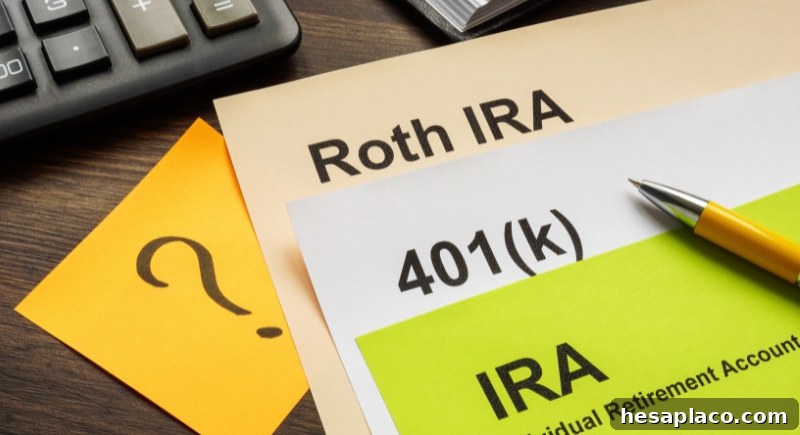
Once you reach age 50, you can make catch-up contributions to retirement accounts to accelerate savings. For 2026, the catch-up contribution for IRAs remains $1,000, while the 401(k) catch-up limit is $7,500. Additionally, individuals age 60–63 may qualify for higher “super” catch-up limits on certain employer plans, allowing significantly larger tax-deferred contributions as retirement nears.
Penalty-Free Withdrawals at Age 59½

Credit: studioroman
Withdrawals from traditional IRAs and most employer plans taken before age 59½ are typically subject to a 10% early withdrawal penalty. After you reach 59½, withdrawals generally avoid that penalty. Roth IRAs can provide tax-free qualified distributions if the account has been open for at least five years and withdrawals occur after age 59½.
Tax Counseling for the Elderly (TCE)

Credit: Canva
The IRS’s Tax Counseling for the Elderly (TCE) program offers free help to taxpayers age 60 and older. Often staffed by volunteers, the program focuses on retirement-related tax issues such as pensions, distributions, and benefit-related questions. TCE can be especially useful during tax season for seniors adjusting to changes in income or benefits.
Credit for the Elderly or the Disabled

Credit: Canva
Taxpayers who are age 65 or older, or permanently and totally disabled, may qualify for the Credit for the Elderly or the Disabled if they meet income thresholds and other requirements. The available credit amount can range within established limits and may provide a useful offset for lower-income seniors.
Medical Expense Deduction

Credit: Canva
Taxpayers may deduct qualified medical expenses that exceed 7.5% of adjusted gross income (AGI). Since healthcare costs often rise with age, this deduction can be particularly valuable to those over 50. Keep thorough records of medical bills, receipts, insurance premiums, prescriptions, and travel related to medical care to support any deduction.
Health Savings Account (HSA) Contributions

Credit: zimmytws’s Images
With a qualifying high-deductible health plan, you can contribute to an HSA. Contributions are tax-deductible, growth is tax-free, and withdrawals for qualified medical expenses are tax-free. Individuals age 55 and older may make additional catch-up HSA contributions; for 2025 the catch-up amount was $1,000. HSAs remain a powerful tax-advantaged tool for healthcare cost planning in retirement.
Qualified Charitable Distributions (QCDs)

Credit: studioroman
Taxpayers age 70½ and older can make direct transfers from traditional IRAs to qualified charities, known as Qualified Charitable Distributions (QCDs). Up to $100,000 per year can be transferred directly to charities and excluded from taxable income. QCDs can also count toward satisfying required minimum distributions (RMDs), offering a tax-efficient way to support charities while reducing taxable income.
Taxation of Social Security Benefits

Credit: Getty Images
Social Security benefits can be taxable depending on combined income. In many cases a portion of benefits may be tax-free; careful planning of withdrawals, other income sources, and timing can reduce the taxable portion of Social Security benefits.
Contributing to Retirement Accounts After Retirement

Credit: Getty Images
Retirement does not automatically end the ability to save. If you continue to earn income from part-time work, consulting, or other sources, you may still be eligible to contribute to a traditional or Roth IRA, subject to income and contribution limits. Continued contributions can provide additional tax deferral or tax-free growth depending on account type.
Saver’s Credit

Credit: Getty Images
Low- and moderate-income taxpayers who contribute to an IRA or employer-sponsored retirement plan may qualify for the Saver’s Credit. If you meet the income thresholds and other requirements, the credit can offset a portion of retirement contributions. Eligibility and the credit percentage depend on adjusted gross income and filing status, and the maximum contribution considered for the credit is limited by IRS rules.
Estate Planning Benefits

Credit: DragonImages
Although estate planning is not an income tax benefit, it can substantially reduce future tax burdens for heirs. For 2026, the annual gift tax exclusion increased, allowing taxpayers to give a larger amount per recipient without using lifetime exemption. Because the federal lifetime estate and gift tax exemption is subject to change in coming years, many older taxpayers are advised to consult a professional about locking in current estate planning strategies.
Long-Term Care Insurance Premiums

Credit: Getty Images
Qualified long-term care insurance premiums may be deductible as medical expenses, subject to age-based limits set by the IRS. The deductible cap increases with age, making this a potentially helpful deduction for older taxpayers who itemize and face significant long-term care costs.
Home Sale Exclusion

Credit: Andy Dean Photography
Selling a primary residence can qualify for a capital gain exclusion if ownership and use tests are met. Homeowners who have lived in and owned their primary residence for at least two of the five years before the sale may exclude up to $250,000 of gain for single filers or $500,000 for married couples filing jointly. This exclusion is often useful for retirees downsizing or relocating.
State and Local Tax (SALT) Deduction

Credit: Getty Images
The SALT deduction lets taxpayers deduct certain state and local taxes, including income and property taxes, but is currently capped at $10,000. For older homeowners in high-tax states, the SALT deduction can still reduce taxable income when itemizing deductions.
Higher Catch-Up Limits for Ages 60–63

Credit: Getty Images
Taxpayers aged 60 through 63 can benefit from higher catch-up contribution limits in some employer-sponsored plans, enabling them to make larger additional contributions beyond standard catch-up amounts. This opportunity helps maximize tax-deferred savings in the final years before retirement.
Rule of 55 for Employer Plans

Credit: Canva
The Rule of 55 permits individuals who leave employment in the year they turn 55 or later to take distributions from the current employer’s 401(k) or 403(b) without incurring the usual 10% early withdrawal penalty. This exception can provide important flexibility for those who retire or change jobs around age 55.
As with any tax topic, individual circumstances vary. Consider consulting a qualified tax professional or financial advisor to confirm eligibility, apply limits correctly, and design a strategy that fits your retirement goals.