
Managing your finances wisely is crucial for building long-term wealth, yet many people waste money on expenses that add little lasting value. Some purchases may seem harmless at first but gradually erode savings over time. Cutting unnecessary costs can free up funds for investments, emergency savings, debt repayment, or other financial priorities that genuinely improve your future.
Expensive Gym Memberships

Credit: Getty Images
Paying for a gym you rarely use is a common financial leak. Many enroll with good intentions but never follow through. You can maintain fitness without an expensive membership by using free online workouts, running or walking outdoors, or doing bodyweight exercises at home. If you do prefer a gym, choose one that fits your routine and budget—cancel unused memberships promptly.
Overpriced Pet Food

Credit: Canva
High-end pet food is heavily marketed, but premium labels don’t always translate into better nutrition. For most pets, well-balanced, affordable options provide the necessary nutrients without the steep price tag. Consult your veterinarian for recommendations, and consider switching to less expensive brands if they meet your pet’s dietary needs.
Name-Brand Cleaning Products

Credit: Getty Images
Branded cleaners often come with premium prices despite similar performance to generic alternatives. Common household ingredients like white vinegar, baking soda, and lemon can make effective and inexpensive cleaning solutions. Switching to generic or DIY cleaners can reduce costs without sacrificing cleanliness.
Trendy, Expensive Fashion

Credit: Getty Images
Fast fashion and designer labels can be tempting, but trendy items are often poorly made and quickly go out of style. Instead of paying high prices for name-brand pieces, consider buying from smaller, durable brands, shopping secondhand, or investing in timeless staples that last longer and offer better value per wear.
Upgrading Gadgets Every Year

Credit: Getty Images
Buying the newest phone or tablet annually rarely delivers enough benefit to justify the cost. Year-over-year improvements are often incremental, and older models can perform satisfactorily for most users. Extend the life of your devices by maintaining them well and considering mid-cycle upgrades only when necessary.
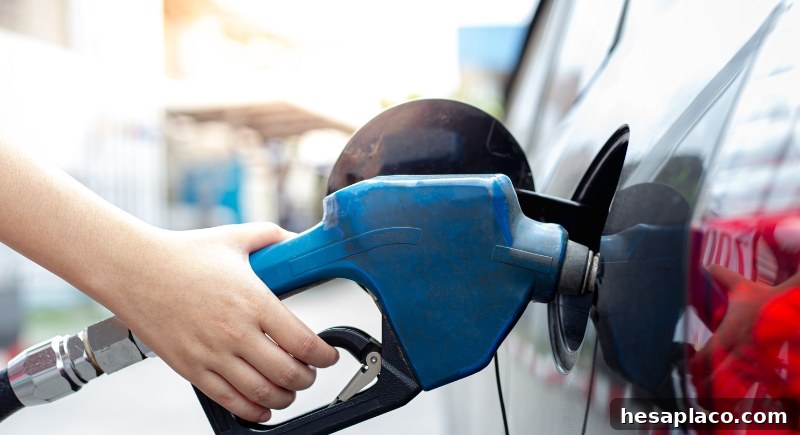
Premium Gas for Regular Cars
Credit: Canva
Many drivers spend extra on premium gasoline even when their vehicle doesn’t require it. For most modern engines, regular unleaded provides sufficient performance and protection. Check your owner’s manual and use premium only if your car specifies it, saving a noticeable amount over time.
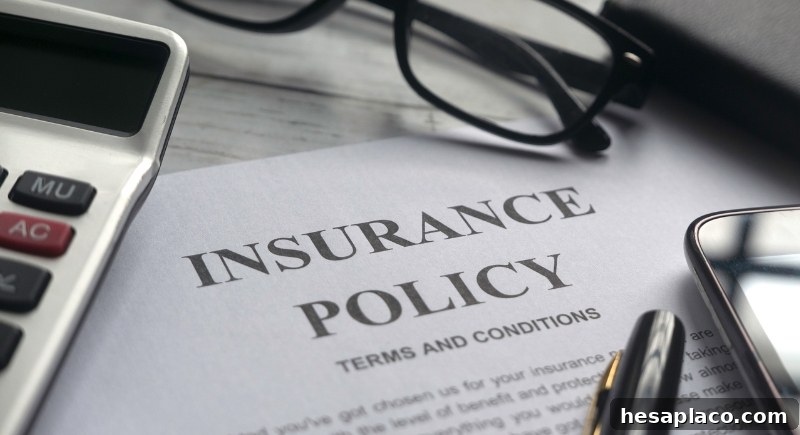
Unnecessary Insurance Policies
Credit: Getty Images
Extra insurance features—like identity-theft plans, collision coverage on an older car, or frequent travel policies—can be unnecessary for many. Review your policies regularly and weigh the cost against the real risk. In some cases, building an emergency fund to self-insure small losses is a more economical choice.
Prepaid Subscriptions You Don’t Use

Credit: Canva
Subscriptions for streaming, meal kits, or software can quietly accumulate into significant monthly expenses. Try free trials and only commit if you use the service regularly. Periodically audit your subscriptions and cancel those that no longer add value.
Bank Fees

Credit: pexels
Monthly maintenance fees, ATM surcharges, and other small banking charges can add up quickly. Many banks offer no-fee checking or accounts with minimal costs. Shop for better banking terms, consolidate accounts, or switch to institutions that align with your financial habits to stop unnecessary fee drain.
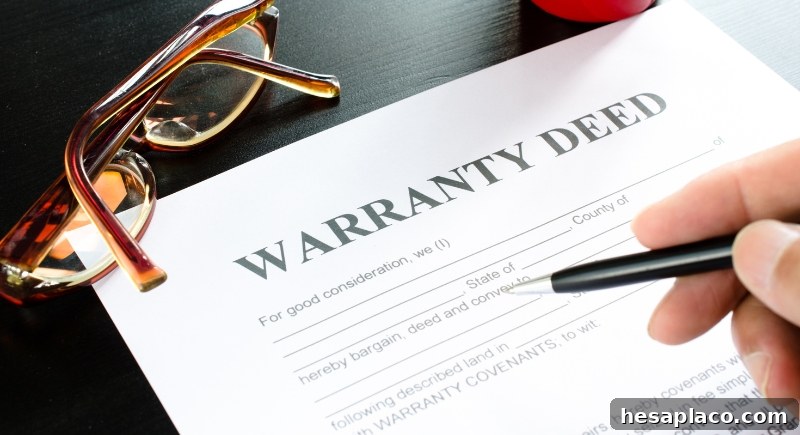
Extended Warranties You Don’t Need
Credit: Getty Images
Retailers often push extended warranties on electronics and appliances, but these add-on plans rarely pay off. Most products are covered by the manufacturer’s warranty, and many repairs after that period are cheaper to handle out of pocket than the cost of the extended plan. Assess the odds and repair costs before buying extra coverage.
Expensive Alcohol at Bars

Credit: Canva
Paying $10 or more for a single drink at a bar adds up fast. The premium often covers ambiance and service rather than the beverage itself. To save, host gatherings at home, choose less expensive drinks when out, or enjoy happy hour specials that reduce the per-drink cost.
Excessive Airline Fees

Credit: pexels
Airlines often charge extra for seat selection, checked bags, priority boarding, and other add-ons. These fees can inflate the true cost of travel. Compare fares that include necessary services or factor in budget carriers and pack light to avoid checked bag fees. Planning ahead can reduce surprises at checkout.
Gambling Habits That Burn Cash

Credit: pexels
Gambling can be entertaining but is a poor long-term financial strategy because the odds favor the house. Lottery tickets, slot machines, and frequent betting are likely to drain funds over time. Redirect money spent on gambling into savings or investments to achieve more reliable financial growth.
Expensive Meals That Aren’t Special

Credit: pexels
Dining out at high-end restaurants can be a rewarding experience, but splurging on overpriced dishes that don’t offer unique value is avoidable. Many restaurants charge a premium for ambiance and presentation. Save money by reserving special meals for true celebrations and choosing everyday dining options that taste great without the hefty price.
Constantly Replacing Household Items

Credit: pexels
Buying cheap household goods often leads to frequent replacements and higher long-term costs. Instead of repeatedly replacing low-quality items, invest in durable furniture, reliable kitchen tools, and quality textiles. Paying more upfront for longevity can lower lifetime expenses and reduce waste.
Premium Bottled Water

Credit: Getty Images
Buying expensive bottled water for everyday use is rarely necessary. In many areas, filtered tap water is safe, tastes fine, and costs a tiny fraction of premium brands. Consider using a reusable bottle with a home filter to cut recurring costs and reduce plastic waste.
Digital Subscriptions for Forgotten Services

Credit: Getty Images
Small monthly charges for rarely used apps, cloud storage, or niche streaming services accumulate quickly. Regularly review your bank and card statements to identify forgotten subscriptions and cancel those you do not use. This simple habit can recover dozens or even hundreds of dollars each year.