
Retiring on Social Security alone can seem daunting until the numbers add up. The key is choosing communities where housing and everyday expenses remain predictable and affordable. The cities below each offer different advantages: low housing costs, reliable healthcare access, and active lifestyle options for retirees. Below is an overview of places where Social Security benefits can stretch further without sacrificing quality of life.
Bella Vista

Credit: Zillow
Bella Vista offers low monthly rents—averaging about $825—and a cost of living well below the national average. Median home prices near $375,000 help keep property taxes and mortgage payments manageable for retirees who buy. Its proximity to Bentonville provides access to hospitals and services without the higher prices found in larger cities, making it a practical option for seniors seeking both amenities and affordability.
Fayetteville
Credit: Getty Images
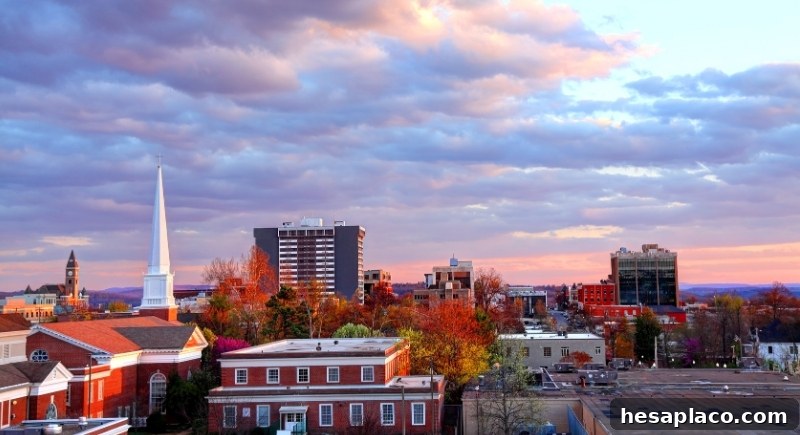
Fayetteville’s average rent of about $1,076 fits comfortably within many Social Security budgets. The city benefits from solid regional medical systems, ensuring dependable healthcare access, and its mix of residents and services keeps daily costs reasonable. Homebuyers will find median prices around $239,000—relatively low for a city within driving distance of larger metropolitan areas—making it attractive for retirees who want urban access without steep housing costs.
Winston-Salem
Credit: Getty Images
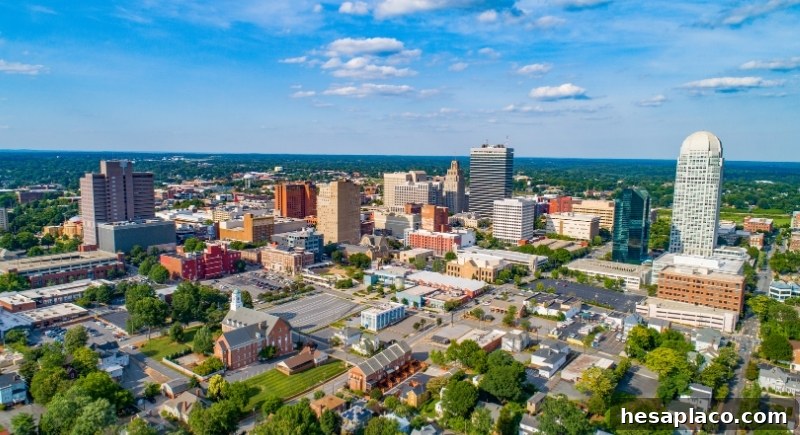
Winston-Salem pairs reasonable housing costs with strong medical infrastructure. Median home prices are near $293,000, and median rent sits around $1,394—affordable for many retirees who already own a home or downsize. The area’s mild winters help stabilize utility bills year-round, and established medical centers provide accessible care, making this city a solid choice for retirees prioritizing stability and services.
Pueblo

Credit: Wikimedia Commons
Pueblo’s overall cost of living is about 9% below the national average. Average rent is roughly $1,310, and lower transportation costs often offset housing expenses. The city’s layout and services keep healthcare within reach without forcing retirees into pricier metro housing. Median home prices around $254,600 make homeownership attainable for those looking to preserve monthly income.
Alamosa
Credit: Getty Images
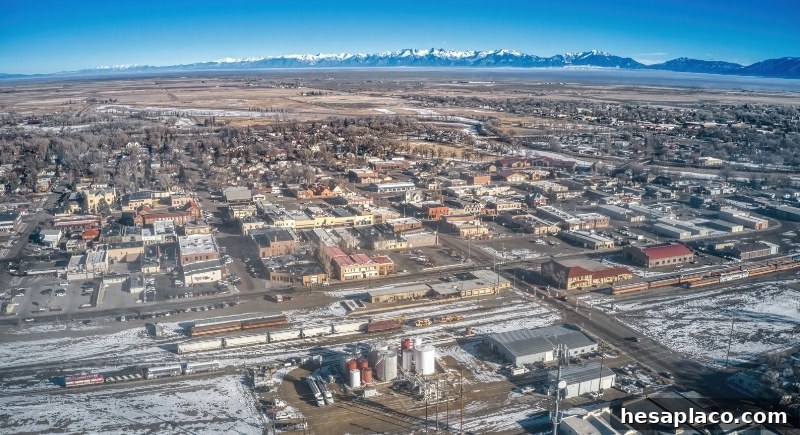
Affordability is central in Alamosa: average rent is near $958 and median home prices hover around $315,000. The cost of living is roughly 18% lower than the national average, which helps fixed-income households plan reliably. Winters can be colder—raising heating costs somewhat—but predictable grocery and housing expenses keep monthly budgets steady for retirees who prefer a quieter, more rural setting.
Elkhorn
Credit: Wikimedia Commons
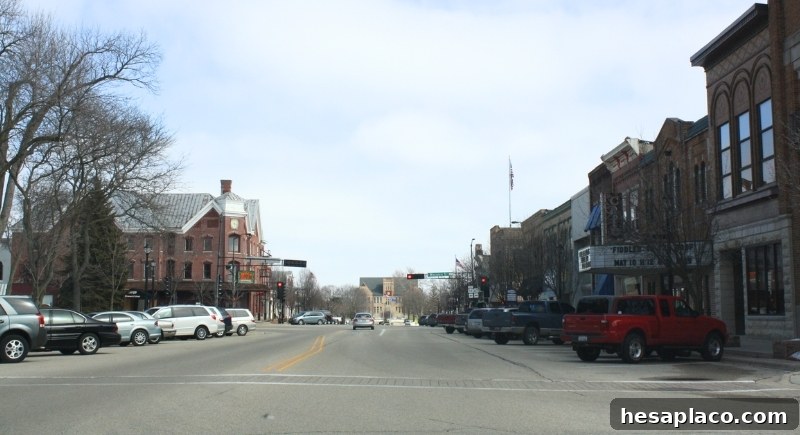
Elkhorn offers affordable access to Lake Geneva recreation without resort-level prices. One-bedroom rents generally range from $750 to $1,100, allowing Social Security to cover everyday expenses more comfortably. Median home prices around $342,500 keep mortgage payments reasonable for modest purchases, and the overall cost of living for single residents is notably lower than the national average.
Haltom City
Credit: Youtube
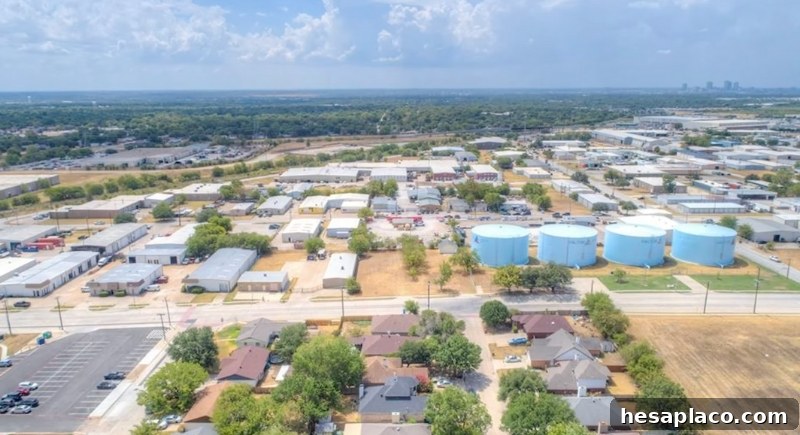
Haltom City benefits from proximity to Fort Worth, giving retirees access to major hospitals while allowing them to live in a lower-cost suburb. Texas’s lack of state income tax can reduce the tax burden on retirement income, including Social Security for many residents. Average home prices of about $289,500 and rents near $1,196 make this suburb a practical compromise between urban healthcare access and suburban affordability.
Sandusky
Credit: Wikimedia Commons
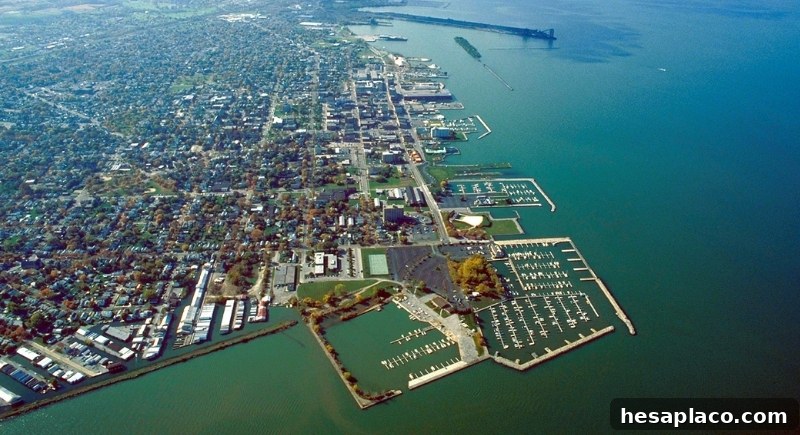
Waterfront access in Sandusky doesn’t automatically mean higher costs. Average monthly mortgage payments are about $809, and annual living expenses for many residents remain below $29,000. The city’s slower pace helps keep discretionary spending—and stress—low, while seasonal tourism supports local services without substantially driving up housing prices.
Frostburg
Credit: Wikimedia Commons
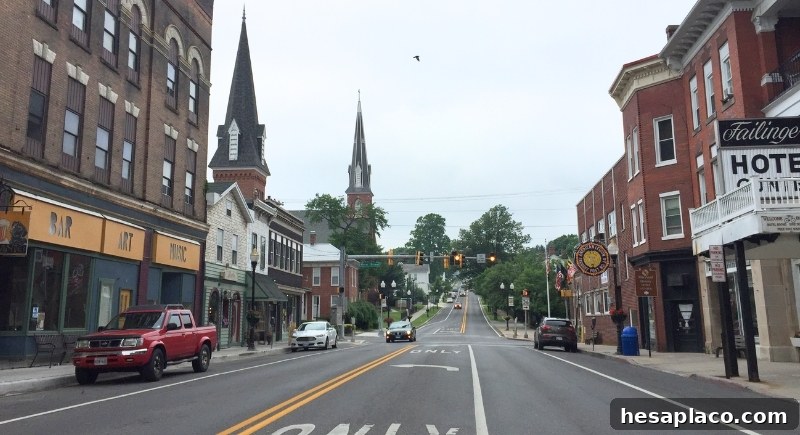
Frostburg appeals to retirees seeking stable, predictable expenses. Average monthly mortgage payments are about $981 and total annual living costs can stay under $32,000. The city scores well for safety and access to essentials, while nearby outdoor recreation offers low-cost ways to stay active—factors that contribute to a high livability score for older residents.
Homestead
Credit: Wikimedia Commons
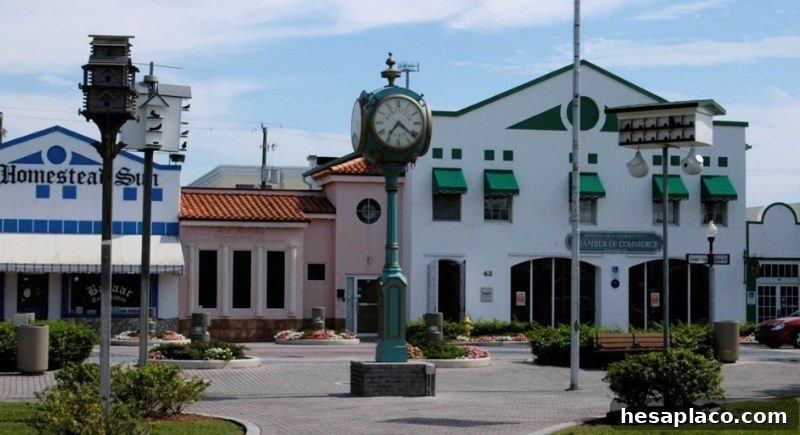
Homestead is one of the more budget-friendly options for retirees relying on Social Security. Average monthly mortgage costs are very low—around $448—and annual living expenses often fall below $28,000. With more than a quarter of the population aged 65 or older, senior services and community programs are well established. Pittsburgh’s proximity provides access to higher-level medical care when needed.
Choosing the right retirement location depends on individual priorities—proximity to family, climate preferences, or healthcare needs—but these towns share a common trait: predictable, lower-cost living that makes stretching Social Security possible without sacrificing access to essentials. When evaluating options, consider housing tenure (renting versus owning), local tax rules, and the availability of nearby healthcare services to ensure long-term financial stability and peace of mind.