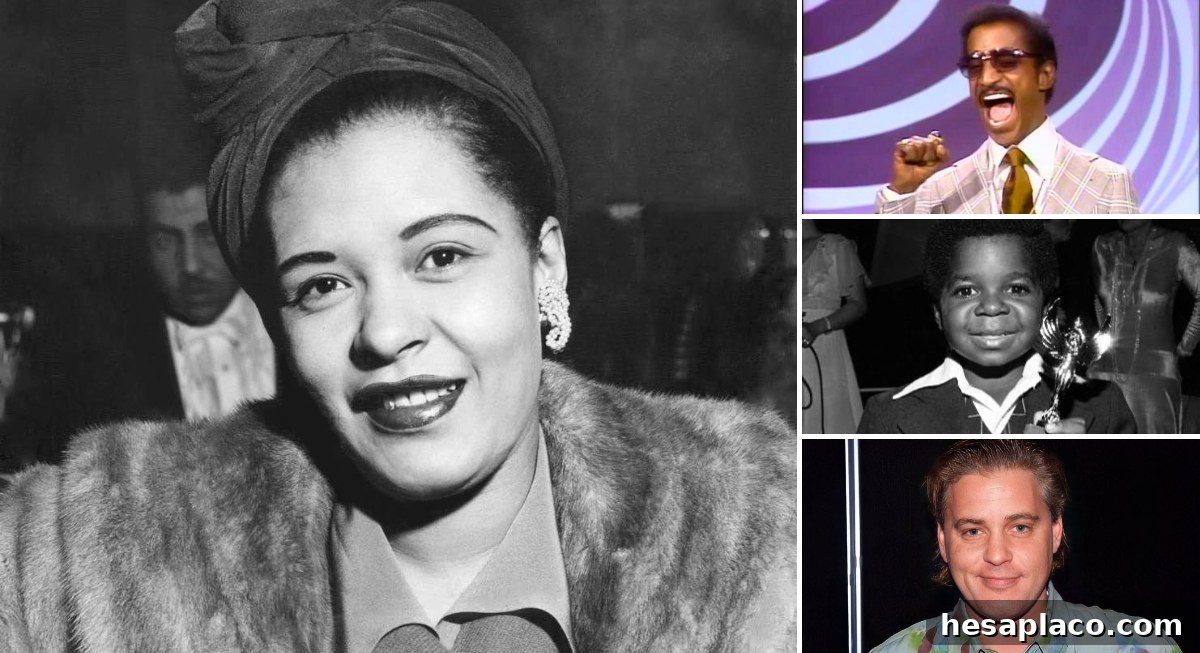
Fame often suggests wealth, but for many of history’s most celebrated figures, fortune vanished long before their deaths. Poor contracts, legal battles, addictions, betrayals, and reckless spending drained bank accounts and left estates struggling. Below are notable personalities whose cultural legacies outlived their financial fortunes.
This collection highlights famous names who left powerful legacies but little or nothing in the bank.
Michael Jackson
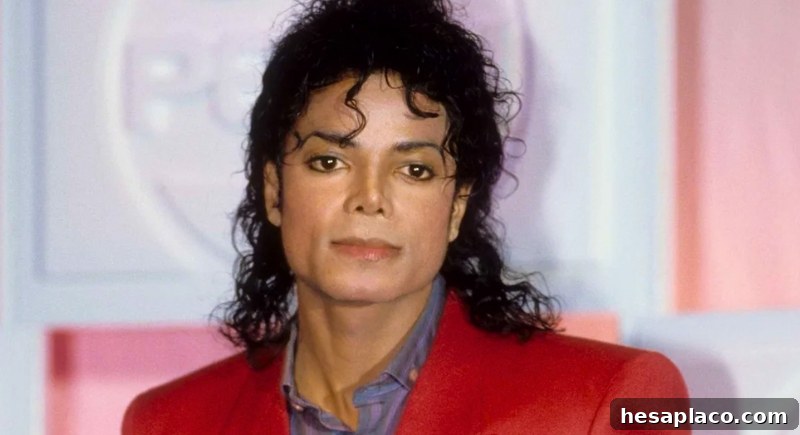
Credit: Reddit
Michael Jackson earned enormous sums across his career but was in deep debt by the time he died in 2009. A lavish lifestyle—multiple homes, exotic pets, and extensive security—combined with high legal fees and loans against future earnings left him owing hundreds of millions. His estate faced massive obligations almost immediately after his passing.
Marvin Gaye
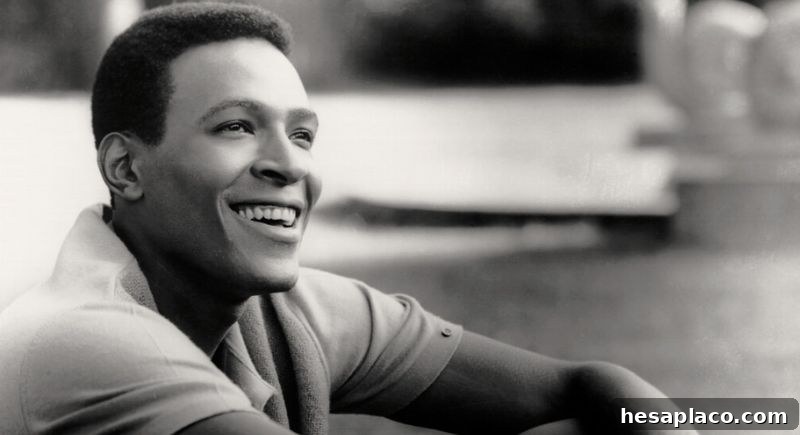
Credit: flickr
Marvin Gaye’s later years were marred by personal and financial turmoil. A bitter divorce, substance issues, and large tax debts forced him into bankruptcy during the 1970s. When he was killed in 1984, he still faced substantial unpaid liabilities; his estate only recovered some financial stability years later.
Judy Garland
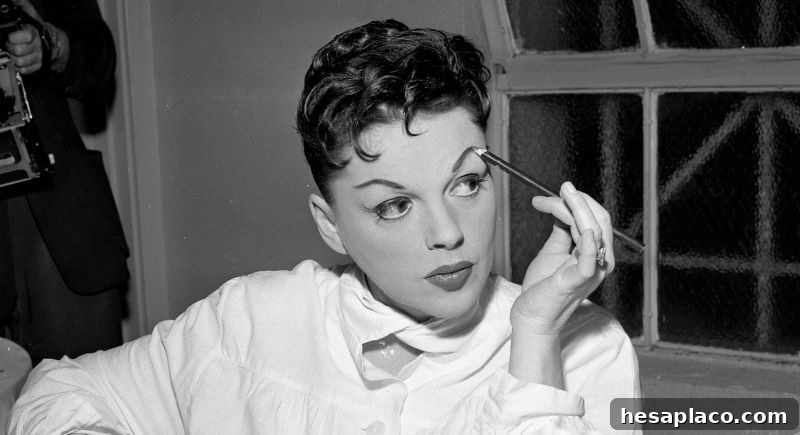
Credit: Wikimedia Commons
Judy Garland’s on-screen brilliance masked a difficult financial reality. Bound by restrictive studio contracts and exploited by managers and partners at times, she worked relentlessly but still accumulated debts. She died at 47 with significant unpaid obligations, including taxes that contributed to the estate’s strain.
Bela Lugosi
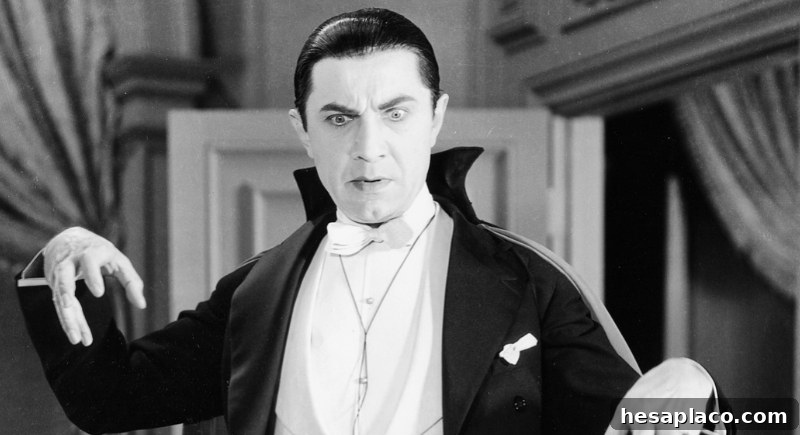
Credit: Instagram
After defining the iconic role of Dracula, Bela Lugosi struggled to find comparable work. Declining health and addiction problems limited his prospects, and he died in 1956 with very little money—reportedly less than $2,000. Friends and colleagues covered funeral arrangements.
Mickey Rooney
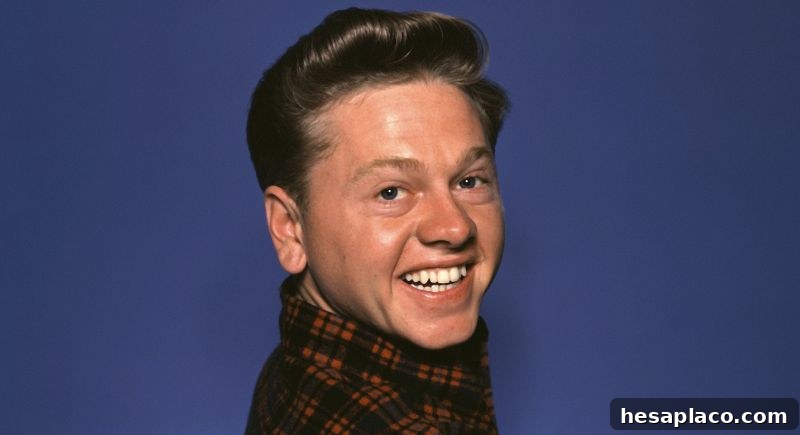
Credit: IMDb
Mickey Rooney enjoyed decades of success but later endured severe financial decline. Despite earning millions at his peak, mismanagement and exploitation by people close to him—including family members—left him with very limited assets later in life. He died in 2014 with only a modest sum to his name and spoke publicly about elder abuse before his death.
Corey Haim
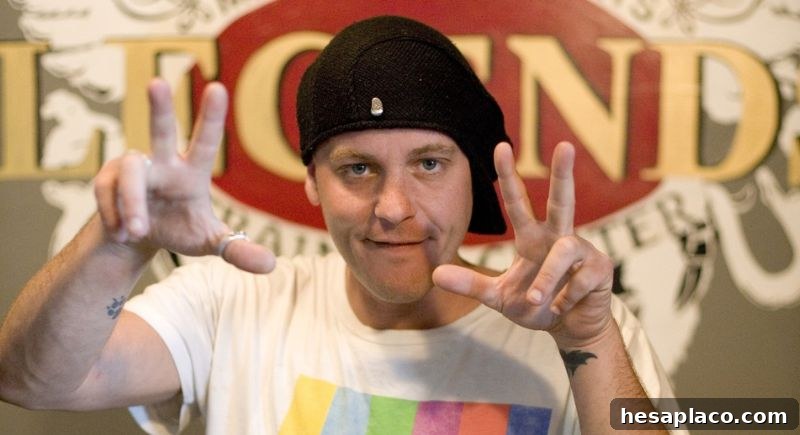
Credit: IMDb
1980s teen idol Corey Haim saw fame fade as addiction and unstable work took a toll on his finances. He declared bankruptcy in 1997 after depleting his resources and returned to living with family in later years. When he died in 2010, he had minimal assets left.
Sammy Davis Jr.
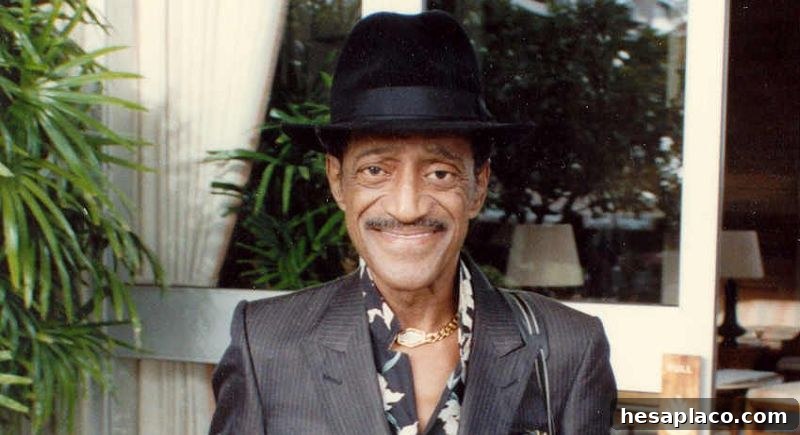
Credit: Wikimedia Commons
Sammy Davis Jr. dazzled audiences worldwide, but habitual gambling, extravagant spending, and unpaid taxes eroded his wealth. By his death in 1990 he faced multimillion-dollar tax debts; his widow later sold personal belongings to help satisfy outstanding obligations.
Gary Coleman
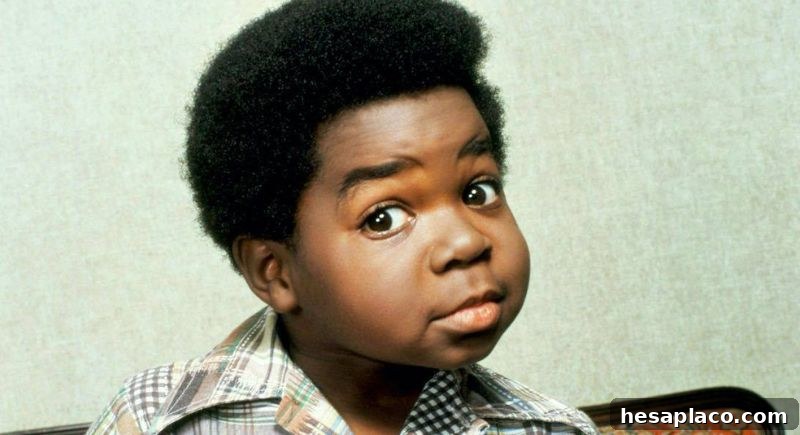
Credit: Facebook
Child star Gary Coleman earned significant income early on but suffered from poor financial management by guardians and advisors. He sued his parents and former managers and won damages, but long-term losses remained. Coleman filed for bankruptcy in 1999 and had only limited assets at the time of his death in 2010.
Joe Louis
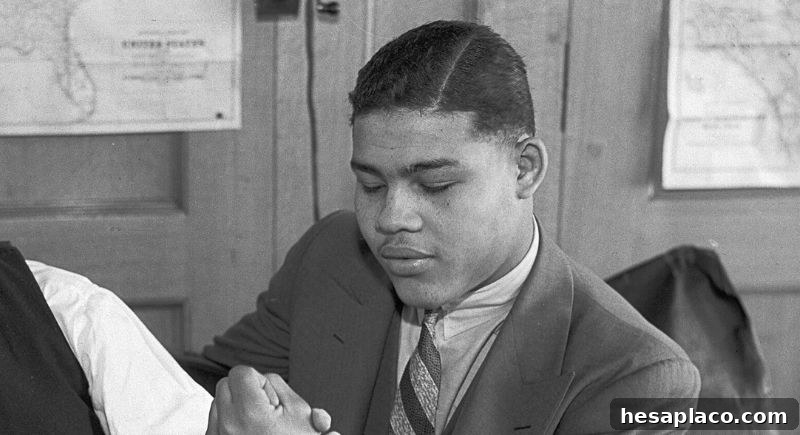
Credit: Wikimedia Commons
Boxing legend Joe Louis dominated in the ring but struggled financially afterward. Generous giving, insufficient oversight, and large tax liabilities—including more than $1 million owed to the IRS—left him dependent on friends and occasional work outside boxing. He died in 1981 with very limited means.
Vincent van Gogh
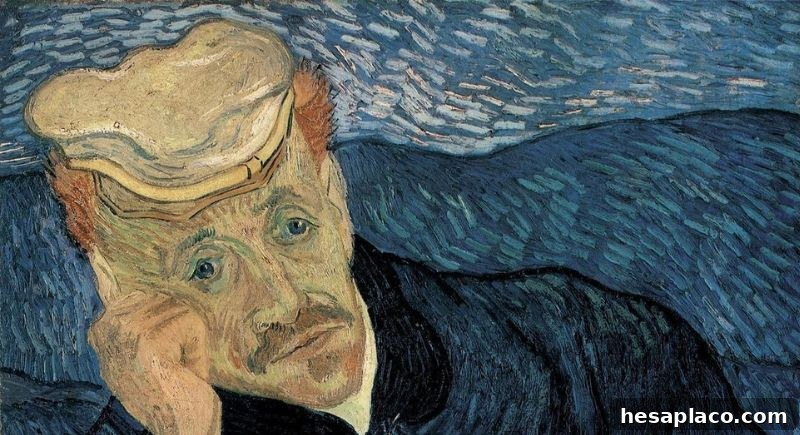
Credit: Facebook
Today Vincent van Gogh’s paintings command extraordinary prices, but during his life he sold very little. Financially supported by his brother Theo, van Gogh battled poverty and mental illness until his death in 1890. He passed away without money, unaware of the international reputation his work would eventually achieve.
Oscar Wilde
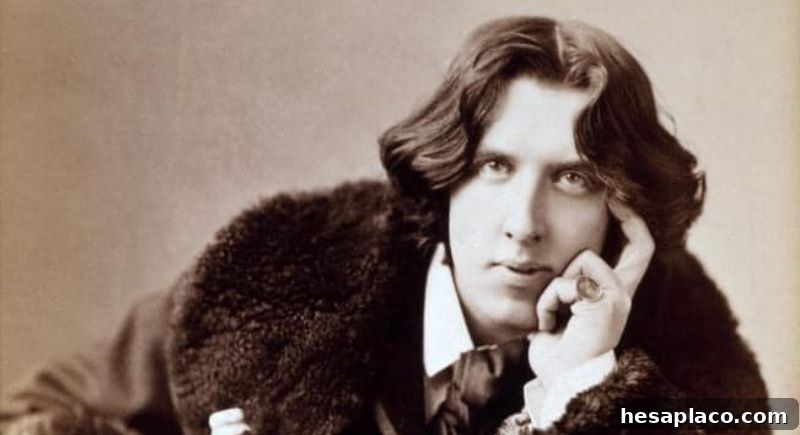
Credit: Facebook
Oscar Wilde enjoyed a lavish lifestyle that ultimately outpaced his finances. Extravagant spending on clothes, travel, and entertainment, combined with the legal and social fallout from his public trial and imprisonment, drained his resources. He spent his final years in Paris living modestly and died in 1900 essentially penniless.
Billie Holiday
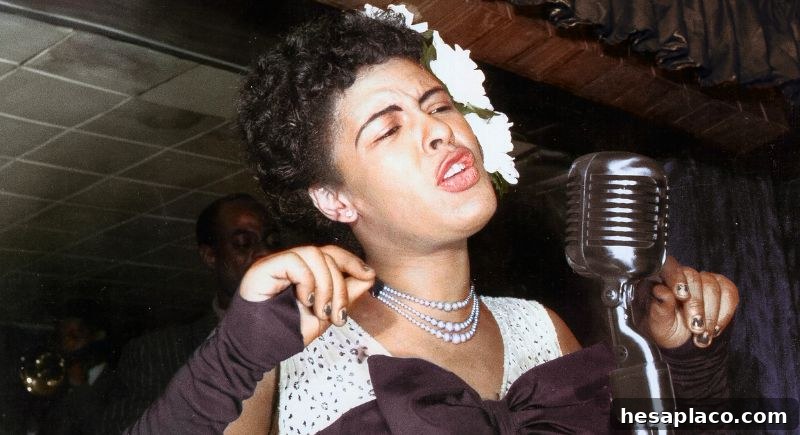
Credit: IMDb
Billie Holiday’s voice remains unforgettable, but her personal life was racked by addiction and abuse. Legal troubles and government action—including a frozen bank account—left her with almost no cash. When she died in 1959, reports say she had only 70 cents in her bank account and a small sum hidden on her person.
Barbara Hutton
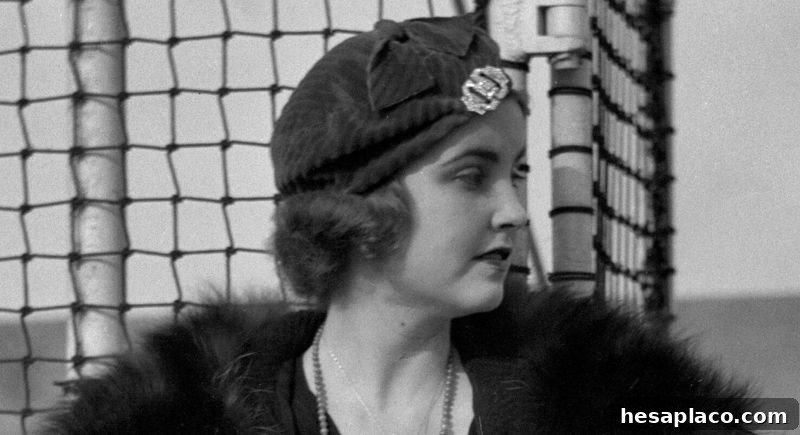
Credit: Wikimedia Commons
Heir to the Woolworth fortune, Barbara Hutton inherited massive wealth but also endured a turbulent personal life. Multiple marriages, unwise spending, and legal disputes gradually depleted her inheritance. By her death in 1979, much of the fortune had vanished, showing that great wealth does not guarantee personal security or happiness.
Kim Basinger
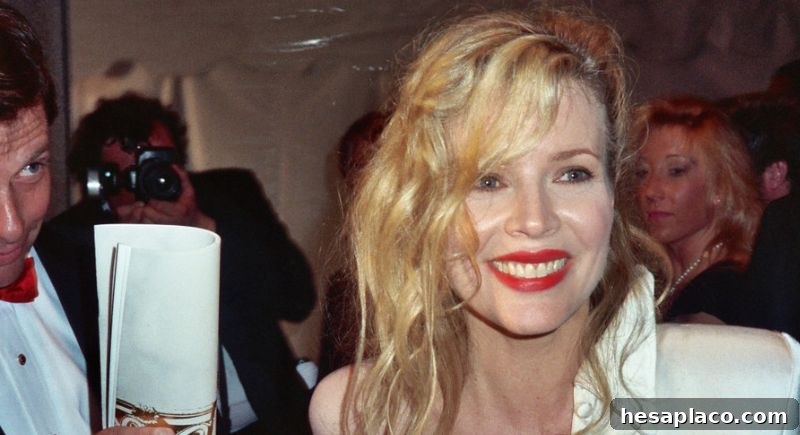
Credit: flickr
Kim Basinger’s career faced a major financial setback in the early 1990s when she purchased an entire town as an investment that failed to pay off. Later, she backed out of a film role and was sued, ultimately filing for bankruptcy in 1993. The episode threatened her career and finances but she eventually rebuilt her professional standing.
Toni Braxton

Credit: Instagram
Toni Braxton achieved global music success yet encountered prolonged financial difficulties. Medical expenses, unfavorable contracts, and business setbacks led her to file for bankruptcy twice. She has since spoken openly about how financial strain affected her emotionally and professionally while working to stabilize her finances.
Whitney Houston

Credit: Wikimedia Commons
Whitney Houston’s enormous commercial success masked serious personal and financial struggles in later life. Years of heavy spending, a tumultuous marriage, and substance dependencies contributed to a precarious financial situation. By the end of her life, reports indicated she faced significant financial strain and borrowing to cover expenses.
Florence Ballard
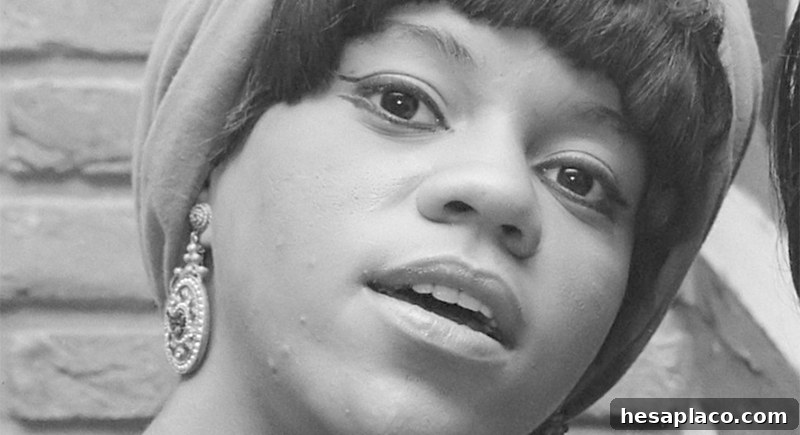
Credit: Wikimedia Commons
Florence Ballard helped form The Supremes and contributed to their early success, yet she struggled financially and professionally after being forced out of the group in 1967. Her solo career stalled and personal problems followed, leaving her dependent on welfare in her final years. She died in 1976 at the age of 32 while facing severe financial hardship.