
Kevin Harrington, an original investor from “Shark Tank” and a pioneer in the infomercial industry, has reviewed more than 50,000 pitches and built over 20 companies that each exceeded $100 million in sales. Renowned for launching iconic products and mentoring entrepreneurs, he has spent decades in rooms with founders and decision-makers. Through those years, Harrington observed that small, everyday habits often stall growth long before a business faces a crisis.
These aren’t dramatic missteps or rare mistakes. They are subtle misconceptions and routine choices that quietly erode momentum. Below are the common pitfalls Harrington has seen repeatedly—errors that cost the most over time and that founders can address early to preserve growth.
Relying on Just One Way to Market

Credit: pexels
When infomercials were dominant, many companies treated television as the only viable marketing channel. Harrington watched businesses vanish when airtime costs rose or formats shifted. The key question for any company is: do you have alternative channels to reach customers? A single channel that performs well today may stop working tomorrow—diversification is not optional.
Ignoring Digital Platforms Completely

Credit: Getty Images
Businesses that delay building a digital presence fall behind quickly. Most consumers now discover products via social feeds and online search, so staying absent from those spaces limits reach and discovery. Harrington shifted attention to mobile and digital long before returns on TV dropped—proactive adaptation prevents being forced into change by declining performance.
Slowing Down After Initial Wins

Credit: Getty Images
Many teams assume early traction will persist without sustained effort. Harrington repeatedly observed products lose momentum once outreach and reminders slowed. Even well-received launches require ongoing communication to maintain awareness; stopping outreach invites decline.
Trying to Handle Every Piece Alone

Credit: pexels
Knowing your product deeply doesn’t make you an expert in every function—hiring, finance, operations, or supply chain. Harrington accelerated growth by bringing in people who filled those gaps. Trying to control every task creates bottlenecks, slows decision-making, and wastes the founder’s most valuable resource: time.
Confusing Networking with Collecting Contacts

Credit: Getty Images
Volume of contacts isn’t a substitute for meaningful relationships. One advocate who will vouch for you is worth more than a hundred acquaintances who barely remember your name. The practical value of a network comes from people who will pick up the phone, make introductions, or provide honest feedback—not from a long list of shallow connections.
Avoiding Vulnerability at All Costs

Credit: Getty Images
Progress often begins when someone admits they need help. Harrington does not treat asking for assistance as a weakness; delaying that honest conversation delays solutions. Founders often stay silent out of fear—especially after raising funds or making bold claims—but pretending to know everything creates blind spots and blocks learning.
Not Calculating the Time Cost

Credit: pexels
An attractive opportunity can be deceptive if it demands too much time. Harrington often valued hours more than immediate dollars and has declined promising deals that required excessive involvement. Meetings, follow-ups, and reviews can consume bandwidth that would otherwise be spent building the business.
Waiting Around for the Right Time

Credit: Getty Images
Perfectionism can become inertia. Spending months refining a product while a competitor launches a less-developed version can mean losing market position. Precision that delays going to market often turns into missed opportunity; speed and iteration frequently beat waiting for an ideal moment.
Overlooking the Role of Cash Flow

Credit: Getty Images
Revenue on paper can mask real issues if cash flow is misaligned. Delayed receivables, inflated expenses, and fixed costs that can’t be reduced have sunk promising businesses. Harrington recalls a founder who doubled staff after funding and then couldn’t make payroll when sales dipped. Profitability matters, but cash timing and liquidity determine survival.
Building Without Knowing the Customer’s Actual Problem

Credit: Getty Images
Teams that scale features and chase metrics without defining the customer’s core problem often waste resources. Without a clear problem statement, signals get missed and the product can feel irrelevant. Even a polished offering will struggle if it doesn’t align with a real, validated customer need.
Doubting You Deserve Success

Credit: Getty Images
Many founders face funding and marketing challenges, but the deeper struggle is often confidence. Harrington recounts conversations where founders had strong ideas but didn’t pitch assertively, negotiate for fair deals, or follow up with conviction. That hesitation is visible to investors and teams and can undermine outcomes.
Making Brand Decisions by Personal Taste
Credit: Getty Images
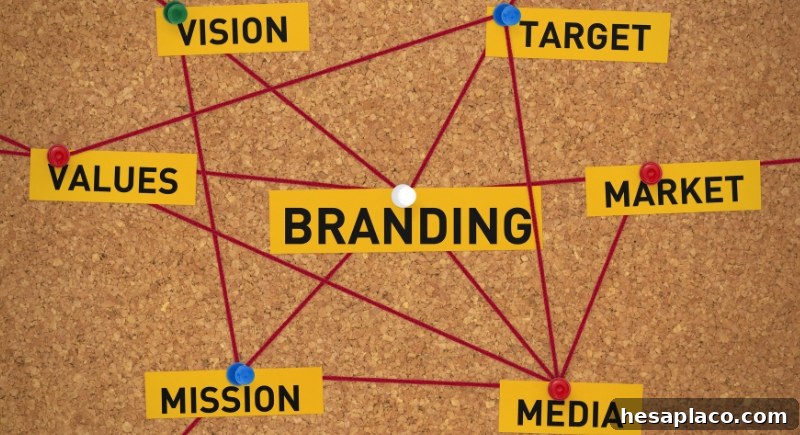
Brand choices should reflect the market’s trust signals, not the founder’s personal preferences. Data-driven feedback—headlines, visuals, messaging that perform—matters more than individual taste. Ignoring what the audience responds to is ego-driven, not strategic. Strong brands adapt as they learn from customers.
Ignoring Exit Options Until It’s Too Late

Credit: Getty Images
Harrington learned early that acquisition talks require clean operations. One deal stalled because books were incomplete, ownership was unclear, and critical agreements were undocumented. Treating exit readiness as an operational discipline—keeping records, clarifying ownership, and documenting agreements—prevents deals from collapsing when opportunity arises.
Treating Hiring Like a Side Task

Credit: 89Stocker
In small companies each hire matters. One poorly matched employee can derail timelines, frustrate clients, and force time-consuming corrections. Cutting corners in recruitment saves time upfront but often costs months of recovery. Treat hiring as a strategic priority with clear role expectations and a thoughtful selection process.
Skipping a Real Business Plan

Credit: Getty Images
A bright idea without structure becomes chaotic. Harrington finds the same red flags in thousands of pitches: no market analysis, no distribution logic, and no mapped customer lifecycle. A full-length document isn’t required, but founders must clarify goals, target customers, and how they will reach and retain them.
Failing to Test the Product Before Launching

Credit: iStockphoto
Products have failed because no one used them outside the office before shipping. Packaging and pitches can look perfect, but real customers reveal confusion and edge cases immediately. Testing early and often saves inventory headaches, refunds, and reputation damage—small fixes now avoid large costs later.
Believing a Great Product Sells Itself

Credit: iStockphoto
Harrington built his career on the belief that attention drives sales. Many products that solve real problems still fail because they aren’t explained or promoted effectively. Customers can’t buy what they don’t notice. Marketing creates momentum; silence leaves even excellent ideas sitting on shelves.
Understanding these recurring mistakes gives founders practical areas to address: diversify channels, invest in digital reach, keep momentum after early wins, delegate non-core tasks, cultivate meaningful relationships, embrace vulnerability to solve problems faster, measure time cost, act with speed, manage cash flow, define the customer problem, build confidence, make market-driven brand choices, prepare for exits, hire deliberately, plan methodically, test products before broad release, and prioritize marketing. Tackle these items deliberately and you significantly reduce the risks that often derail promising ventures.