
Seeing the total at checkout can feel like a shock. Groceries are more expensive than ever, yet the fridge still looks half-empty. These smart, practical strategies can lower your bill without sacrificing quality—or snacks. Use these tips to spend less and leave the store feeling like you came out ahead.
Only buy bulk items you’ll actually use

Credit: Getty Images
Buying in bulk can lower your grocery costs, but only when you can use everything before it goes bad. Stick to long-lasting staples like dry grains, pasta, canned goods, and frozen foods. Perishables purchased in bulk often spoil before you finish them, turning a “deal” into wasted money.
Use store apps to unlock extra savings

Credit: Getty Images
Download the app for your regular supermarket and start saving before you walk in. Many store apps offer exclusive digital coupons, member-only pricing, and personalized alerts when items you frequently buy drop in price. These tools can trim your bill with minimal effort.
Compare unit prices to find true value
Credit: Getty Images
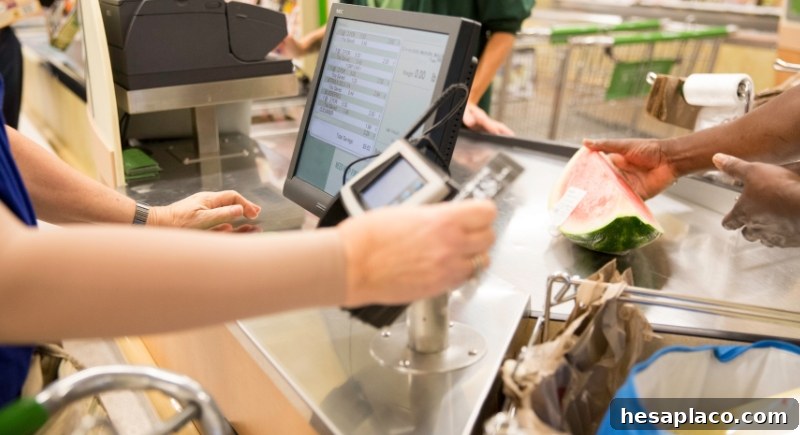
The sticker price on a package doesn’t always show the full story. Check the unit price—usually displayed below the main price—to see what you’re really paying per ounce, pound, or liter. This quick comparison reveals which brand or size gives you the best value, especially for bulk and family-sized packs.
Shop during slow hours
Credit: pexels
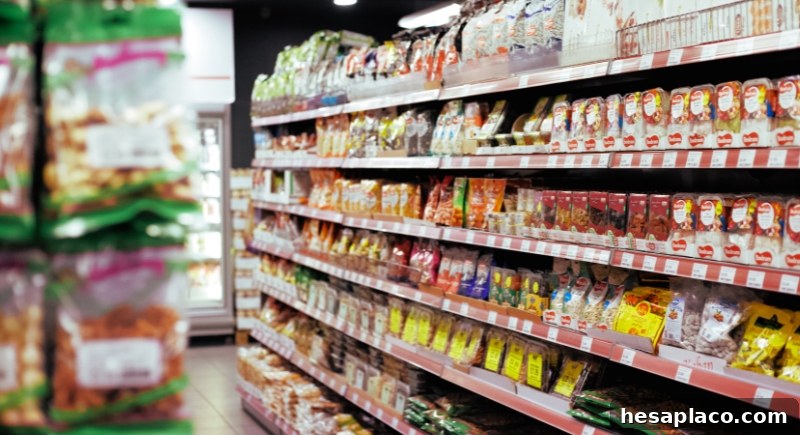
Crowded aisles can pressure you into grabbing the first thing you see just to keep moving. Shopping when the store is quieter helps you stay focused and make better choices. Fewer distractions lead to smarter decisions—and those small improvements add up at checkout.
Keep a consistent grocery list
Credit: Getty Images
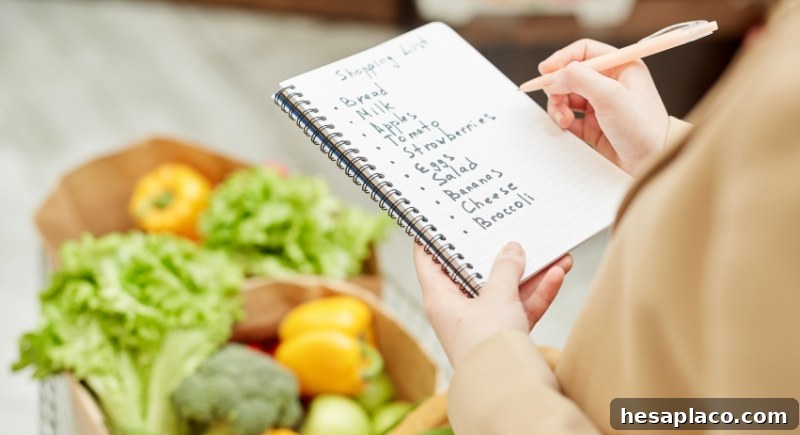
Using a familiar list removes guesswork. Sticking to the same essentials makes it easier to monitor spending and avoid impulse purchases. You’ll be less likely to overbuy and more likely to stay within budget without giving up the meals you enjoy.
Eat before you shop

Credit: Canva
Shopping on an empty stomach makes everything look like a must-have. A quick snack before you leave keeps cravings in check and reduces impulse buys. When you aren’t hungry, you’re more likely to focus on what you actually need.
Sign up for store rewards

Credit: Getty Images
Rewards programs do more than track purchases. Many offer member-only discounts, gas points, or cash-back options. If you frequent the same store, joining the program can steadily reduce costs over time.
Choose frozen produce when it makes sense
Credit: Getty Images
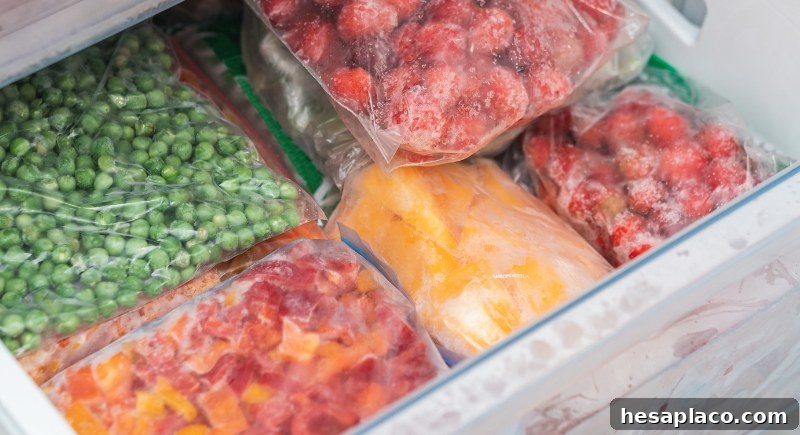
Frozen fruits and vegetables are often frozen soon after harvest, which preserves nutrients and flavor. They typically cost less than fresh produce and won’t spoil if you don’t use them immediately, making them a convenient, low-waste choice for everyday meals.
Cut back on gourmet meats and cheeses

Credit: Getty Images
Specialty cheeses and deli-sliced meats are often among the priciest items and spoil quickly. Keep a few longer-lasting options on hand and reserve premium selections for special occasions. That small change can significantly reduce waste and cost.
Plan meals around the best deals
Credit: Getty Images
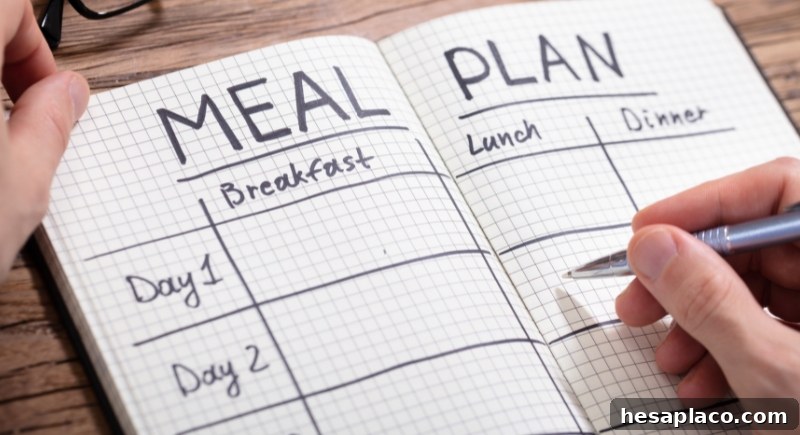
Flip the usual routine: check weekly ads or store apps first, then build meals from items on sale. This keeps your spending down and can introduce you to new ingredients you might not otherwise buy. Planning around markdowns helps your budget stretch further.
Make and freeze meals in advance

Credit: Canva
Batch-cooking and freezing home-cooked meals saves both time and money. Cook once and eat several times instead of buying costly convenience foods. Freezing portions also prevents leftover waste—extra servings can be used later instead of being tossed.
Look for deals on items you already plan to buy

Credit: Canva
Browsing sales aimlessly often leads to extra purchases. Instead, hunt for discounts on items already on your list. This way you still take advantage of markdowns without letting impulse buys inflate your total.
Grow a few basics at home

Credit: pexels
You don’t need a yard to cut grocery costs. Herbs like basil, cilantro, and mint grow easily in small pots on a sunny windowsill. Growing these at home saves you from buying flimsy, plastic-wrapped bunches that often wilt before you use them, giving fresh flavor for the cost of a little water.
Check your receipt before you leave

Credit: Getty Images
Reviewing your receipt helps you catch incorrect charges or missing discounts. It also shows where your money went on each trip. If something looks wrong, ask customer service to correct it before you leave so small errors don’t add up over time.
Avoid shopping with a giant cart

Credit: pexels
The bigger the cart, the more likely you are to fill it. For quick trips, choose a handbasket or a smaller cart—it naturally limits impulse buys. When space is tight, you must stick to the list instead of treating every aisle like a buffet.
Check lower shelves for cheaper brands

Credit: pexels
Eye-level shelves often hold pricier products because brands pay for that placement. Look a shelf down or all the way to the bottom to find store brands or lesser-known labels with similar ingredients at better prices. Your knees—and your wallet—will thank you.
Build a routine but stay flexible

Credit: Getty Images
A steady grocery routine helps with budgeting, but be prepared to adapt when prices change. If chicken is pricey one week, choose another protein. Flexible planning keeps meals affordable while maintaining the consistency that helps you stick to a budget.
Check your pantry before you go

Credit: Canva
Before you leave the house, take a few minutes to check your fridge, freezer, and pantry. Build your shopping list around what you already have to avoid duplicate purchases and reduce waste. Planning from your current inventory helps curb impulse buys and keeps costs down.
Try regrowing kitchen scraps

Credit: Getty Images
Instead of tossing vegetable scraps, give them another life at home. Many remnants—like green onion roots or lettuce bases—can regrow with water and light. While this won’t replace all grocery purchases, regrowing scraps reduces waste and provides fresh greens straight from your countertop.