Investing always involves risk—even for Warren Buffett. Over his long career he has made many outstanding decisions that produced huge gains, alongside several that fell short of expectations. Below is a clear, concise look at some of his most notable successes and failures, presented to inform readers about the lessons behind each outcome.
Best: Coca-Cola
Credit: Wikimedia Commons
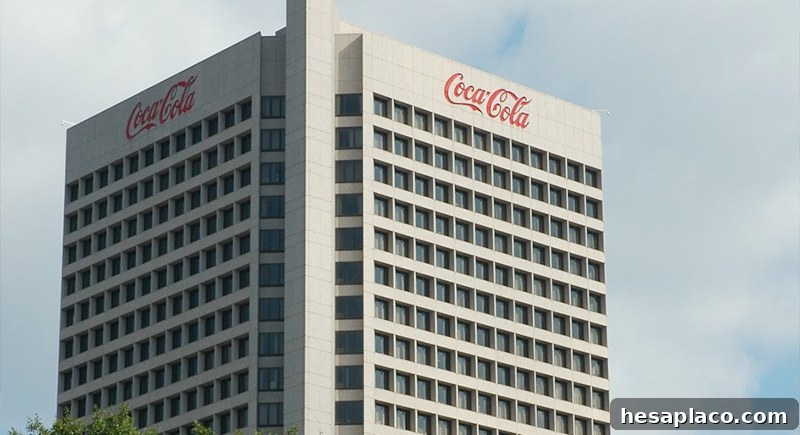
In 1988 Buffett invested $1.3 billion to acquire roughly a 9.3% stake in Coca-Cola. That position has delivered substantial long-term returns and steady dividend income—today producing hundreds of millions in annual cash flow for Berkshire Hathaway. His appreciation for the brand’s consumer appeal and consistent margins turned this into one of his most enduring and profitable holdings.
Best: Apple
Credit: Wikimedia Commons
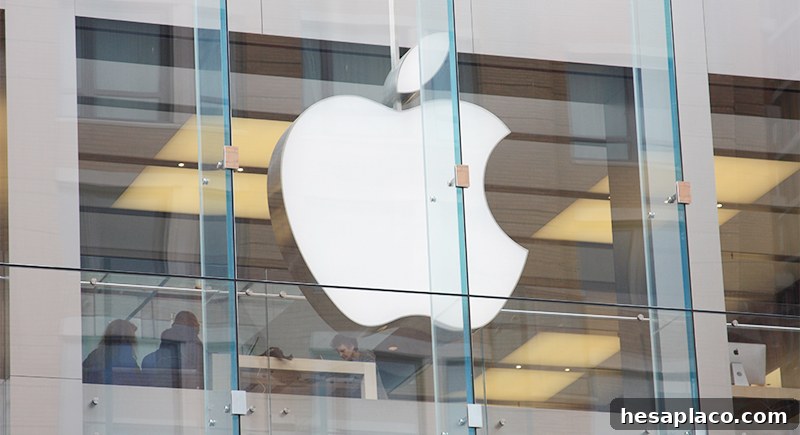
Buffett’s first investment in Apple came in 2016, driven by the view that the company was fundamentally a consumer-products business with strong brand loyalty. That perspective paid off: Apple became Berkshire’s largest single holding for a time, and the investment generated enormous capital appreciation and dividend income.
Best: GEICO
Credit: flickr
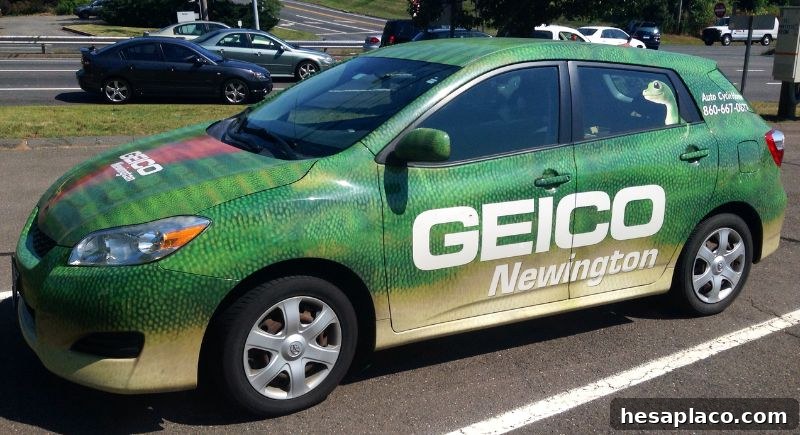
Buffett began buying GEICO stock in the 1970s and completed a full acquisition in 1996. GEICO’s efficient operating model and predictable underwriting results created a valuable insurance float that financed many of Berkshire’s subsequent investments, helping the company grow its capital base significantly.
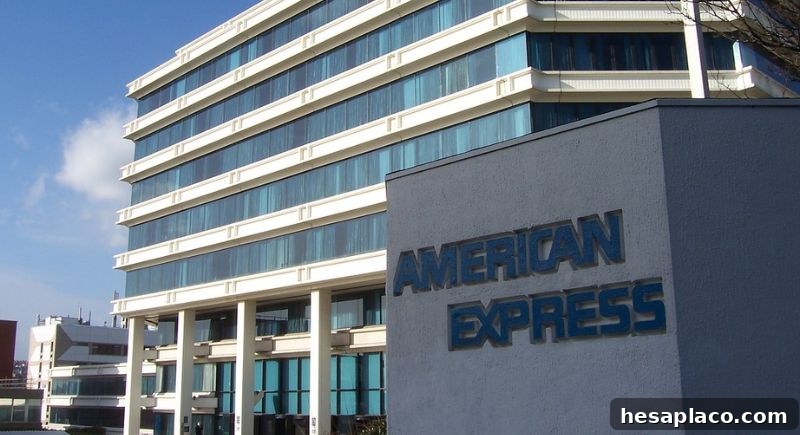
Best: American Express
Credit: flickr
Buffett first invested in American Express during a crisis in the 1960s. His conviction proved prescient: the stake has grown into a multibillion-dollar holding through compounding, brand strength, and sustained profitability. Berkshire has maintained a long-term position without adding shares since the mid-1990s, reflecting confidence in the business model.
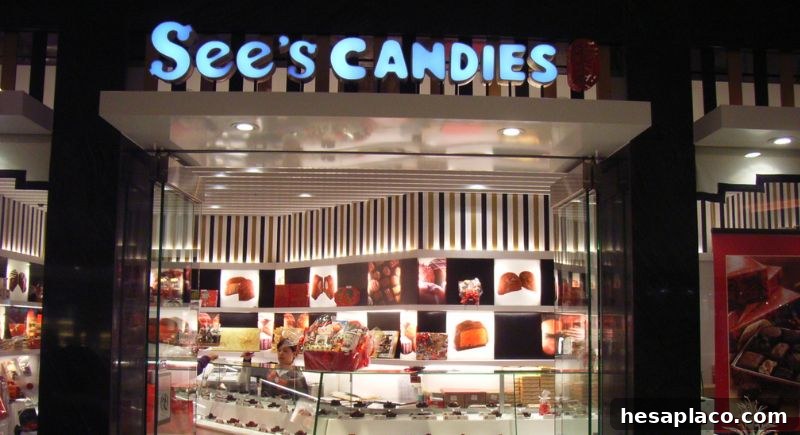
Best: See’s Candies
Credit: Wikimedia Commons
Acquired in 1972 for $25 million, See’s Candies taught Buffett the value of pricing power and loyal customers. Over decades the business generated significant profits and steady cash flow—demonstrating how a relatively small, well-run company can deliver outsized returns when managed for long-term value rather than short-term gains.
Best: BYD

Credit: Wikimedia Commons
In 2008 Buffett invested $232 million in BYD, a Chinese electric vehicle and battery maker, after encouragement from Charlie Munger. As BYD expanded into global EV markets, Berkshire’s stake appreciated dramatically, turning into a multibillion-dollar win and illustrating successful exposure to a fast-growing industry.
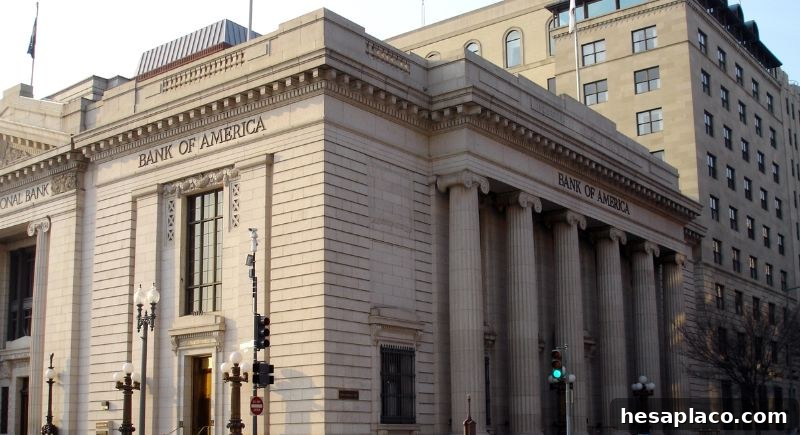
Best: Bank of America
Credit: Wikimedia Commons
During market uncertainty in 2011 Buffett invested $5 billion in Bank of America via preferred shares with warrants. The deal converted into significant common equity, and dividends and appreciation turned the position into a highly profitable outcome. The structure showcased Buffett’s ability to negotiate protective terms in stressed markets.
Best: Berkshire Hathaway Energy
Credit: Instagram
Buffett acquired MidAmerican Energy in 2000, later renaming it Berkshire Hathaway Energy. The utility and energy business has delivered stable, asset-backed earnings and meaningful contributions to Berkshire’s consolidated results—aligning with Buffett’s preference for predictable, long-lived assets.
Best: National Indemnity

Credit: Wikimedia Commons
Buffett bought National Indemnity in 1967 for $8.6 million. That acquisition became a cornerstone of Berkshire’s insurance operations, providing disciplined underwriting and float that financed many future investments. The company’s success helped establish the insurance-based capital engine that supports Berkshire’s strategy.
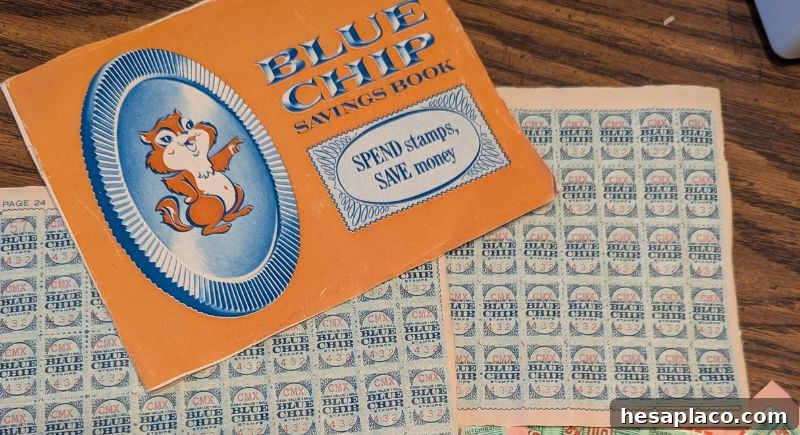
Best: Blue Chip Stamps
Credit: Reddit
Controlling Blue Chip Stamps in 1970 provided Buffett and Charlie Munger with steady cash flow that they reinvested into other acquisitions like See’s Candies and Wesco Financial. The example underscores how redirected earnings can accelerate long-term growth when reinvested in high-quality opportunities.
Best: Moody’s Corporation

Credit: Facebook
Berkshire built a meaningful stake in Moody’s early on. The credit-rating company’s durable role in financial markets produced steady returns and meaningful profits over time, reflecting the rewards of owning businesses with strong franchises and recurring revenue streams.
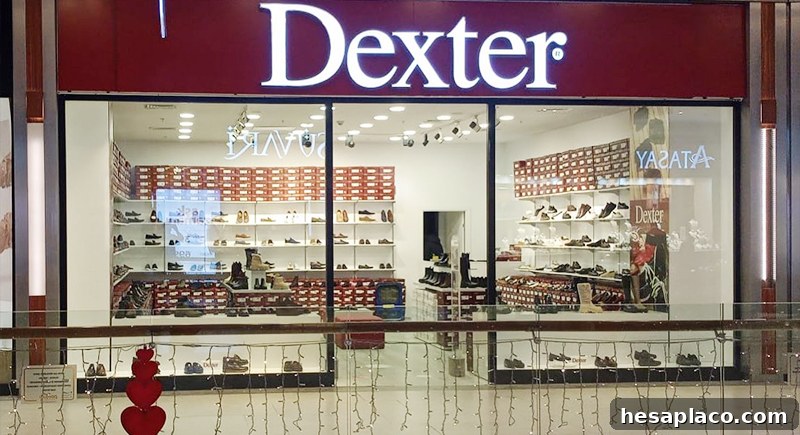
Worst: Dexter Shoe
Credit: Instagram
Buffett acquired Dexter Shoe in 1993, paying $433 million in Berkshire stock. The company’s business deteriorated rapidly, and the stock given in the deal is worth exponentially more today. Buffett has acknowledged Dexter Shoe as one of his most regrettable mistakes—both for the financial cost and the lessons it taught about using overvalued stock to buy weak businesses.
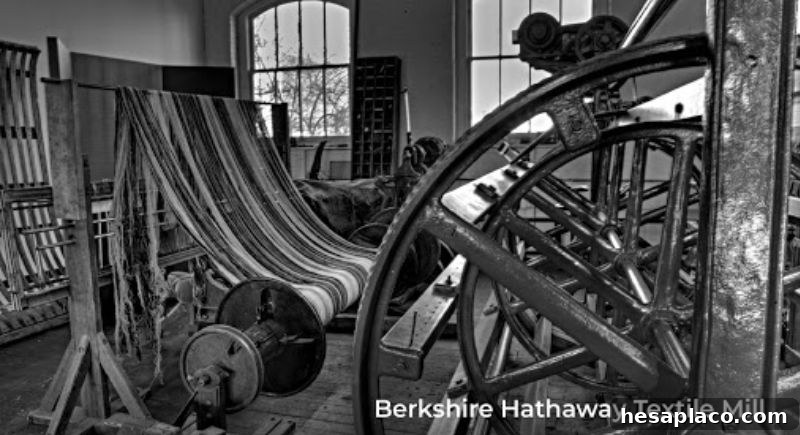
Worst: Berkshire Hathaway (Textiles)
Credit: X
Buffett’s original purchase of Berkshire Hathaway was tied to a struggling textile business. The textile operations declined for years and represented a poor allocation of capital. Buffett later described the early textile era as a drag on Berkshire’s performance and a reminder that some industries face structural headwinds that are difficult to overcome.
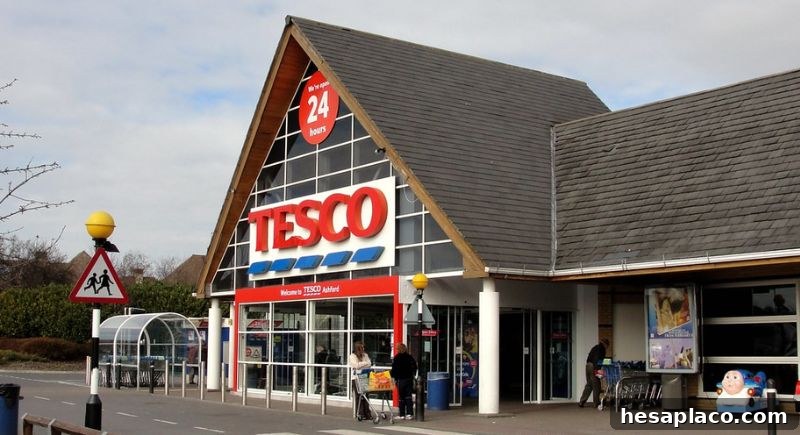
Worst: Tesco
Credit: flickr
Buffett built a significant stake in UK grocer Tesco but was slow to react when the company’s accounting problems surfaced in 2014. Berkshire recorded a substantial after-tax loss, and Buffett has said he should have exited sooner. The episode highlights the cost of delayed action when material governance issues emerge.
Worst: Amazon (Missed Opportunity)
Credit: Canva
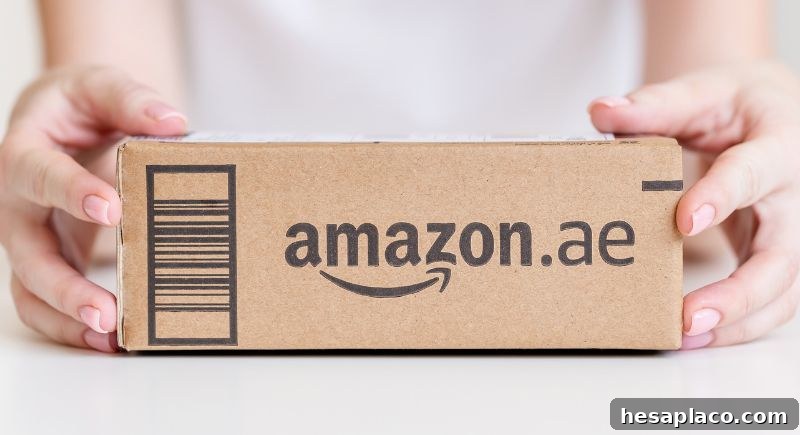
Although Buffett praised Jeff Bezos, he missed buying Amazon early and later called it a missed opportunity. He underestimated the scale and sustainability of Amazon’s businesses—particularly e-commerce and cloud services. This example is often cited by Buffett himself as a reminder that even experienced investors can misjudge transformative business models.
Worst: IBM
Credit: Wikimedia Commons
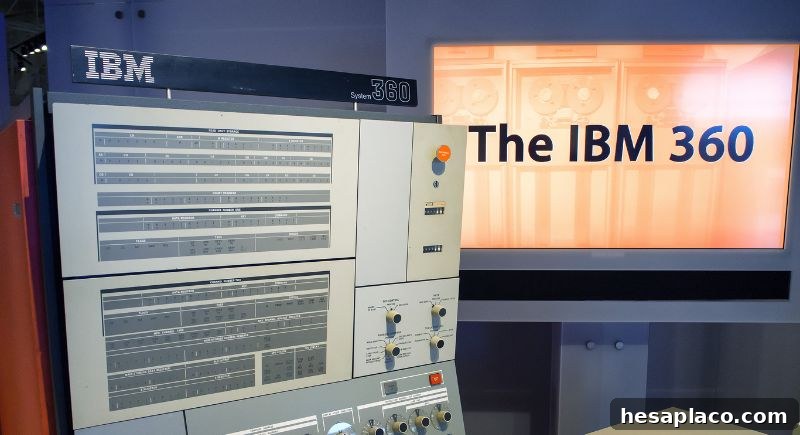
Between 2011 and 2017 Buffett invested heavily in IBM, expecting a turnaround driven by cloud and AI initiatives. The company fell behind competitors, and Buffett gradually reduced the position, acknowledging that his thesis for a sustained recovery did not materialize as hoped.
Worst: ConocoPhillips
Credit: flickr
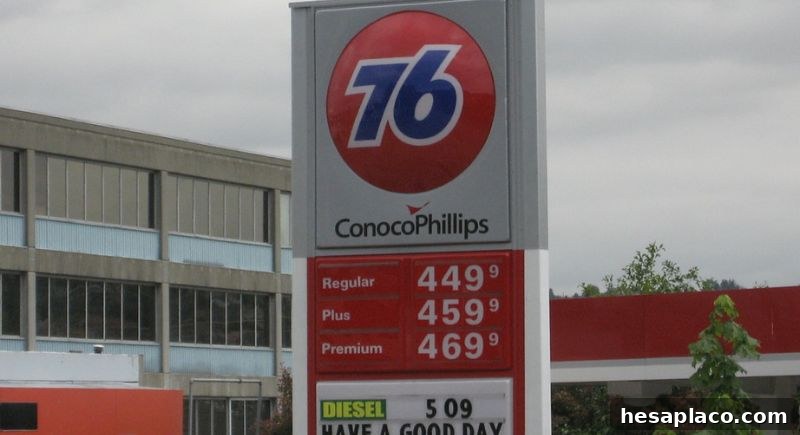
Buffett’s large purchase of ConocoPhillips came just before a major drop in oil prices. The timing hurt returns and illustrated the difficulty of predicting long-term commodity cycles. He has since noted that the investment showed how volatile commodity exposure can undermine a long-term value thesis.
Worst: USAir
Credit: Wikimedia Commons
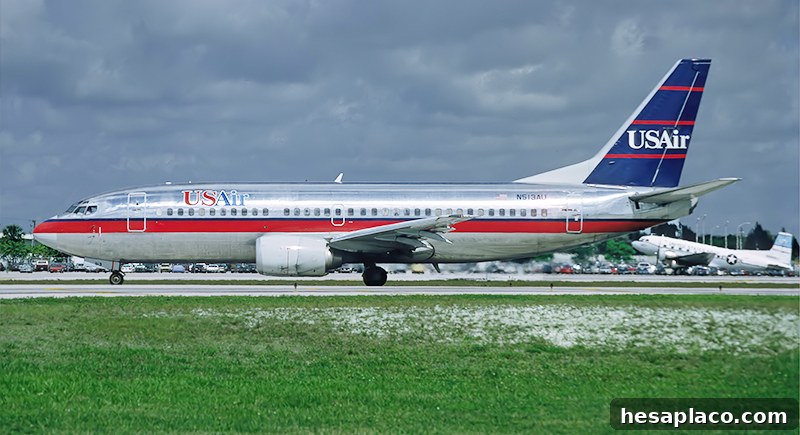
In 1989 Buffett invested $358 million in USAir through preferred shares. The airline’s thin margins and operational problems made it a tough investment. While most capital was eventually recovered, the experience reinforced the risks associated with cyclical, capital-intensive industries.
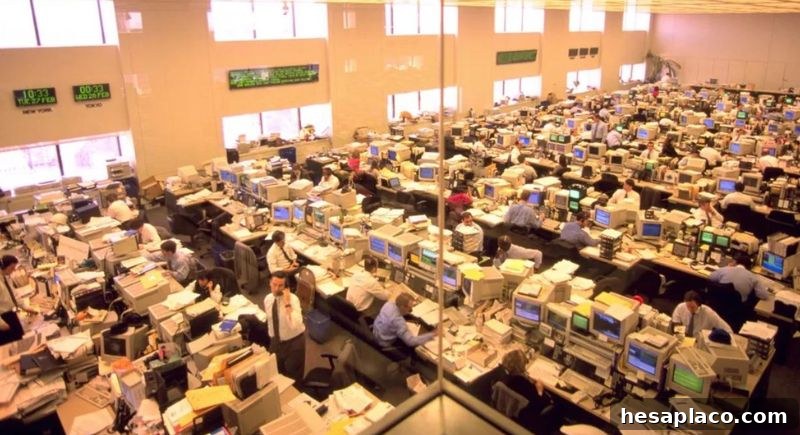
Worst: Salomon Brothers
Credit: Reddit
Buffett took a large stake in Salomon Brothers and stepped in as interim chairman during a trading scandal in 1991. He helped stabilize the firm, but the episode highlighted how reputational damage and internal culture problems can threaten even prestigious financial institutions.
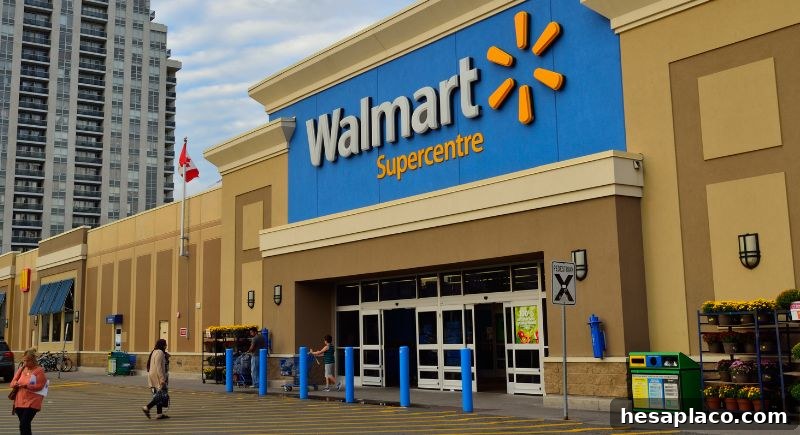
Worst: Missing Walmart
Credit: Wikimedia Commons
Buffett once debated buying a very large block of Walmart shares but ultimately hesitated. The stock’s subsequent performance made that indecision costly, and Buffett often mentions the episode as a cautionary example about the cost of inaction when a clear, high-quality opportunity presents itself.
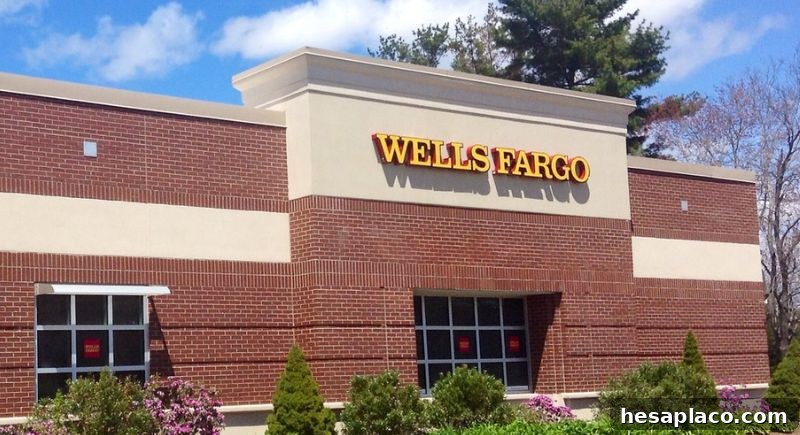
Worst: Wells Fargo
Credit: Wikimedia Commons
Buffett held Wells Fargo for many years but sold the position after scandals involving fake accounts and governance lapses. He acknowledged the decision reflected Berkshire’s standards and later admitted that exiting when problems first became clear might have been preferable as the stock later recovered.
Worst: Precision Castparts

Credit: Facebook
Buffett acquired Precision Castparts in 2016 for $32 billion. The aerospace business faced severe demand shocks during the pandemic, and Buffett later said he overpaid. He has described the purchase as a rare example of paying too much for a business, underlining the importance of price even for well-regarded franchises.
Warren Buffett’s record shows a mix of disciplined, long-term successes and instructive errors. His best investments emphasize durable competitive advantages, predictable cash flow, and strong management. His missteps remind investors to respect price, industry dynamics, and governance risks. Together, these examples offer practical lessons for anyone building a long-term investment approach.